benlong
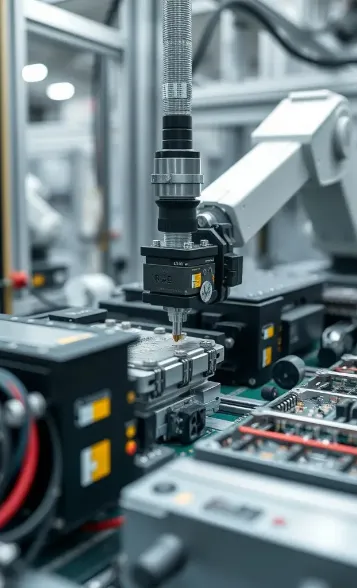


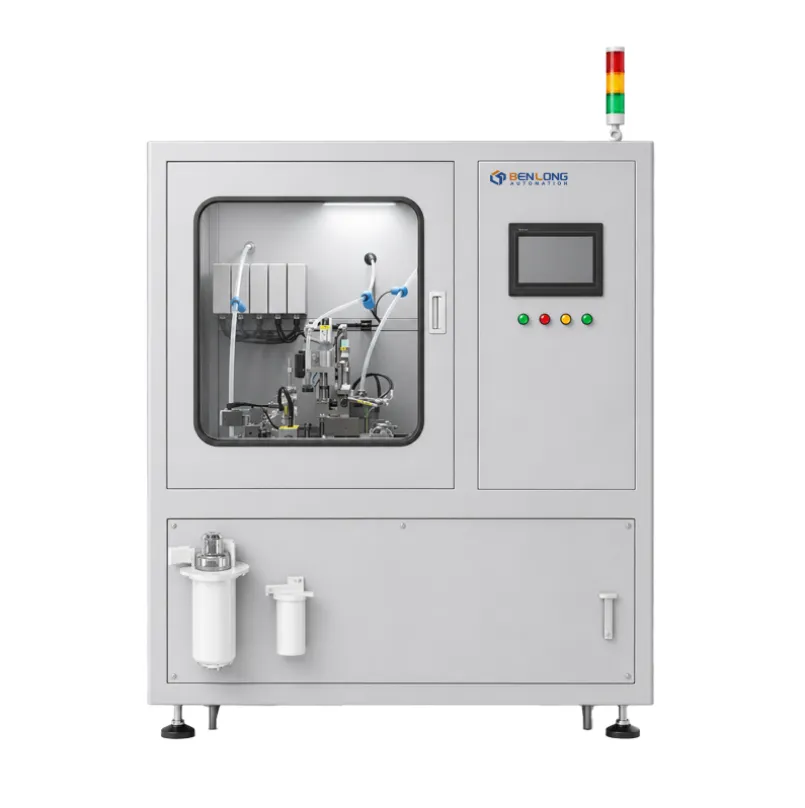
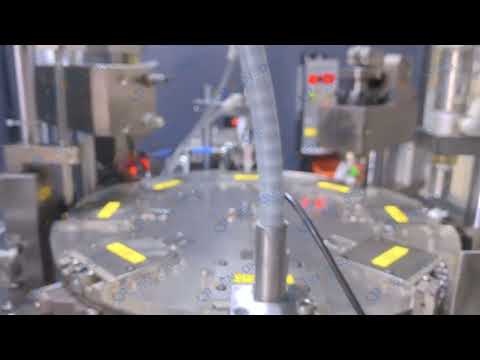
Máquina de ensamblaje automático de núcleos de hierro magnético MCB
Máquina automática de montaje de núcleos magnéticos de hierro para MCB, destinada a la inserción de bobinas y clavijas. Prensado servocontrolado, control de fuerza y profundidad (±0,05 mm), alimentación por vibración. 1,5-2,5 segundos por unidad, cambio rápido. Reduce las tasas de defectos; ideal para la producción en serie de interruptores magnéticos de corte (MCB).
Máquina automática para el montaje de núcleos magnéticos de hierro para disyuntores automáticos (MCB)
La máquina de montaje de núcleos para disyuntores miniatura (MCB) es un sistema automatizado de alta precisión que se utiliza para fabricar el ensamblaje exacto de las piezas del núcleo magnético que se emplean en los disyuntores miniatura (MCB). La capacidad de la máquina para colocar con precisión la bobina de plástico dentro del utillaje robótico y para introducir con exactitud los pines metálicos (núcleos magnéticos/núcleos de hierro) en su posición, aplicando fuerzas y una alineación constantes, permite un funcionamiento a alta velocidad, un rendimiento estable y una intervención manual mínima, lo que se traduce en una calidad de montaje repetible para series de producción de grandes volúmenes. La máquina de acabado de núcleos para MCB reduce los costes asociados a la mano de obra, proporciona un mayor nivel de precisión en el montaje y mejora la fiabilidad en la fabricación de módulos de disparo magnético para MCB.
La máquina cuenta con varias funciones clave, entre las que se incluyen la alimentación automática de bobinas de plástico y pasadores metálicos mediante un alimentador vibratorio o apiladores de bandejas, el prensado servocontrolado con monitores de fuerza y posición, y la verificación integrada de la presencia de piezas. Se adapta a bobinas de distintos tamaños, así como a pasadores de diferentes longitudes, gracias a un método de cambio rápido de utillaje y a ajustes de parámetros basados en recetas. En cuanto al procesamiento, la máquina se utiliza habitualmente para el montaje de yugos magnéticos, bobinas y pasadores de inducido para unidades de disparo magnético de disyuntores automáticos (MCB). Dado que esta máquina no es una unidad comercial estándar, la personalizaremos para que se ajuste a sus especificaciones en cuanto a la geometría de los componentes y el volumen de producción.
Entrega estándar: 30-45 días | Precisión de fuerza ±5% | Herramientas de cambio rápido
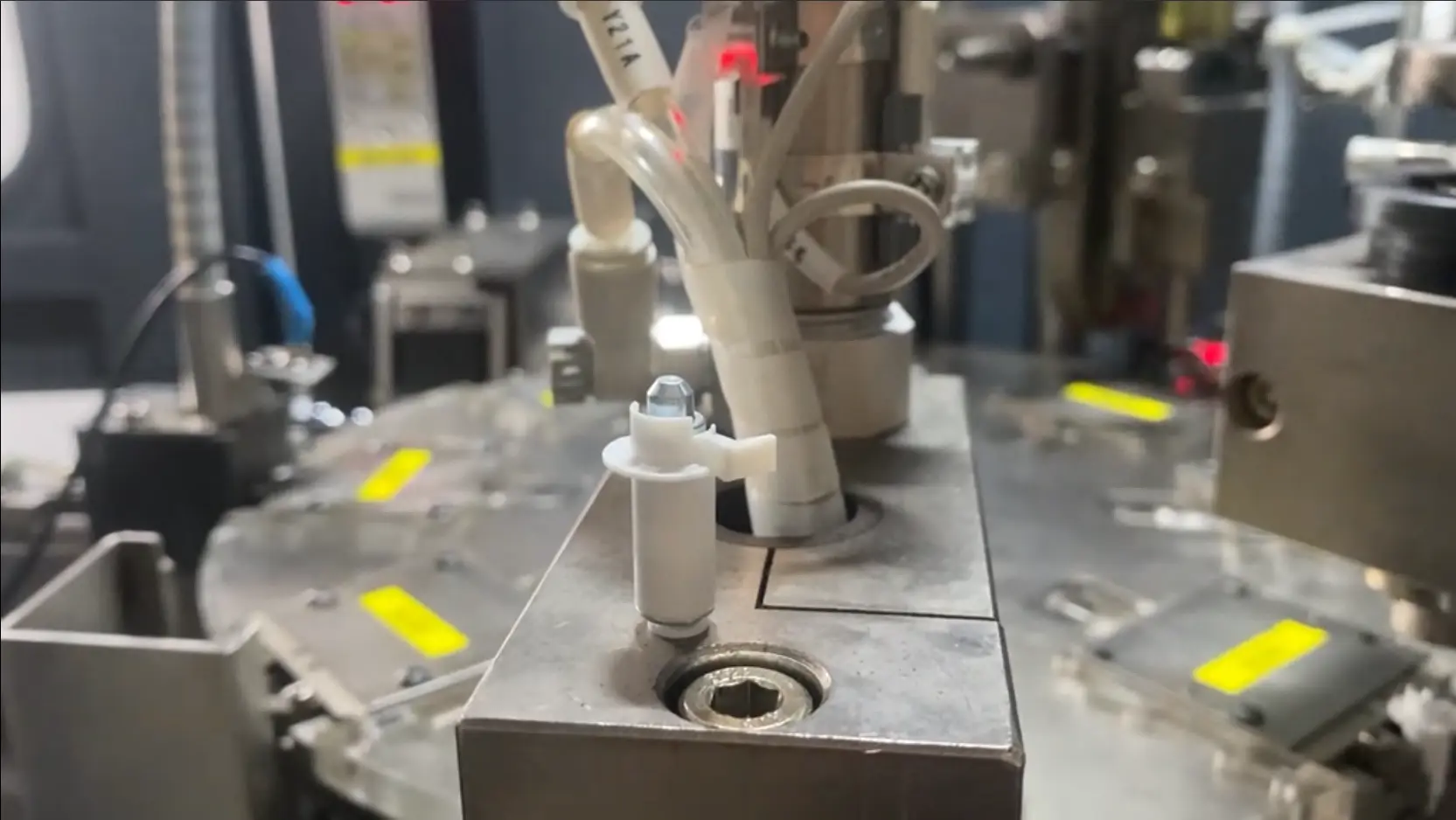
¿Qué es una máquina automática de montaje de MCB con núcleo magnético de hierro?
La máquina de montaje automático para el núcleo magnético de hierro del MCB es un sistema automatizado diseñado para montar los componentes del núcleo magnético (núcleo de hierro) de la unidad de disparo magnético de los interruptores automáticos en miniatura. El montaje completo de la unidad de disparo magnético consta de una bobina de plástico (molde de bobina), un pasador metálico (núcleo de hierro/núcleo magnético) y, en su caso, un resorte. Durante el montaje, el pasador debe alinearse con la bobina de tal manera que se consiga una alineación precisa, una fuerza controlada y la profundidad de inserción adecuada. Si el pasador no se inserta correctamente, el funcionamiento magnético y la respuesta de disparo se verán afectados. La máquina de montaje automático del núcleo magnético de hierro para MCB alimenta, orienta, coloca y encaja a presión automáticamente cada componente, garantizando que se utilice la misma fuerza de inserción y profundidad en cada ubicación. Se trata de un elemento esencial para la producción en serie de MCB, debido al elevado nivel de defectos asociados al montaje manual y a la inconsistencia en la respuesta de disparo de los MCB causada por las variaciones propias de dicho montaje. La máquina de montaje automático de núcleos magnéticos de hierro para MCB es una solución personalizada no estándar que se modifica para adaptarse a la geometría específica de su bobina, al tamaño de los pines y a sus requisitos de volumen de producción.
Cubetas vibratorias o apiladores de bandejas para bobinas y pasadores metálicos.
Fuerza y profundidad programables, monitorización en tiempo real, precisión de ±5%.
Los sensores detectan si faltan bobinas o pasadores antes de su inserción.
Cambio rápido entre diferentes tamaños de bobinas y pasadores (menos de 20 minutos).

Proceso de montaje y características principales



Especificaciones técnicas
| Componentes montados | Bobina de plástico (formador de bobinas) + pasador metálico (núcleo magnético / núcleo de hierro) + resorte opcional | |
|---|---|---|
| Tipos de bobinas | Varios tamaños para unidades de disparo magnético de disyuntores (soporte a medida según el diseño de la bobina) | |
| Rango de longitudes de los pines | 5 – 25 mm (personalizable) | |
| Rango de fuerza de inserción | 10 – 200 N (servocontrolado, programable, precisión ±5%) | |
| Precisión de la profundidad de inserción | ±0,05 mm | |
| Sistema de alimentación | Cubetas vibratorias (bobina + pasador) o apilador de bandejas/cajones | |
| Tiempo de ciclo de ensamblaje | Entre 1,5 y 2,5 segundos por unidad | |
| Control de calidad | Curva de fuerza-desplazamiento, sensores de presencia de piezas, control de visión opcional | |
| Sistema de control | PLC (Siemens/Mitsubishi) con HMI, almacenamiento de recetas para más de 20 modelos de productos. | |
| Suministro eléctrico y de aire | 380V ±10% 50Hz | Aire comprimido 0,5-0,7MPa |
Ventajas técnicas principales
Elimina las inconsistencias derivadas de la introducción manual de datos
El montaje manual de los pines magnéticos suele dar lugar a que estos queden inclinados o mal insertados, lo que provoca un flujo magnético débil y un rendimiento irregular del sistema de disparo. La presión servocontrolada garantiza una alineación y una profundidad perfectas en cada ciclo.
Monitorización de fuerza y desplazamiento
El sistema registra la curva de fuerza frente al desplazamiento en cada inserción. Si la fuerza se desvía del perfil almacenado (por ejemplo, falta de bobina, pasador demasiado grande o presencia de residuos), la máquina rechaza la pieza y activa una alarma.
Cambio rápido para distintos valores nominales de los disyuntores automáticos (MCB)
Los distintos valores nominales de corriente de los MCB requieren bobinas y clavijas de diferentes tamaños. Las herramientas de cambio rápido y los parámetros basados en recetas permiten cambiar de una familia de productos a otra en menos de 20 minutos.
Trazabilidad total
Cada núcleo magnético montado puede vincularse a sus datos de producción (fuerza de inserción, profundidad, tiempo de ciclo) mediante la integración de códigos de barras, lo cual resulta esencial para las auditorías de calidad y la mejora de los procesos.
Con la confianza de los líderes de la industria.
















Caso de éxito de un cliente: fabricante de MCB
Uno de los principales fabricantes de disyuntores automáticos (MCB) colocaba los imanes en las bobinas de forma manual, a un ritmo de 800 bobinas por turno. Tenían una tasa de defectos del 2% (imanes mal colocados o ausentes). Tras instalar nuestra máquina automática de montaje de imanes para MCB, lograron:
Se han eliminado las devoluciones de los clientes, ya que la máquina se ha amortizado en 8 meses al reducir el número de devoluciones relacionadas con fallos en los interruptores magnéticos.
Aplicaciones e integración
Ingeniería y entrega a medida
Solicita un presupuesto personalizado para un conjunto de núcleo magnético MCB
Por favor, envíenos muestras de sus bobinas y pasadores, así como las cantidades previstas para la producción, para que podamos diseñar una máquina de montaje a medida con control por servoprensa, monitorización de la fuerza y herramientas de cambio rápido. Además, le proporcionaremos un análisis exhaustivo del retorno de la inversión (ROI) de su sistema de máquina de montaje.
WhatsApp: +86 150 5837 0007 | Correo electrónico: xsb@benlongkj.cn | Soporte en inglés y chino
¿Por qué elegir Benlong para el montaje de componentes magnéticos?
- Más de 15 años diseñando máquinas de montaje automatizadas para componentes magnéticos de MCB
- Prensado servo de eficacia probada con control de fuerza y desplazamiento (precisión de fuerza de ±5%, profundidad de ±0,05 mm)
- Diseño interno de alimentadores y utillaje: soluciones rápidas y a medida
- Sistemas de cambio rápido de herramientas para bobinas y pasadores de distintos tamaños
- Soporte técnico y de repuestos a nivel mundial
La máquina personalizada típica incluye:
Alimentadores vibratorios de cuenco (bobbins). Cuencos vibratorios o alimentadores de pasadores. Unidad de prensa servo con célula de carga. Sensores de presencia de piezas. PLC con HMI (Siemens) o caja de seguridad. Sistema de cambio rápido de herramientas. Bandeja de rechazo. Manual de instrucciones con un año de garantía.
Soluciones relacionadas
Preguntas frecuentes
En la unidad de disparo magnético, el pasador de acero o hierro (el núcleo) se encuentra en el centro de la bobina. El campo magnético actuará sobre el núcleo cuando una corriente de cortocircuito atraviese la bobina; la fuerza resultante hará que el núcleo se mueva y golpee la palanca de disparo. Cuando la palanca de disparo recibe el golpe, abre los contactos. Para que la respuesta de disparo sea instantánea, el núcleo debe estar colocado correctamente y alineado con la palanca de disparo.
Se utiliza un límite programable para el punto de partida de la impresora servo. El sistema mide la altura del pasador final en relación con la bobina tras su instalación; si se produce una variación superior a ±0,05 mm respecto a la altura de instalación prevista, la prensa rechazará el Finn montado. Si es necesario procesar pasadores adicionales, se pueden utilizar cámaras para confirmar que el pasador queda a ras de la superficie de un componente adyacente.
Sí. La configuración es ajustable, de modo que el muelle se puede montar en el pasador antes de insertarlo o en una bobina, para luego insertarlo. Además, se pueden añadir estaciones de alimentación o de colocación.
Por lo general, se necesitan entre 15 y 20 minutos para cambiar las herramientas mediante sistemas de cambio rápido, como alimentadores, herramientas de inserción o moldes. Los parámetros de la receta, como la fuerza, la profundidad y la velocidad, pueden modificarse automáticamente a través de la interfaz hombre-máquina (HMI) en menos de 1 minuto.
Por supuesto. La fuerza de inserción, la profundidad de inserción, el tiempo de ciclo y los resultados de «aprobado/rechazado» se pueden registrar en cada ciclo. Los datos se pueden descargar a través de USB o transferir al MES mediante OPC UA o Modbus TCP.
Productos relacionados
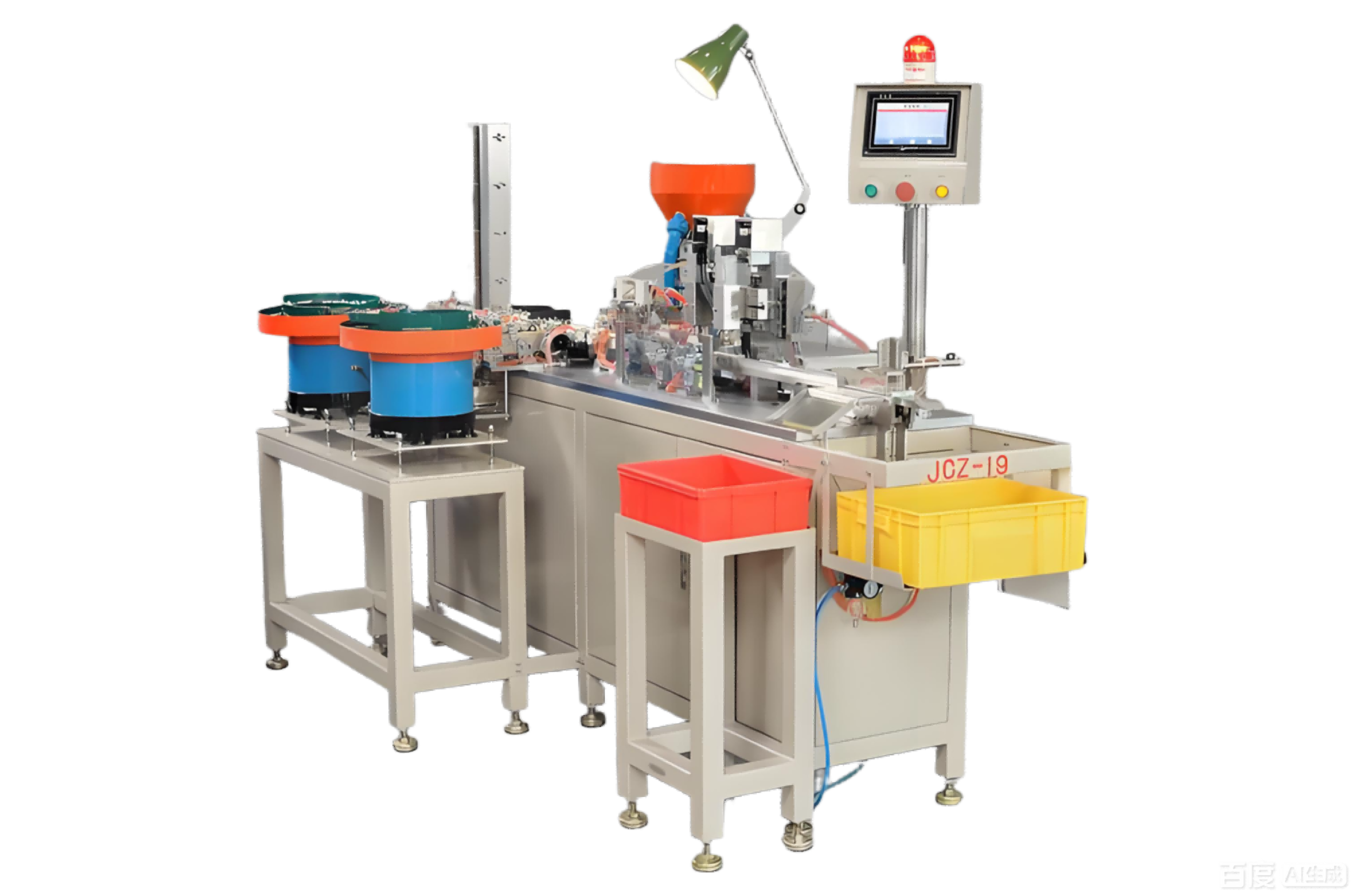
Máquina de ensamblaje automático de abrazaderas para bloques de terminales
Ver detalles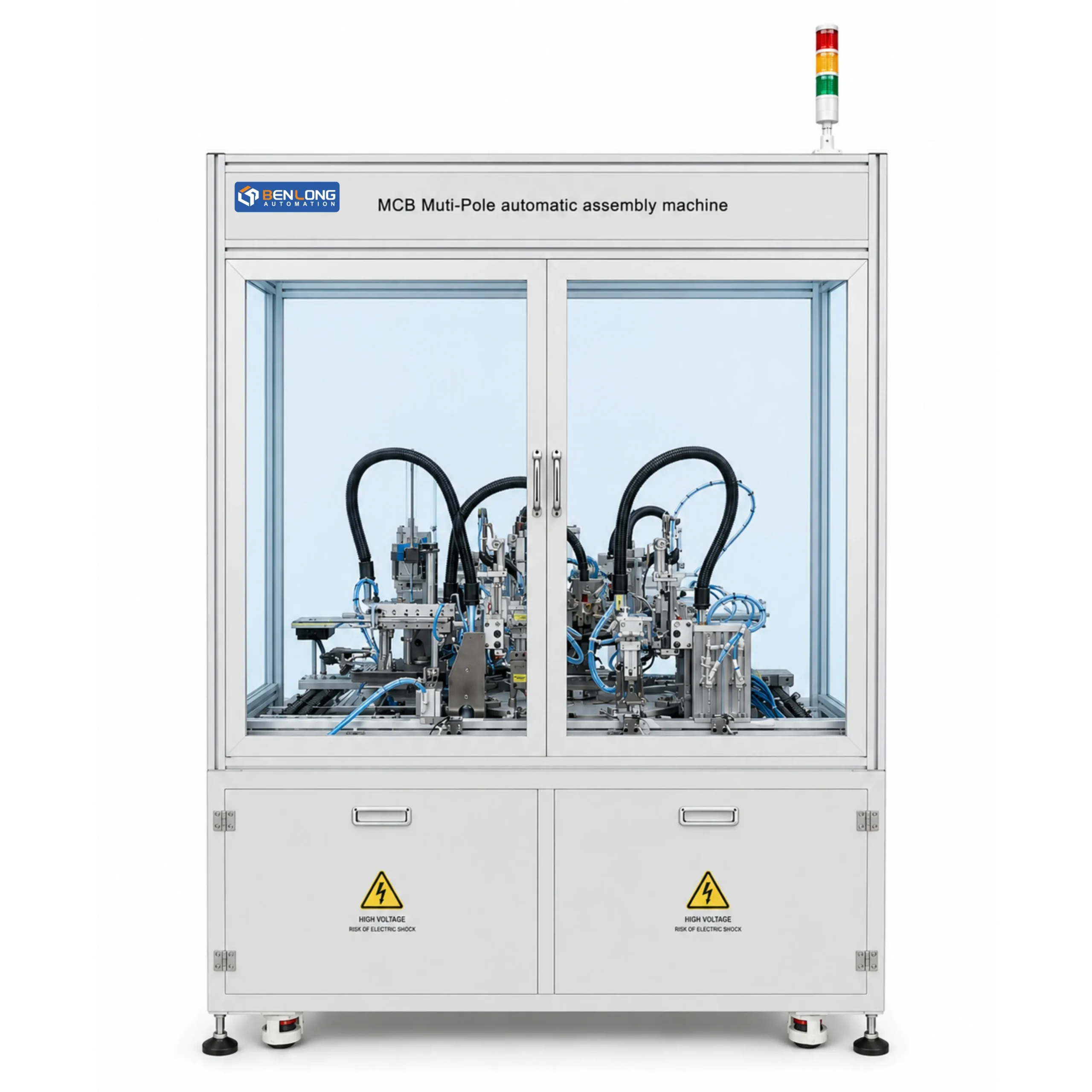
Máquina de ensamblaje automático MCB multipolar
Ver detalles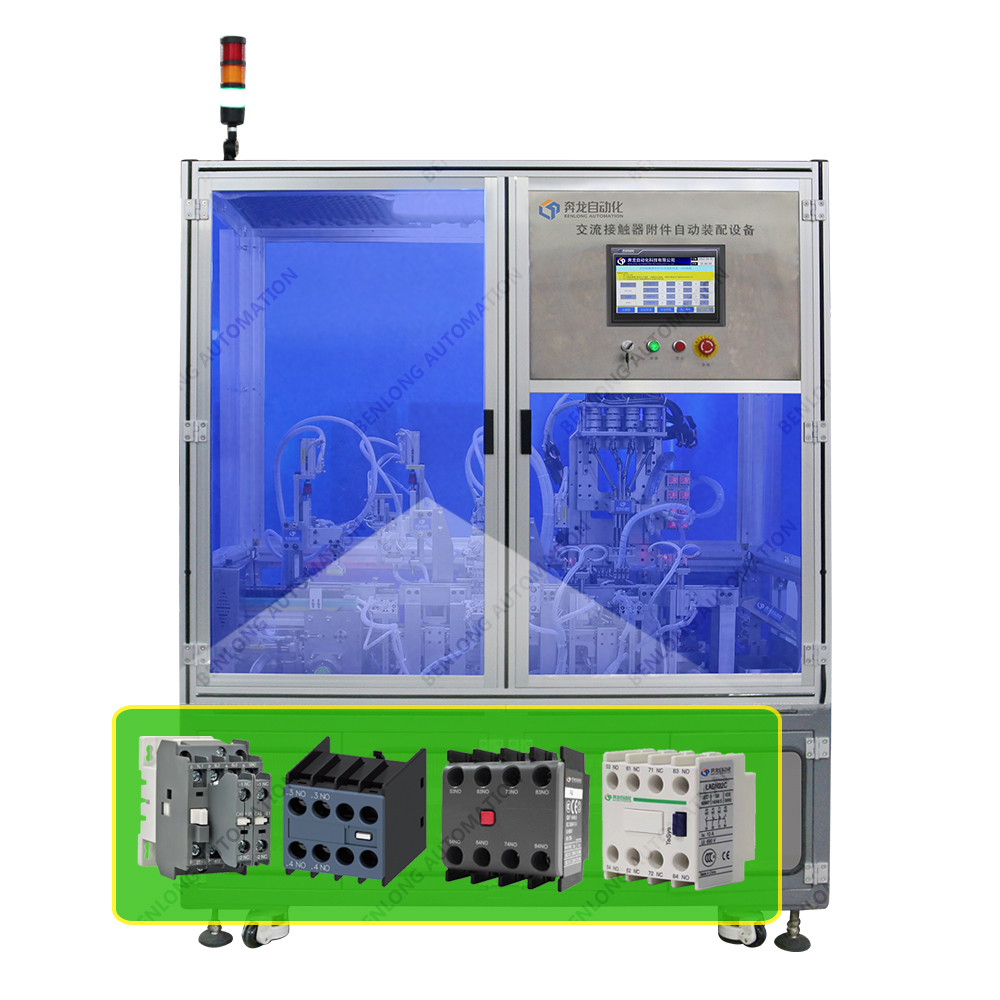
Máquina de ensamblaje automático para contactos principales y auxiliares de contactores de CA
Ver detalles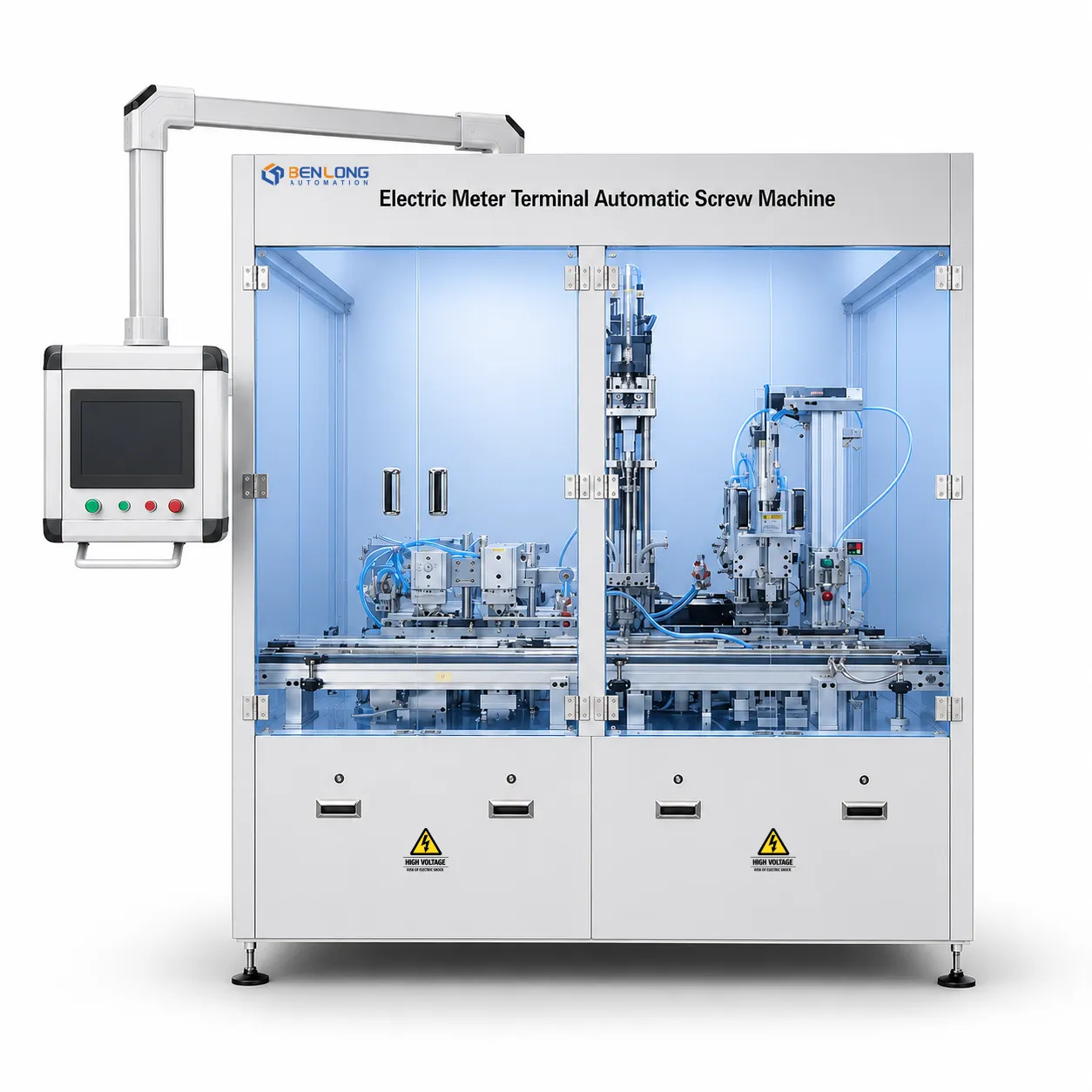
Máquina automática de tornillos para terminales de medidores eléctricos
Ver detalles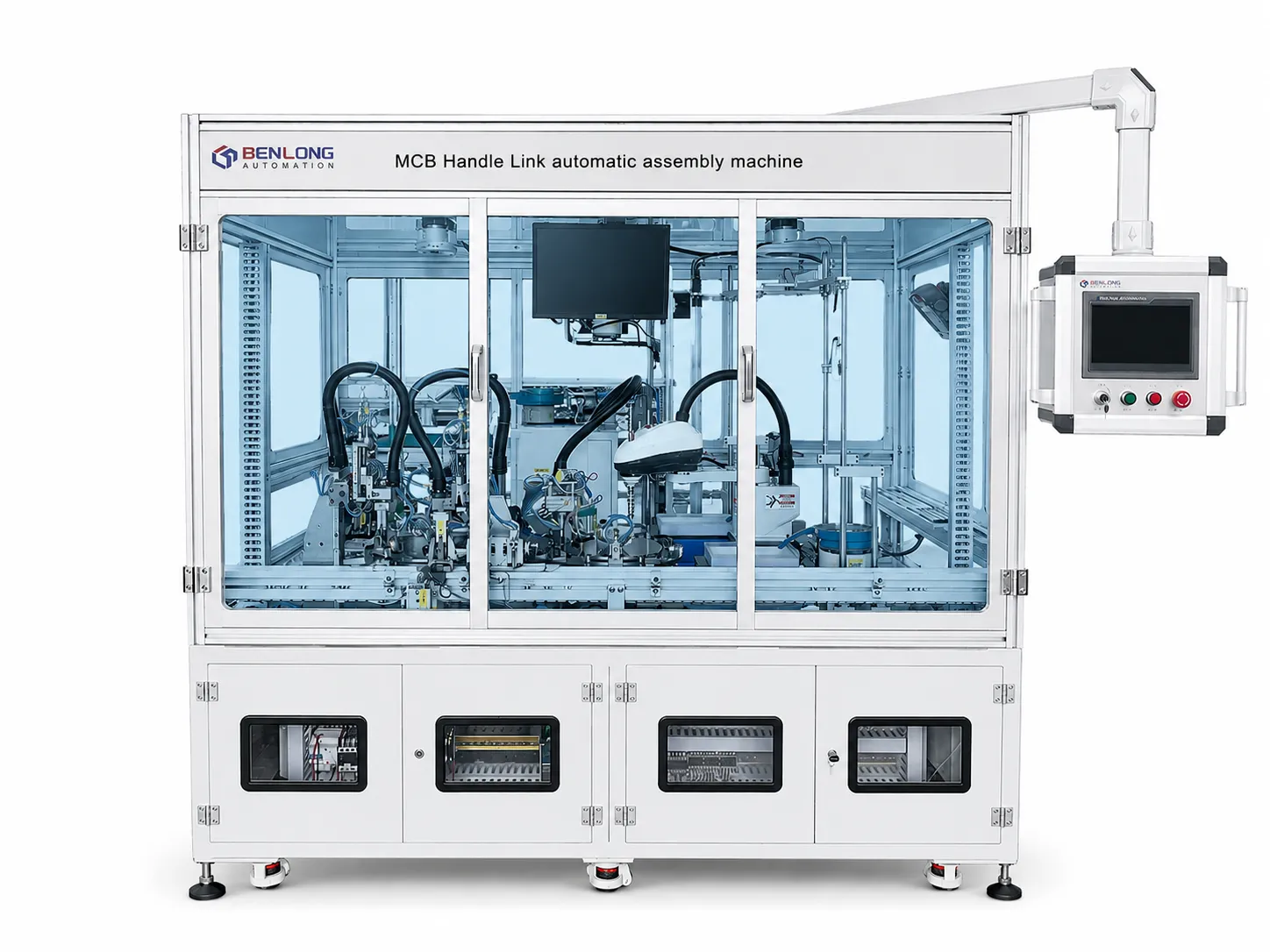
Máquina de ensamblaje automático de enlaces de manijas MCB
Ver detalles