benlong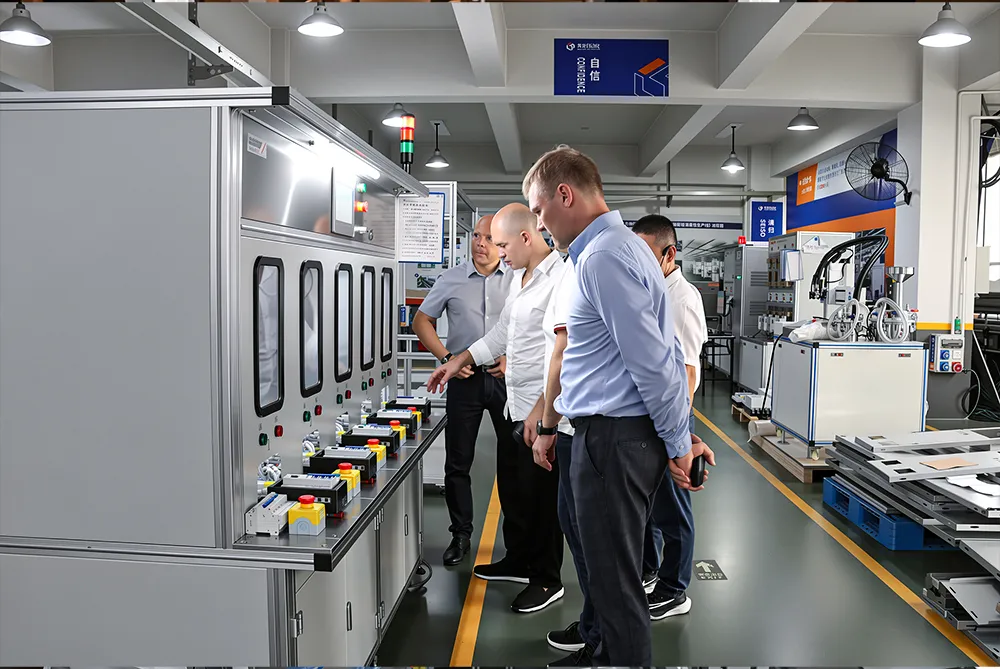


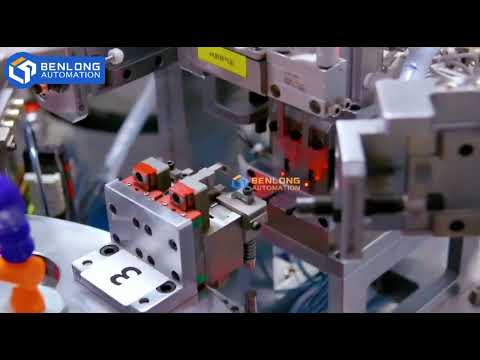
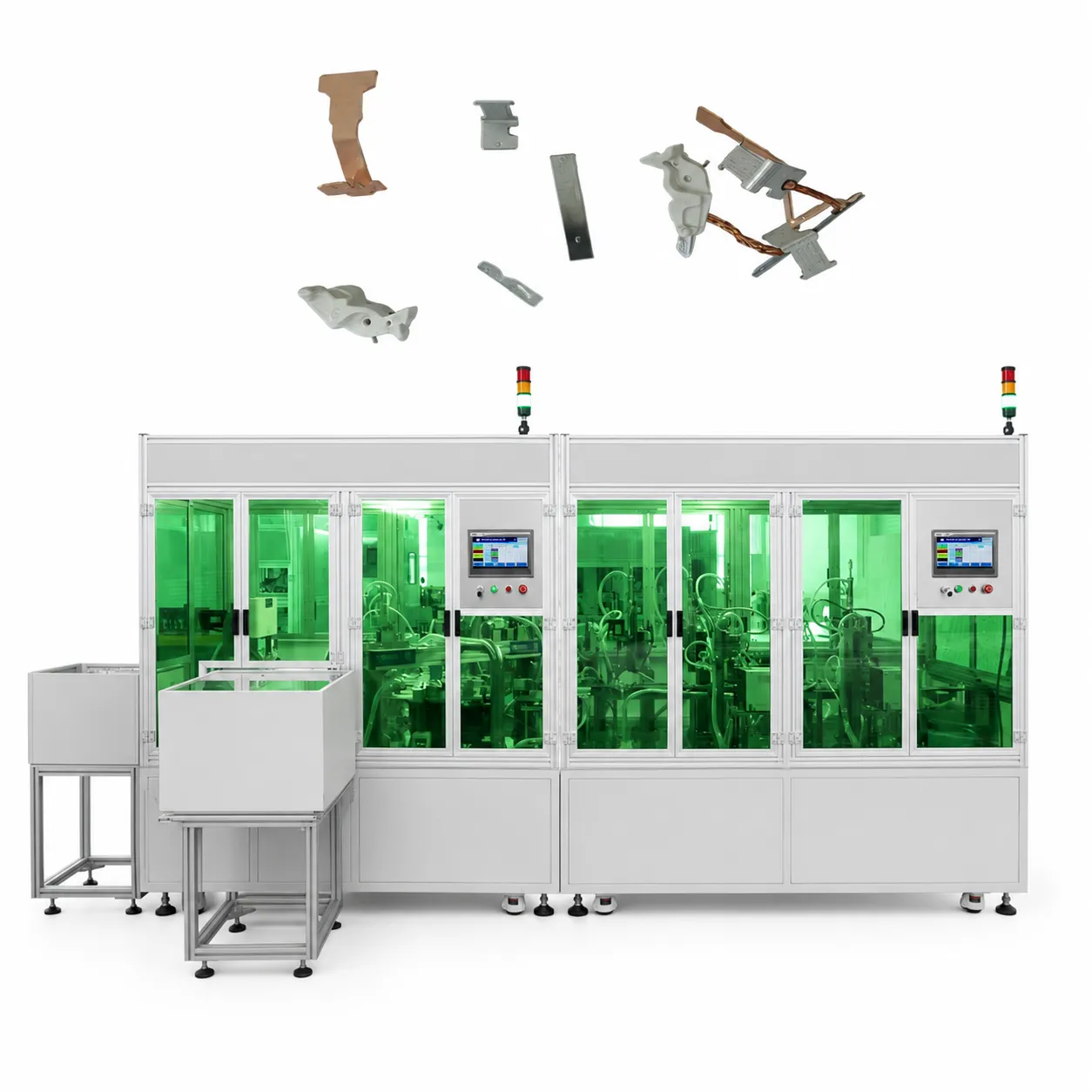
MCB magnetic trip set automatic welding machine
Benlong MCB magnetic trip set automatic welding machine – micro-resistance or laser welding for solenoid coil leads. Integrated wire stripping, post-weld resistance verification (<0.1 mΩ). 1,200-2,000 joints/hour. Ensures consistent short-circuit protection response.
MCB Magnetic Trip Set Automatic Welding Machine
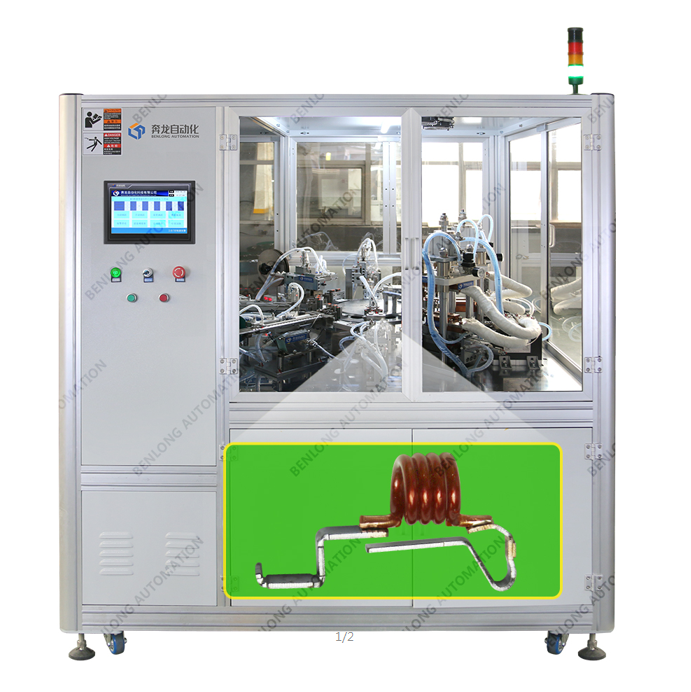
The MCB magnetic trip set automatic welding system is a quick, automated welding machine that functions to weld solenoid coil lead wires to the internal current path (also known as the bus) of miniature circuit breakers’ magnetic trip units. By employing a modern micro-resistance or laser welding process, the machine creates ultra-low resistance and high-integrity connections that are critical for ensuring dependable short circuit protection. The machine is equipped with features for wire stripping, accurate component location, and programmable weld parameters to assure that all joints will meet the organisation’s joint quality specifications throughout high volume production.
Pre-assembled magnetic yokes and solenoid coils are accepted by the system; wire ends are stripped and aligned with the terminal pads automatically; a controlled weld pulse is applied after alignment. Resistance is verified after the weld (typically…
Standard delivery: 30-45 days | Weld resistance <0.1 mΩ | CE certified

What is an MCB Magnetic Trip Set Automatic Welding Machine?
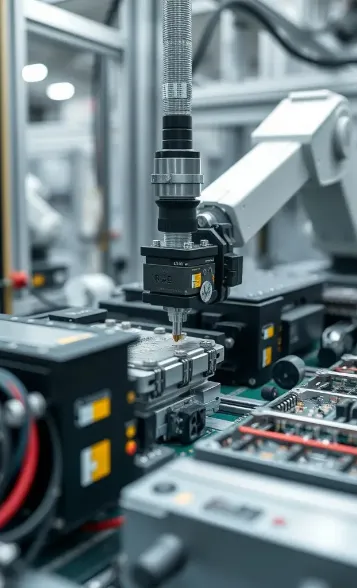
Automatic welding machines equipped with magnetic trip units (MCBs) are a type of special production unit designed to automate the electrical connection between the solenoid coil leads and the current-carrying path through the trip unit of a miniature circuit breaker (MCB). When a circuit breaker is tripped due to a fault condition, the trip unit provides instantaneous short-circuit protection; any resistance at the point of welding will cause a delay in the trip time or generate excess heat at that location. To provide a reliable, low-resistance, mechanically strong weld without damaging the fine copper wires used to create the solenoid coil leads, these automatic welding machines utilize either micro-resistance welding or laser welding as the welding technique. Typically, the automatic welding machines include an automatic wire stripping station, a vision system for alignment, a welding head with force control, and a post-weld resistance verification device – all of which are sequenced and controlled by a PLC (programmable logic controller).
Precise energy control for fine coil leads (0.2-0.8mm diameter).
Automated stripping of enamel insulation from coil leads.
Verifies joint resistance <0.1 mΩ; rejects out-of-spec assemblies.
Non-contact welding for delicate or hard-to-access joints.


Machine Features & Welding Process


Technical Specifications
| Welding method | Micro-resistance welding (default) or fiber laser welding (optional) |
|---|---|
| Applicable wire size | Copper or copper-alloy wire, 0.2 – 0.8mm diameter (enamel-coated) |
| Welding cycle time | 1.5 – 2.5 seconds per weld joint (approx. 1,400-2,400 joints/hour) |
| Post-weld resistance spec | <0.1 mΩ (typical, measurable by integrated tester) |
| Welding force range | 5 – 50 N (programmable, ±5% accuracy) |
| Welding energy / current | 10 – 500 J (resistance) or 20 – 200 W (laser, pulsed) |
| Wire stripping method | Mechanical or laser stripping of enamel insulation |
| Control system | PLC (Siemens/Mitsubishi) with HMI, recipe storage for 20+ product types |
| Feeding system | Vibratory bowl or tray for magnetic yokes; coil leads manually or tape-fed |
| Power supply | 380V ±10% 50Hz | Compressed air 0.5-0.7MPa (for resistance welding head) |
Core Technical Advantages
Ultra-low contact resistance
Manual soldering often results in joint resistance of 0.5-2 mΩ, causing unwanted voltage drop and slower magnetic trip response. This machine consistently achieves <0.1 mΩ, ensuring instantaneous trip timing within IEC 60898-1 limits.
No thermal damage to coil
Micro-resistance welding delivers a concentrated energy pulse in milliseconds, preventing heat from traveling up the fine coil wires – unlike soldering which can melt insulation.
Integrated quality verification
An inline resistance tester measures each joint immediately after welding. Assemblies failing the <0.1 mΩ threshold are automatically rejected, preventing defective magnetic trips from reaching final assembly.
Laser welding option for delicate designs
For very fine wires (<0.3mm) or hard-to-reach joints, a fiber laser welding module provides non-contact, high-precision joining with minimal heat-affected zone.












Customer Success Story
After they implemented a magnetically actuated automatic welding machine for their motors’ trip mechanism, the customer experienced a reduction in weld resistance variability of welds from a range of ±1.5 milliohms to a range of ±0.03 milliohms. They had an initial 2.5% field failure rate due to excessive contact resistance in the trip mechanism’s contacts caused by inconsistent hand soldering. The customer experienced a 0.1% field failure rate after the magnetic trip mechanism was welded. The customer previously produced 800 welded units per shift before using our machine, and after welding, they were producing 1,800 welded units per shift. The machine paid for itself within seven months of being implemented by the customer.
To-date, Benlong welding machines have become the standard for all magnet trip line assemblies.
Applications and Integration
Standard Delivery and Commissioning
Request a Custom Magnetic Trip Welding Quote
Submit your magnetic yoke samples and solenoid coil samples for consideration. The engineers will suggest which method of welding (micro-resistance or laser) would be best to use and will provide a full ROI analysis.
WhatsApp: +86 150 5837 0007 | Email: xsb@benlongkj.cn | English & Chinese support
Why Choose Benlong for Magnetic Trip Welding?
- 15+ years designing MCB component welding machines for short-circuit protection assemblies
- Proven micro-resistance welding with integrated wire stripping
- Post-weld resistance verification (<0.1 mΩ) – 100% inspection
- Laser welding option for fine or delicate coil leads
- Global installations in MCB factories across Europe, Asia, and the Americas
Standard Machine Includes
Wire stripper stations (both mechanical and lasers), vision guided alignment, precision micro-resistance welding head with force control, inline resistance testing, PLC/HMI (Siemens)
Frequently Asked Questions
The process of soldering generates a lot of heat that can cause damage to the coil wires (i.e. melting the enamel insulation surrounding them) and can also degrade the magnetic property of the yoke. In contrast, micro-resistance welds create a short, high current (milliseconds) pulse to heat only the joint interface between conductors, leaving all other components in the circuit unaffected by the heating process. In addition, micro-resistance welds create lower and more uniform contact resistance than any other traditional method of joining two conductors together.
Affirmative; The system contains an inbuilt mechanical and laser wired stripping area. It will strip the enamel isolation on the coil lead end prior to welding, producing a clean mechanical contact. Both the length of the strip and the depth of the strip are programmable.
An inline resistance test is performed after every weld. A low current (ex: 100mA) passes through the joint, and the resistance measured during the test is recorded by the machine. If the measured resistance exceeds the preset limit (typically 0.1mΩ), the machine will reject the assembly and log the failure.
The welding head force/energy and stripping settings are saved as “recipes”. It takes less than 10 minutes to switch power sources when switching between different gauges of wire (0.3mm u to 0.6mm u).
The lifespan of electrodes is determined mainly by the type of material used in the electrode, along with the amount of energy received from the welding process. Typically, electrodes will last between 50,000 to 100,000 welds, with each machine maintaining its own count of welds made and offering an alert for the operator when the electrode needs to be replaced.
Related Products
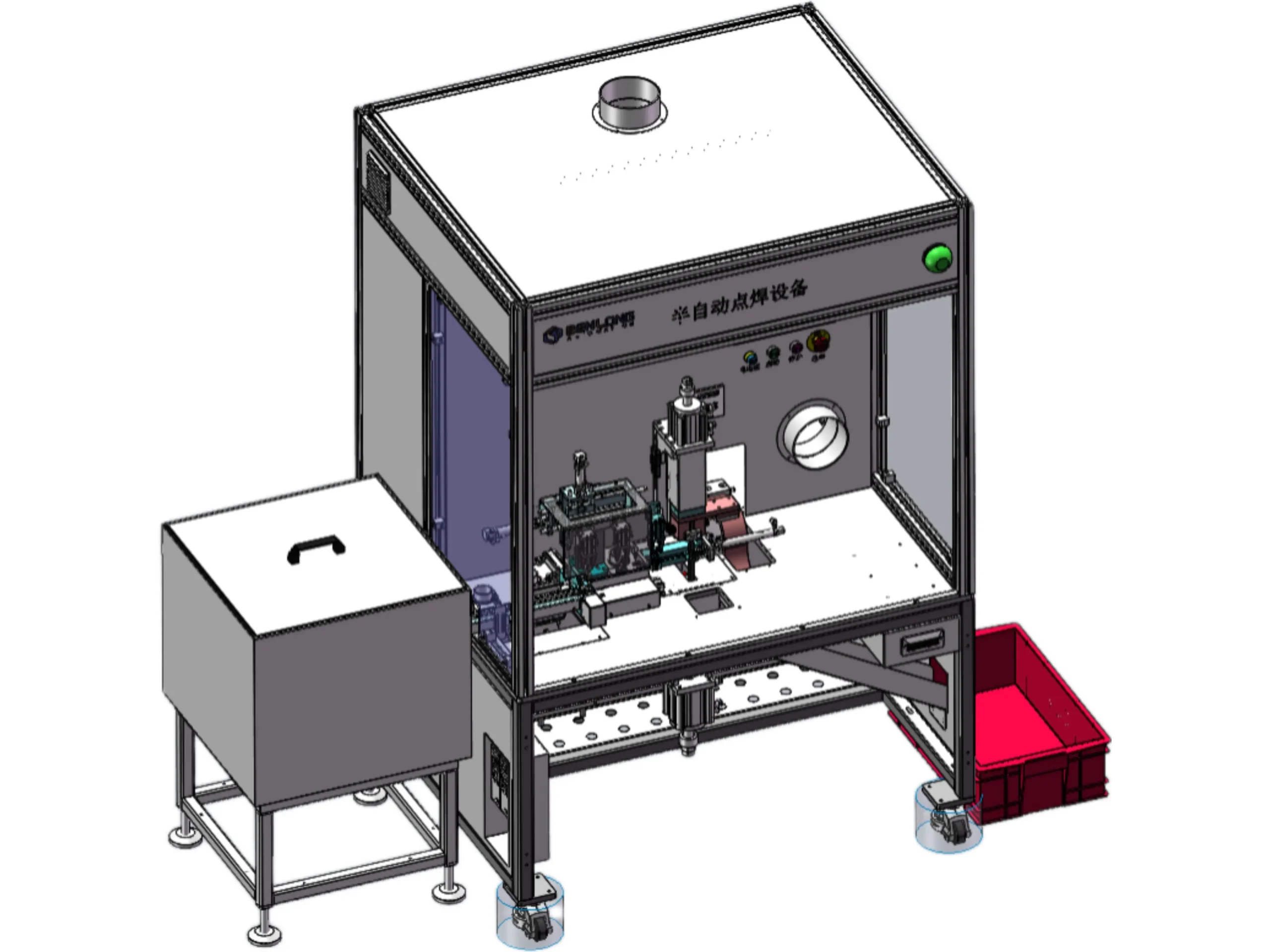
Semi automatic welding machine
View Details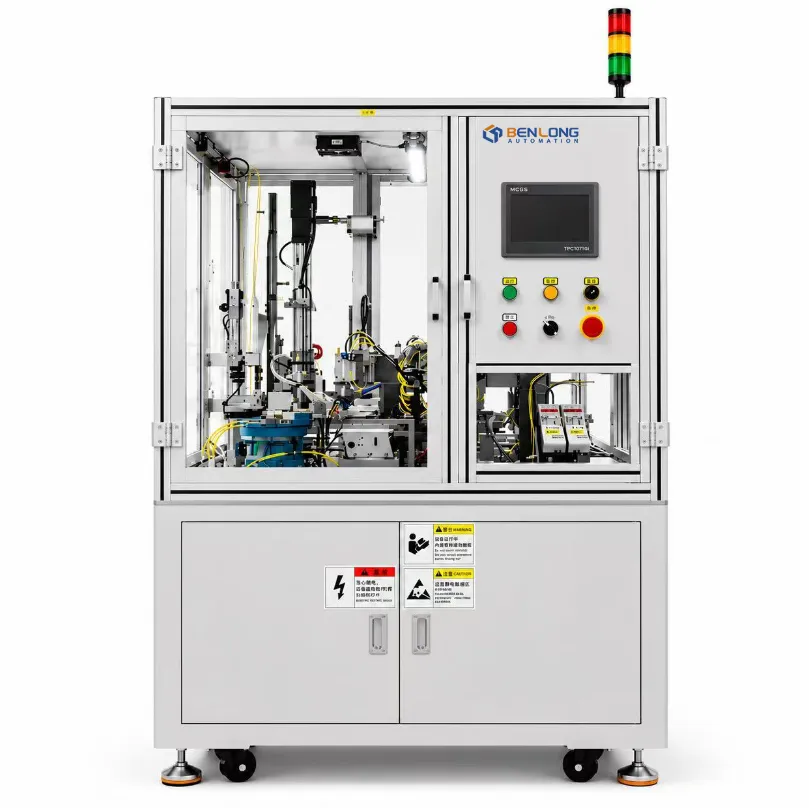
Delay Tube + Pole shoe automatic welding machine
View Details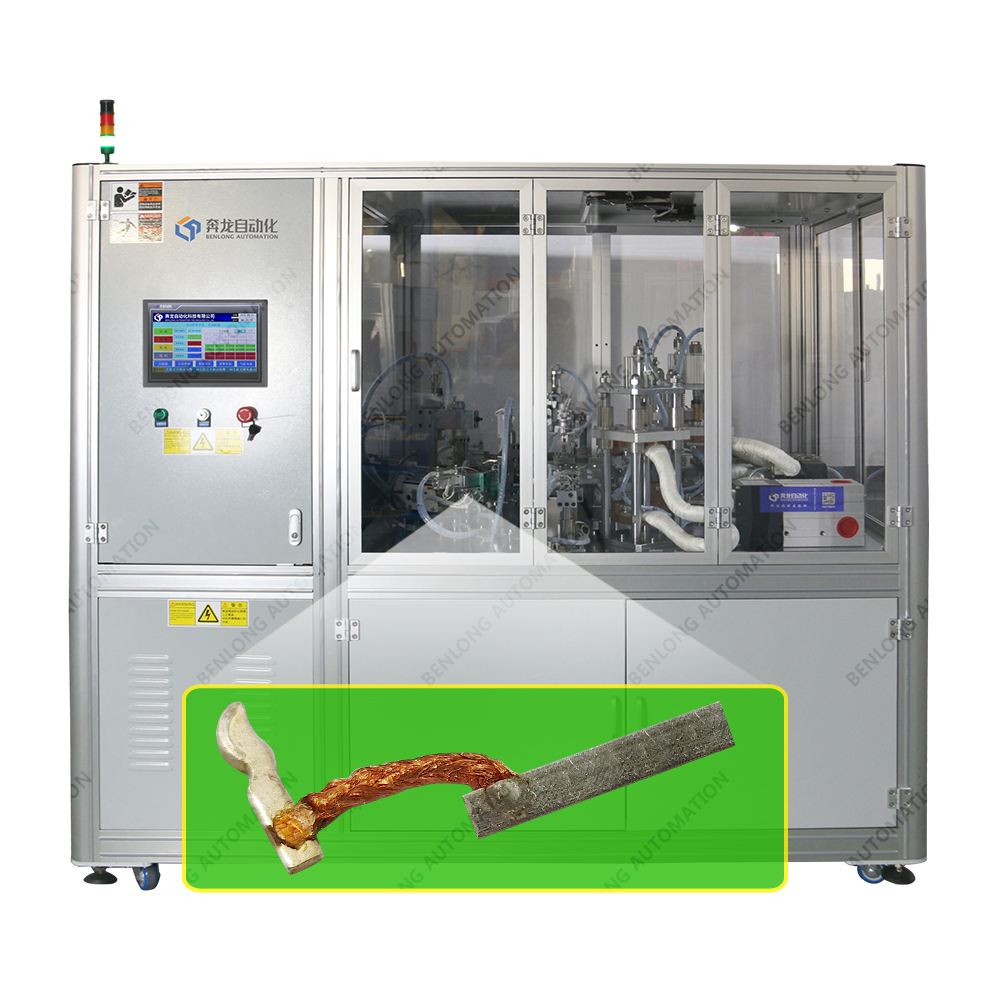
MCB Bimetallic + Moving Contact + Copper Braid Automatic welding machine
View Details
RCBO PCBA automatic soldering machine
View Details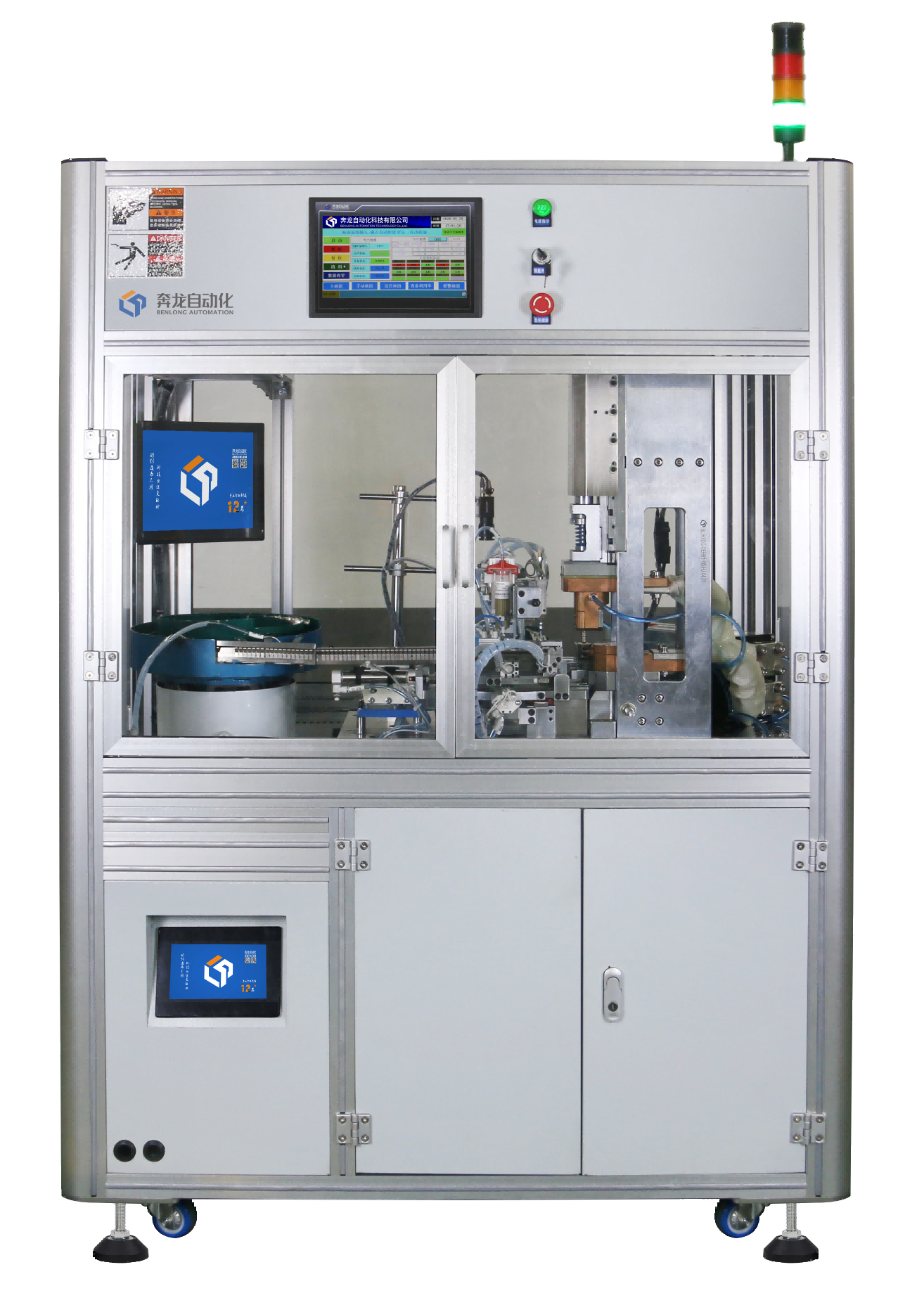
Silver dot + Contact automatic welding machine
View Details