benlong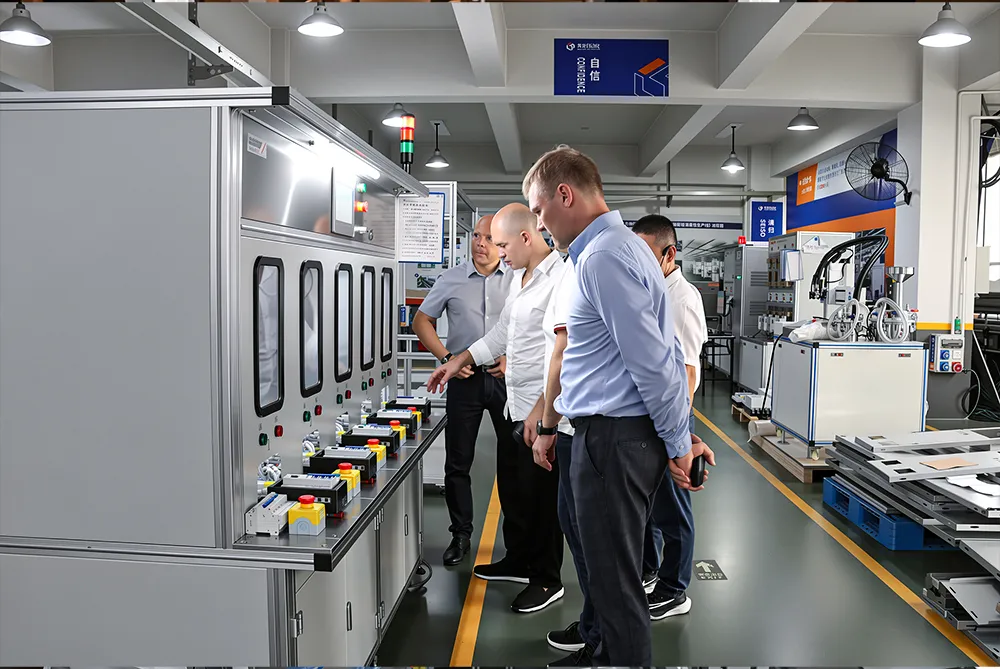

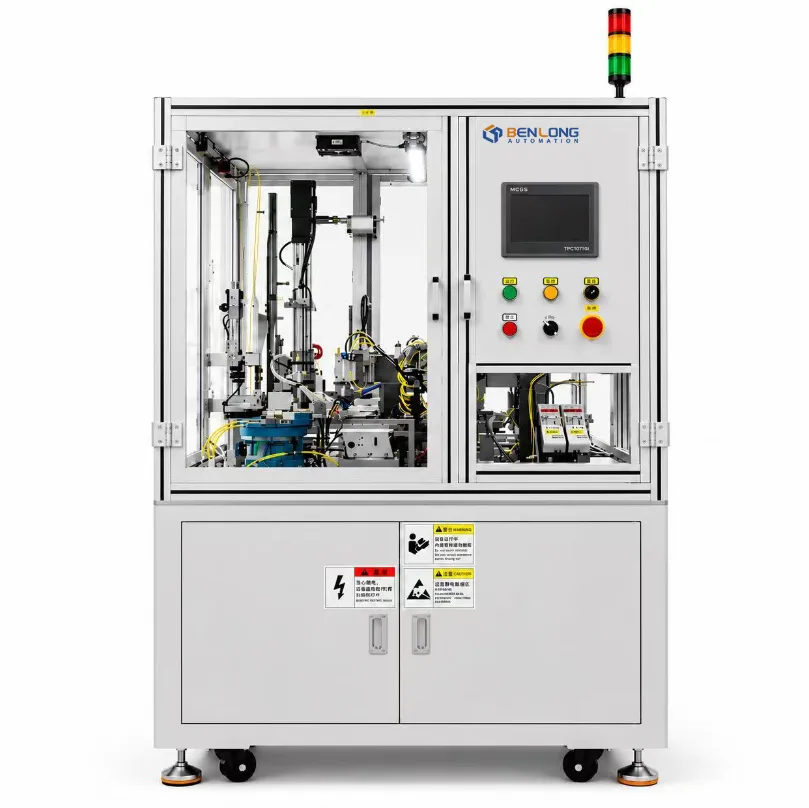
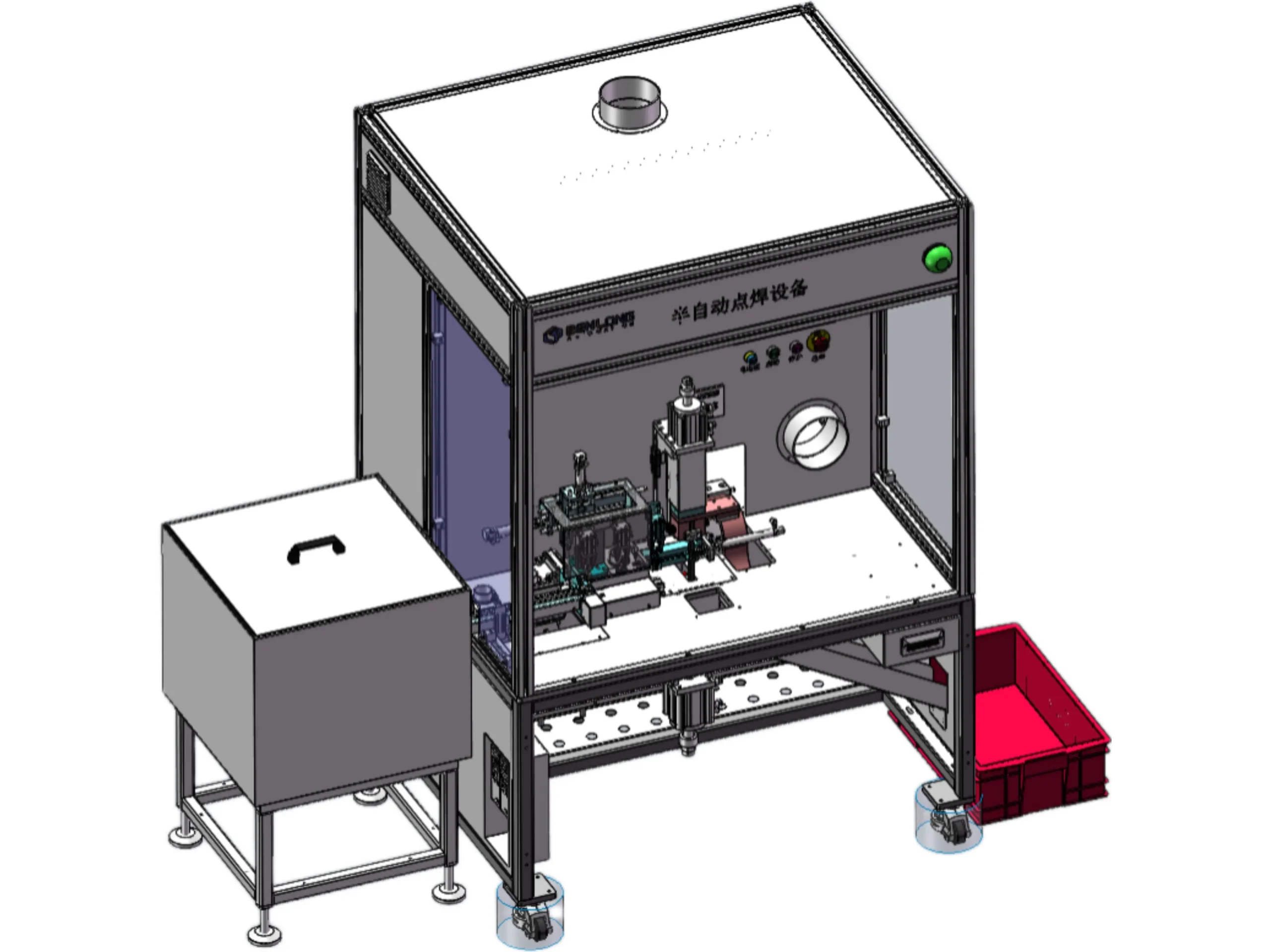
Delay Tube + Pole shoe automatic welding machine
The delay tube + pole shoe automatic welding machine completes the delay component of hydraulic magnetic circuit breakers: tray-fed infeed, vibratory pole shoe feeding with anti-drop vacuum handling, spring-presence detection before welding, and DC resistance welding — designed to run in line with our oil filling and assembly machine.
Delay Tube + Pole Shoe Automatic Welding Machine for Hydraulic Magnetic Circuit Breakers
The delay tube + pole shoe automatic welding machine completes the delay component of a hydraulic magnetic circuit breaker: it automatically welds the pole shoe onto the oil cup shell assembly — a shell already filled with damping oil and fitted with its plunger and spring — using DC resistance welding. The operator places positioning trays of filled delay tubes onto the infeed conveyor; from there, infeed, pick-up, pole shoe feeding, detection, and welding all run automatically.
Two engineering details define this machine. First, every oil cup shell is checked for the presence of its internal spring before welding is enabled — an incomplete assembly is caught before the weld, not scrapped after it. Second, the pole shoe pick-up uses a vacuum system with a dedicated anti-drop design, eliminating the dropped-part stoppages that plague suction handling of small steel parts. Fixtures, electrode geometry, and welding parameters are customized to your part drawings.
Standard delivery: 80 working days | Spring-presence detection before welding | Anti-drop pole shoe handling
What is a Delay Tube + Pole Shoe Welding Machine?
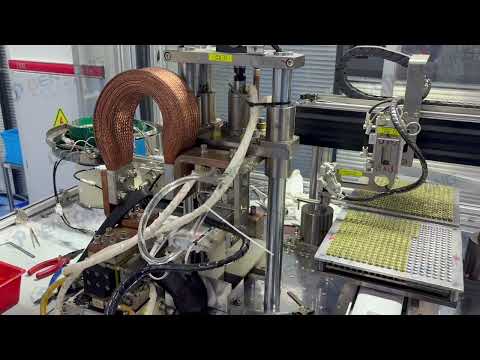
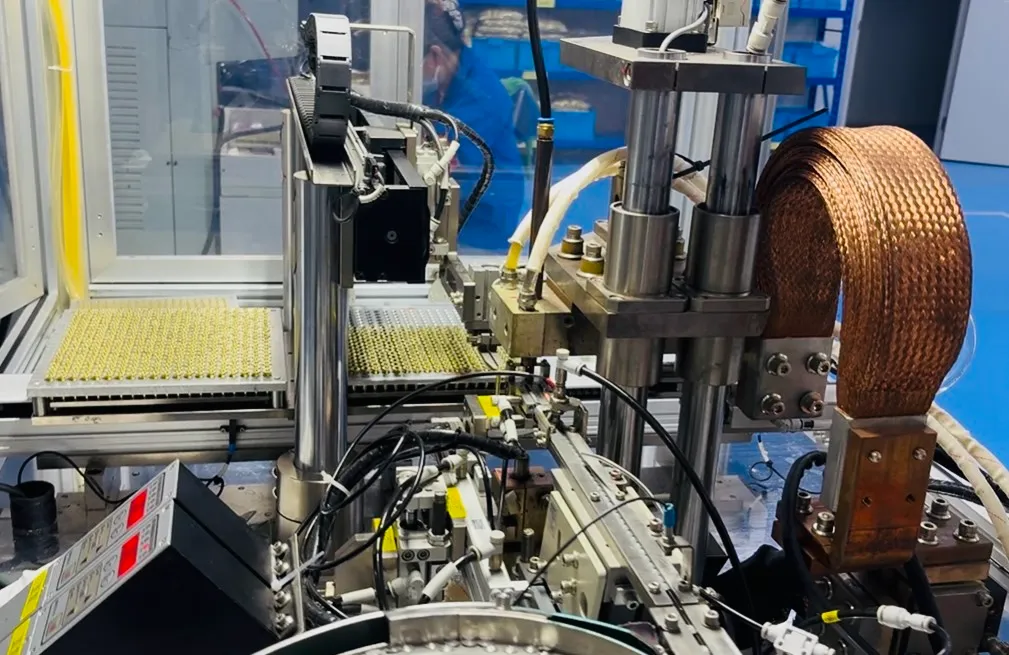
In hydraulic magnetic circuit breaker production, the delay tube (oil cup) is built up in stages: the shell is filled with a metered dose of damping oil, and the plunger and spring are assembled inside. The final step is welding the pole shoe — the magnetic-circuit component — onto the filled shell to complete the subassembly. This step carries a particular risk profile: by the time the assembly reaches the welding station, it already contains its oil fill and internal parts, so any unit welded in an incomplete state is an expensive scrap. A delay tube + pole shoe welding machine automates the step with that risk in mind. Filled delay tubes arrive in positioning trays — the operator places full trays onto the infeed conveyor, and a cylinder-driven gripper transfers each tube to the welding station. Pole shoes are oriented and fed by a vibration bowl, then picked up by a vacuum system with an anti-drop design that keeps the small steel part secure through the transfer. Before any weld is executed, a detection station verifies that the spring is present inside the oil cup shell; only complete assemblies proceed. The weld itself is DC resistance welding, applying controlled weld energy to join the pole shoe to the shell. Because the trays match the matrix output of the upstream oil filling and assembly machine, the two machines connect into a continuous delay tube production cell. As a non-standard custom machine, the tray interface, gripper fixtures, electrode geometry, and welding parameters are engineered around your specific component drawings.
Operator places full positioning trays on the conveyor; infeed and gripper transfer run automatically.
Every shell is checked for its internal spring before welding — incomplete assemblies never get welded.
Vacuum pick-up with a dedicated anti-drop design keeps the pole shoe secure during transfer.
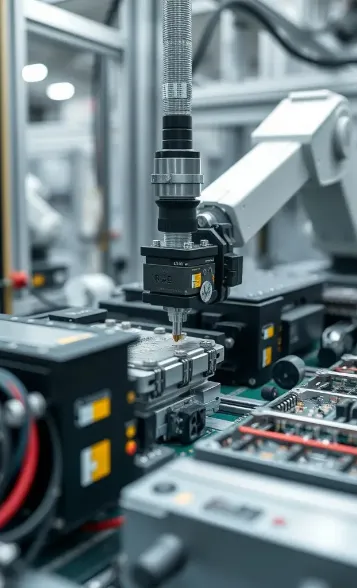
Controlled weld energy joins the pole shoe to the oil cup shell with stable, repeatable results.

Welding Process & Key Stations


Technical Specifications
| Applicable product | Delay tube (oil cup) assemblies of hydraulic magnetic circuit breakers — shell filled with damping oil, plunger, and spring — welded with the pole shoe |
|---|---|
| Welding technology | DC resistance welding |
| Delay tube feeding | Operator places positioning trays on the infeed conveyor; automatic infeed with cylinder gripper transfer to the welding station |
| Pole shoe feeding | Vibration bowl feeding to the welding station; vacuum pick-up with anti-drop design |
| In-line detection | Spring-presence check inside the oil cup shell before welding is enabled |
| Power supply | 380V, 50Hz, 10kW |
| Machine dimensions | L1600 × W1400 × H1900 mm |
| Delivery time | 80 working days |
Detailed Process Flow
The welding cycle runs in six automatic steps after tray loading:
- Tray loading – The operator places positioning trays of filled delay tubes onto the infeed conveyor.
- Automatic infeed & pick-up – The conveyor indexes the trays forward and a cylinder-driven gripper transfers each delay tube to the welding station.
- Pole shoe feeding – The vibration bowl orients and feeds pole shoes; the vacuum pick-up with anti-drop design transfers each pole shoe securely to the welding position.
- Spring-presence detection – Before welding, the detection station verifies the spring is present inside the oil cup shell; incomplete assemblies are rejected without being welded.
- DC resistance welding – The pole shoe is welded onto the oil cup shell with preset welding parameters.
- Unloading – The completed delay tube assembly is discharged and the cycle continues.
Core Technical Advantages (Custom Non‑Standard Design)
Detection before welding protects yield
A delay tube reaching this station already carries its oil fill, plunger, and spring — real invested value. Catching a missing spring before the weld means the assembly can be corrected; discovering it after welding means scrapping the whole filled unit.
Anti-drop handling for small steel parts
Suction handling of small, heavy steel parts like pole shoes is notoriously drop-prone. The dedicated anti-drop vacuum design keeps the part secure through the transfer, protecting both cycle time and the workpieces below.
Direct line integration with the oil filling machine
The tray-based infeed accepts the matrix tray output of the upstream oil filling and assembly machine, connecting the two processes into a continuous delay tube production cell without re-orientation or manual sorting.
Stable DC resistance welding
DC resistance welding applies controlled, repeatable weld energy to the pole shoe joint — consistent weld quality on an assembly whose delay characteristic has already been precisely set by the filling process.
















Applications and Integration
Custom Engineering & Delivery
Request a Custom Pole Shoe Welding Machine Quote
Send us your oil cup shell and pole shoe drawings, your tray specification, and your production targets. Our engineers will configure the infeed, feeding, detection, and welding stations around your exact component design.
WhatsApp: +86 150 5837 0007 | Email: xsb@benlongkj.cn | English & Chinese support
Why Choose Benlong for Welding Automation?
- 15+ years designing welding and assembly equipment for low‑voltage electrical products
- Pre-weld spring-presence detection engineered to protect the value already invested in filled assemblies
- Anti-drop vacuum handling for reliable pole shoe transfer
- Tray interface matched to the upstream oil filling and assembly machine for full line integration
- Global service and spare parts support
Typical Custom System Includes
Automatic welding equipment consisting of: · Infeed conveyor for positioning trays; Cylinder-driven gripper transfer; Vibration bowl pole shoe feeder; Vacuum pick-up with anti-drop design; Spring-presence detection station; DC resistance welding unit; PLC with HMI; Installation commissioning; One-year warranty
Frequently Asked Questions
It welds the pole shoe onto the oil cup shell assembly of a hydraulic magnetic circuit breaker delay tube — a shell that has already been filled with damping oil and fitted with its plunger and spring — using DC resistance welding. Fixtures and electrodes are customized to your part drawings.
Because the assembly already contains its oil fill and internal parts, a unit welded with a missing spring cannot be reworked — it becomes scrap, including the oil and plunger already invested in it. Detecting the spring before the weld means incomplete assemblies are rejected while they can still be corrected.
The pole shoe is picked up by a vacuum system with a dedicated anti-drop design that keeps the part secure through the transfer to the welding position — addressing the drop-prone nature of suction handling on small, heavy steel parts.
Yes — that is the intended configuration. The infeed conveyor accepts the positioning trays produced by the upstream oil filling machine’s matrix tray loading, so the two machines form a continuous delay tube production cell with the operator only moving trays between them.
Drawings or samples of your oil cup shell and pole shoe, your tray specification, target capacity, and your factory’s power supply conditions. Our engineers will then propose the machine configuration. Standard manufacturing delivery is 80 working days.
Related Products
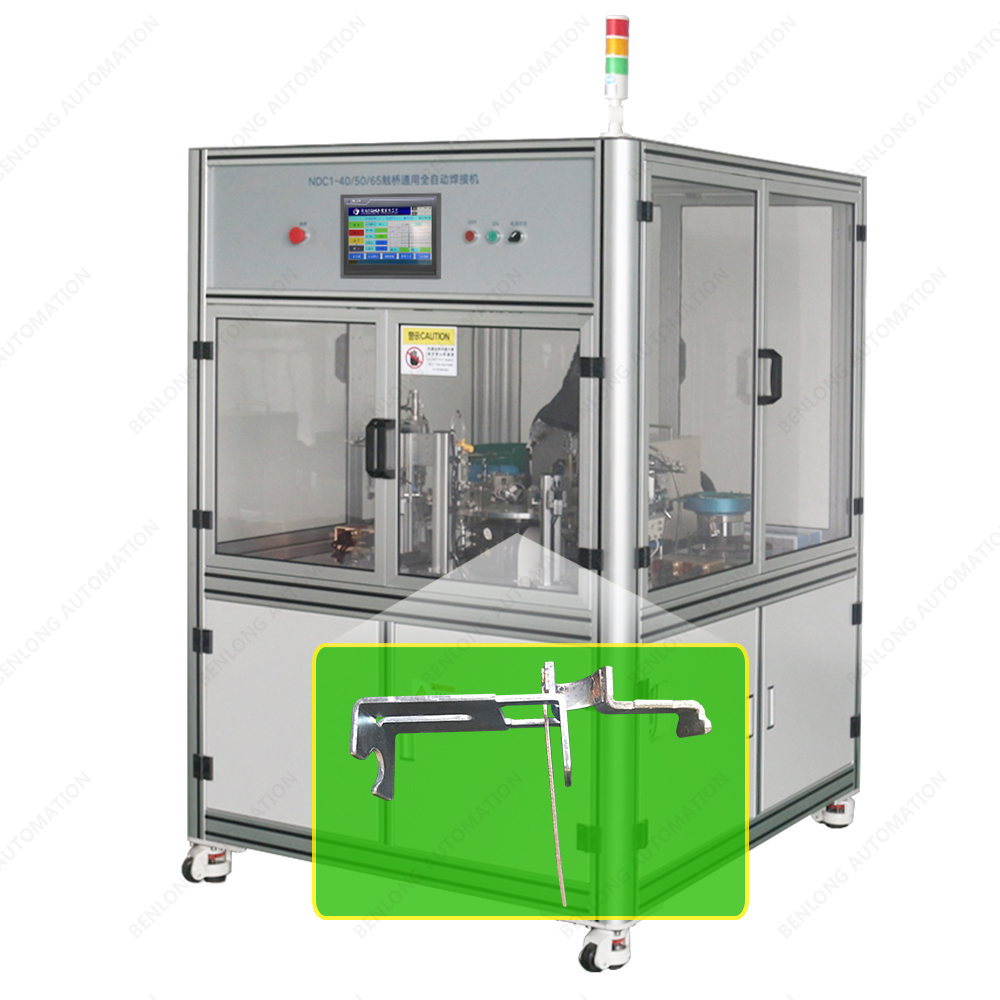
MCB Bi-metal Support Frame automatic welding machine
View Details
RCBO PCBA automatic soldering machine
View Details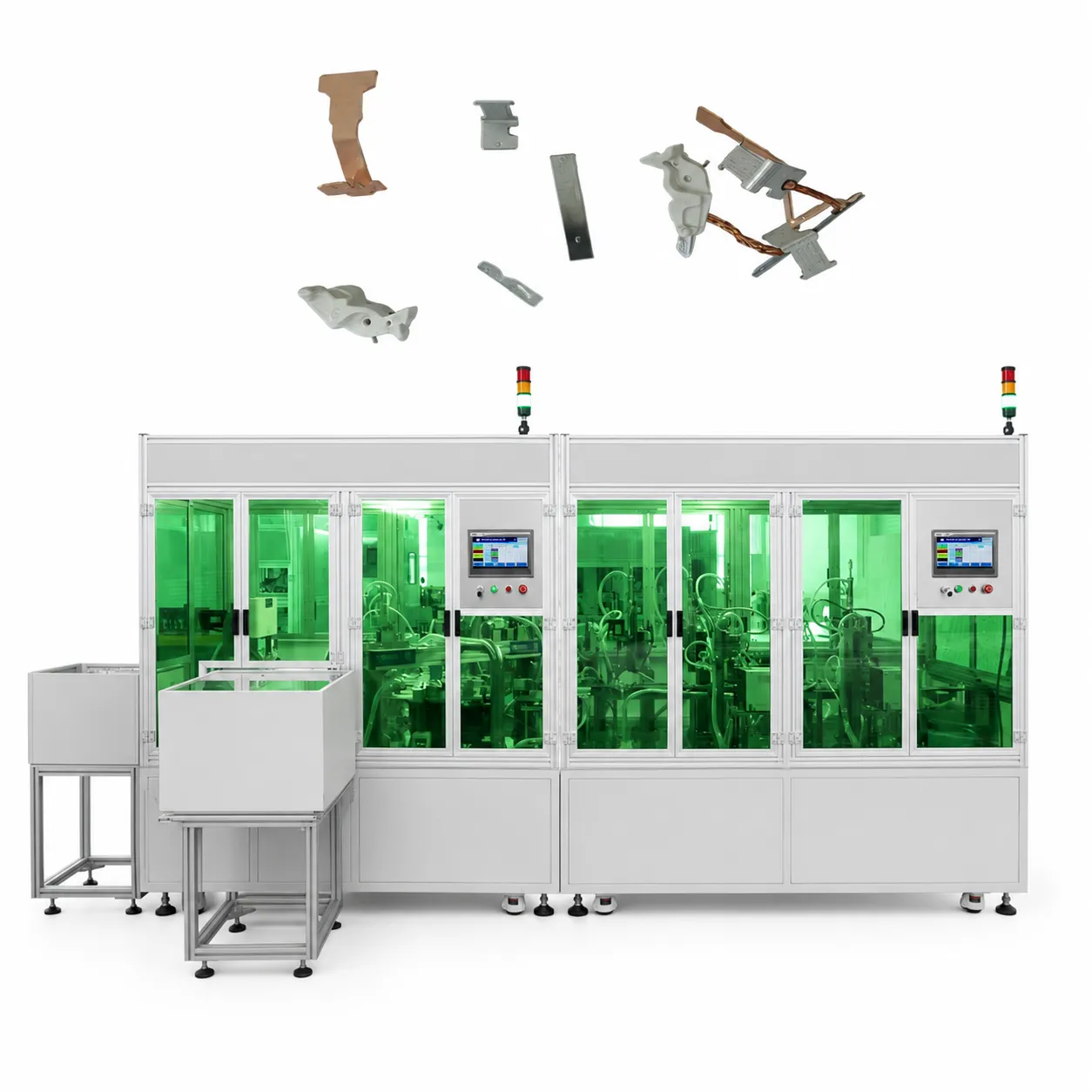
MCB thermal trip set automatic welding line
View Details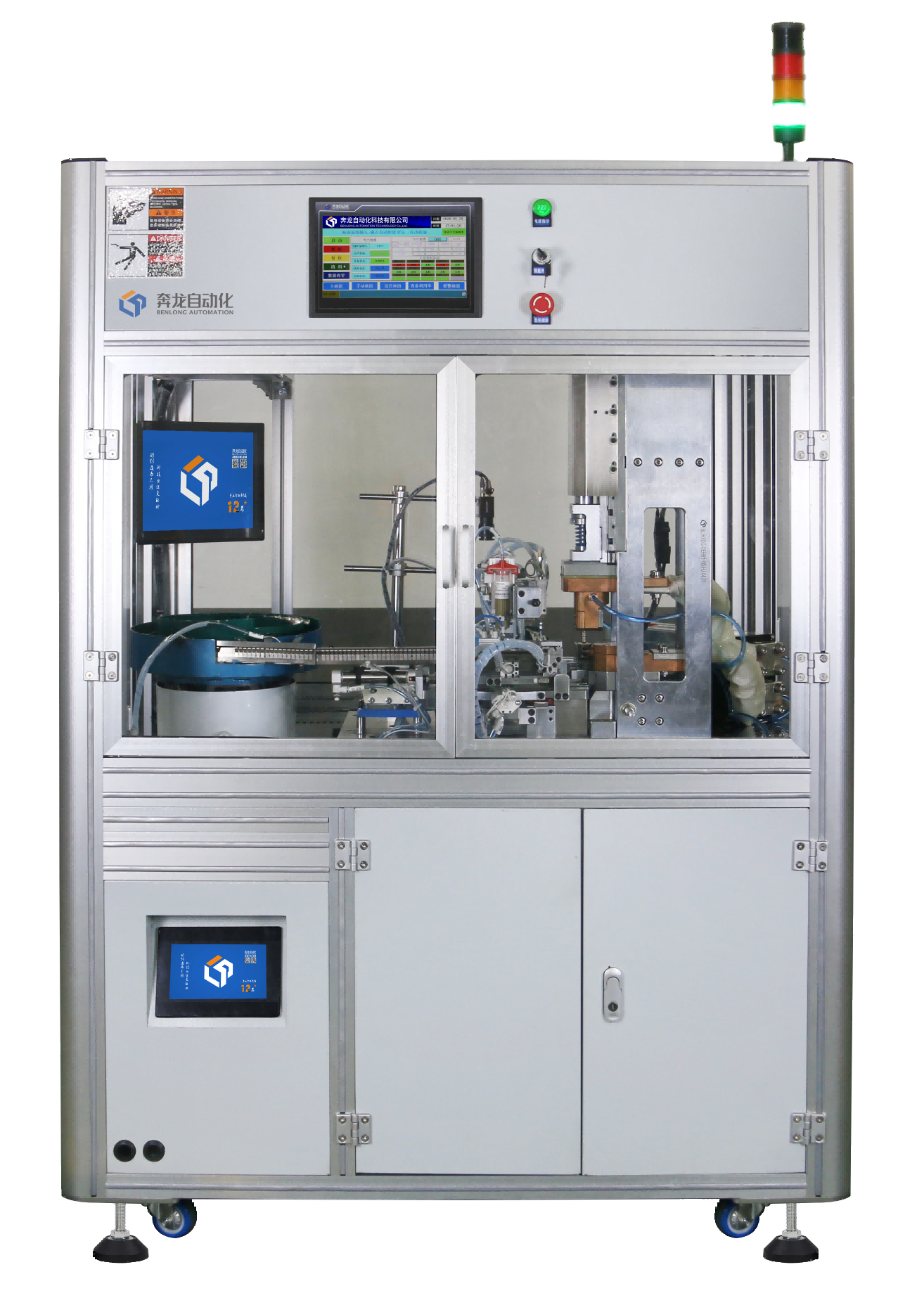
Sliver dot + Contact automatic welding machine
View Details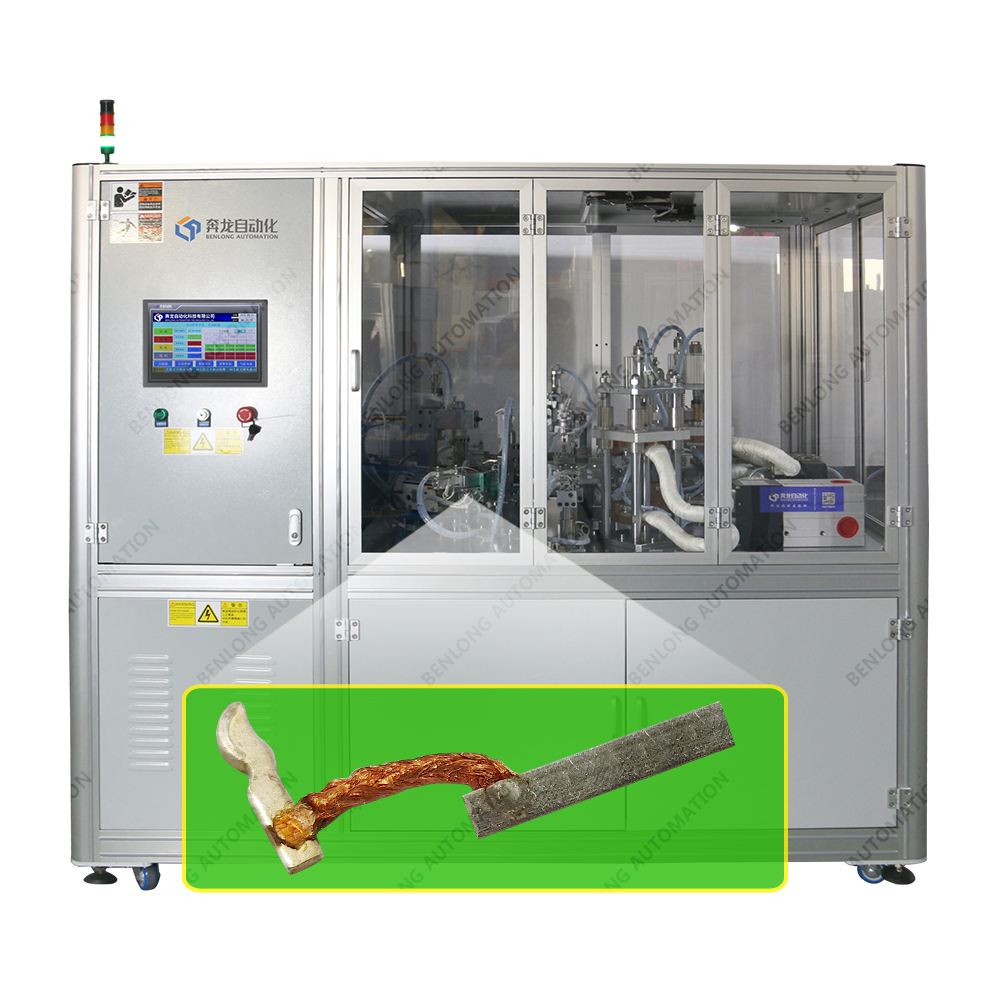
MCB Bimetallic + Moving Contact + Copper Braid Automatic welding machine
View Details