Benlong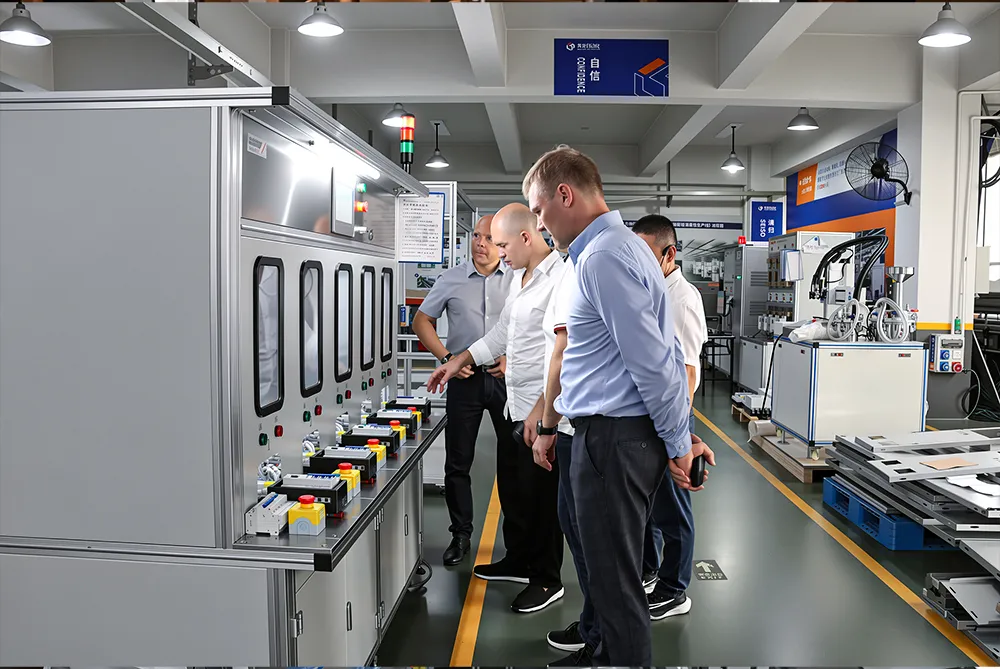
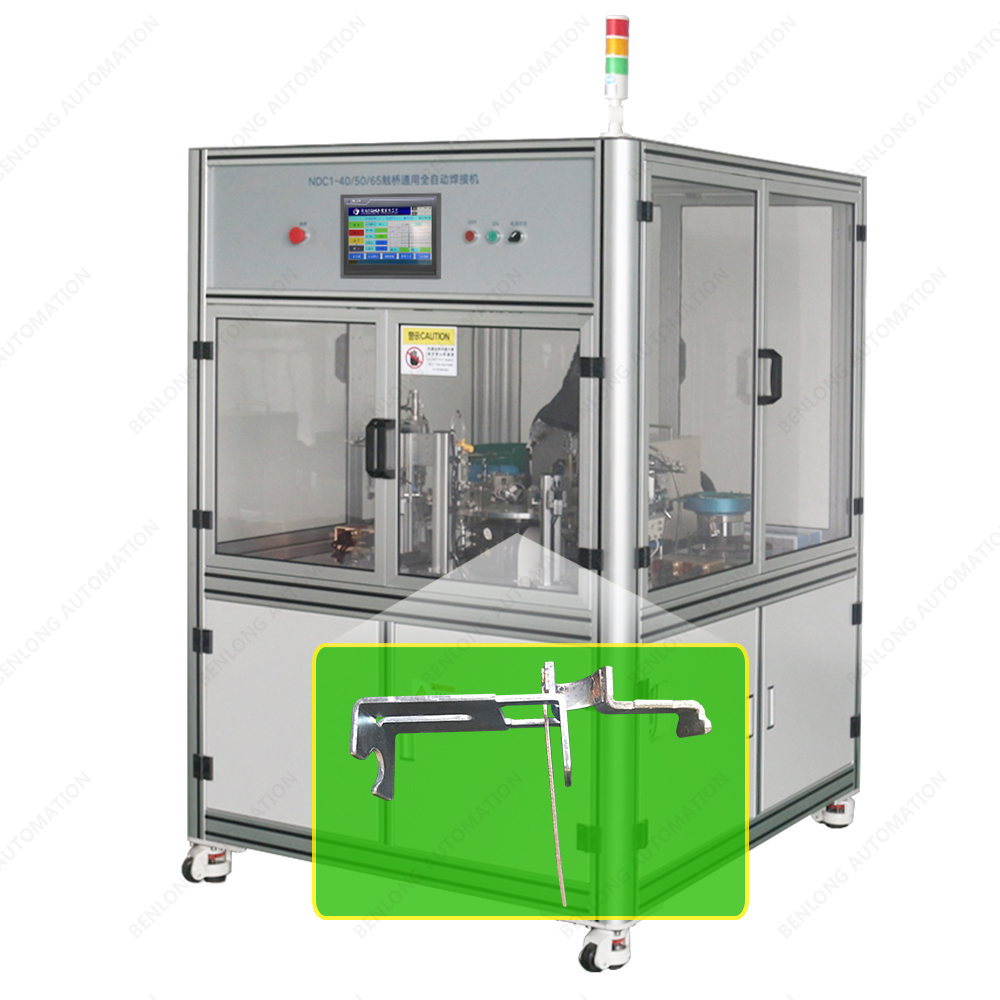
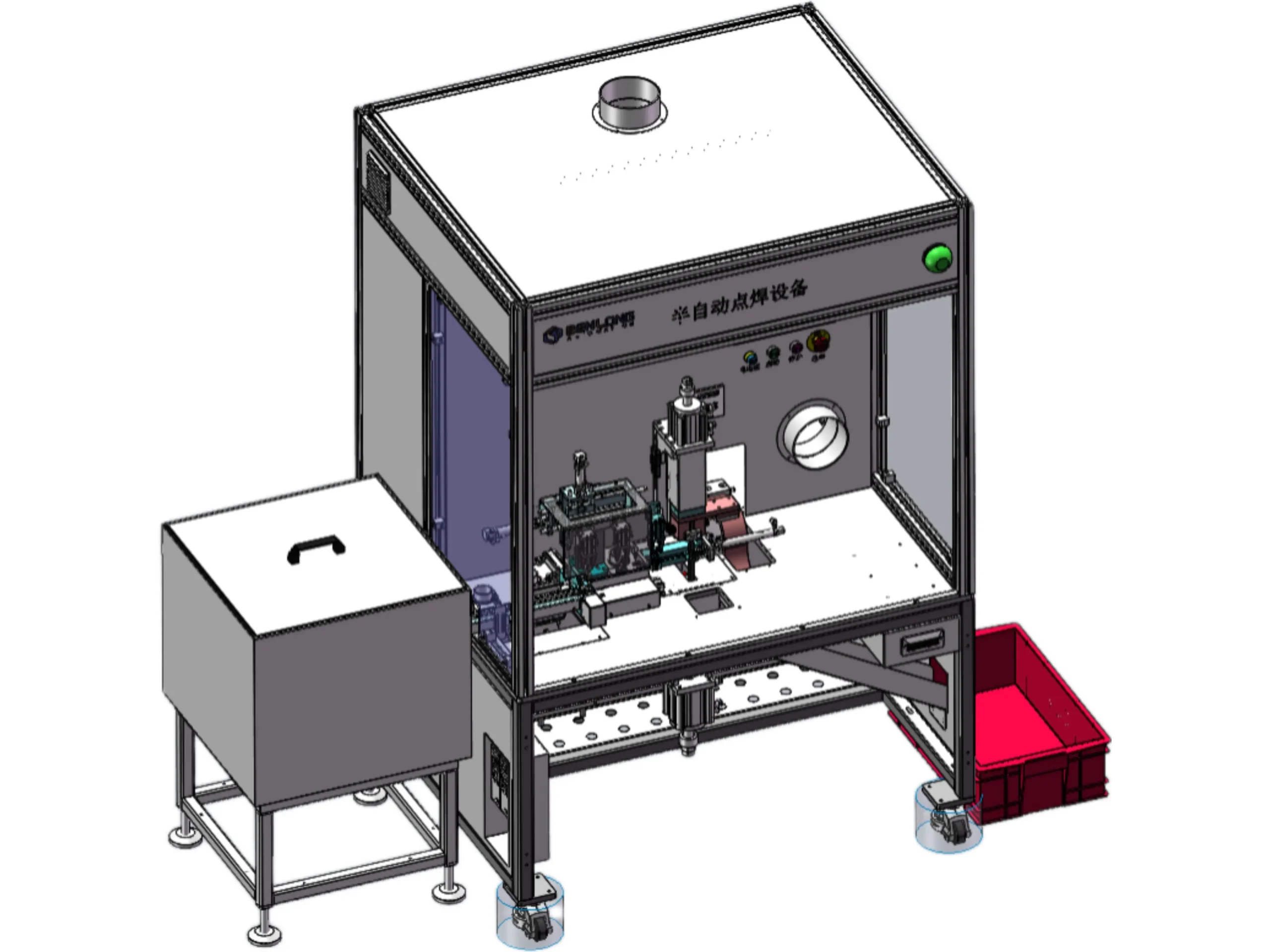
Mesin las otomatis rangka penyangga bimetal MCB
Mesin las otomatis Benlong MCB Bi-metal Support Frame – pengelasan resistansi presisi untuk strip bimetal. Akurasi ±0,05mm, 1.400-2.400 pcs/jam, pemantauan energi, sesuai dengan IEC 60898-1. Ideal untuk perakitan trip termal MCB volume tinggi.
Mesin Las Otomatis Rangka Penopang Bimetal MCB
Mesin las otomatis rangka penyangga bimetal MCB: Strip bimetal, yang merupakan komponen inti tak tergantikan dari mekanisme pemutusan termal MCB, dilas ke rangka penyangga atau pembawa dengan akurasi penyelarasan di bawah satu milimeter dan kekuatan sambungan yang sempurna, sehingga meningkatkan kinerja pemutusan akibat kelebihan beban pada pemutus arus miniatur.
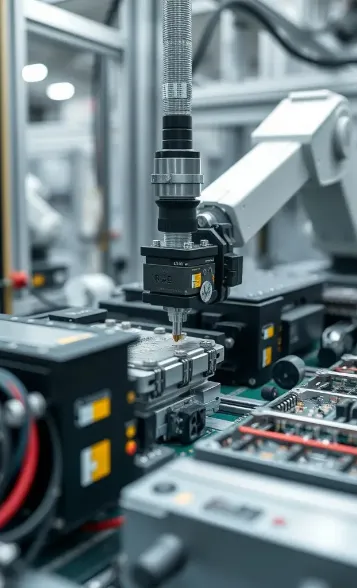
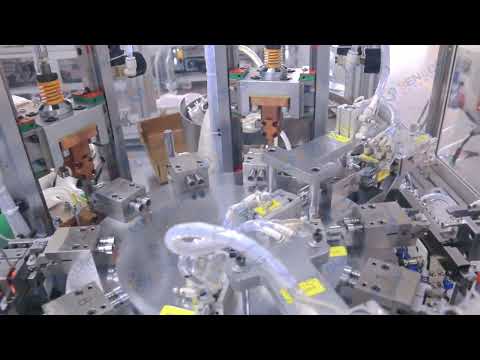
Hal ini mencakup penempatan benda kerja yang digerakkan oleh servo, sumber daya las yang dapat diprogram (pengosongan kapasitif atau inverter DC), pengumpan komponen mesin, penempatan yang akurat untuk strip bimetal, penyelarasan berdasarkan jarak yang telah disetel sebelumnya, penerapan energi las yang ditentukan, dan akhirnya verifikasi kualitas produk baik melalui uji tarik maupun pemantauan resistansi las. Seluruh siklus dikendalikan oleh PLC, dan parameter dapat dimasukkan untuk setiap jenis dan ukuran bimetal serta rangka penyangga yang berbeda. Hasilnya berkisar antara 1.200 hingga 2.000 lasan per jam dan cacat biasanya berkurang hingga nol.
Waktu tunggu: 30 hingga 45 hari. Ketepatan posisi dijamin dalam rentang ±0,05 mm. Waktu pemutusan termal memenuhi persyaratan IEC 60898-1.

Apa itu Mesin Las Otomatis dengan Rangka Penopang Bimetal MCB?


Mesin las otomatis rangka penyangga bimetal MCB. Mesin ini menyambungkan pita termal ke rangka penyangga logam (atau pembawa); ini merupakan subrakitan yang sangat penting dari unit pemutus termal pada pemutus arus miniatur. Strip bimetal akan berubah bentuk saat dipanaskan oleh arus kelebihan beban, dan posisi ini, bersama dengan integritas lasan, menentukan akurasi pemutusan (IEC 60898‑1). Ini adalah mesin pengelasan resistansi presisi (atau pengelasan pelepasan kapasitif) yang menghasilkan sambungan yang konsisten dan berresistansi rendah tanpa merusak bimetal. Fitur-fitur seperti penyelarasan bagian secara mekanis atau dengan panduan penglihatan, pengumpanan bagian otomatis, dan pemeriksaan kualitas selama proses (misalnya pemantauan gaya tarik atau energi las) tersedia, dan sistem ini dirancang untuk beroperasi 24/7 di pabrik-pabrik manufaktur MCB dengan volume produksi tinggi.
Sumbu yang dikendalikan servo menjamin akurasi penempatan las sebesar ±0,05 mm.
Pengosongan kapasitif atau inverter DC, dapat disesuaikan untuk ketebalan bimetal yang berbeda-beda.
Mangkuk getar atau pemuat nampan untuk strip bimetal dan rangka penyangga.
Pengukuran gaya las atau resistansi (opsional); menolak rakitan yang tidak sesuai spesifikasi.
Fitur Mesin & Proses Pengelasan

Spesifikasi Teknis
| Jenis pengelasan | Pengelasan resistansi (pengosongan kapasitif atau inverter DC) |
|---|---|
| Ukuran strip bimetal yang dapat digunakan | Panjang 10–40 mm, lebar 3–12 mm, ketebalan 0,3–1,2 mm |
| Bahan rangka penyangga | Paduan tembaga, kuningan, atau baja (berlapis timah) |
| Ketepatan pengelasan | Ketepatan posisi ±0,05 mm |
| Waktu siklus pengelasan | 1,5–2,5 detik per perakitan (sekitar 1.400–2.400 buah per jam) |
| Rentang energi / arus pengelasan | 10 – 500 J (pelepasan kapasitif) atau 500 – 5.000 A (arus searah inverter) |
| Sistem kontrol | PLC (Siemens/Mitsubishi) dengan HMI, penyimpanan resep untuk hingga 20 model produk |
| Sistem pemberian makan | Pengumpan mangkuk getar (bimetal & rangka penyangga) atau penumpuk nampan |

| Pemantauan kualitas (opsional) | Monitor energi las, pengukuran resistansi, stasiun uji tarik pasca-las |
| Catu daya | 380V ±10% 50Hz | Udara terkompresi 0,5-0,7MPa |
Keunggulan Utama Pengelasan Bimetal Otomatis
Kinerja pemutusan termal yang konsisten
Posisi dan energi pengelasan secara langsung memengaruhi defleksi bimetal. Otomatisasi menghilangkan variasi yang timbul akibat pengelasan manual, sehingga memastikan setiap MCB terputus sesuai dengan kurva waktu-arus IEC-nya.
Target kualitas tanpa cacat
Pemantauan energi selama proses dan verifikasi uji tarik (opsional) langsung menyingkirkan sambungan las yang cacat, sehingga mengurangi kegagalan di lapangan yang disebabkan oleh sambungan bimetal yang longgar.
Pergantian cepat
Parameter berbasis resep dan elektroda las yang dapat diganti dengan cepat memungkinkan pergantian antara berbagai ukuran bimetal/rangka dalam waktu kurang dari 15 menit.
Kapasitas yang lebih tinggi
Pengelasan manual mampu menghasilkan 200–300 unit per jam; mesin ini mampu menghasilkan 1.400–2.400 unit per jam – peningkatan sebesar 600–800 unit.












Kisah Sukses Pelanggan
Sebuah produsen MCB di Vietnam mengalami kegagalan pengelasan bimetal sebesar 3% saat menggunakan sistem pengelasan resistansi manual, yang mengakibatkan penolakan akibat pemutusan termal pada tahap kalibrasi akhir. Dengan memanfaatkan mesin pengelasan otomatis kami, tingkat cacat turun menjadi 0,1%. Pemantauan energi otomatis juga memperhitungkan keausan elektroda dan memberi peringatan kepada operator mengenai kemungkinan penyimpangan sebelum standar kualitas sebenarnya tercapai. Peningkatan produksi bervariasi antara 800 hingga 2.000 rakitan las per shift, dan biaya peralatan tersebut akhirnya terbayar dalam waktu 8 bulan.
Sejak saat itu, pelanggan tersebut telah memesan tiga mesin tambahan untuk lini produksi MCB 2P dan 4P mereka.
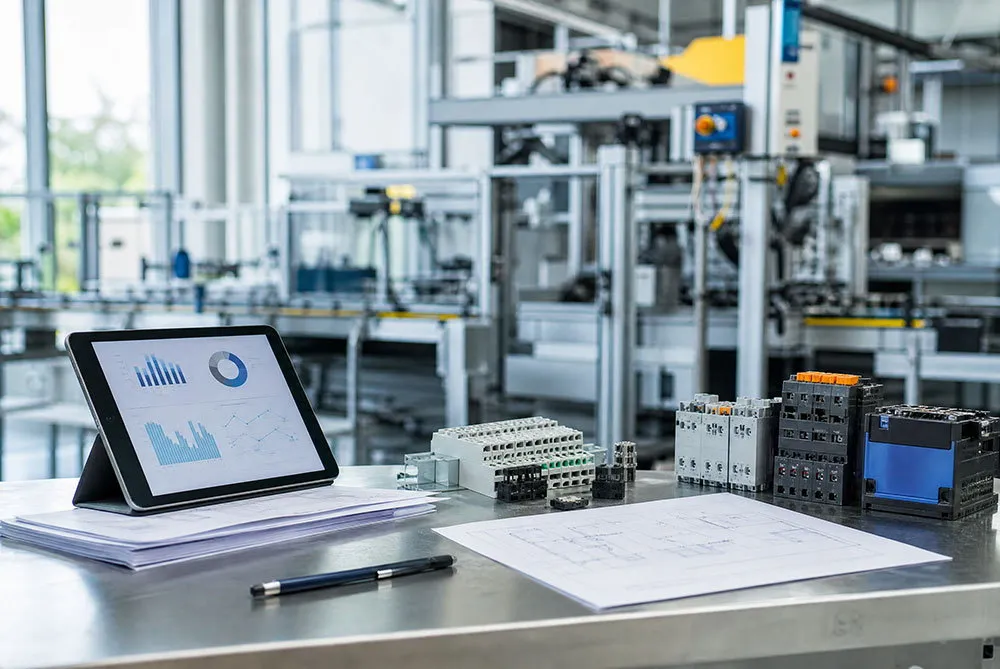
Aplikasi dan Integrasi
Pengiriman dan Pemasangan Standar
Ajukan Penawaran Harga Mesin Las Sesuai Pesanan
Kirimkan sampel strip dan rangka penyangga Anda beserta target produksi Anda, dan kami akan merekomendasikan teknologi pengelasan mana (pengelasan kapasitif atau inverter DC) yang paling sesuai untuk Anda serta menyajikan analisis pengembalian investasi (ROI).
WhatsApp: +86 150 5837 0007 | Email: xsb@benlongkj.cn | Dukungan Bahasa Inggris & Mandarin
Mengapa Memilih Benlong untuk Otomatisasi Pengelasan Bimetal?
- 15+ tahun mendesain Mesin las komponen MCB untuk rakitan pemutus termal
- Akurasi penempatan yang teruji ±0,05 mm
- Sumber daya las fleksibel (pengosongan kapasitif / inverter DC)
- Pemantauan energi selama proses dan integrasi uji tarik (opsional)
- Pemasangan di pabrik-pabrik MCB di seluruh Asia, Eropa, dan Amerika
Mesin Standar Termasuk
Sistem pemposisian yang digerakkan oleh servo · kepala las dengan kekuatan yang dapat diprogram · Catu daya DC tipe pelepasan kapasitif atau inverter · Pengumpan mangkuk getar (bimetal & rangka) · PLC dengan HMI (Siemens) · Selubung pengaman · Satu set elektroda las · Buku panduan pengoperasian · Garansi 1 tahun.
Pertanyaan yang Sering Diajukan
Pengelasan resistansi dengan metode pelepasan kapasitif (CD) atau arus searah inverter lebih disarankan. Pengelasan CD memfokuskan pulsa berenergi tinggi yang singkat sehingga meminimalkan zona terpengaruh panas, sehingga kurva kalibrasi bimetal tidak berubah. Arus searah inverter lebih mudah dikendalikan untuk bahan yang lebih tebal. Kami dapat merekomendasikan metode terbaik, tergantung pada ketebalan bimetal Anda dan bahan rangka Anda.
Sistem ini memberikan umpan balik melalui sistem pemantauan energi secara real-time yang membandingkan hasil pengelasan dengan profil energi yang tersimpan dalam memori. Jika hasil pengelasan tidak sesuai dengan tingkat energi yang diinginkan (misalnya karena elektroda yang aus), mesin akan memberi peringatan kepada operator atau secara otomatis melakukan penyesuaian. Fitur pengukuran resistansi pengelasan yang tersedia sebagai opsi memberikan kontrol tambahan pada proses tersebut.
Ya. Mesin ini memiliki nilai arus yang berbeda-beda, dengan menggunakan strip bimetal yang memiliki ketebalan dan lebar yang bervariasi. Mesin ini “menyimpan” “resep” pengelasan (posisi, energi, gaya, dll.) untuk setiap produk, dan waktu pergantian biasanya kurang dari 15 menit.
Setiap hari, bersihkan elektroda las dan periksa pasokan udara terkompresi. Setiap minggu, periksa kondisi elektroda yang telah digunakan dan asah atau ganti elektroda yang sudah aus. Setiap bulan, bandingkan energi las dengan shunt referensi. PLC pada mesin juga memantau masa pakai elektroda dan memberi peringatan kepada operator saat waktunya untuk mengganti elektroda.
Stasiun uji tarik pasca-pengelasan bersifat opsional. Sebagian besar pelanggan mengandalkan pemantauan energi dan pengambilan sampel destruktif secara berkala. Namun, kami dapat menyediakan stasiun uji tarik inline yang secara otomatis mengambil sampel dengan frekuensi tertentu (misalnya, 1 dari setiap 500 sambungan las).
Produk Terkait

Mesin solder otomatis RCBO PCBA
Lihat Detail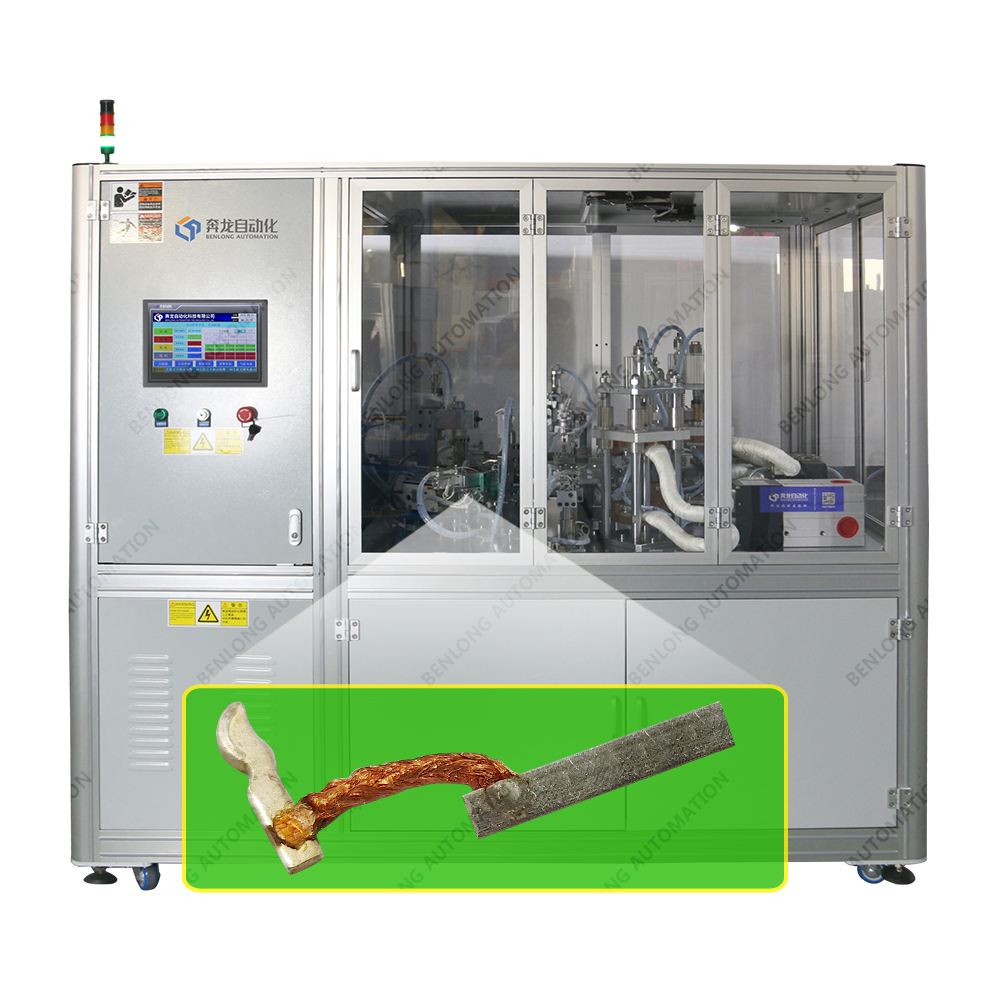
Mesin las otomatis MCB Bimetalik + Kontak Bergerak + Jalinan Tembaga
Lihat Detail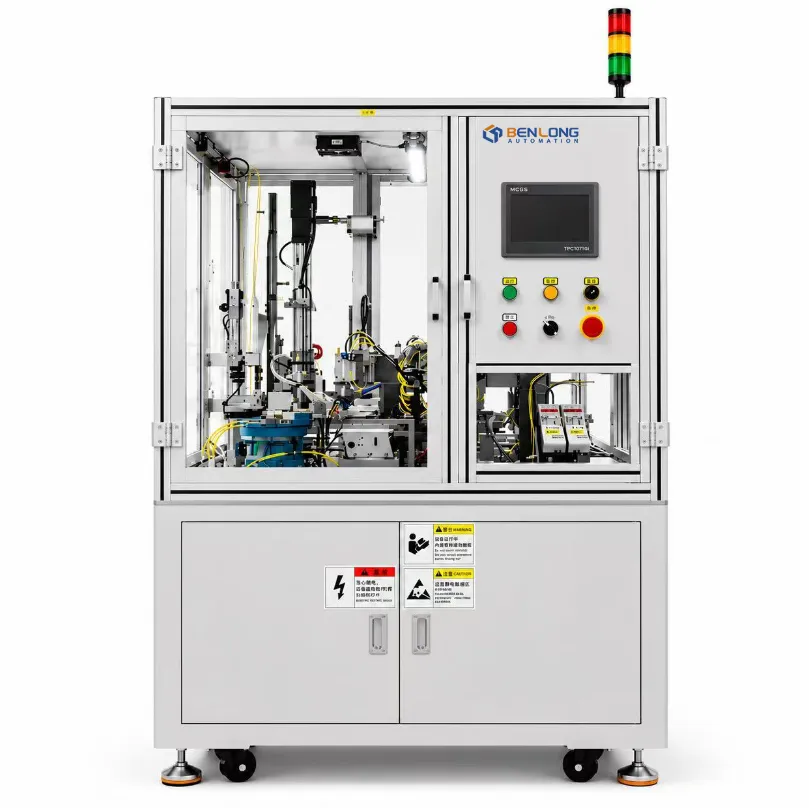
Mesin pengelasan otomatis tabung penunda + sepatu tiang
Lihat Detail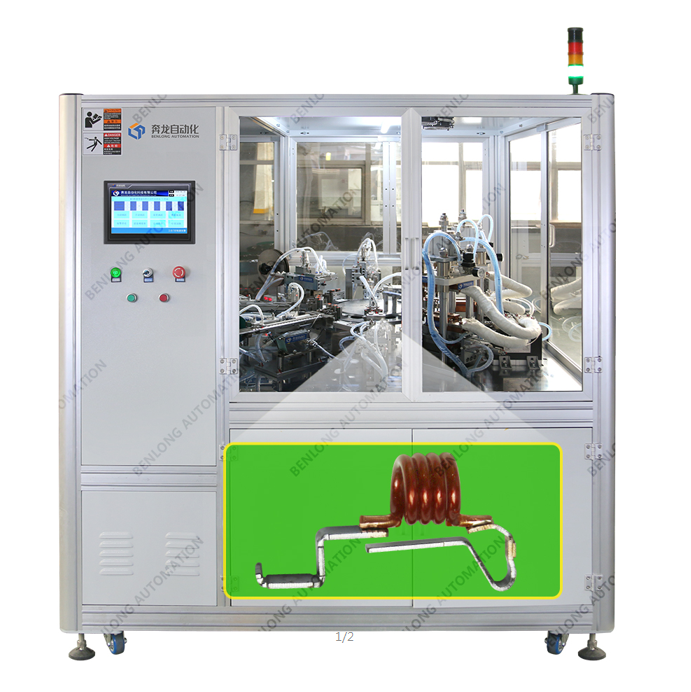
Mesin las otomatis set trip magnetik MCB
Lihat Detail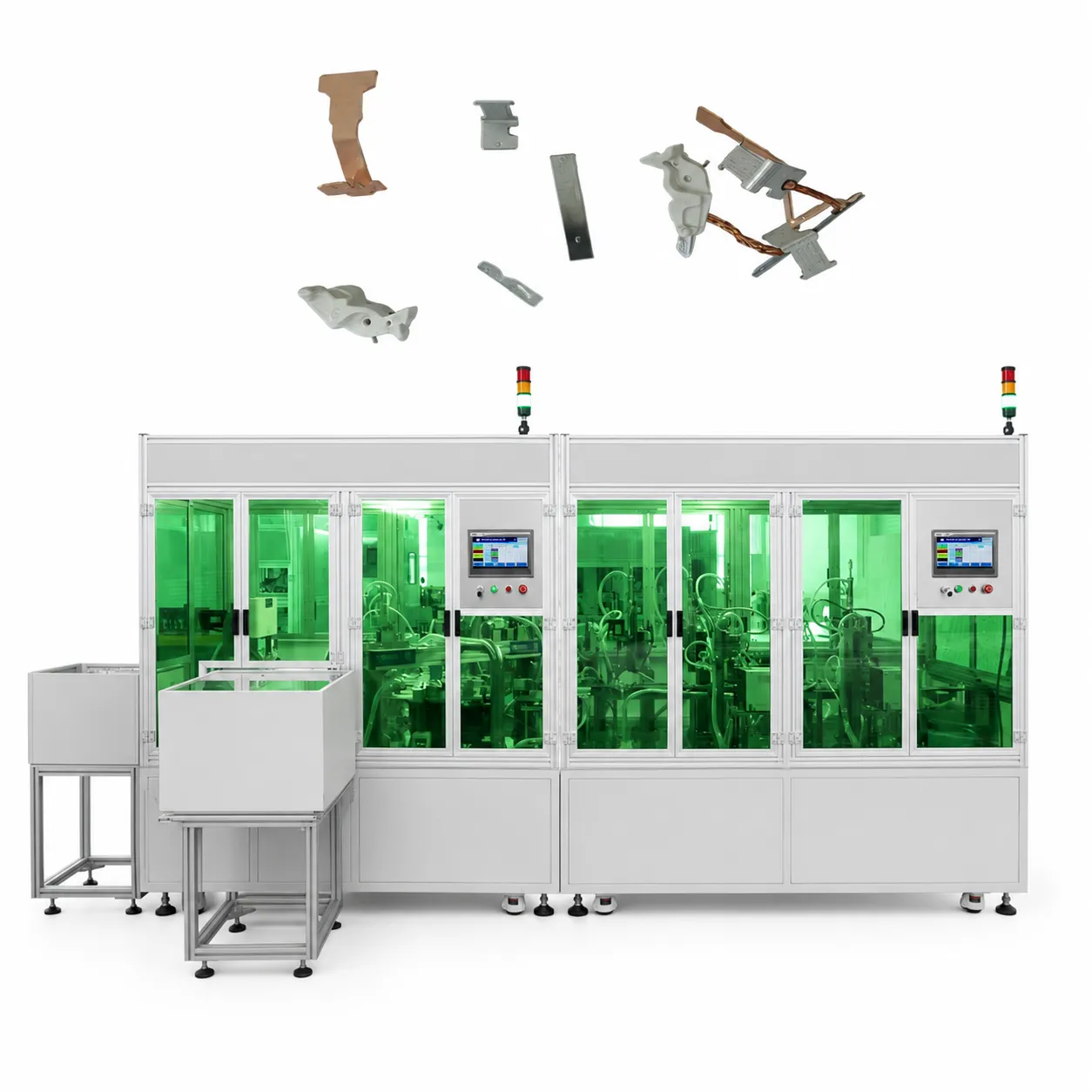
Jalur pengelasan otomatis set trip termal MCB
Lihat Detail