Benlong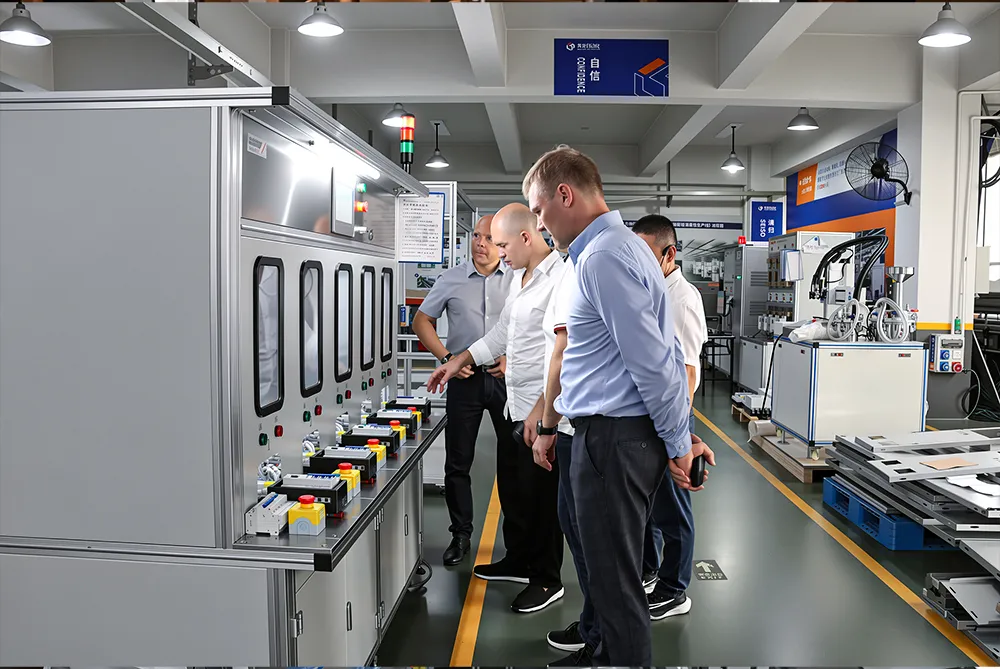

Jalur perakitan
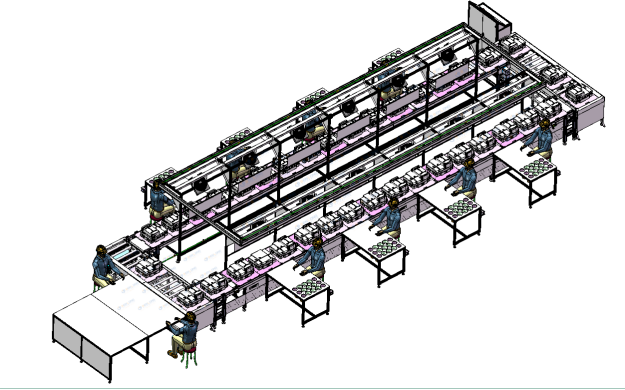
Lini perakitan modular yang dapat disesuaikan untuk industri otomotif, elektronik, makanan, dan industri umum. Sistem transmisi sinkron/asinkron, konveyor sabuk/rantai/rol, stasiun kerja yang dapat disesuaikan, serta siap untuk otomatisasi cerdas. Mengurangi waktu perakitan hingga 15%. Desain siap pakai.
Jalur Perakitan Modular & Dapat Disesuaikan untuk Produksi Campuran
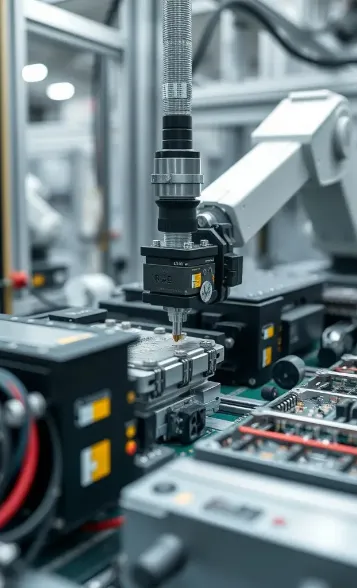
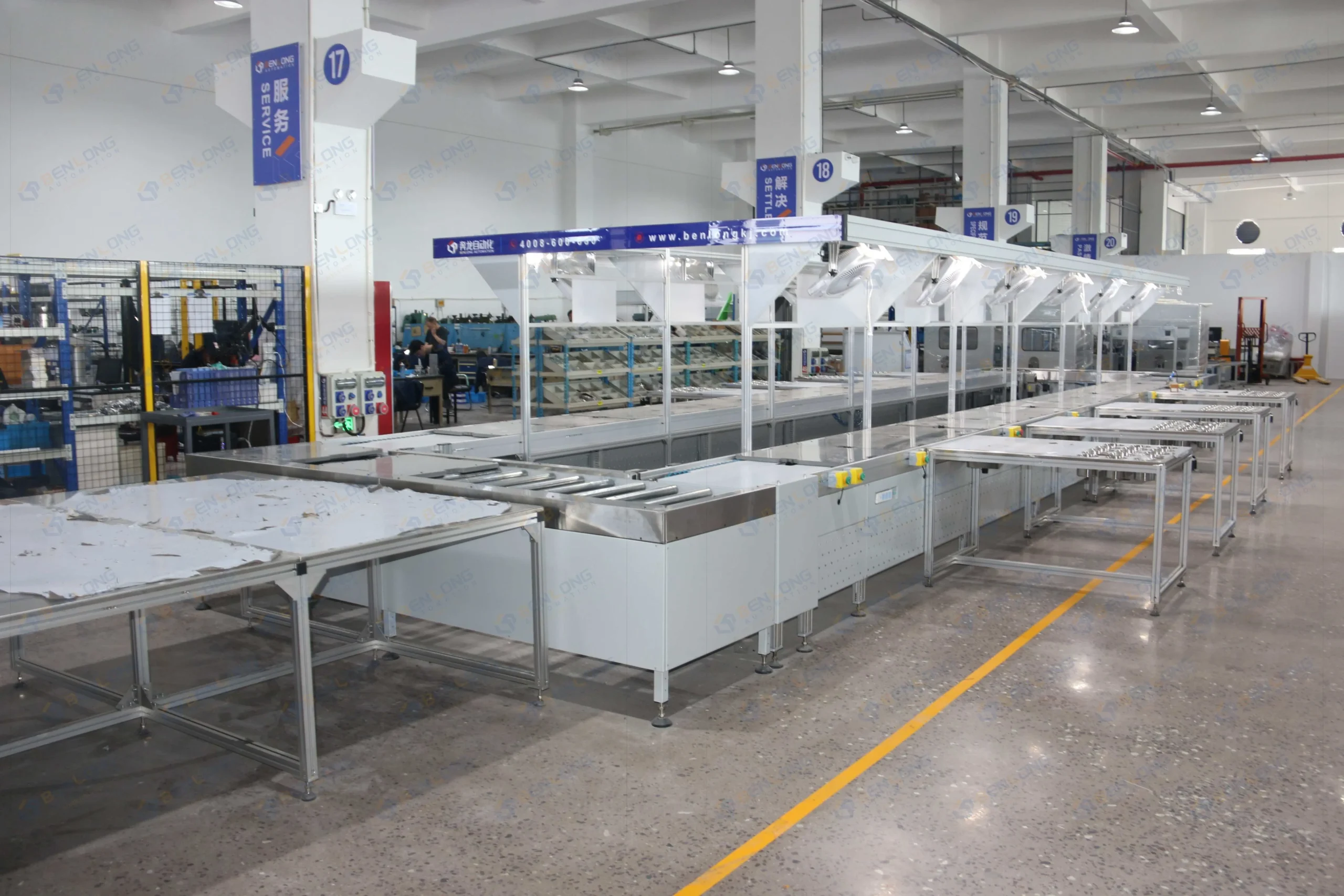
Peralatan ini terdiri dari komponen inti seperti komponen traksi, komponen penahan beban, dan perangkat penggerak. Berdasarkan metode pengangkutan, peralatan ini dapat dibagi menjadi tujuh kategori, termasuk konveyor sabuk, konveyor rantai pelat, dan konveyor rantai kecepatan ganda. Material sabuk meliputi jenis anti-statis dan tahan suhu tinggi. Spesifikasi konveyor mencakup parameter dasar seperti ketinggian permukaan kerja yang dapat disesuaikan sebesar 750±20mm, dan dapat diperluas dalam hal kapasitas pengangkutan dan jumlah stasiun kerja. Peralatan ini dilengkapi dengan komponen tambahan seperti kipas, lampu, dan soket. Perkembangan modern menunjukkan tren menuju manufaktur cerdas, dengan menggunakan teknologi seperti sistem pengencangan otomatis robotik, visi mesin AI, dan platform kembaran digital untuk mencapai kemampuan manufaktur yang gesit dengan penawaran tingkat detik dan pemrosesan pesanan tingkat menit. Beberapa lini produksi mengurangi jumlah pengencang hingga 20%-25% dan mempercepat waktu perakitan hingga 15% melalui pra-perakitan komponen dan desain modular.
Standar Pengiriman: 30 – 60 hari; Panjang dan jumlah stasiun kerja sesuai pesanan; Integrasi otomatisasi opsional.
Apa itu Jalur Perakitan?
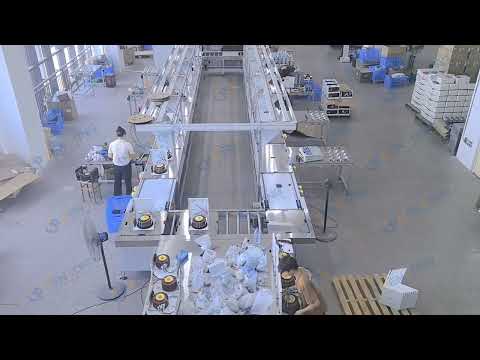
Jalur perakitan manufaktur adalah sistem yang mengambil barang setengah jadi dan memindahkannya melalui serangkaian stasiun kerja yang semuanya melakukan jenis operasi perakitan yang sama. Hal ini dapat dilakukan sepenuhnya secara manual, sebagian oleh mesin, atau sepenuhnya otomatis. Tergantung pada bagaimana produk dirakit, jalur perakitan menggunakan sistem konveyor (misalnya, sabuk konveyor, rol, rantai) untuk memindahkan produk dari satu stasiun kerja ke stasiun kerja lainnya dengan menggunakan berbagai perlengkapan dan alat. Jalur perakitan dapat dirancang untuk beroperasi secara sinkron (paksa) di mana semua stasiun berjalan dengan kecepatan yang sama atau secara asinkron (fleksibel) di mana beberapa material (penyangga) disimpan di antara stasiun kerja. Karena modularitas ini, panjang, jumlah stasiun kerja, jenis konveyor, dan semua jenis peralatan bantu (lampu, kipas, stopkontak) dapat disesuaikan dengan kebutuhan Anda. Perkembangan terkini dalam jalur perakitan meliputi penggunaan teknologi cerdas seperti obeng yang dikontrol torsi, peralatan inspeksi visual, dan pengumpulan/perekaman data untuk mempersiapkan Industri 4.0. Saat Anda mengembangkan lini produksi, biasanya desainnya dibuat khusus untuk produk Anda berdasarkan ukuran, waktu siklus, dan jumlah operator yang Anda perlukan untuk mengoperasikannya.
Pilih aliran material paksa (kecepatan tetap) atau fleksibel (dengan penyangga).
Sabuk, rantai pelat, rantai kecepatan ganda, rol, atau sesuai pesanan.
Menambah atau mengurangi stasiun; ketinggian dapat disesuaikan (750±20mm).
Mengintegrasikan pengencangan robotik, visi AI, kembaran digital, dan konektivitas MES.


Fitur & Konfigurasi Jalur Perakitan

Spesifikasi Teknis
| Jenis-jenis konveyor | Konveyor sabuk, rantai pelat, rantai kecepatan ganda, konveyor rol, sabuk plastik modular |
|---|---|
| Mode transmisi | Sinkron (dipaksa) / asinkron (fleksibel) / campuran |
| Pilihan bahan sabuk | Anti-statis, tahan suhu tinggi, aman untuk makanan, serbaguna. |
| Tinggi meja kerja | Dapat disesuaikan 750±20mm (atau sesuai spesifikasi pelanggan) |
| Jumlah stasiun kerja | Dapat diskalakan dari 2 hingga 50+ (desain modular) |
| Peralatan bantu | Lampu kerja LED, kipas angin listrik, stop kontak, penyeimbang perkakas, port pasokan udara. |
| Opsi otomatisasi cerdas | Penggerak sekrup otomatis robotik, inspeksi visi AI, pencatatan data torsi, simulasi kembaran digital. |
| Pengurangan pengencang (pra-perakitan) | Pengurangan 20-25% dimungkinkan; pengurangan waktu perakitan hingga 15% |
| Sistem kontrol | Kontrol PLC atau manual; konektivitas MES melalui OPC UA / Modbus |
| Catu daya | 380V ±10% 50Hz atau 220V (sesuai spesifikasi pelanggan) |
Keunggulan Teknis Inti
Transmisi fleksibel untuk produksi campuran
Mode asinkron memungkinkan produk hanya bergerak ketika suatu stasiun menyelesaikan pekerjaannya, sehingga mencegah kemacetan. Mode sinkron memastikan throughput tinggi untuk lini produk tunggal. Pilihan ini memaksimalkan OEE (Overall Equipment Effectiveness).
Desain modular mengurangi waktu tunggu.
Segmen yang telah dirancang sebelumnya memungkinkan kustomisasi yang cepat. Mengubah jumlah stasiun kerja atau menambahkan peralatan tambahan hanya membutuhkan waktu beberapa hari, bukan beberapa minggu. Perakitan komponen sebelumnya mengurangi jumlah pengencang sebesar 20-25% dan memangkas waktu perakitan sebesar 15%.
Manufaktur cerdas siap

Lini produksi dapat dilengkapi dengan sistem pengencangan otomatis robotik (dikontrol torsi), visi mesin AI untuk inspeksi kualitas, dan platform kembaran digital untuk simulasi offline. Data dari setiap stasiun dapat diunggah ke MES untuk ketelusuran penuh.
Penerapan yang luas di berbagai industri.
Mulai dari otomotif (perakitan sub-mesin) hingga elektronik (perakitan PCBA) hingga pengolahan makanan (lini pengemasan), lini ini beradaptasi dengan material konveyor yang sesuai (anti-statis, suhu tinggi, kelas makanan) dan aksesori stasiun kerja.
















Kisah Sukses Pelanggan – Perakit Elektronik
Sebuah perusahaan manufaktur elektronik kontrak membutuhkan lini produksi yang fleksibel untuk 20 keluarga produk (dengan ukuran dan waktu siklus yang berbeda). Benlong memiliki solusi rekayasa untuk lini asinkron modular dengan 15 stasiun kerja, sistem konveyor rantai kecepatan ganda, dan obeng pengontrol torsi terintegrasi. Hasil dari 4 bulan sebelumnya adalah sebagai berikut:
ROI (Return on Investment) lini produksi ini adalah 11 bulan, memungkinkan pelanggan untuk bereaksi terhadap perubahan volume pesanan tanpa perlu memodifikasi desain sistem.
Aplikasi dan Integrasi Industri
Layanan Rekayasa dan Pengiriman Sesuai Pesanan
Minta Penawaran Jalur Perakitan Kustom
Berikan kami ukuran produk, target produksi, dan persyaratan mesin, dan kami akan memberikan proposal untuk jenis konveyor yang sesuai, cara pengiriman produk, dan cara mengintegrasikan Unit Otomatisasi Ganda – ditambah analisis lengkap untuk perkiraan pengembalian investasi.
WhatsApp: +86 150 5837 0007 | Email: xsb@benlongkj.cn | Dukungan Bahasa Inggris & Mandarin
Mengapa Memilih Benlong untuk Jalur Perakitan?
- 15+ tahun mendesain jalur perakitan khusus untuk berbagai industri
- Arsitektur modular yang terbukti – dapat diskalakan dari 2 hingga 50 workstation.
- Pembuatan konveyor internal (sabuk, rantai, rol, kecepatan ganda)
- Siap untuk otomatisasi cerdas: pengencangan robotik, visi AI, pencatatan data.
- Dukungan layanan dan suku cadang global.
Lini Produk Khusus yang Umum Mencakup
Sistem konveyor (sabuk/rantai) · Meja kerja atau rangka yang dapat disesuaikan ketinggiannya · Aksesori stasiun kerja (lampu neon, kipas angin, soket atau stopkontak listrik, alat penyeimbang perkakas) · Penggerak tipe sinkron/asinkron · (Opsional) Panel kontrol PLC · Pelindung keselamatan Layanan yang Didukung dan Diantisipasi: Pelatihan Instalasi untuk Pelanggan tentang Pencegahan Kebocoran; Garansi Dua Belas Bulan
Pertanyaan yang Sering Diajukan
Semua item bergerak melalui proses secara bersamaan dan dengan kecepatan yang sama; ini adalah pendekatan yang sangat baik untuk mengkonversi produk tunggal di mana waktu di setiap stasiun seimbang (waktu untuk beroperasi di setiap stasiun sama).
Stasiun-stasiun individual beroperasi secara independen satu sama lain dan setiap produk hanya bergerak setelah produksi selesai di setiap stasiun. Terdapat penyangga di antara setiap stasiun; dengan ketentuan bahwa setiap produk yang dipindahkan melalui jalur produksi merupakan kombinasi dari berbagai jenis produk, atau memiliki waktu produksi yang berbeda di setiap stasiun tempat produk tersebut diproduksi.
Struktur modular memungkinkan perluasan hanya dengan menambahkan segmen konveyor dan stasiun kerja ke sistem Anda. Jika unit penggerak tambahan diperlukan atau perubahan pada unit penggerak dibutuhkan, ini juga dapat dengan mudah ditambahkan (biasanya membutuhkan waktu 2 – 4 minggu untuk perluasan).
Saat memindahkan barang yang lebih berat, kami merekomendasikan penggunaan konveyor rantai pelat atau konveyor rantai kecepatan ganda, sedangkan konveyor sabuk hanya boleh digunakan jika produk tidak melebihi 50 kg. Kita juga dapat menggunakan konveyor rol untuk memindahkan material.
Port I/O sudah termasuk standar dan koneksi Ethernet dapat disediakan untuk Modbus TCP dan Profinet. Ada berbagai cara untuk membuat robot melakukan pengambilan dan penempatan atau memicu dimulainya pengujian atau pengambilan, penempatan, dan pengujian. Ada sistem yang dapat kami berikan layanan integrasi penuh.
Waktu tunggu untuk jalur perakitan manual tanpa otomatisasi apa pun adalah empat puluh hingga empat puluh lima hari; untuk otomatisasi sebagian material melalui PLC dan alat pintar, waktu tunggu diperkirakan antara empat puluh hingga enam puluh hari; dan jalur perakitan yang sepenuhnya otomatis akan memiliki waktu tunggu tipikal sebagai aturan umum sekitar enam puluh hingga sembilan puluh hari.
Produk Terkait
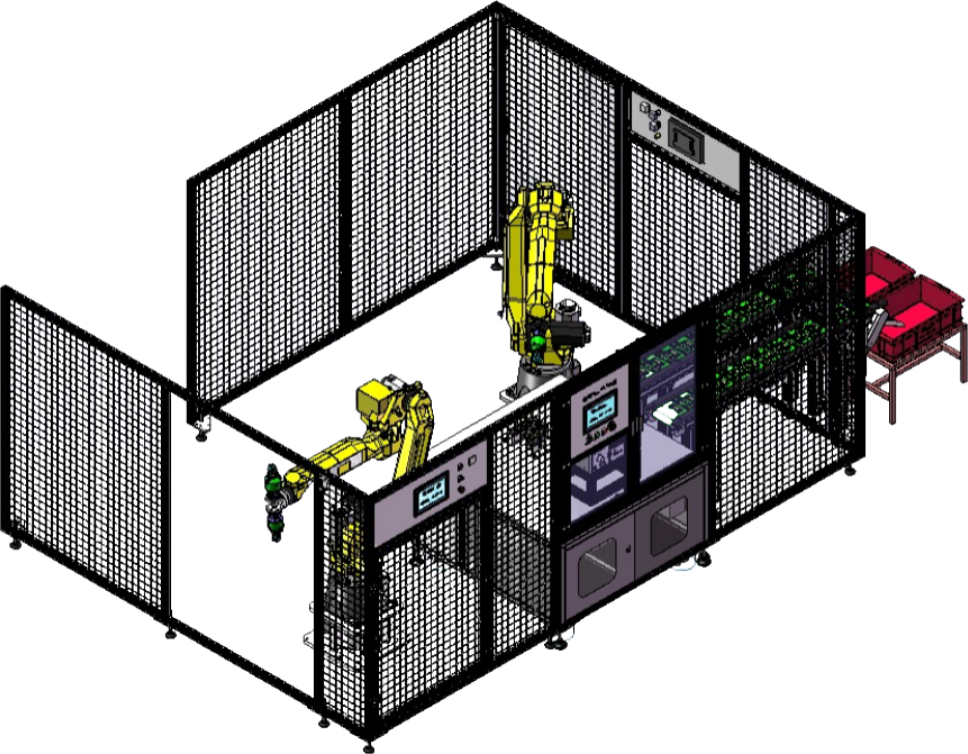
Sistem pemberian makan otomatis robot untuk mesin injeksi
Lihat Detail
Sistem Konveyor Otomatis untuk Komponen Sasis Otomotif
Lihat Detail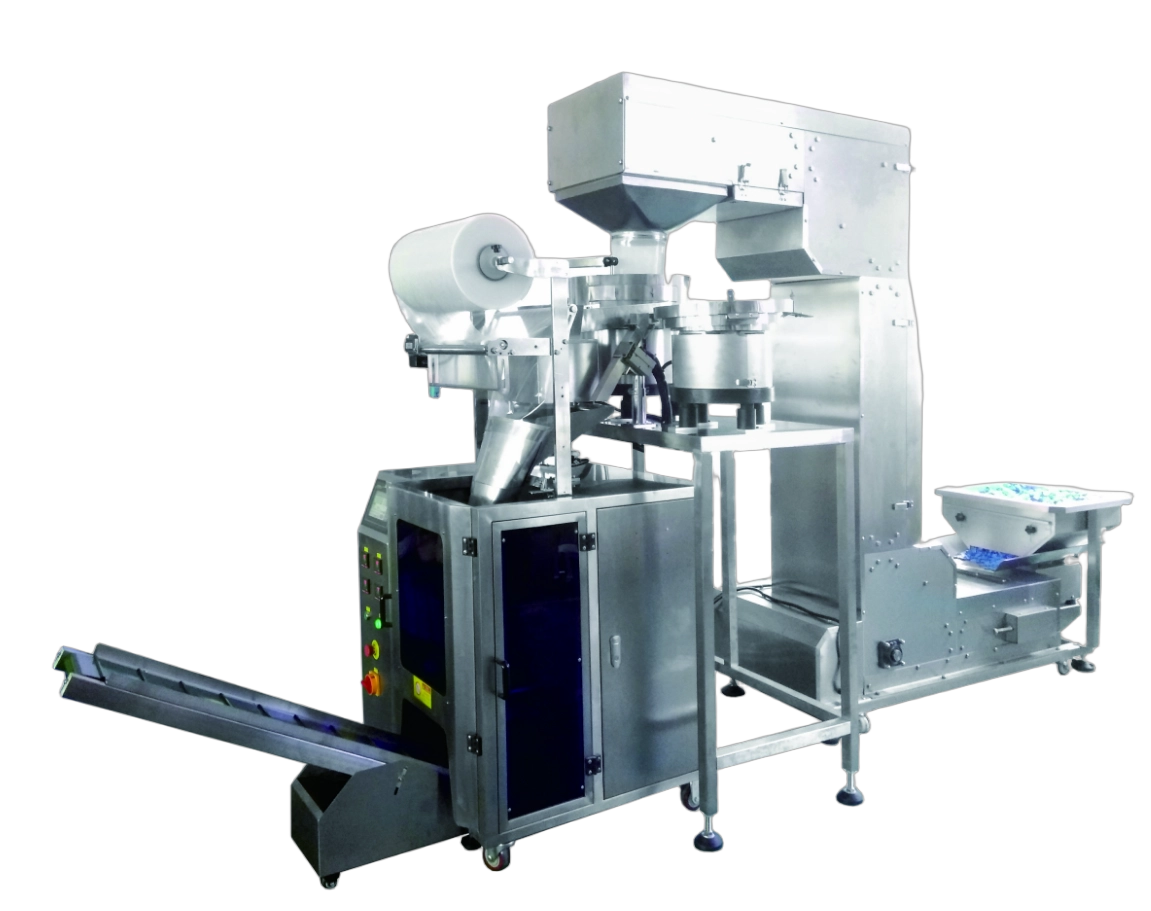
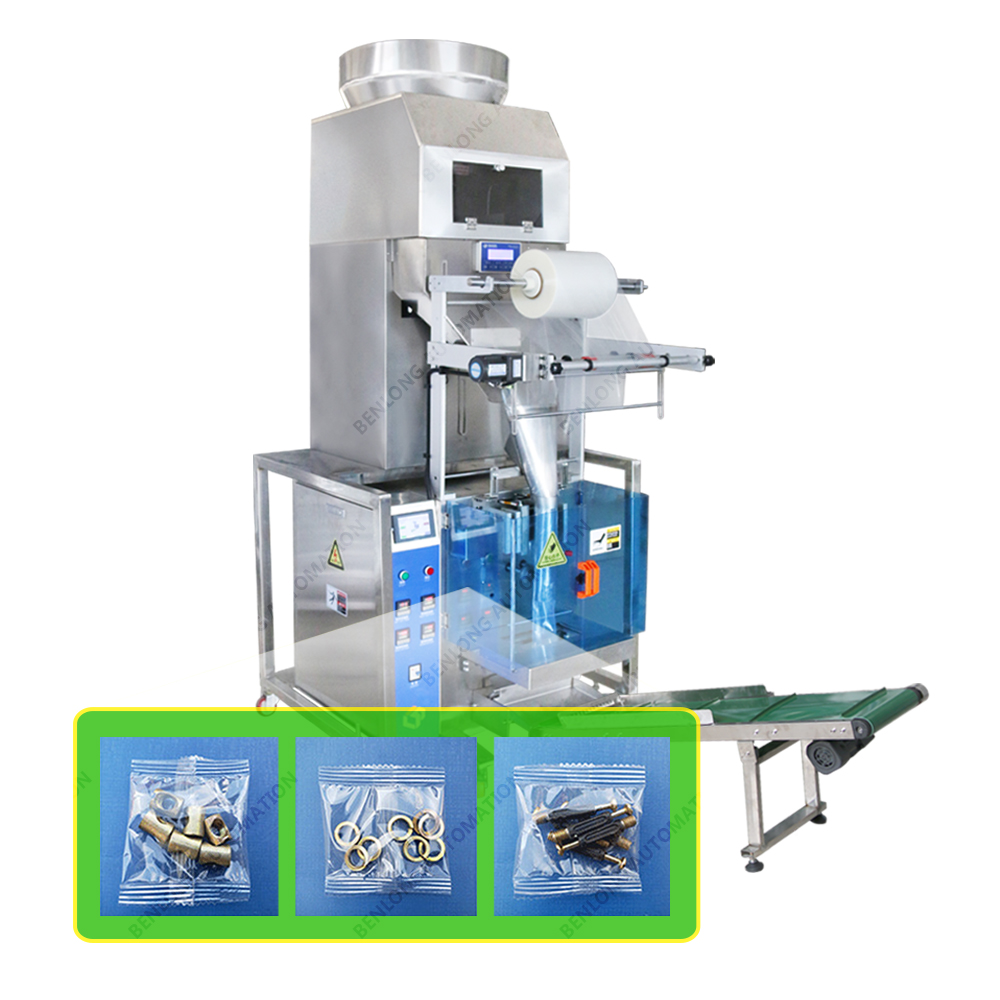
Mesin Penimbangan dan Pengemasan Otomatis Berpresisi Tinggi
Lihat Detail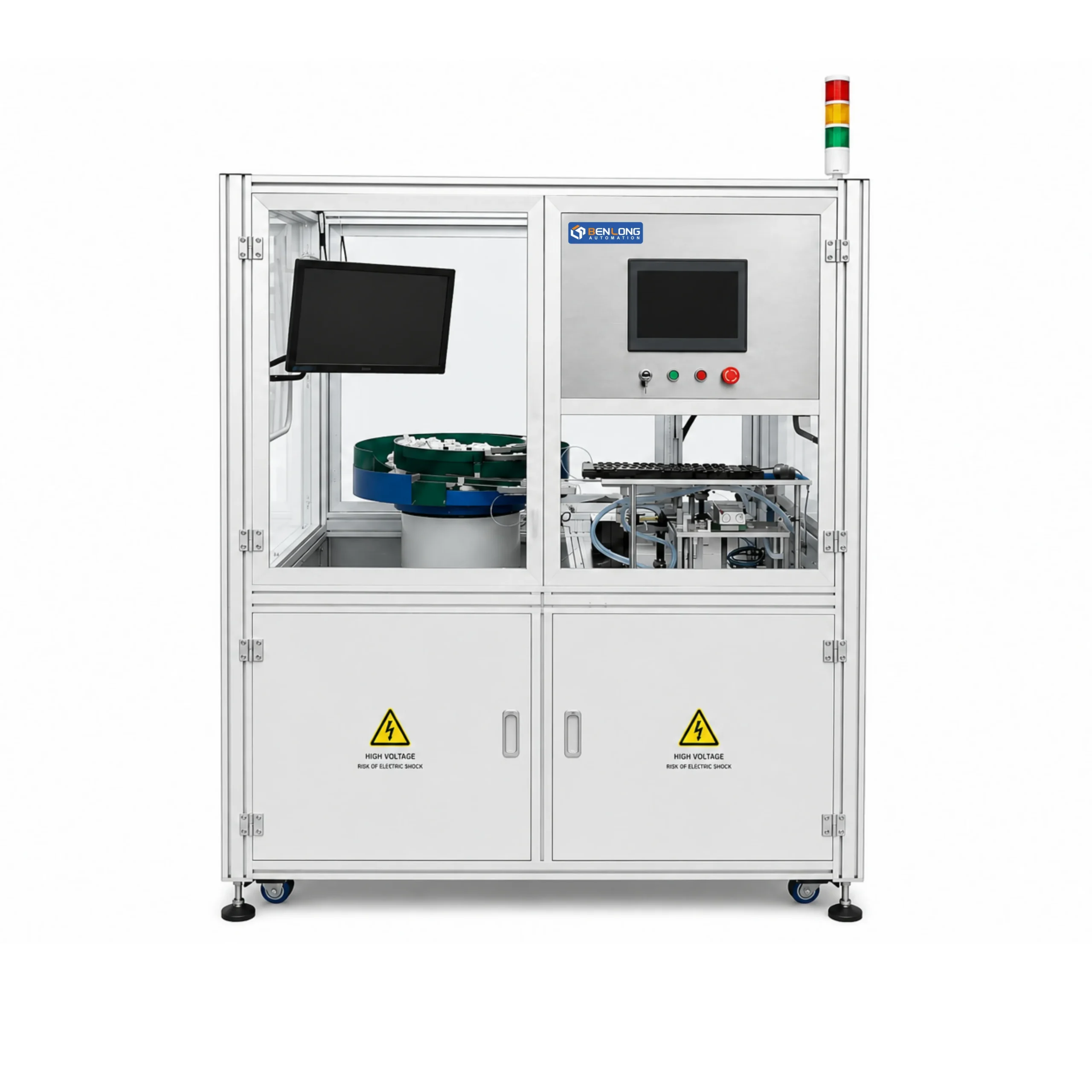
Mesin penandaan laser kenop MCB
Lihat Detail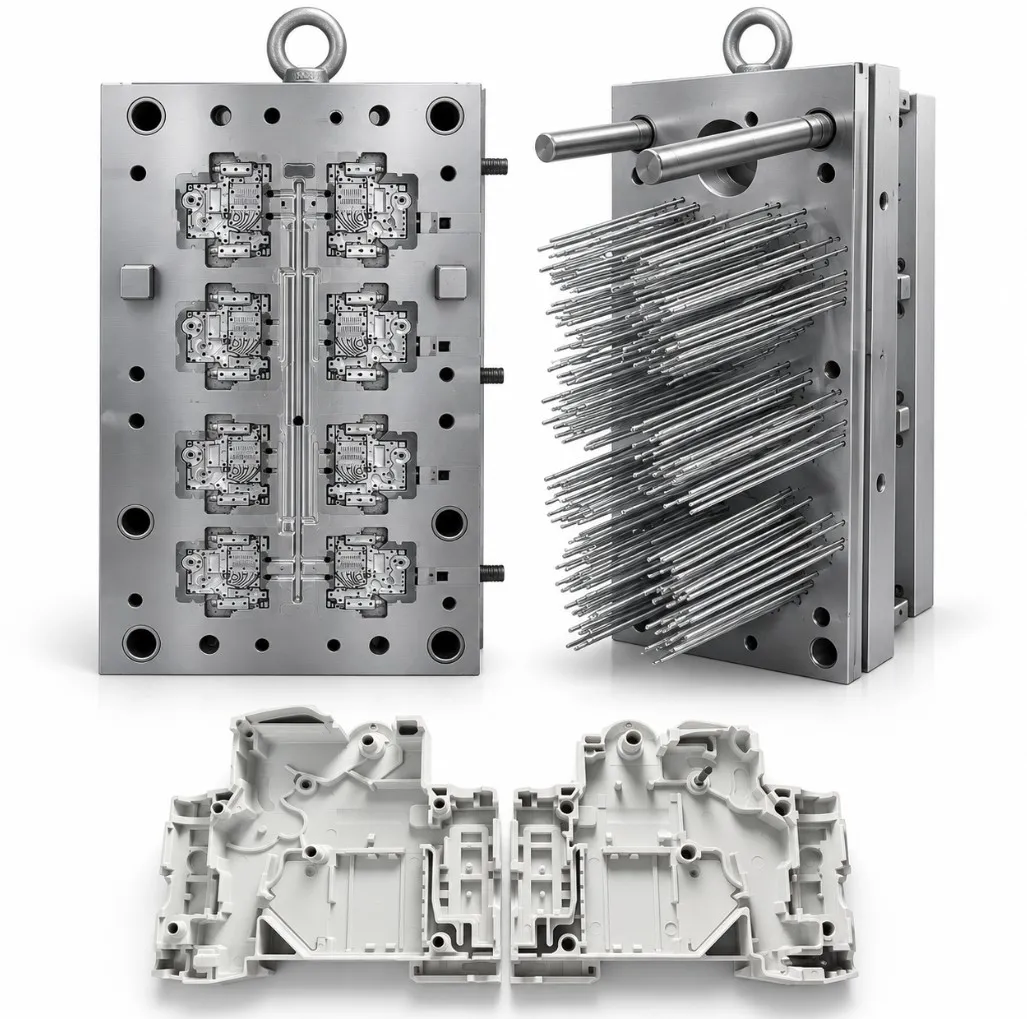
Cetakan Injeksi MCB
Lihat Detail