benlong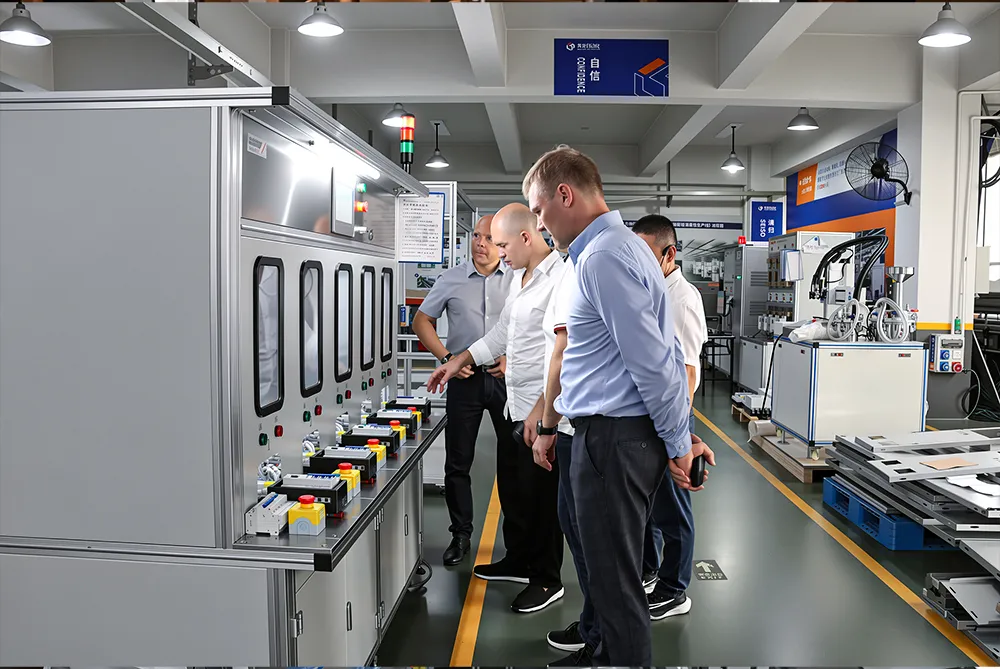

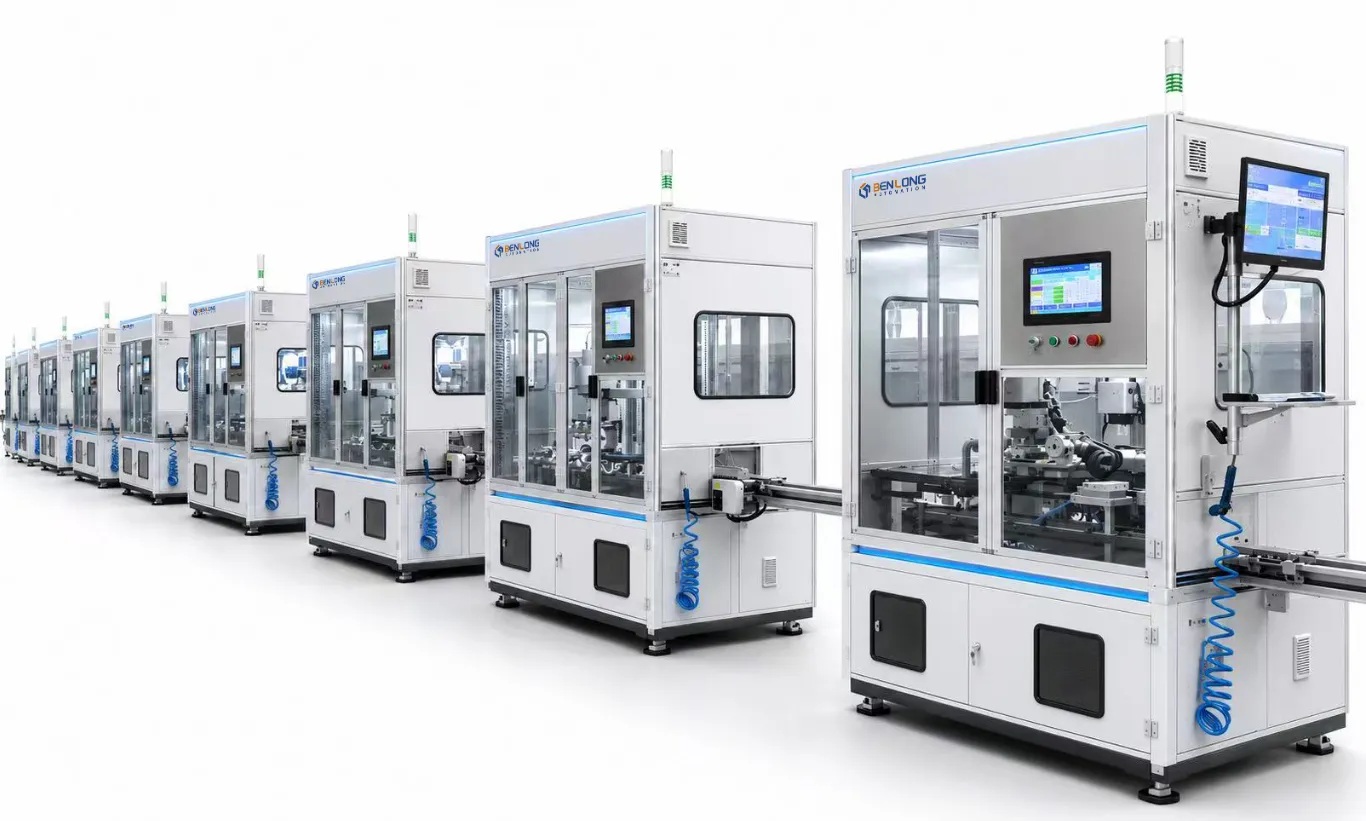
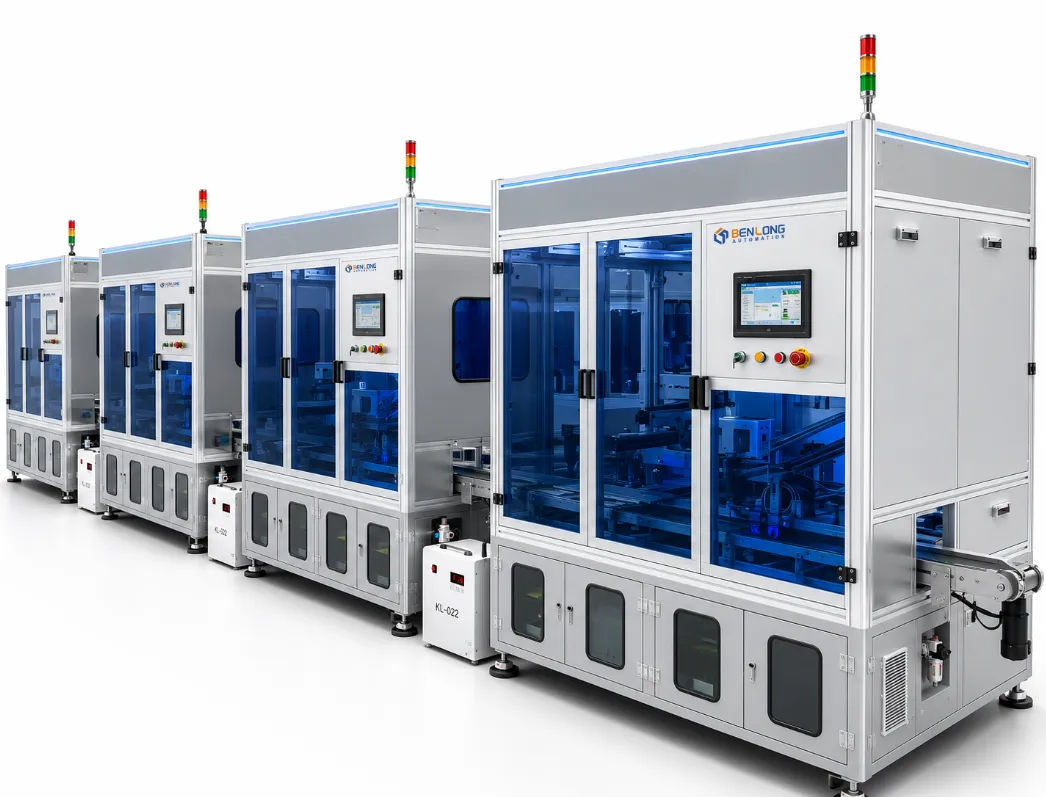
Línea de prueba automática de MCB
High‑speed MCB automatic testing line (1,800‑2,400 pcs/h) with multi‑station parallel testing, vision inspection, automatic sorting, and full data traceability. Solves testing bottlenecks, cuts field failures by 70%, and provides IEC/UL audit‑ready reports. Quick changeover (<30 min). MES ready.
Línea automatizada de prueba y clasificación de disyuntores magnetotérmicos de ultra alta velocidad
Problemas que enfrentan los clientes: Debido a la lentitud de las pruebas manuales en la producción a gran escala, los operarios pueden pasar por alto defectos por falta de trazabilidad y análisis adecuados de los datos de prueba. El cambio entre diferentes tipos de disyuntores puede llevar horas, lo que genera costosos tiempos de inactividad. La línea de prueba automática de disyuntores soluciona estos problemas con una clasificación en milisegundos, pruebas paralelas en múltiples estaciones y trazabilidad completa de los datos, lo que permite a los fabricantes cumplir con la norma IEC/UL 100% y reducir el retrabajo en más de 80%.
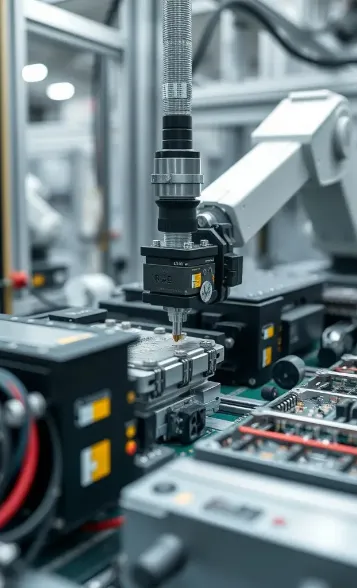
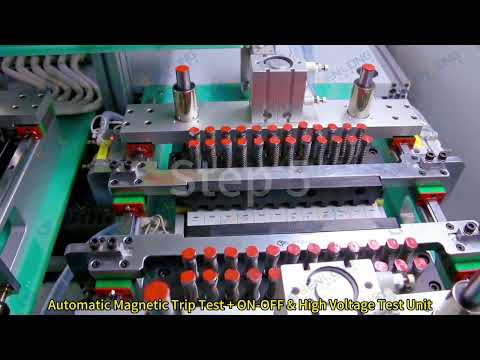


El uso de mesas de indexación de alta velocidad y carga/descarga robótica permite un funcionamiento continuo. Al mismo tiempo, se pueden realizar pruebas (tiempo de ciclo (curvas B/C/D), calibración termomagnética y resistencia de contacto), verificar tolerancias críticas mediante visión de alta resolución y un mecanismo de clasificación ultraestable separa los productos aprobados, reprobados y los que requieren reproceso. El sistema de adquisición de datos (DAS) registra todas las variables de las pruebas para garantizar una trazabilidad completa. Los tiempos de transición entre diferentes configuraciones de polos (1P-4P) y corrientes se miden en minutos, no en horas. La producción promedio de la(s) máquina(s) alcanza las 1800-2400 unidades/hora.
Entrega estándar: 60-90 días | Cambio rápido <30 min | DAS compatible con MES

¿Qué problemas resuelve una línea de prueba automática de disyuntores?
Las pruebas manuales de MCB generan tres problemas importantes: calidad inconsistente (el error humano provoca variaciones en el tiempo de disparo), volumen de producción limitado (60-80 unidades probadas/hora; miles probadas/hora con automatización) y falta de trazabilidad (el registro en papel no se puede auditar). La línea de pruebas automatizada de MCB elimina estas tres barreras. La línea automatiza la carga, las pruebas, la clasificación y el registro de datos. Para los fabricantes de MCB, esto significa: mayor OEE; menor coste de retrabajo y datos auditables para la certificación IEC/UL. Las líneas de pruebas automatizadas también resuelven los problemas de cambio entre pruebas.
métodos (1P/2P/3P/4P) o cambiar las clasificaciones actuales con un tiempo de cambio de menos de 30 minutos una vez programado en HMI (según la receta).
Estaciones de prueba y beneficios para el cliente


Especificaciones técnicas: lo que ofrece la línea
| Rendimiento (unidades/hora) | 1.800 – 2.400 (dependiendo del número de postes) |
|---|---|
| Cobertura de pruebas | Disparo instantáneo (curvas B/C/D), calibración térmica (1,13×/1,45× In), resistencia de contacto (µΩ), inspección visual (carcasa, etiqueta, tornillos) |
| Precisión actual | ±0,5% de lectura |
| Precisión de sincronización | ±1 ms para instantáneo; ±0,11 TP3T para térmico |
| Tiempo de cambio | <30 minutos (según la receta, no se requiere cambiar las herramientas para la mayoría de los parámetros) |
| Salida de datos | CSV, SQL, MES a través de OPC UA o Modbus TCP |
| Disyuntores compatibles | 1P, 2P, 3P, 4P; 6A‑125A; curvas B/C/D |
| Sistema de control | PLC (Siemens) + PC industrial, pantalla táctil HMI |
| Fuente de alimentación | 380V ±10% 50Hz | Aire comprimido 0,6MPa |
| Características de seguridad | Área de pruebas cerrada, parada de emergencia, cortinas de luz, puertas de enclavamiento |
Principales ventajas para el cliente: ¿Por qué los fabricantes eligen esta línea?
Beneficio 1: Rendimiento 25 veces superior
Los probadores manuales pueden procesar entre 60 y 80 unidades por hora. Con esta línea, un probador puede procesar entre 1800 y 2400 unidades por hora. Esto se traduce en un aumento de la productividad de 25 a 30 veces para satisfacer la demanda máxima sin necesidad de añadir turnos ni contratar personal de pruebas adicional, y generalmente se logra un retorno de la inversión (ROI) en menos de nueve meses.
Beneficio 2: Variación cero inducida por el operador
Los resultados de los evaluadores presentan variabilidad debido a factores como la hora del día, la fatiga, etc. En cambio, el proceso automatizado logra una precisión mucho mayor (±1 ms) que los evaluadores humanos gracias al uso de sensores de alta precisión en la línea de prueba (±0,5%), evitando así falsos positivos y falsos negativos.
Beneficio 3: Trazabilidad completa lista para auditorías
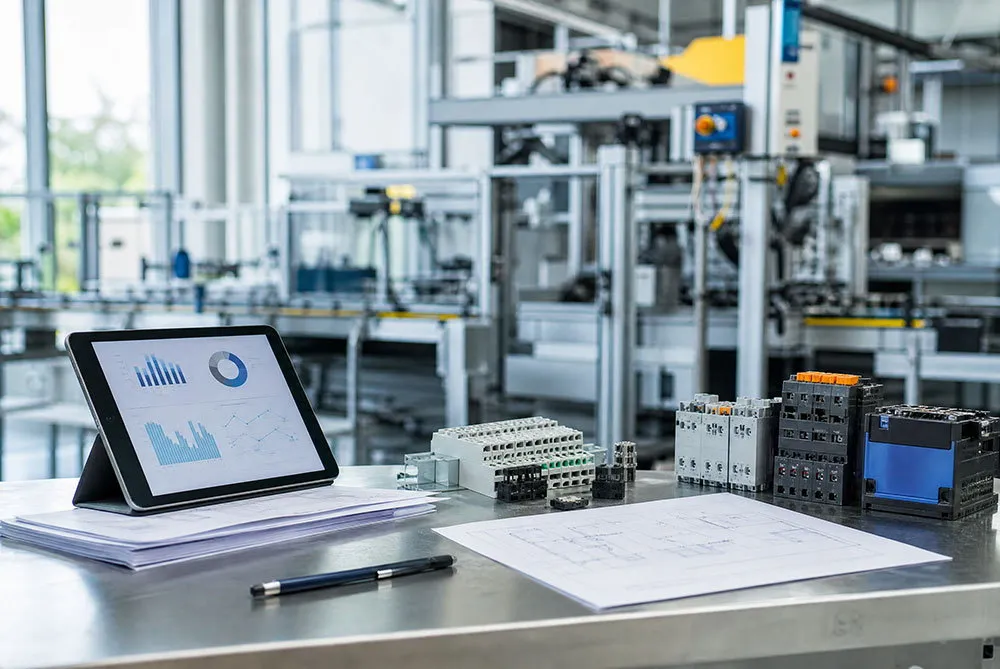
Se han registrado el tiempo de funcionamiento, los valores de calibración, la resistencia de contacto y los resultados visibles de cada unidad, junto con la fecha, la hora y el número de serie. Exporte la información a un informe digital para auditorías IEC/UL, evitando así la necesidad de buscarla en registros en papel.
Beneficio 4: Cambio rápido para producción mixta
Cambie de un interruptor automático monofásico de 10 amperios tipo B a uno trifásico de 63 amperios tipo C en menos de treinta (30) minutos. La interfaz hombre-máquina (HMI) carga las nuevas configuraciones y ajusta automáticamente las corrientes de prueba y los intervalos de tiempo. No se requieren cambios en los componentes mecánicos para la mayoría de los parámetros.
















Éxito del cliente: cómo un fabricante redujo las devoluciones de campo con 72%.
Tras la implementación de nuestra línea de pruebas automáticas para disyuntores magnetotérmicos, un fabricante chino de disyuntores magnetotérmicos que anteriormente tenía una tasa de fallos en campo de 1,2% debido a una deriva de calibración no detectada en las pruebas tradicionales (muestra 10%) ahora tiene una tasa de fallos en campo corregida de cero.
El cliente obtuvo valor de la línea de productos en un plazo de 11 meses, como lo demuestra el hecho de que superó la auditoría de un importante distribuidor sin ninguna no conformidad.
Aplicaciones: dónde aporta mayor valor esta línea
Ingeniería y entrega a medida
Solicite un presupuesto para una línea de prueba de disyuntores MCB personalizada.
Envíe las especificaciones de su MCB, las proyecciones de rendimiento y los criterios de prueba. Un equipo de ingeniería diseñará una solución que elimine el cuello de botella en sus pruebas (con un análisis completo del retorno de la inversión).
WhatsApp: +86 150 5837 0007 | Correo electrónico: xsb@benlongkj.cn | Soporte en inglés y chino
¿Por qué Benlong para la automatización de pruebas de MCB?
- Más de 15 años diseñando líneas de prueba y clasificación de alta velocidad para disyuntores
- Pruebas paralelas multiestación comprobadas: 1800-2400 unidades/hora
- Integración MES completa: OPC UA, Modbus TCP, SQL directo
- Sistema de recetas de cambio rápido – <30 minutos
- Soporte técnico y de repuestos a nivel mundial
La línea estándar incluye
Las características del sistema incluyen: mesa de indexación de alta velocidad; carga y descarga robótica; módulo de prueba multiestación (curva de disparo, calibración, resistencia de contacto, visión); clasificación automática de productos (aprobado, reprobado, reprocesado); sistema de adquisición de datos (DAS); PLC con HMI (Siemens); protecciones de seguridad; instalación y capacitación; 1 año de garantía.
Preguntas frecuentes
Solo entre 5% y 10% de los productos se inspeccionan manualmente, lo que significa que hasta 90% quedan sin probar. Con este sistema, 100% de los productos se prueban con una precisión de corriente de ±0,5% y una temporización de ±1 ms, eliminando así el riesgo de enviar interruptores defectuosos. Las tasas de fallos en campo disminuyen entre 70% y 80% después de la instalación.
¡Por supuesto! La línea de montaje es modular y se integra a su línea de montaje actual. Puede enviar unidades a la nueva línea desde su cinta transportadora y, una vez probadas y clasificadas, regresarán a su área de empaquetado. Los módulos incluyen E/S y comunicación Ethernet para permitir una sincronización completa entre las líneas de montaje y prueba.
Al probar 500.000 disyuntores magnetotérmicos cada mes, el retorno de la inversión suele ser de entre 8 y 14 meses, basándose en una disminución de 2-3% en las piezas defectuosas y la posibilidad de sustituir de 4 a 6 probadores por uno solo, lo que reduce los costes laborales y evita la necesidad de realizar pagos de garantía en las garantías de los inversores.
El diseño incorpora una configuración multiestación que consta de un módulo de calibración térmica (1,13 ×/1,45 × pulgadas) y un módulo de disparo instantáneo (5-10 × pulgadas). Las pruebas térmicas y de disparo pueden ejecutarse simultáneamente en unidades separadas, lo que permite alcanzar el máximo rendimiento.
La capacitación para los operadores se puede completar en dos jornadas de 8 horas. La interfaz hombre-máquina (HMI) es fácil de usar: seleccione la receta del producto que desea procesar, cargue el cargador y presione iniciar. La línea de rebordeado automatizada se encarga de todo lo demás, incluyendo la clasificación automática de los productos terminados y la creación de un registro electrónico de datos para cada operador.
Productos relacionados
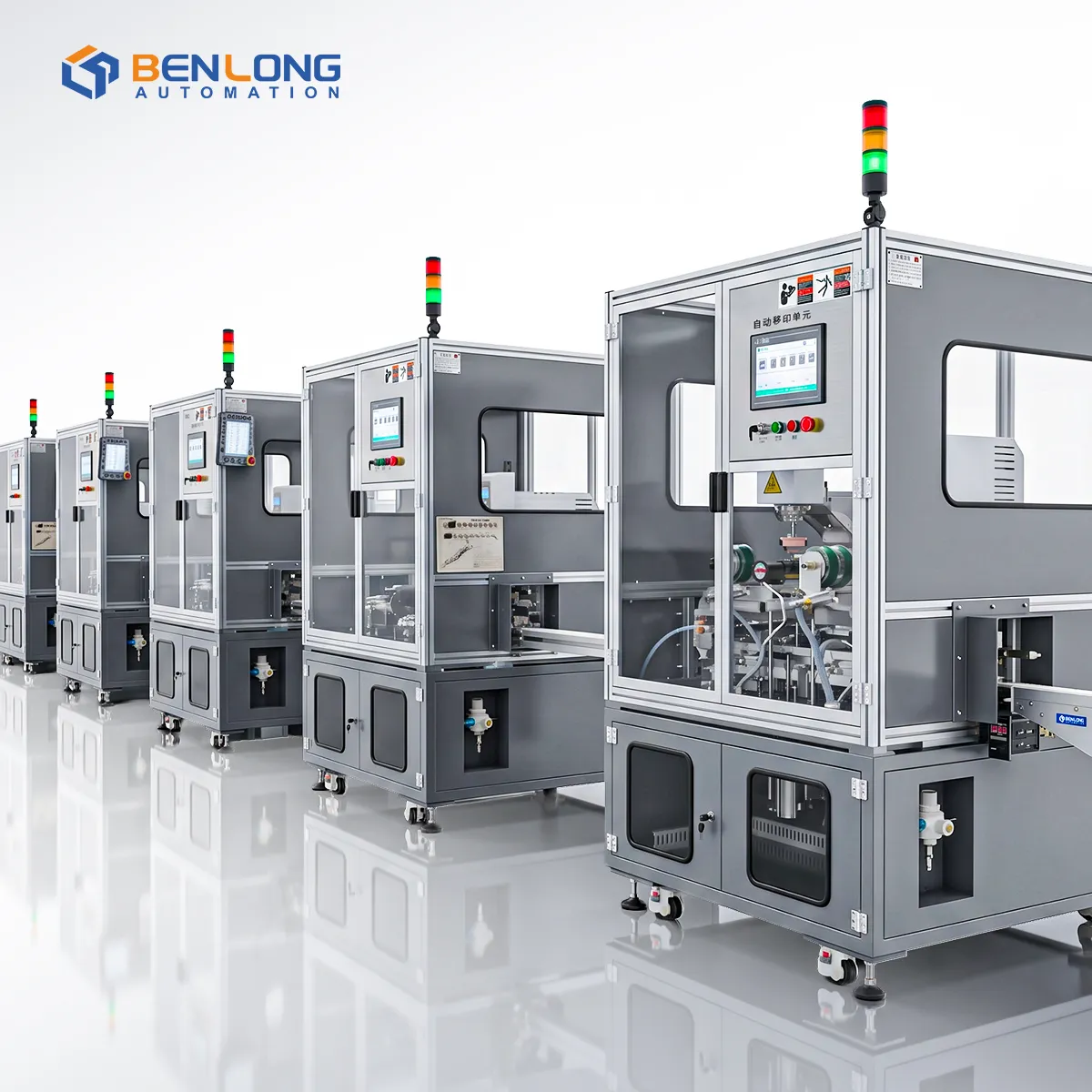
Línea de producción automática de dispositivos de protección contra sobretensiones (SPD).
Ver detalles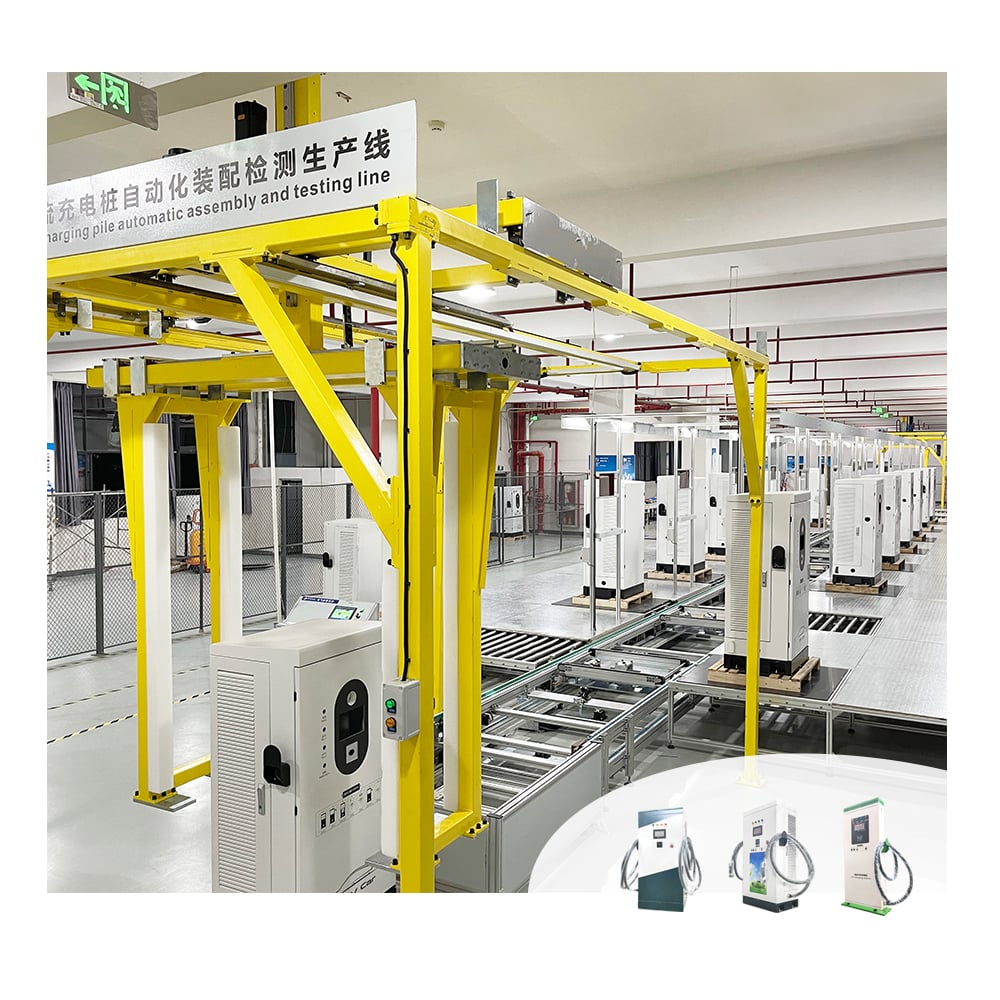
Línea de producción automática de cargadores de CC
Ver detalles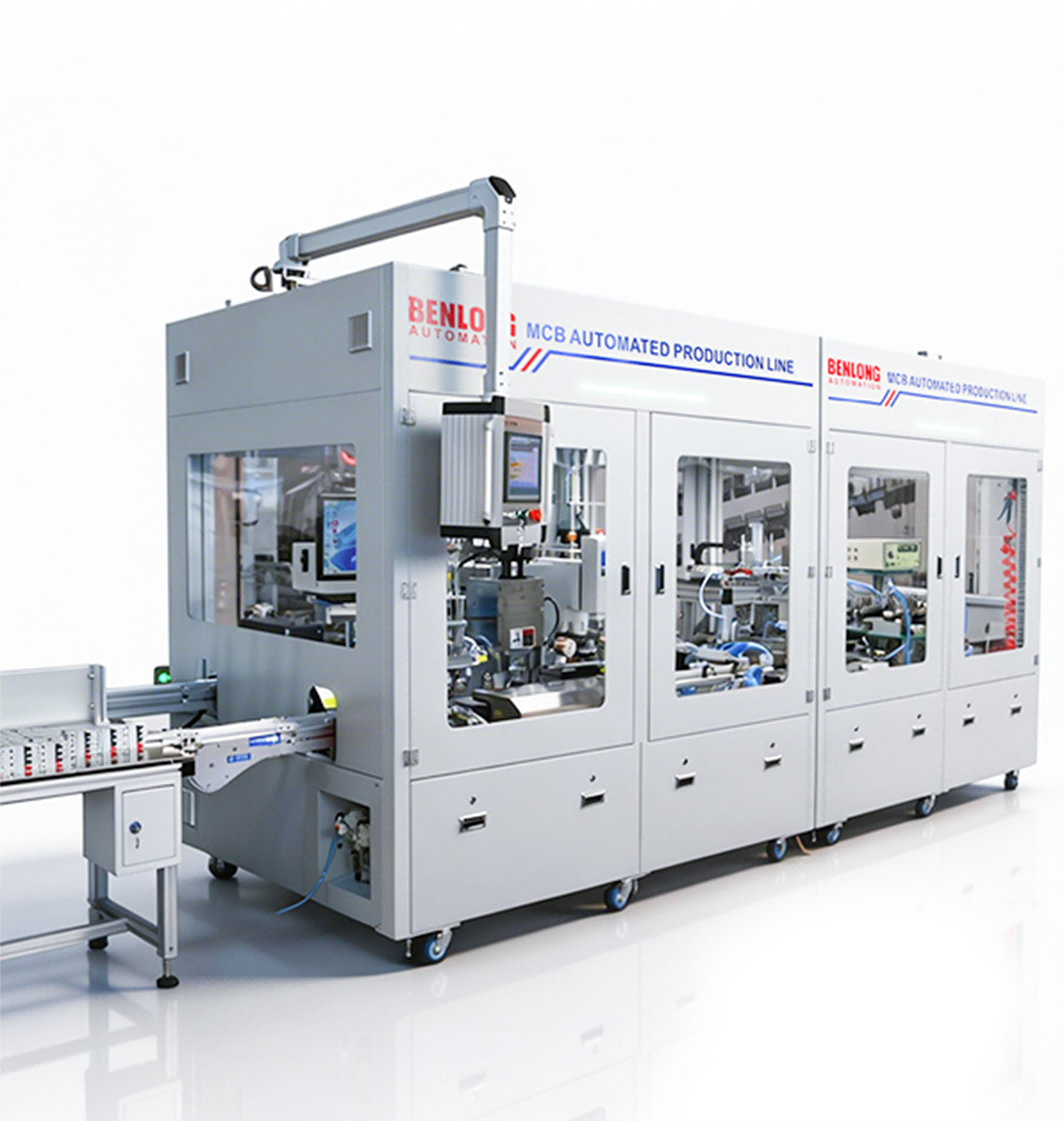
Línea de producción mini MCB: máquina integrada
Ver detalles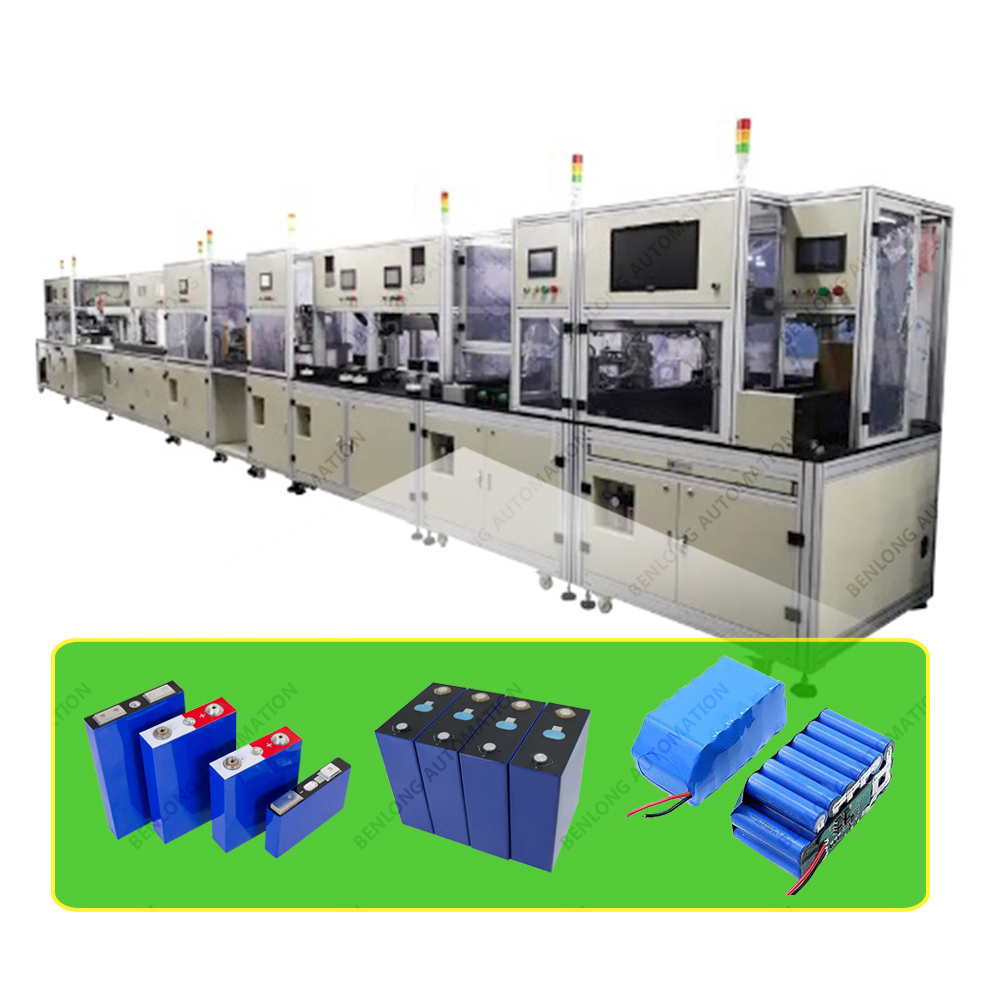
Línea de producción automática de módulos PACK de baterías de litio
Ver detalles
Línea de producción automática de interruptores automáticos de vacío (VCB).
Ver detalles