Benlong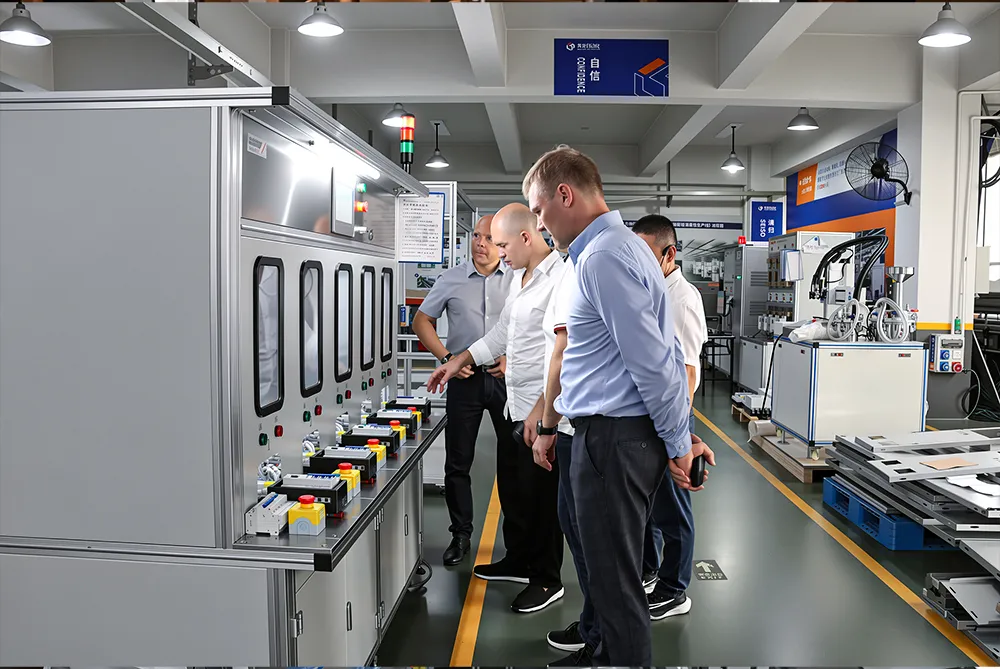


Was ist ein MCB-Prüflabor?
Jeder MCB (Leistungsschalter) bietet Schutz für Häuser, Büros und Fabriken und wurde einem umfassenden Testprogramm unterzogen, um sicherzustellen, dass er auslöst, wenn er soll, und hält, wenn er nicht auslösen soll. Jeder MCB wird von einem MCB-Prüflabor unterstützt, das eine kontrollierte Umgebung ist, in der MCBs kalibriert werden, Überstrom auf die MCBs angewendet wird und die Leistung der MCBs mit nationalen und internationalen Normen verglichen wird. MCB-Prüflabor ist kein Kostenpunkt für Hersteller von elektrischen Schutzgeräten; vielmehr ist es der Qualitätskontrollpunkt, der den MCB unterscheidet, der Ihren Stromkreis viele Jahre schützt, von dem MCB, der beim ersten Fehler möglicherweise nicht funktioniert. Daher ist es sehr wichtig, zu verstehen, was in einem MCB-Prüflabor geschieht – einschließlich der Ausrüstung, Methoden und Normen – egal ob Sie MCBs kaufen, verkaufen oder herstellen.
Was ist ein MCB-Prüflabor?
Ein Prüflabor für Leistungsschalter (MCBs) ist eine Einrichtung, in der verschiedene Arten von Tests durchgeführt werden können, um sicherzustellen, dass ein Leistungsschalter gemäß seinen Konstruktionsspezifikationen funktioniert. Es kann eine dedizierte Qualitätskontrollabteilung innerhalb einer MCB-Fertigungseinrichtung oder ein unabhängiges Drittanbieter-Labor sein, das die Zertifizierungsfunktion für mehrere verschiedene MCB-Hersteller übernimmt. In beiden Fällen sollte das Prüflabor so eingerichtet sein, dass sowohl der normale Betrieb des Leistungsschalters als auch Fehlerbedingungen (d.h. Überlast, Kurzschluss und extreme Temperaturen) simuliert werden können, sowie die Leistung des Leistungsschalters mit kalibrierten Prüfgeräten verglichen wird, um genaue Ergebnisse zu gewährleisten.
Im Zentrum der MCB-Prüflabore stehen zwei Kernaufgaben: Erstens kalibrieren sie MCBs durch Feinabstimmung sowohl der thermischen als auch der magnetischen Auslöser, um Auslösezeiten innerhalb angemessener Zeiträume zu ermöglichen. Zweitens führen sie Tests durch, die erforderlich sind, um zu bestimmen, ob ein MCB die Leistungskriterien erfüllt, wie sie von internationalen Normen und/oder Regulierungsbehörden definiert sind, wobei IEC 60898 (für den Hausgebrauch) und IEC 60947-2 (für industrielle Anwendungen) die am weitesten verbreiteten Normen sind. Neben der Spezifikation von Testmethoden, Akzeptanzkriterien und Testumgebungen für MCBs tragen diese beiden Normen wesentlich zu deren erwarteter Betriebsleistung bei, indem sie den Herstellern von MCBs sowohl zum Zeitpunkt der Herstellung als auch während der gesamten Lebensdauer des MCBs eine Benchmark bieten, die eine sichere Anwendung unterstützt. Folglich kann ein MCB keinen nachweisbaren Beleg für seine Sicherheitsqualität erbringen, wenn er kein akkreditiertes Prüflabor-Verifizierungszertifikat besitzt.
Welche Tests werden in einem MCB-Prüflabor durchgeführt?
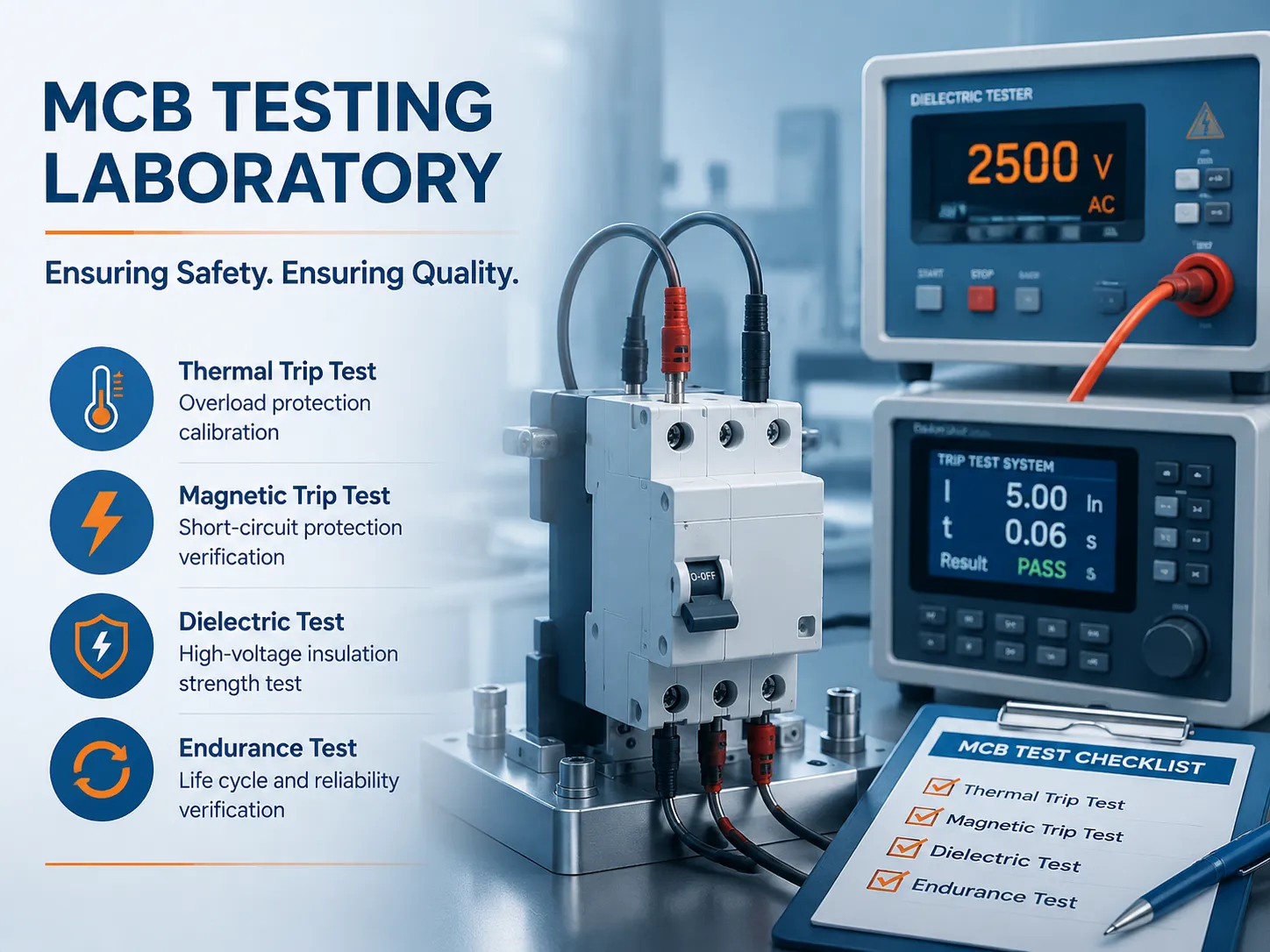
Ein Prüflabor für Miniatur-Leistungsschalter (MCB) verfügt über eine Reihe verschiedener Tests, die elektrische Eigenschaften, mechanische Eigenschaften und Umwelteigenschaften des Leistungsschalters (MCB) messen. Die Kern-Testkategorien für Miniatur-Leistungsschalter (MCBs) sind:
- Thermische Auslösung Kalibrierung: Dies bestätigt den Schutz gegen Überlastungen des Leistungsschalters. Der kalibrierte Strom liegt üblicherweise zwischen 1,13 und 1,4 x Nennstrom mit einer Auslösezeit gemäß einer bestimmten Norm (typischerweise von 0,1 Sekunden bis 10 Sekunden). Der Bimetallstreifen wird an einer Kalibrierstation so eingestellt, dass die Auslösezeit innerhalb des zulässigen Bereichs gemäß der Norm liegt. Dies kann vollautomatisch, halbautomatisch oder manuell erfolgen, abhängig vom Produktionsvolumen, beispielsweise mit einer thermischen Kalibrierungsmaschine.
- Magnetische (sofortige) Auslösungstest: Typischerweise wird ein Kurzschlussimpuls mit 3 bis 10-fachem Nennstrom eines B-, C- oder D-Kurven-Leistungsschalters zu Testzwecken angelegt; bei Anlegen dieses Stroms sollte der Leistungsschalter innerhalb der spezifizierten Zeit (normalerweise weniger als 0,1 Sek.) auslösen (öffnen). Dies wird durch magnetische Auslösungstests an einem geeigneten Prüfstand erreicht und kann sowohl die Auslösezeit als auch den Stromwert aufzeichnen, bei dem der LEISTUNGSSCHALTER AUSGELÖST HAT.
- Dielektrischer (Hochspannungs-) Test: Die Isolierung eines Leistungsschalters wird getestet, indem eine Hochspannung (typischerweise 1500-2500 V AC) zwischen den stromführenden Teilen des Schalters und zwischen den stromführenden Teilen und den nicht stromführenden Oberflächen des Schalters angelegt wird. Dieser Test überprüft, ob die Isolierung des Schalters sowohl normalen Betriebsbedingungen als auch Überspannungsbedingungen standhält. Dieser Test wird bei jedem auf einer Produktionslinie hergestellten Leistungsschalter durchgeführt und ist oft Teil einer automatisierten Prüflinie.
- Dauerlauf- (Lebensdauer-) Test: Der Leistungsschalter durchläuft eine definierte Anzahl von Schaltzyklen bei seinem Nennstrom, um den Schaltmechanismus und die Kontaktstellen über einen längeren Zeitraum zu testen. Dies erfolgt an einem elektrischen Dauerlaufprüfstand, der automatisch alle Anzeichen von Ausfällen während jedes Betriebszyklus aufzeichnet und die Leistungsverschlechterung überwacht.
- Temperaturanstiegstest: Wenn ein Leistungsschalter in einer bestimmten Umgebung bei seinem maximalen Nennlaststrom betrieben wird, kann die Temperatur der Anschlüsse und des Gehäuses gemessen werden, um sicherzustellen, dass der Schalter nicht überhitzt, wenn er kontinuierlich eingeschaltet bleibt.
- Auslösemechanismus und mechanischer Betrieb: Automatisierte Prüfsysteme oder manuelle Prüfstände überprüfen, ob der Hebel, der Riegel und der Kontaktmechanismus des Schalters reibungslos funktionieren, korrekt zurückgesetzt werden können und sich frei bewegen – das heißt, sie dürfen nicht kleben oder blockieren.
Jeder dieser Tests erfordert ein spezifisches Prüfgerät, und in einer modernen Hochvolumen-Produktionslinie sind viele davon in ein einziges MCB-Automatikprüflinie integriert, das Leistungsschalter nacheinander kalibriert, testet und sortiert, ohne dass ein Bediener eingreifen muss. Benlong Automation’s MCB-Automatikprüflinie ist ein Beispiel für ein solches System: Es kombiniert thermische Kalibrierung, magnetische Auslösungstests, Hochspannungstests und EIN-AUS-Schalten zu einem kontinuierlichen Ablauf und liefert am Ende der Linie geprüfte und zertifizierte Leistungsschalter. Für einen tieferen Einblick, wie diese automatisierten Systeme funktionieren, bietet unser technischer Leitfaden zu Was ist eine automatische MCB-Testlinie? zerlegt jede Station und ihre Funktion.
Warum ein MCB-Testlabor für die Fertigung unerlässlich ist
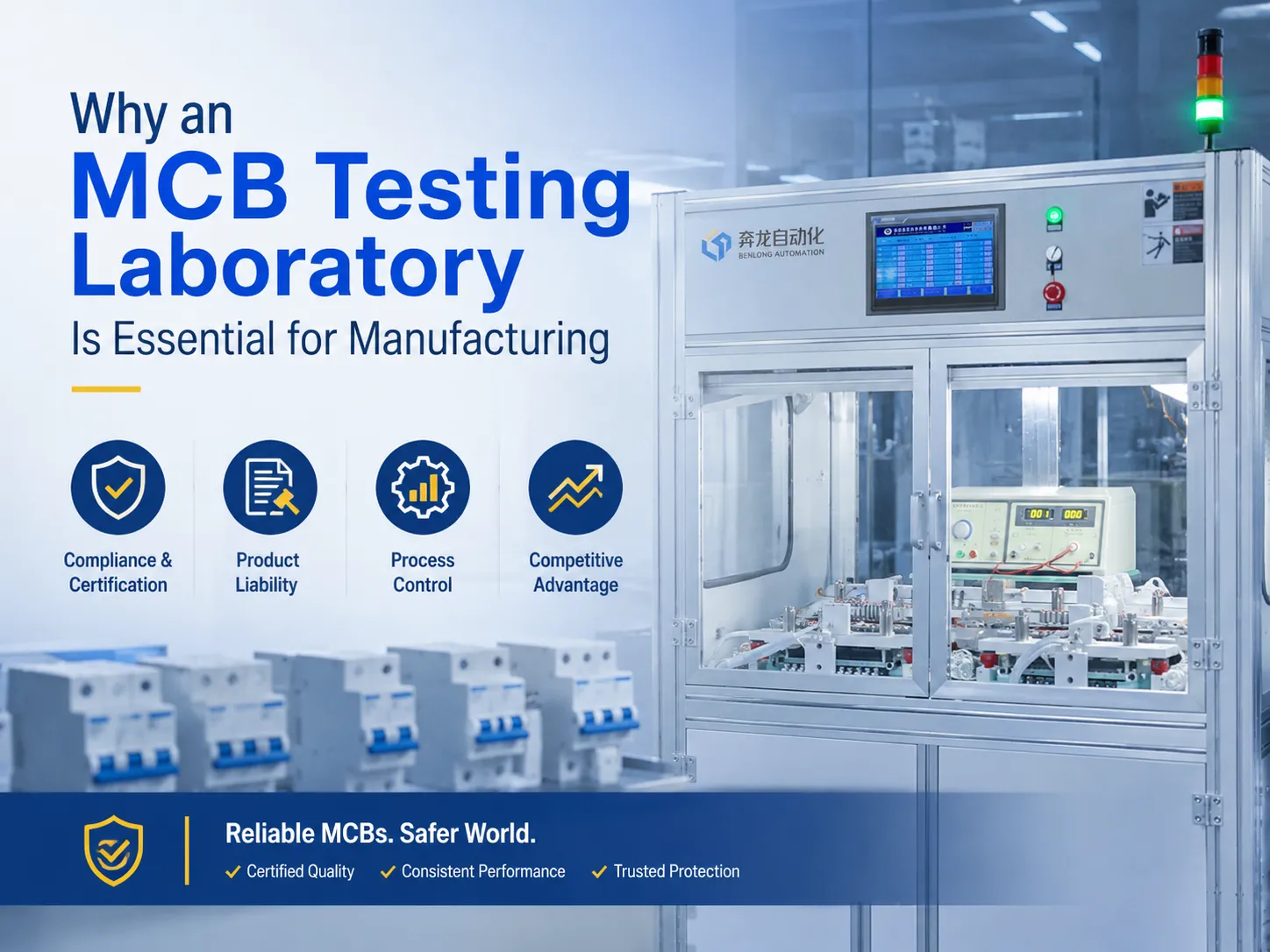
Wenn ein Hersteller nicht über ausreichende Prüfeinrichtungen für seine MCBs verfügt, könnte er MCBs ausliefern, die nicht als sicher gebaut verifiziert wurden; daher erstreckt sich die Auswirkung über eine breite Palette von Vorschriften, Kosten und Wahrnehmungen:
- Einhaltung und Zertifizierung: Hersteller sind verpflichtet, nachzuweisen, dass ihre Leistungsschalter die Anforderungen für CE-Kennzeichnung, UL-Listing oder CB-Schema-Zertifizierung durch Tests und Laborverifizierung erfüllen, bevor sie diese Kennzeichnungen anbringen. Um Zugang zu Märkten weltweit zu erhalten, müssen akkreditierte Labore Prüfberichte erstellen, die als “Währung” für den Marktzugang gelten. Ein Hersteller ohne interne Prüfressourcen muss seine Leistungsschalter vor der Vermarktung an eine unabhängige Prüfeinrichtung senden, was zusätzliche Kosten, längere Durchlaufzeiten und das Risiko eines Nichtbestehens des Zertifizierungszyklus nach Abschluss der Werkzeuge mit sich bringt.
- Produkthaftung: Wenn ein Brand durch das Versagen eines Leistungsschalters, sich zu öffnen, verursacht wird, führt eine Untersuchung typischerweise die Ursache zurück zu den Qualitätsaufzeichnungen der Fertigung. Der Leistungsschalter wird anhand des dokumentierten Prüfberichts des Herstellers aus einem kalibrierten Prüflabor bewertet. Die Verteidigung des Herstellers gegen potenzielle Verluste, die durch das Versagen eines Leistungsschalters entstehen können, hängt von dokumentierten Qualitätsaufzeichnungen ab. Das Fehlen solcher Aufzeichnungen schafft eine potenzielle Haftung, die in der Regel nicht versicherbar ist.
- Prozesskontrolle: Tests umfassen mehr als nur eine abschließende Zertifizierung. Inline-Tests, insbesondere die thermische Kalibrierung, liefern sofortiges Feedback zu den Wicklungen/Bimetallstreifen und Montageprozessen. Wenn die Kalibrierbank eine Abweichung erkennt, kann die Produktionslinie gestoppt und korrigiert werden, bevor Hunderte von Leistungsschaltern außerhalb der Spezifikation produziert werden.
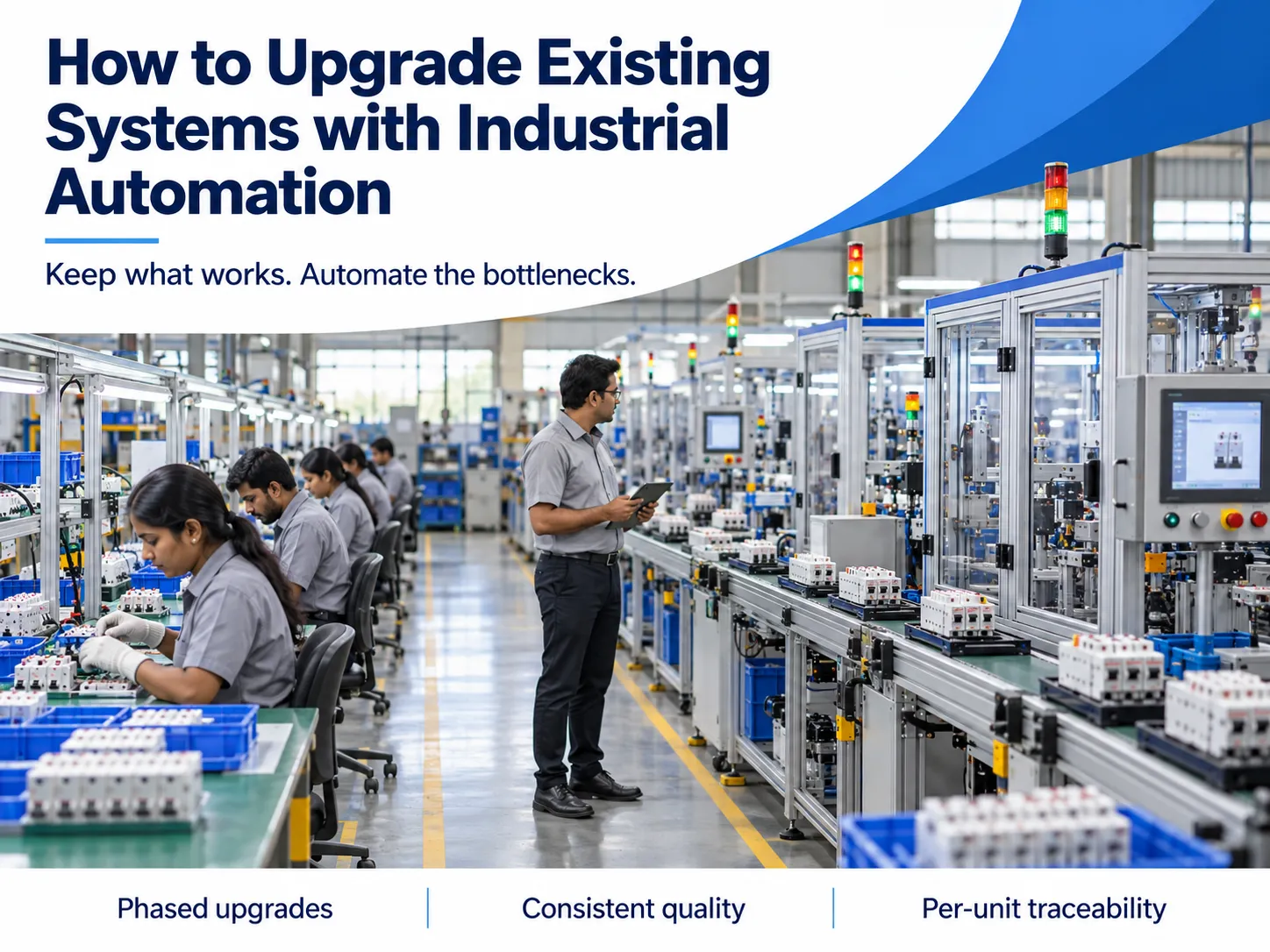
- Interne Tests sind für viele moderne Hersteller zu einem Wettbewerbsvorteil geworden. Zum Beispiel kann ein automatisiertes Prüflabor, das direkt an den Montageprozess angebunden ist, alle paar Sekunden Leistungsschalter schnell kalibrieren und testen und dabei eine zertifizierte und konsistente Einheit produzieren. Dies ist das Modell, das Benlong Automation seinen Kunden ermöglicht: die Planung, den Bau und die Integration kundenspezifischer MCB-Testlabore, die thermische Kalibrierbänke, magnetische Auslöseprüfbänke, Hochspannungstester und automatisierte Handhabung zu einem nahtlosen, dokumentierten Ablauf kombinieren.

Wie man eine MCB-Testkapazität aufbaut oder auswählt
Ob Sie eine neue MCB-Prüflabor von Grund auf neu oder bei der Aufrüstung einer bestehenden Qualitätskontrollabteilung drehen sich die Entscheidungen um Volumen, Automatisierungsgrad und die einzuhaltenden Normen.
- Manuelle Prüfstände: Für Kleinserienproduktion, Prototypen oder ergänzende Tests sind manuelle Kalibrier- und Prüfstände der wirtschaftlichste Einstieg. Ein Techniker stellt den Bimetallstreifen ein, legt Strom an und liest die Auslösezeit von einem Timer ab. Der Prozess ist langsam und bedienerabhängig, erfordert jedoch das geringste Kapital. Benlongs manueller thermischer Kalibrierprüfstand und manueller magnetischer Auslösetestprüfstand sind genau für diesen Anwendungsfall konzipiert, mit klaren Bedienelementen und robuster Bauweise.
- Halbautomatische Stationen: Diese fügen pneumatische Spannvorrichtungen, automatische Stromzufuhr und digitale Messung hinzu, reduzieren die Ermüdung des Bedieners und verbessern die Wiederholbarkeit. Sie sind eine gängige Wahl für Hersteller mit mittlerem Volumen, die vom manuellen Betrieb aufrüsten möchten, ohne sich vollständig zu automatisieren. Produkte wie die halbautomatischer thermischer Kalibriertisch repräsentieren diesen Mittelweg.
- Vollautomatische Prüflinien: Für die Großserienproduktion ist eine voll integrierte Prüflinie der Goldstandard. Schutzschalter durchlaufen die Linie, werden kalibriert, auf thermische und magnetische Auslösung getestet, Hochspannungstests unterzogen, ein- und ausgeschaltet und nach Bestehen/Nichtbestehen sortiert – alles ohne Bedienereingriff. Das Ergebnis ist eine Durchsatzrate von mehreren hundert Einheiten pro Stunde mit dokumentierten Prüfdaten für jeden einzelnen Schutzschalter. Benlongs MCB-Automatikprüflinie ist auf die spezifischen Schutzschaltertypen, Auslösekurven und Zielnormen des Kunden konfiguriert.
Bei der Wahl einer Laboraufstellung sollten Sie die einzuhaltenden Normen berücksichtigen. Ein Labor, das für IEC 60898 Tests ausgelegt ist, unterscheidet sich in einigen Prüfabläufen von einem, das für UL 1077 oder UL 489 ausgelegt ist. Die Ausrüstung muss in der Lage sein, die erforderlichen Prüfströme zu erzeugen, diese mit rückverfolgbarer Genauigkeit zu messen und die Ergebnisse in einem prüfbaren Format zu dokumentieren. Die Kalibrierung der Prüfausrüstung selbst ist unerlässlich – die Instrumente zur Überprüfung der Schutzschalter müssen selbst gegen einen nationalen Standard verifiziert sein.
Benlong Automation: Aufbau von MCB-Prüflaboren für globale Hersteller
Benlong Automation Technology Co., Ltd. ist ein nationales High-Tech-Unternehmen mit Spezialisierung auf die Integration von Automatisierungssystemen. Gegründet 2008 und ansässig in Wenzhou, dem führenden Hersteller von Niederspannungs-Elektroprodukten in China, entwickelt Benlong einzigartige Automatisierungsausrüstung und intelligente Produktionslinienlösungen für Industrieunternehmen weltweit. Das Unternehmen richtet sich an die speziellen Anforderungen von Herstellern von Niederspannungs-Elektroprodukten und bietet zuverlässige automatisierte Produktionssysteme durch die Kombination unabhängiger Kerntechnologien, wichtiger Komponenten und branchenspezifischer Kompetenzen.
Benlong baut und entwirft komplette MCB-Prüflabore, nicht nur einzelne Maschinen, für Hersteller von Leistungsschaltern.
Jedes Benlong-Projekt umfasst alle thermischen Kalibrierungen, magnetischen Auslöseteststände, Hochspannungstester, Förder- und Handhabungssysteme, Datenerfassungs- und Rückverfolgbarkeitssoftware sowie die Integration der Endsortierung und Verpackung. Das Endprodukt ist ein komplettes Labor, das als eine zusammenhängende Einheit arbeitet und geprüfte Leistungsschalter mit vollständigen digitalen Aufzeichnungen produziert. Das Portfolio von Benlong umfasst die gesamte Palette der MCB-Produktion und Prüfausrüstung. Von, automatischen Schweißmaschinen für bimetallische Kontakte bis Das Portfolio von Benlong umfasst die gesamte Palette der MCB-Produktion und Prüfausrüstung. elektrischen Dauertestständen, von.
Häufig gestellte Fragen
mehrpoligen automatischen Montageanlagen
MCB-Prüfung IoT-fähigen intelligenten Produktionslinien.
bietet das Unternehmen die Bausteine, die ein Hersteller benötigt, um einen Leistungsschalter von Rohkomponenten zum zertifizierten Fertigprodukt zu bringen.
Für Einkäufer und Produktionsleiter, die Prüfausrüstung bewerten, ist Benlongs Erfahrung in der Integration dieser Maschinen zu einem funktionierenden, effizienten Ganzen der Wert, der Projektrisiken reduziert und die Markteinführungszeit beschleunigt.
Was bedeutet „MCB“ in der Fertigung?
Was ist MCB-Prüfung?.
Jeder Miniatur-Leistungsschalter (MCB) muss vor der Verwendung hinsichtlich Überlast- und Kurzschlussschutz seine spezifizierte Konstruktion validieren.
Der grundlegende Ansatz zur Bestimmung der Funktionsweise eines MCB (Miniatur-Leistungsschalters) besteht darin, einen Teststrom anzulegen und die Zeit zu messen, die der MCB zum Auslösen benötigt. Ein MCB in einwandfreiem Zustand wird: 1) Nicht auslösen, wenn der Teststrom dem Nennstrom entspricht, 2) Innerhalb eines vorgegebenen Zeitrahmens auslösen, wenn der Teststrom den Nennwert überschreitet (üblich ist das 1,45-fache des Nennwerts) und 3) Sofort auslösen, wenn er einem Kurzschlussstrom ausgesetzt wird (effektiv 3-10 mal größer als der Nennwert, abhängig von der Auslösecharakteristik). In einem Fertigungswerk zeigen werksgeprüfte MCBs die oben genannten Eigenschaften, wenn sie an kalibrierten Prüfgeräten geprüft werden. Ein tragbarer MCB-Tester kann eine grundlegende Methode zur Bestätigung der Funktionalität bieten, aber die Laborprüfung liefert nur ein offizielles Leistungszertifikat.
Was ist die vollständige Bezeichnung von MCB in der Elektrotechnik?
MCB ist ein Akronym, das für Miniatur-Leistungsschalter in der Elektrotechnik steht; im Grunde handelt es sich um ein kleines, rückstellbares Gerät, das Schutz gegen Schäden an elektrischen Schaltkreisen durch Überstrom beim Betrieb oder durch Kurzschlussbedingungen bietet. Der MCB ist zum Standard-Schutzgerät in den meisten modernen elektrischen Schaltschränken in Wohn- und leichten Gewerbeumgebungen geworden und hat Sicherungen zunehmend ersetzt.
Referenzen
- IEC 60898‑1 — Elektrische Zubehörteile — Leistungsschalter zum Überstromschutz für Haushalts- und ähnliche Installationen — Internationale Elektrotechnische Kommission.
- ABB — Miniatur-Leistungsschalter (MCBs) — Übersicht über das MCB-Produktsortiment und Anwendungshinweise.
- Schneider Electric — Miniatur-Leistungsschalter — Produkt- und Prüfungsinformationen für MCBs.
- Eaton — Miniatur-Leistungsschalter — MCB-Typen, Auslösekennlinien und Anwendungshinweise.
A MCB-Prüflabor ist der Motorraum der Qualität von Leistungsschaltern. Hier wird die Rohproduktion zum zertifizierten Produkt, hier werden Kalibrierdaten erfasst und gespeichert, und hier wird die Sicherheit jedes nachgelagerten Anwenders Schalter für Schalter validiert. Für Hersteller ist die Investition in die richtige Prüftechnik – sei es eine manuelle Prüfbank oder eine vollautomatisierte Linie – eine Investition in Marktzugang, Haftungsschutz und Markenreputation. Benlong Automation liefert die Ausrüstung und die Integrationskompetenz, um diese Fähigkeit aufzubauen, sodass jeder MCB, der das Werk verlässt, den Nachweis seiner Leistung in seinem Prüfprotokoll eingebettet trägt.