Benlong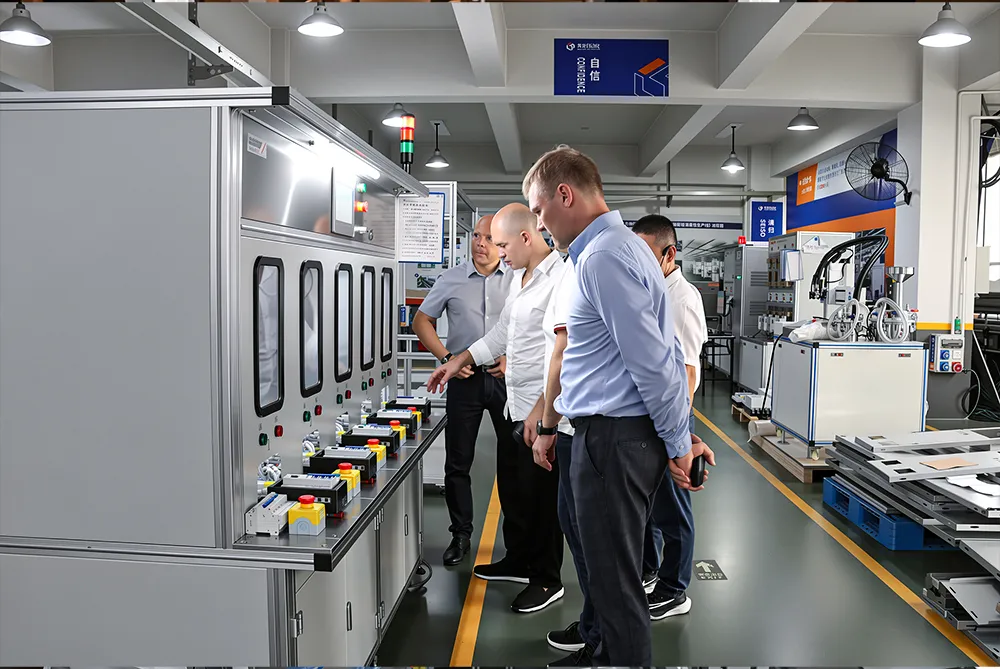

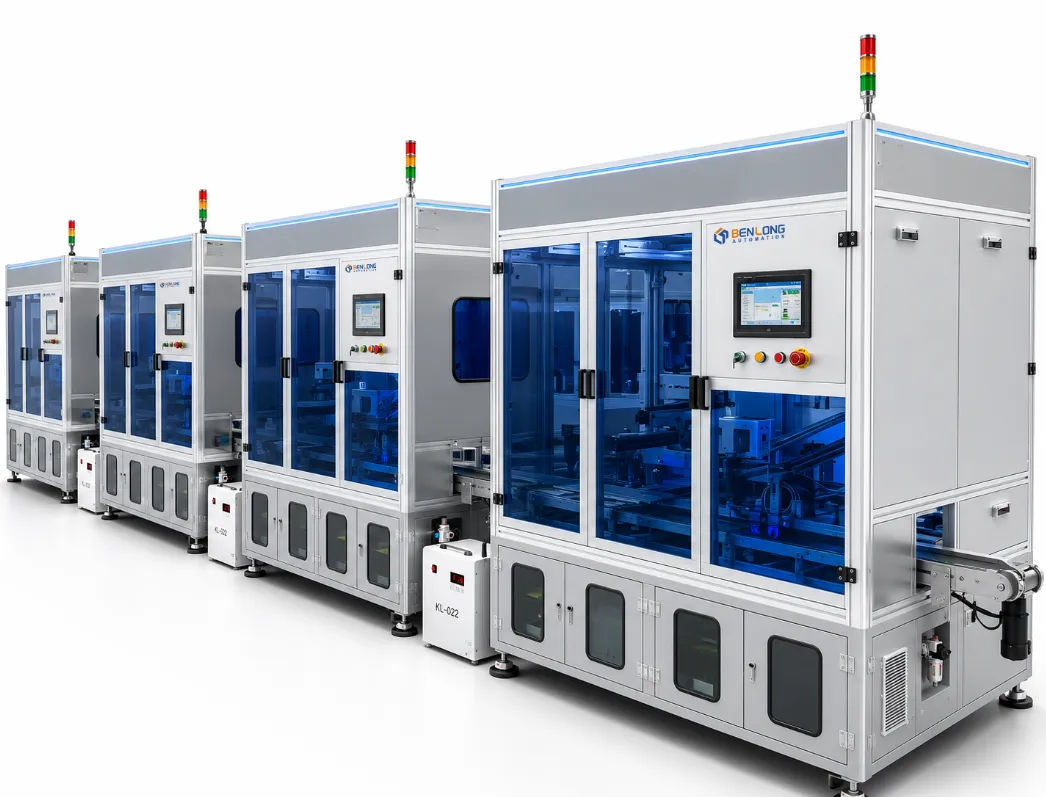
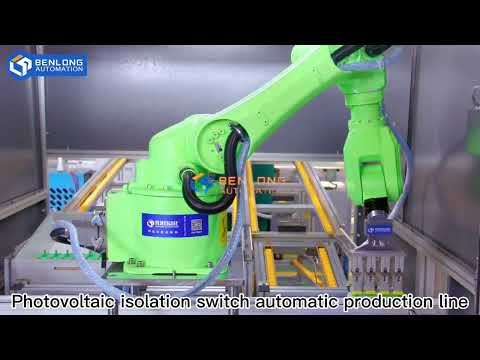
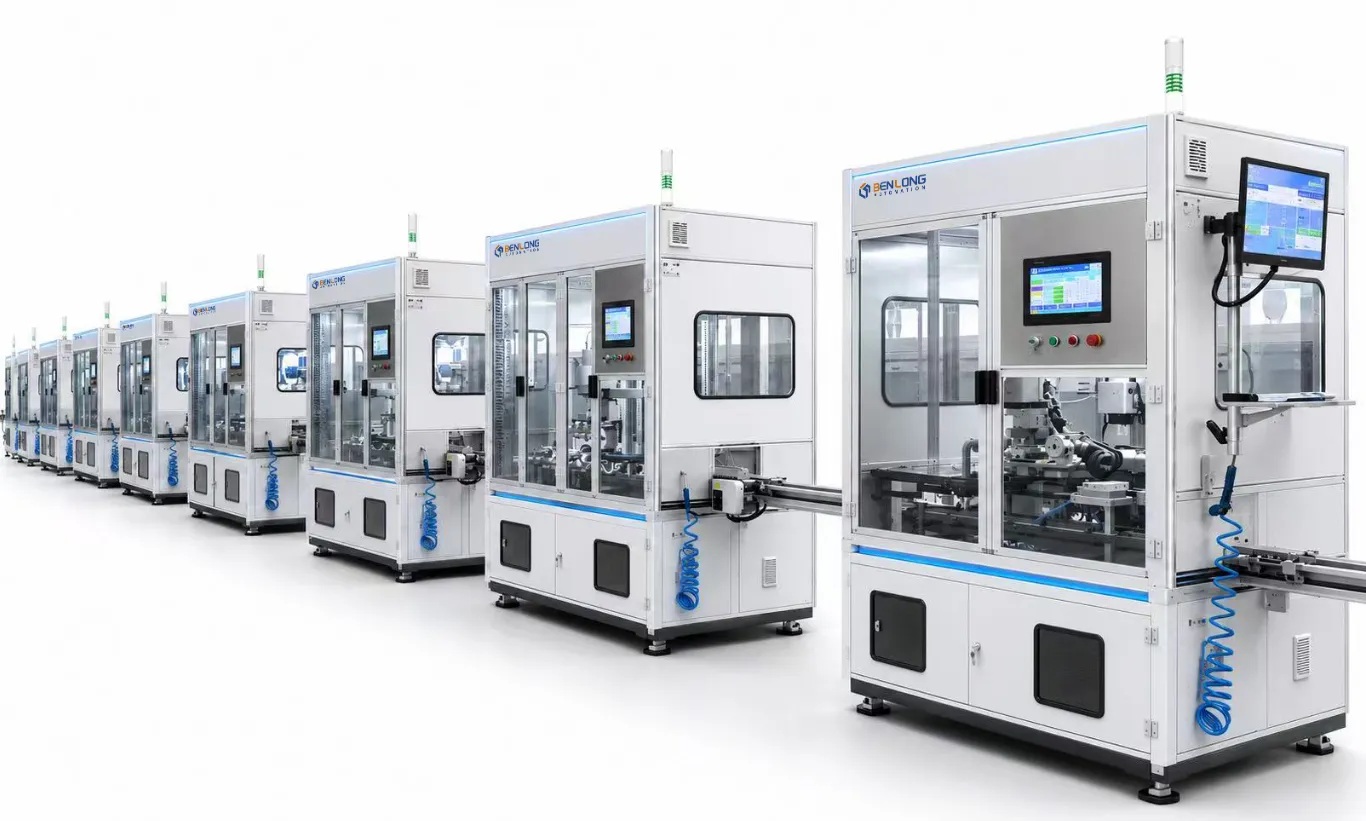
Automatische Fertigungslinie für DC-Trennschalter
Automatische Fertigungslinie für kundenspezifische DC-Trennschalter in PV-Anwendungen. Automatisiert die Klemmenmontage, die Kalibrierung von Drehmoment und Hub, die Positionierung der Lichtbogenkammer, die Mehrpolmontage (2P–8P), die Hochspannungsprüfung (5 kV) und die MES-Rückverfolgbarkeit. UL/IEC-konform. 3–4 Bediener pro Schicht. Ideal für Solarkombinierer und Wechselrichter.
Vollautomatische Produktionslinie für DC-Trennschalter für PV-Anwendungen
Eine vollautomatische Produktionslinie für DC-Trennschalter ist ein fortschrittliches Fertigungssystem für Photovoltaik-DC-Trennschalter (2P-8P). Um die Leistungsfähigkeit der PV-Schalter zu gewährleisten, erfüllt diese Linie die Produktanforderungen für PV-Schalter in den folgenden Bereichen:
1. Konstanter Kontaktdruck
2. Genaues Wellendrehmoment
3. Zuverlässige Positionierung der Lichtbogenlöschanlage
4. Die Isolationszuverlässigkeit für Hochspannung erfüllt sowohl die UL- als auch die IEC-Anforderungen. Die Fertigungslinie automatisiert alle Prozesse der PV-Schalterherstellung, einschließlich Gehäusezuführung, Anschlussklemmenmontage, Hauptkontaktmontage, Kalibrierung des Drehmechanismus, Lichtbogenkammermontage, Stapelung der Mehrpolbauteile und vollständige Prüfung.

Automatisierte Systeme – wie z. B. automatische Gehäuse- und Klemmenmodulzuführungen, CCD-geführte Kupferschieneneinführung, Federpressung, drehmomentgesteuertes Anziehen von Schrauben, Kontaktdrucküberwachung, Presspassung von Knöpfen, Nocken und Wellen, Hubwinkelerkennung (EIN/AUS), Platzierung von Lichtbogenlöschplatten, Mehrpolnieten und Hochspannungsprüfung (bis zu 5000 Volt) – tragen alle zu einer gesteigerten Produktivität der Linie bei. Ein integriertes Rückverfolgbarkeitssystem mit Lasermarkierung, Datamatrix und MES erfasst alle Testergebnisse. Die Linie erreicht einen extrem hohen Durchsatz mit nur 3 bis 4 Bedienern pro Schicht (Materialhandhabung, Instandhaltung, Qualitätskontrolle und Verpackung). Die auf dieser Linie gefertigten Produkte werden in einer Vielzahl von Anwendungen eingesetzt, z. B. als 2-, 4-, 6- und 8-polige DC-Trennschalter für Solar-Combiner-Boxen, Wechselrichter und Batteriespeichersysteme.
Standardlieferzeit: 90–120 Tage | Anpassbar für 2P–8P | UL/IEC-konforme Prüfung
Was ist eine automatische Produktionslinie für Gleichstrom-Trennschalter?
Eine vollständig automatisierte Produktionsanlage zur Herstellung von PV-DC-Trennschaltern wird als DC-Trennschalter-Produktionslinie (auch DC-Trennschalter oder Lasttrennschalter genannt) bezeichnet. Diese Schalter dienen der sicheren Trennung von Solaranlagen, Wechselrichtern und Batteriespeichersystemen voneinander. Die Produktionslinie automatisiert den gesamten Prozess von der Montage des Gehäuses und der Klemmen über das Einsetzen der Kupfersammelschienen, das Verpressen der Feder, das Anziehen der Schrauben, die Montage der Kontakte, die Kalibrierung der Drehmechanismen (Drehmoment und Hub), die Platzierung der Lichtbogenlöscher, das Stapeln der Pole (2- bis 6-polig) bis hin zur Endprüfung. Die Produktionslinie erfüllt die hohen Anforderungen der PV-Industrie, z. B. gleichmäßiger Kontaktdruck zur Vermeidung von Lichtbögen, stabiles Drehmoment des Drehknopfes (Ein-/Ausschaltkräfte entsprechen UL 508I oder IEC 60947-3), Hochspannungsisolation (Hochspannungsprüfungen bis 5 kV für 1000-V-/1500-V-Systeme) und vollständige Rückverfolgbarkeit der Komponenten. Diese Produktionslinie ist eine Sonderanfertigung und wird individuell nach Ihrem Schaltertyp/Design, der Stromstärke (16A bis 200A) und den Produktionsmengen gefertigt.
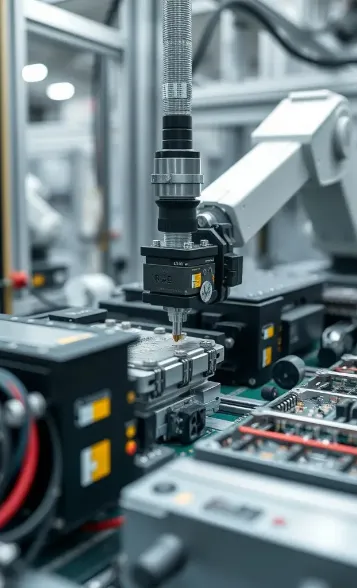
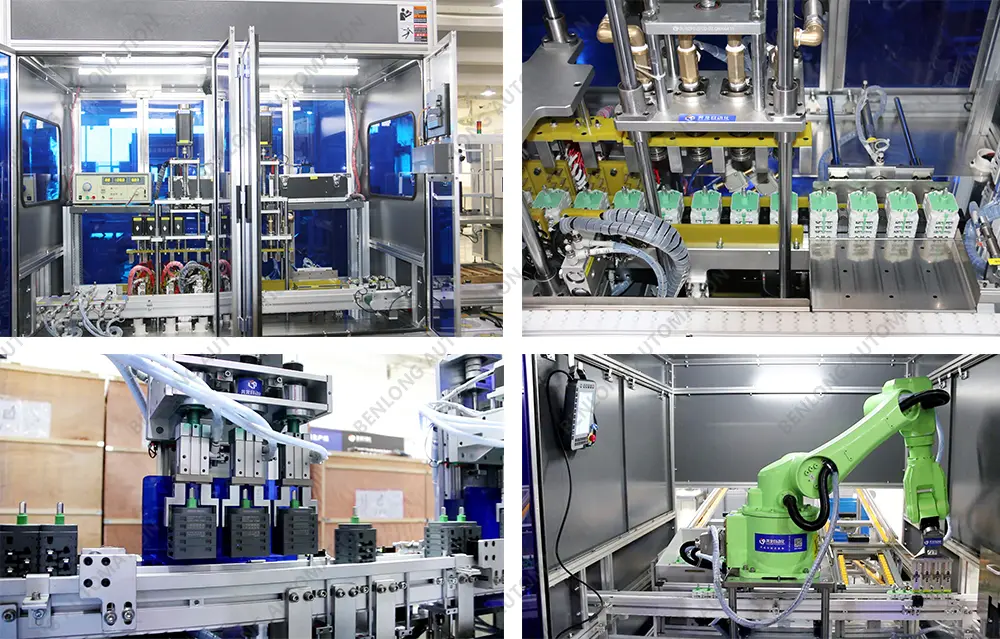

Ausrichtung der Kupfersammelschiene, Federpressen und drehmomentgesteuertes Anziehen der Schrauben mit CCD-Verifizierung.
Einpressen von Knopf/Nocken/Welle, Aufzeichnung der Drehmomentkurve und Erkennung des EIN/AUS-Hubwinkels.
Automatische Zuführung, Einbringung und Positionierung von Lichtbogenplatten und Isolierwänden mit Ultraschallprüfung.
Automatische Ausrichtung, Vernietung und CCD-Ebenheitsprüfung für 2P‐8P-Modulstapel.

Produktionslinienmodule & Prozess

Technische Spezifikationen
| Unterstützte Mastkonfigurationen | 2P, 4P, 6P, 8P (modulare Stapelung) |
|---|---|
| Nennstrom des Schalters | 16A – 200A DC (anpassbar) |
| Hochspannungsprüfspannung | Bis zu 5000 V AC/DC, programmierbar, mehrpolig, simultan |
| Drehmomentprüfbereich | 0,5 – 10 N·m, automatische Kurvenaufzeichnung, EIN/AUS-Krafterkennung– |
| Hubwinkelerkennung | 0–180°, Genauigkeit ±0,5°, Positionsprüfung AUS–EIN– |
| Kontaktdrucküberwachung | Kraftmessdose (10–200 N), Echtzeit-Datenerfassung |
| Montagemodule | Gehäusezuführung · Klemmenmodulzuführung · Federeinbau · Kupfersammelschienenplatzierung · Schraubenanziehen (drehmomentgesteuert) · Kontaktmontage · Einpressen des Drehmechanismus · Lichtbogenrutschenzuführung · Mehrpoliges Vernieten · CCD-Prüfung |
| CCD-Inspektion | Fehlende Teile, Montageposition, Korrektheit der Etiketten, Planheit – |
| Rückverfolgbarkeit | Lasermarkierung (Modell, Charge, UL-Datei-Nr.) · DataMatrix/QR · MES-Integration |
| Linienpersonal | 3–4 Bediener pro Schicht (Materialbearbeitung, Instandhaltung, Qualitätskontrolle, Verpackung)– |
Technische Kernvorteile
Gleichmäßiger Kontaktdruck und Drehmoment
PV-Schalter erfordern einen präzisen Kontaktdruck, um Lichtbögen zu vermeiden. Die Anlage nutzt servogesteuertes Pressen mit Kraftüberwachung und automatisches Anziehen der Schrauben mit Drehmomentrückmeldung – manuelle Abweichungen werden eliminiert.
Zuverlässigkeit der Hochspannungsisolation
Jeder Schalter wird einer Hochspannungsprüfung (bis zu 5 kV) mit automatischer Leckstrombestimmung unterzogen. Die simultane Mehrpolprüfung gewährleistet die Einhaltung von UL 508I oder IEC 60947-3.
Kalibrierung des kompletten Drehmechanismus
Der Drehknopfantriebsmechanismus (Nocken, Welle, Griff) wird automatisch montiert, eingepresst und auf Betätigungsdrehmoment und Hubwinkel (EIN/AUS-Position) geprüft. Die Drehmomentkurven werden aufgezeichnet und müssen die UL-Kraftgrenzwerte einhalten.
Vollständige MES-Integration für Rückverfolgbarkeit
Jeder Schalter erhält einen laserbeschrifteten DataMatrix-Code (Modell, Charge, UL-Dateinummer). Alle Testergebnisse (Hochspannungstest, Drehmomenttest, Hubtest, Kontaktwiderstandstest) werden mit der Seriennummer verknüpft und zur vollständigen Rückverfolgbarkeit und Fernüberwachung der Gesamtanlageneffektivität (OEE) in das MES-System hochgeladen.
















Kundenerfolgsgeschichte – Hersteller von PV-Schaltern
Ein Hersteller europäischer PV-Combiner-Boxen benötigte die Automatisierung der Fertigung seiner 4- und 8-poligen DC-Trennschalter (1000 V/32 A). Aufgrund inkonsistenter Montageprozesse, die durch manuelle Handhabung mit falschem Drehmoment und Anpressdruck verursacht wurden, traten Feldausfälle auf.
Benlongs Unternehmen konnte eine maßgeschneiderte Produktionslinie für DC-Trennschalter mit insgesamt acht Arbeitsstationen entwickeln und liefern (Anschlussmontage, Kalibrierung des Drehmechanismus, Montage der Lichtbogenkammer, Vernieten von Mehrpolklemmen, Hochspannungsprüfung, Drehmoment-/Hubmessung, Lasermarkierung und automatische Verpackung). Die Ergebnisse wurden sechs Monate später berichtet:
Die 14-monatige Amortisationszeit für diese Produktlinie half dem Kunden auch dabei, die UL 508I-Zertifizierung zu erhalten und eine vollständige Rückverfolgbarkeitsdokumentation bereitzustellen.
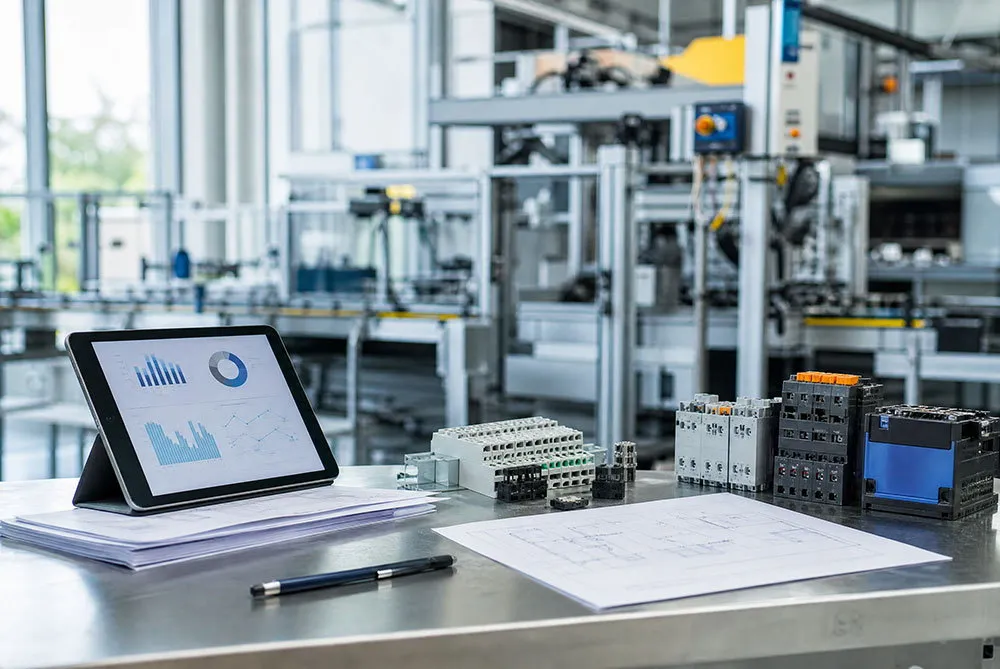
Anwendungen und Integration
Kundenspezifische Entwicklung & Lieferung
Fordern Sie ein individuelles Angebot für eine DC-Trennleitung an.
Bitte senden Sie uns Ihre Zeichnungen des Schalters, die Polkonfiguration (2-8-polig) sowie die Nennströme und die geplante Ausgangsleistung. Unser Ingenieurteam erstellt eine vollständig bestückte Testlinie inklusive Anschlussklemmen, Drehmoment-/Hubprüfung, Hochspannungsprüfung und MES (Messsystem-Engineering). Jedes Angebot beinhaltet zudem eine umfassende ROI-Analyse (Return on Investment).
WhatsApp: +86 150 5837 0007 | E-Mail: xsb@benlongkj.cn | Support in Englisch und Chinesisch
Warum Benlong für die Automatisierung von Gleichstromschaltern wählen?
- Mehr als 15 Jahre Erfahrung im Designbereich automatisierte Montagelinien für PV-Trennschalter und Isolatoren
- Nachgewiesene Expertise in der Überwachung des Kontaktdrucks, der Drehmomentkalibrierung und der Hochspannungsprüfung (5 kV).
- Mehrpol-Stapelung (2P–8P) mit CCD-Planheitsprüfung
- Vollständige MES-Integration – Lasermarkierung, DataMatrix, Seriennummernbindung, OEE-Überwachung
- Weltweiter Service und Ersatzteilsupport
Eine typische kundenspezifische Produktlinie umfasst:
Eine Liste der Produktoptionen umfasst:
* housing and terminal feeders
* copper busbar insertor
* spring press module and screw tightening module
* contact assembly station
* rotary mechanism press-fit and torque test
* arc-chute feeder and inserter
* multi-pole riveting machine
* hi-pot tester – 5000V
* torque and stroke measurement station
* CCD Inspection
* laser marker
* conveyor system
* PLC-HMI
* MES Interface
* automatic pack
* installation and training
* 1 yr warranty
Häufig gestellte Fragen
Diese Fertigungslinie unterstützt DC-Trennschalter mit 2, 4, 6 und 8 Anschlüssen. Um die Konfiguration zu ändern, muss entweder die Anzahl der gestapelten Module angepasst oder die Nietstationen neu programmiert werden. Dieser Vorgang dauert in der Regel weniger als eine Stunde.
Die beim Betätigen der Kontakte in servogesteuerten Pressstationen mittels Kraftmessdosen ausgeübte Kraft wird gemessen. Der Druck jedes Schaltkontakts wird erfasst und muss innerhalb eines programmierbaren Bereichs (z. B. 50–80 N) liegen. Jede Montage, die außerhalb dieses Bereichs liegt, wird automatisch aussortiert.
Die Hi-Pot-Station kann so konfiguriert werden, dass sie nach Kundenanforderungen, UL 508I oder IEC 60947-3 geprüft wird. Die Prüfspannung beträgt typischerweise 3 – 5 kV AC/DC für 1000 – 1500 Volt DC-Trennschalter mit einstellbaren Leckstromschwellenwerten.
Ja. Die Produktlinie verfügt über OPC-UA- oder Modbus-TCP-Schnittstellen. Testergebnisse (Drehmoment, Hub, Hochspannungsprüfung und Kontaktwiderstand) und Seriennummern werden in Echtzeit hochgeladen, zusammen mit Beispielintegrationscode für die gängigsten MES-Plattformen.
Für den Betrieb einer automatisierten Produktionslinie genügen drei bis vier Personen. Eine typische Schicht besteht aus einem Materialbearbeiter, einem Anlagentechniker, einem Qualitätsprüfer und einem Verpackungsmitarbeiter. Im Vergleich dazu benötigt eine manuelle Produktionslinie nur drei bis vier Mitarbeiter.
Verwandte Produkte
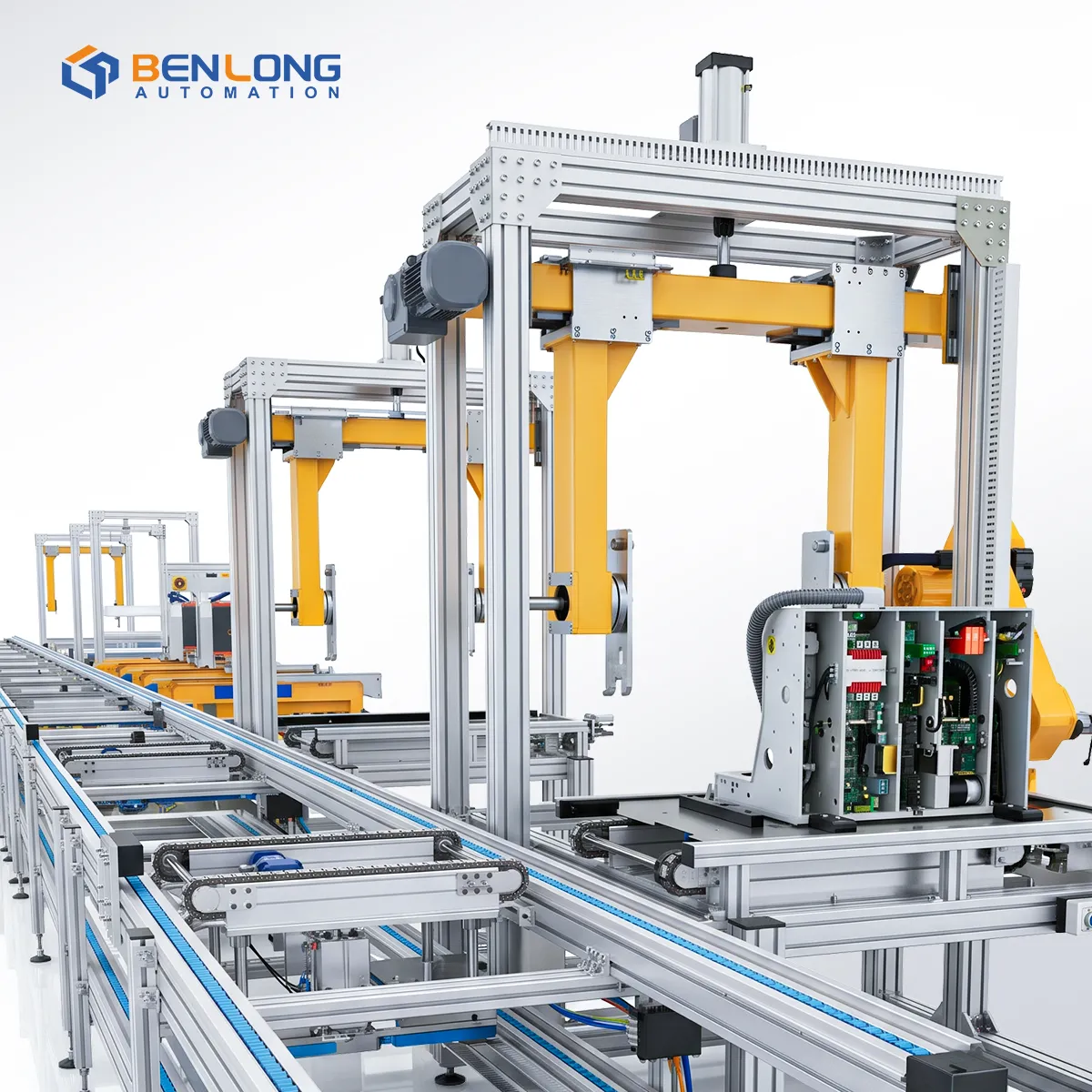
Automatische Produktionslinie für Vakuumleistungsschalter (VCB).
Details anzeigen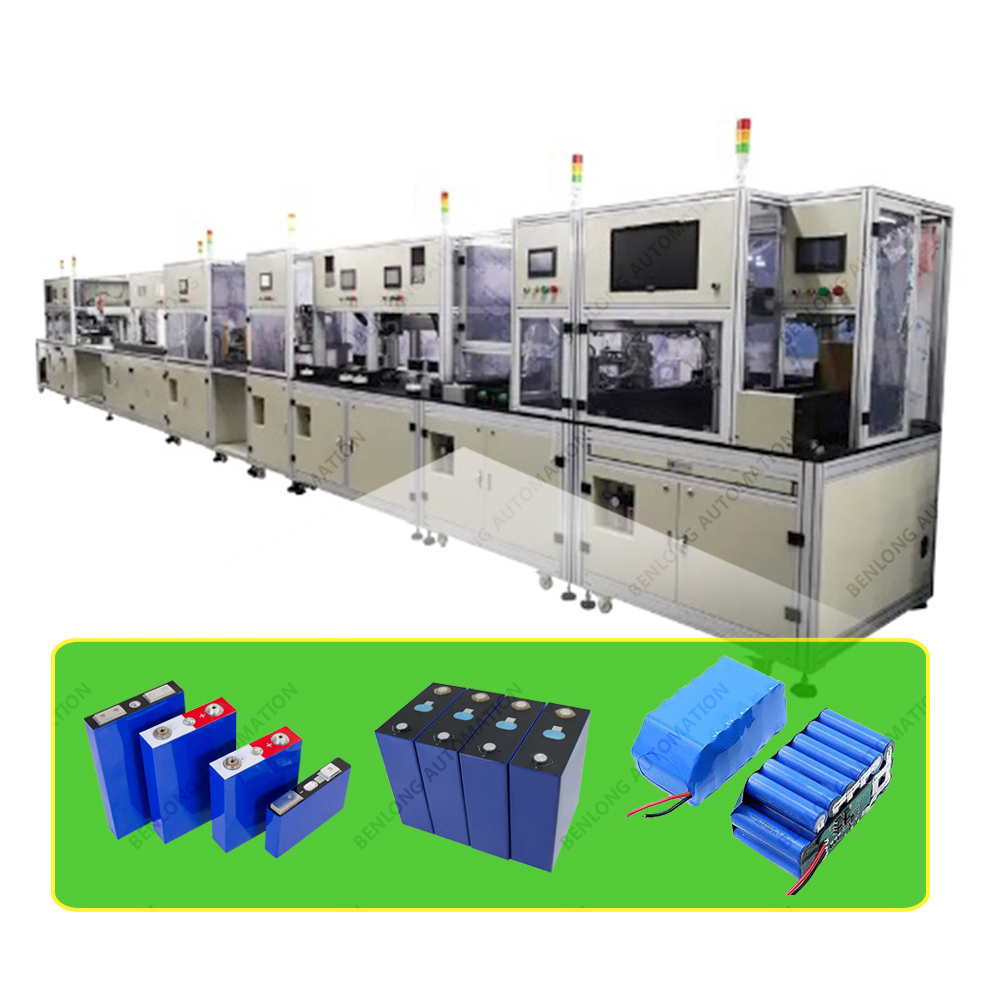
Automatisierte Produktionslinie für Lithium-Batterie-Pack-Module
Details anzeigen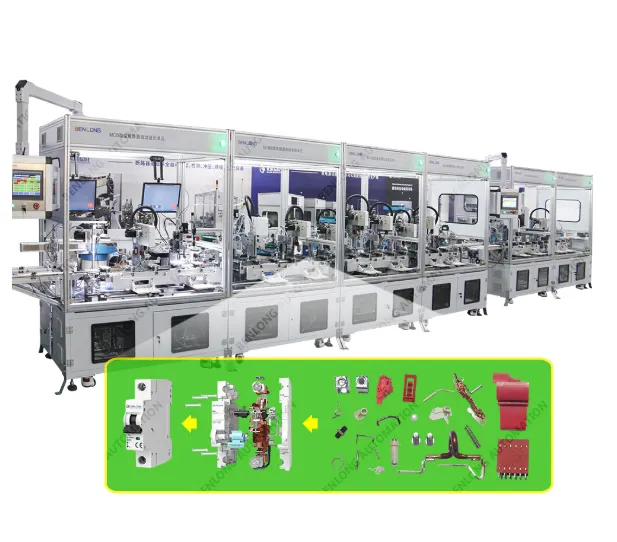
MCB-Automatisierungslinie
Details anzeigen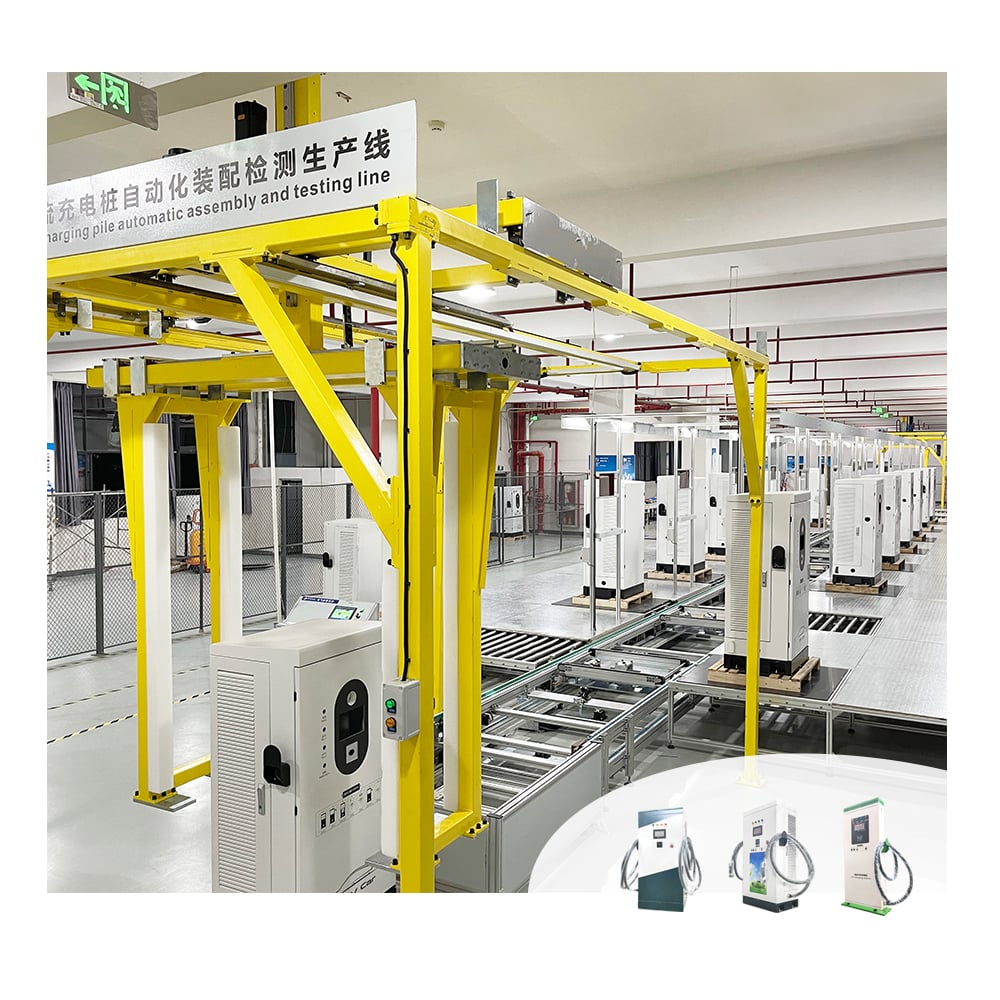
Automatische Produktionslinie für Gleichstrom-Ladesäulen
Details anzeigen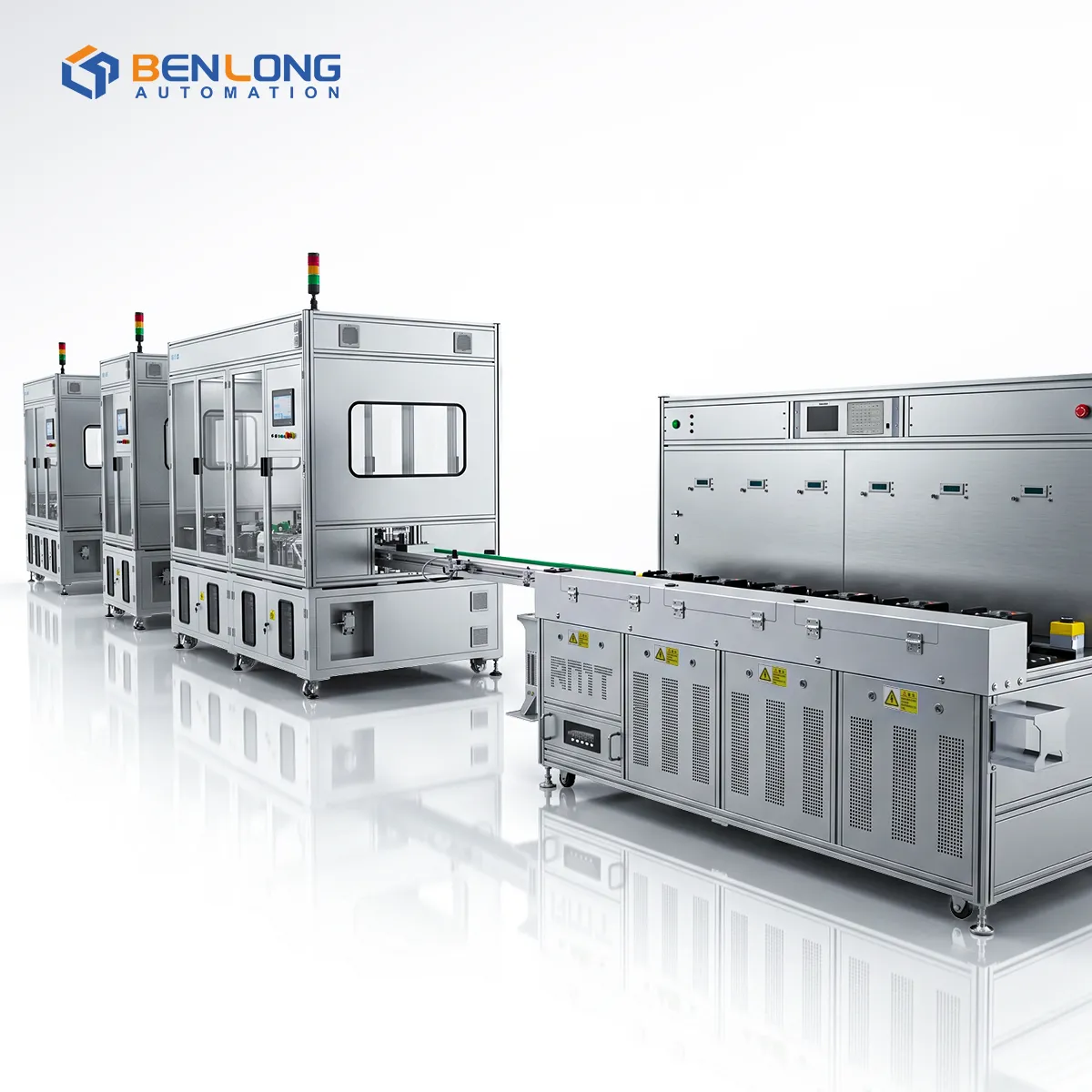
Automatische Produktionslinie für Drehstromzähler
Details anzeigen