benlong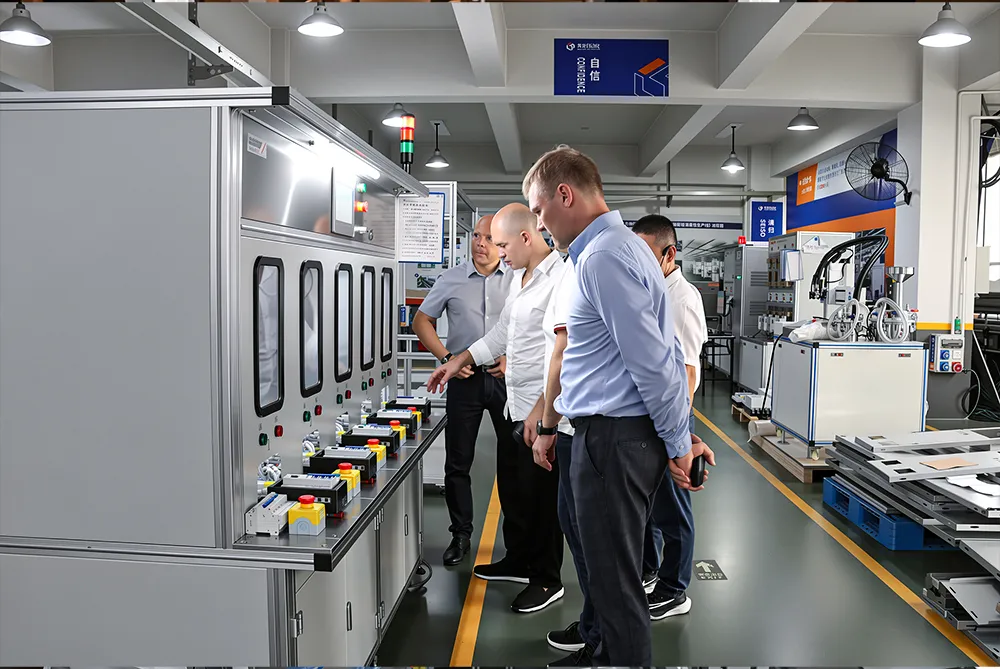


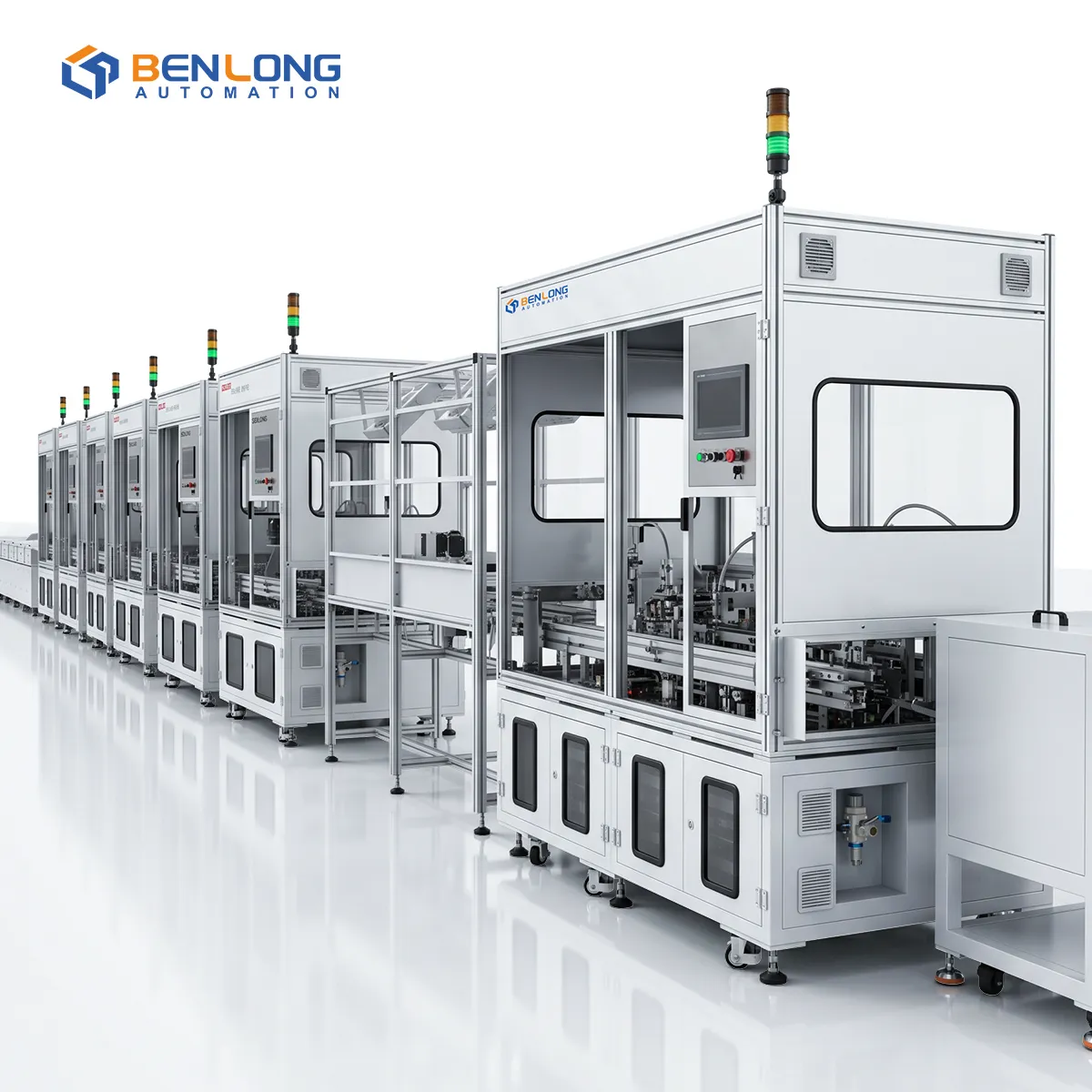
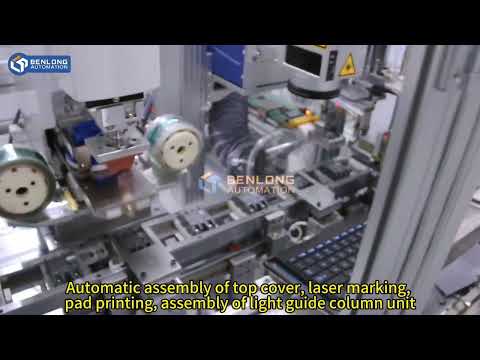
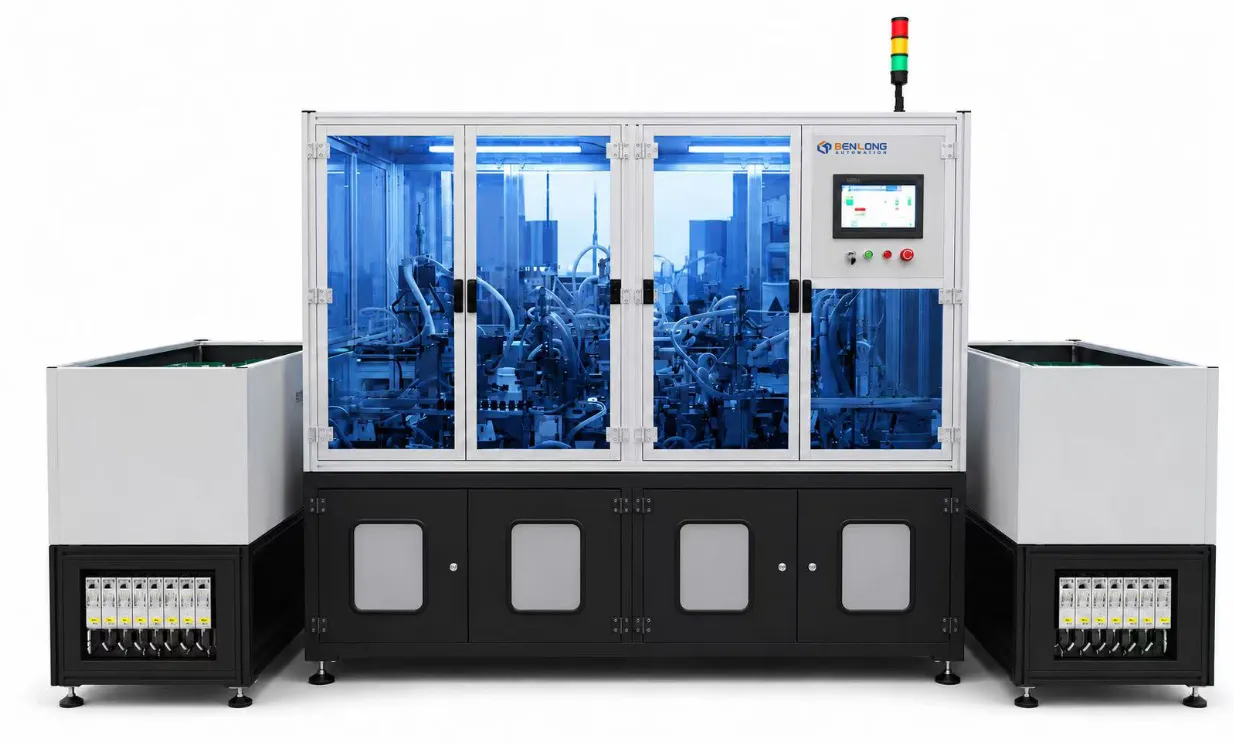
Solid State Relay Automated Production Line
Benlong Solid State Relay (SSR) automated production line integrates SMT placement, soldering, dispensing, functional testing (current, voltage, isolation, thermal), and MES traceability. Output 1,200-1,800 units/shift. Compliant with IEC 62314. Ideal for industrial SSR manufacturing.
Fully Automated Solid State Relay (SSR) Assembly & Test Line
The automated assembly line for Solid-State Relays is a very high efficiency and fully integrated manufacturing system manufactured for standard SSRs. The system provides automated material handling of the components, automated placement of the SMT components onto the PCB, precise soldering of the components, functional testing of the finished assemblies, and final inspection of the finished assemblies in a seamlessly integrated workflow. This entire assembly line provides for extremely consistent product quality, high throughput (up to 1200–1800 units/shift), and 100% traceability of the entire manufacturing process; thereby making this assembly line ideal for use in industrial control, HVAC, power distribution, and general automation applications.
The intelligent vision system, high-accuracy dispense system and servo drive-powered assembly station form a complete processing line that produces all of the steps necessary for manufacturing SSRs, including loading the PCB (printed circuit board), placing components (LED, TRIAC and isolators), wave soldering or selecting solder, dispensing glue, assembling the housing and performing inline functional tests. The key electrical variables, including rated current, voltage performance, isolation strength (dielectric withstand) and thermal characteristics, are automatically tested and recorded. All test results are uploaded in real time to the MES (manufacturing execution system) to provide complete traceability for each unit. As a result, this fully automated solution reduces reliance on human labor by at least 70% and also helps to eliminate any possibility of human error, which results in the production of standardized SSRs that comply with IEC 62314.
Standard delivery: 45-60 days | Output: 1,200-1,800 units/shift | MES-ready
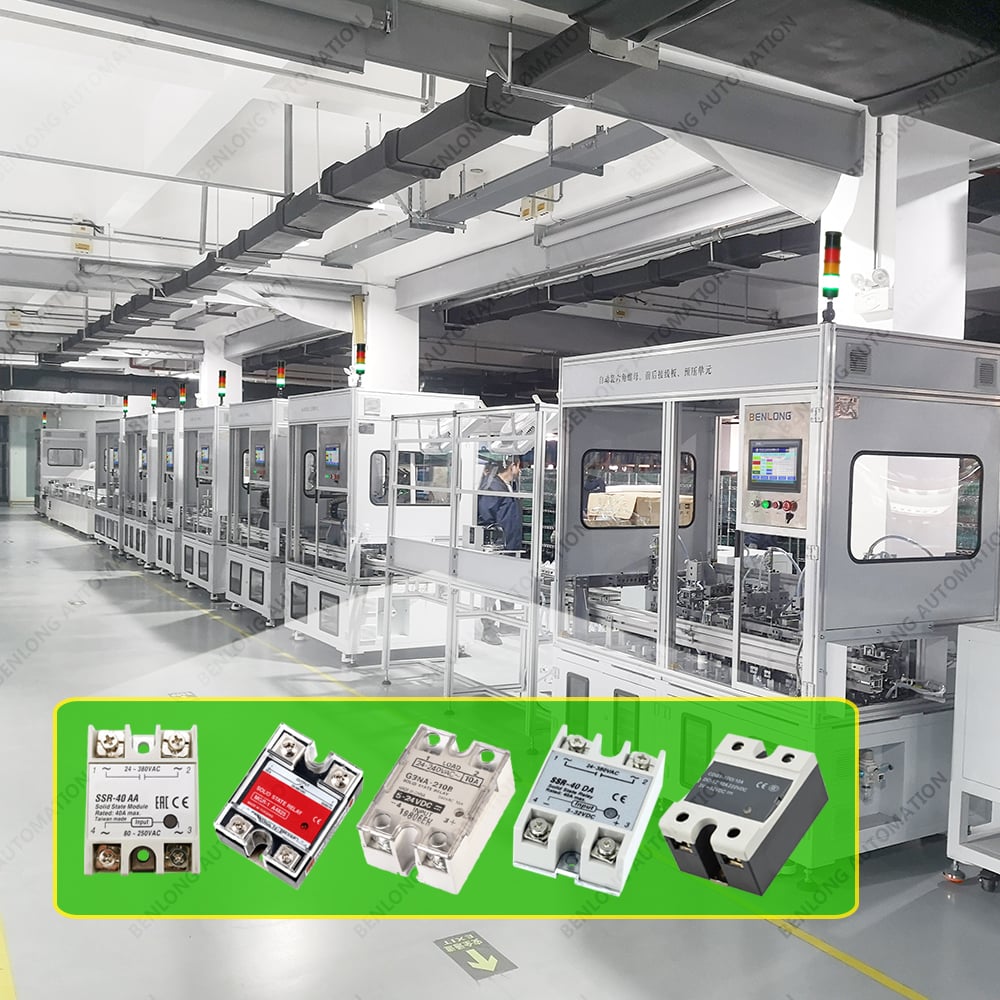
What is a Solid State Relay Automated Production Line?
An SSR automated manufacturing line is a complete way to manufacture SSR’s by combining the following processes into one single production line; PCB loading, SMT placing components (LED, TRIAC, opto), wave or selective soldering, automatic dispensing of thermal paste/potting compound, assembly of housing, then in-line functional testing of all SSR’s. Vision-guided components placed on PCBs by vision systems, along with servo-controlled dispensers, are used to manufacture; then manufacturing testers, programmable, test for each component; current, voltage, isolation and thermal – to ensure that every component meets the manufacturer’s specifications. Designed for high volume repeatable production; e.g., 10A, 25A, 40A, 60A, 100A rating standard SSR’s for industrial control, HVAC, and power distribution. Complies with IEC 62314 (Solid state relays – Safety requirements).
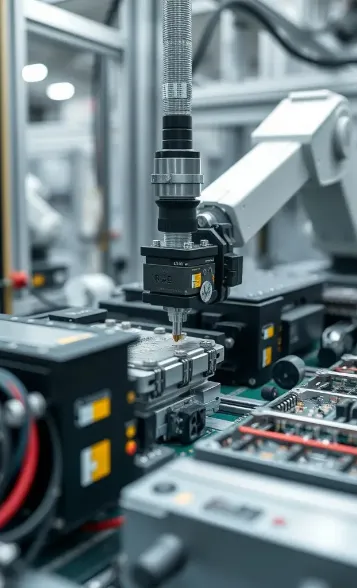

High-speed pick-and-place for LED, TRIAC, and passive components. Wave or selective soldering.
Post-solder inspection for bridging, missing components, and alignment.

Precision glue/potting dispenser, servo-driven housing placement.
Measures current rating, voltage drop, isolation strength (hi-pot), and thermal characteristics.
Production Line Features & Process

Technical Specifications
| Supported SSR types | Single-phase and three-phase, zero-crossing or random-fire, panel mount or PCB mount |
|---|---|
| Current rating range | 10A – 100A (configurable per product family) |
| Voltage rating | 24V – 480V AC output; 3-32V DC or 90-280V AC input |
| Production throughput | 1,200 – 1,800 units per 8-hour shift (depending on model) |
| Key process stations | PCB loader · SMT placement (LED, TRIAC, optocoupler) · Pre-wave fluxer · Wave soldering · Vision inspection · Dispensing (thermal paste) · Housing assembly · Functional test · Laser marking · Packing |
| Functional test coverage | Rated current carrying, output voltage drop, input current, isolation strength (hi-pot up to 2,500V AC), thermal protection (optional) |
| Inspection | Post-solder vision (bridging, missing components, polarity) and final visual check |
| Control system | PLC (Siemens/Mitsubishi) with HMI, centralized recipe management for 20+ SSR models |

| Data traceability | Barcode scanning per unit, test results uploaded to MES via OPC UA or Modbus TCP |
| Power supply | 380V ±10% 50Hz | Compressed air 0.5-0.7MPa |
Core Technical Advantages
Integrated SMT + through-hole capability
The line handles mixed-technology assemblies (SMT and leaded components) using a combination of pick-and-place and wave soldering modules – eliminating separate manual soldering stations.
Automatic thermal paste dispensing
Precise, programmable dispensing of thermal interface material between the TRIAC and heat sink ensures consistent thermal performance across every SSR.
Comprehensive electrical test station
In-line testing verifies rated current carrying, output voltage drop, input trigger current, isolation strength (up to 2,500V AC), and optional thermal cycling. All results stored per unit serial number.
Rapid changeover between models
Recipe-based parameter switching (component placement coordinates, test limits) allows changeover between different SSR current ratings in under 30 minutes.
















Customer Success Story
We aided a leading European Solid State Relay manufacturer to expand production capacity for their new series of 40A, panel-mount Solid State Relays by implementing our Solid State Relay automated production line, resulting in:
The line was fully paid back within a period of 11 months, and offered complete traceability for certification audits with respect to ISO 9001 and IEC 62314.
Applications and Production Integration
Standard Delivery and Commissioning
Request a Custom SSR Production Line Quote
Request your SSR samples, desired productivity, and Test Standards so that our engineers can develop a dedicated Automated Line that is fully compliant with IEC 62314 with an associated ROI analysis.
WhatsApp: +86 150 5837 0007 | Email: xsb@benlongkj.cn | English & Chinese support
Why Choose Benlong for SSR Automation?
- 15+ years designing solid state relay production lines for global brands
- Integrated SMT, soldering, dispensing, and testing in one line
- Proven functional test stations (current, voltage, isolation, thermal)
- Full MES integration with barcode traceability
- Worldwide service network (Europe, Asia, Americas, Middle East)
Standard Line Includes
PCB Loader · SMT Placement Machine · Wave Soldering Station · Visual Inspection · Automatic Dispenser · Robot Assembly Housing · Functional Test Bench (Current, Hi-Pot, Thermal) · Laser Mark · PLC with HMI (Siemens) · Conveyors · MES Interface · One (1) Set Change Parts · One (1) Year Warranty.
Frequently Asked Questions
This product line has been designed specifically to be used in racks through panels or through Circuit Boards at current ratings from 10 Amps (A) to 100 Amps. Also available as a zero-crossing SSR and random-fire (both available in single phase and 3 phases). The tooling will change based on the physical sizes of the elements used.
Yes, the line has a high speed pick & place machine for automatic placing of SMD (Surface Mount) components (e.g. LED’s, resistors, opto couplers, TRIAC’s) and then uses either a manual or an automatic insertion and wave soldering process for through hole components.
An automated dispensing unit transfers a controlled amount of thermal material or gap pads from the TRIAC to the heatsink. Each product model has the ability to program both the dispensing volume and dispensing pattern.
The functional we test station performs tests including verification of no false triggering through the rated current carrying test, output voltage drop tests (Vds), input trigger current tests, isolation withstand voltage tests (hi-pot, typically 2500VAC), and optional thermal cycling on high power models.
The communication between the line and the outside world uses OPC UA or Modbus TCP. All test results, bar codes scanned, and cycle counts are sent in real-time. Example integration code for normal MES systems is included.
Related Products
MCB automatic testing line
View Details
IOT Smart MCB automatic production line
View Details
DC Charging Pile Automatic production line
View Details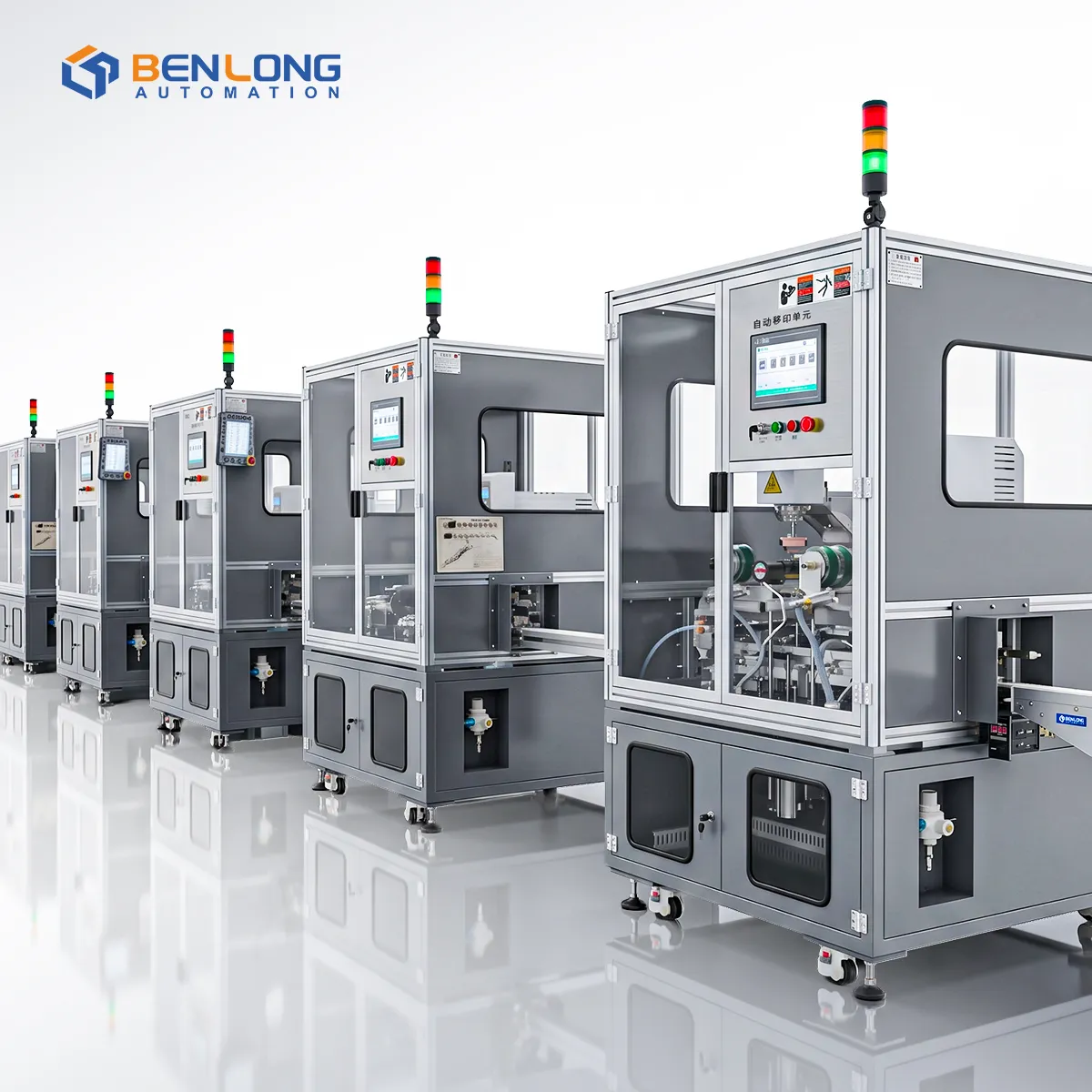
Surge protection Device (SPD) Automatic Production line
View Details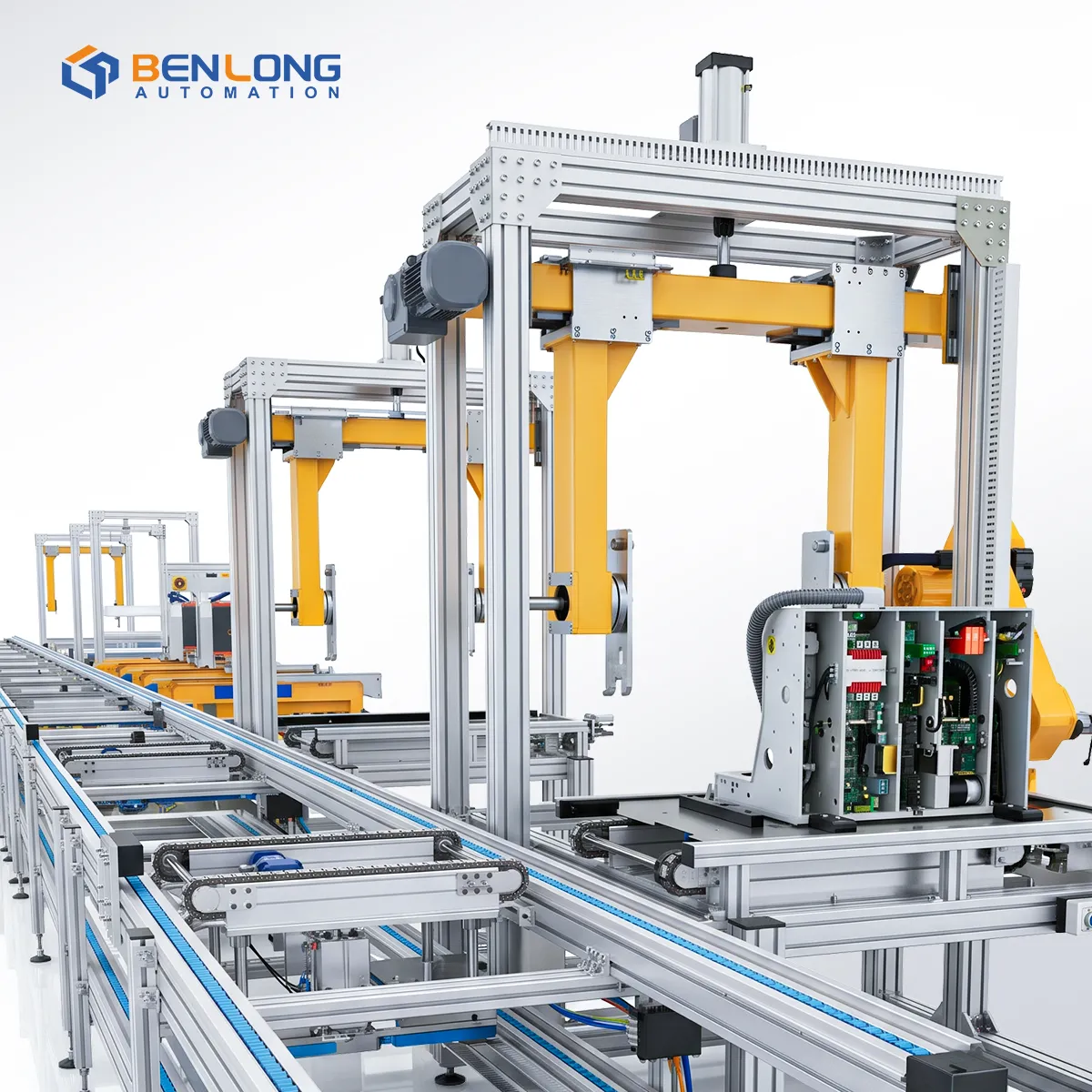
Vacuum circuit breaker (VCB) automaticproduction line
View Details