benlong



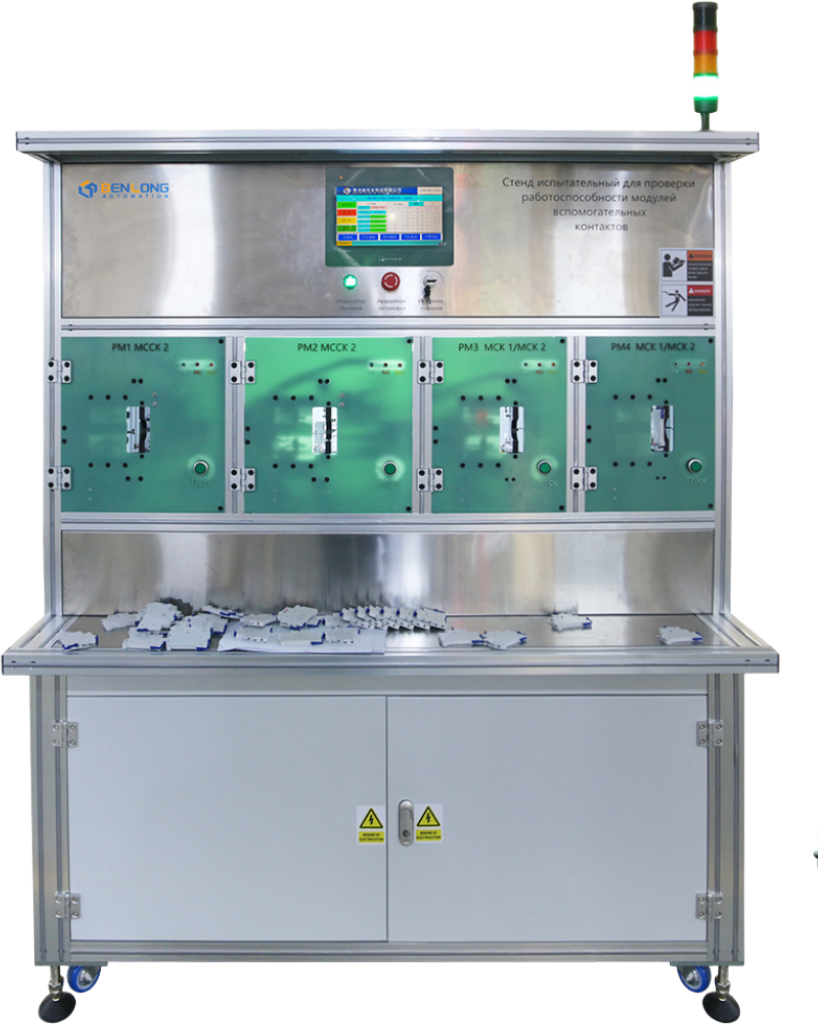
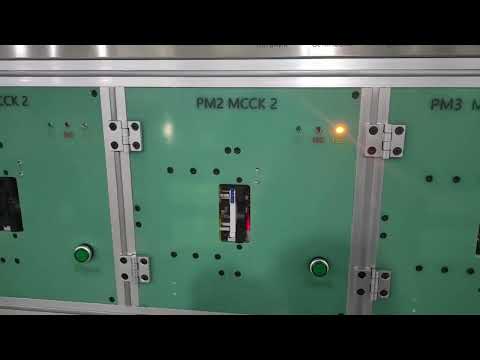
Bancada de testes de contato auxiliar e de sinal
Banco de ensaio de contactos auxiliares e de sinalização para RCBO/MCB. Testa a lógica de modo duplo (auxiliar e alarme), a resistência dos contactos (<50 mΩ) e rigidez dielétrica (1500 V/2000 V). Elimina falsos alarmes, deteta oxidação e garante a integridade do isolamento. Ideal para laboratórios de controlo de qualidade e linhas de produção. Em conformidade com a norma IEC 60947‑5‑1.
Bancada de ensaio de contactos auxiliares e de sinalização para RCBO/MCB
Os testes automatizados e manuais dos contactos auxiliares e dos contactos de alarme (ou sinais) são realizados em bancada. A bancada irá confirmar que o estado do contacto mudou de normal para inverso (ou vice-versa) sempre que a alavanca do disjuntor for aberta ou fechada manualmente (verificar o estado de um contacto auxiliar sempre que uma pessoa abrir ou fechar manualmente a alavanca do disjuntor). A bancada confirmará que o estado do contacto NÃO se alterará enquanto o disjuntor estiver a ser aberto manualmente (verificar o estado de um contacto de alarme enquanto uma pessoa estiver a abrir manualmente o disjuntor) nem se alterará quando ocorrer uma falha, mas ALTERARÁ de estado quando for simulado um disparo por falha. (A simulação é realizada através do botão de teste do RCBO ou da criação de um curto-circuito total.) O banco de ensaio medirá também a resistência do contacto auxiliar utilizando um micro-ohmímetro e realizará testes de alta tensão para confirmar que não ocorre corrente de fuga. O banco de ensaio é adequado para laboratórios de controlo de qualidade e linhas de produção, bem como para a inspeção à entrada de um módulo de contacto auxiliar.
Entrega padrão: 30-45 dias | Testes lógicos de modo duplo | Resistência de contacto e teste de alta tensão

Que problemas resolve esta bancada de ensaio?
Os contactos auxiliares/de sinal são componentes essenciais na monitorização remota de disjuntores. No entanto, existem três problemas principais comuns tanto aos fabricantes como aos utilizadores de disjuntores: lógica de comutação incorreta (por exemplo, o disparo do alarme aquando da abertura manual, o que gera falsos alarmes); alta resistência de contacto (a oxidação dos contactos resulta na perda de transmissão do sinal); e quebra de isolamento (o que pode constituir um problema de segurança). O banco de ensaio resolverá estes três problemas através de uma sequência testada para validar a lógica de modo duplo (Auxiliar vs. Alarme) e medir a resistência de contacto (para identificar disjuntores avariados).
Teste o modo auxiliar (os contactos alteram-se com a manivela) e o modo de alarme (os contactos só se alteram em caso de desligamento por falha e não em caso de abertura manual).
Mede a resistência dos contactos fechados (<50 mΩ, valor típico) – deteta oxidação ou mau contacto que possam causar falhas no sinal.
Aplica 1500 V ou 2000 V CA entre os terminais para verificar a integridade do isolamento, de acordo com a norma IEC 60947‑5‑1.
Verifica o encaixe e o funcionamento corretos do contacto auxiliar/de sinalização quando montado num RCBO/MCB.

Processo de teste e vantagens para o cliente



Especificações técnicas
| Funções de teste | Lógica do modo auxiliar, lógica do modo de alarme, resistência de contacto, rigidez dielétrica (hi-pot), interbloqueio mecânico |
|---|---|
| Medição da resistência de contacto | Intervalo de 0 a 200 mΩ, precisão de ±1%, corrente de teste de 1 A CC (micro-ohmímetro) |
| Aceitação da resistência de contacto | <50 mΩ (típico), limite programável |
| Tensão de ensaio de alta tensão | 1500 V CA / 2000 V CA (programável, 1 a 60 segundos) |
| Limiar de corrente de fuga | Programável (por exemplo, 5 mA, 10 mA) |
| Teste do modo auxiliar | Operação manual da alavanca (fechar/abrir) – verificação automática da continuidade nos contactos NO/NC |
| Teste do modo de alarme – abertura manual | O contacto NÃO deve alterar o seu estado |
| Teste do modo de alarme – simulação de desligamento por falha | O contacto deve mudar de estado (NO → fechado, NC → aberto) instantaneamente |
| Método de simulação de disparo por falha | Para o RCBO: pressão automática do botão “T”; para o MCB: injeção de corrente de curto-circuito (opcional) |
| Fonte de energia | 220 V ±10% 50 Hz |
Principais vantagens para o cliente – Por que razão os fabricantes utilizam esta bancada
Vantagem 1: Elimina os falsos alarmes no terreno
Os contactos de alarme só serão testados para verificar se funcionam corretamente (ou seja, os contactos de alarme) quando ocorrer uma avaria real (por exemplo, ao premir o botão de teste do RCBO ou ao simular um curto-circuito). Serão também testados corretamente quando o disjuntor for aberto manualmente, sem provocar um falso alarme, o que ajudará a eliminar o desperdício de recursos necessários para reparar falsos alarmes que criam incerteza entre os clientes quanto à fiabilidade dos seus equipamentos.
Vantagem 2: Deteta a oxidação dos contactos antes de esta provocar uma avaria
As devoluções no terreno e as chamadas de assistência são dispendiosas para os fabricantes; a medição de uma elevada resistência de contacto (50 mΩ) provoca intermitência ou perda do sinal. Os fabricantes detetam este sinal intermitente e procedem à reparação do equipamento antes de este ser devolvido a um centro de assistência.
Vantagem 3: Garante a integridade do isolamento para maior segurança
Um ensaio de rigidez dielétrica é realizado aplicando a alta tensão especificada (1500 V ou 2000 V) entre os terminais e verificando se há falhas no isolamento, bem como corrente de fuga. Consequentemente, o ensaio de rigidez dielétrica é especialmente importante para dispositivos que possuem contactos auxiliares ligados a PLCs de baixa tensão ou a circuitos de controlo, uma vez que qualquer falha no material isolante pode resultar em danos em equipamento de automação muito dispendioso ou criar um risco de choque elétrico.
Vantagem 4: Testes rápidos e repetíveis
Ao automatizar a sequência de testes lógicos em modo duplo, os testes em bancada podem agora concluir a validação/teste de um módulo de contacto auxiliar em menos de 30 segundos, em comparação com os vários minutos necessários para os testes manuais com multímetro. Um único operador pode testar centenas destes módulos durante um turno e os resultados repetíveis serão consistentes com a precisão 100%.
















Sucesso do Cliente – Eliminar devoluções por falsos alarmes
Uma empresa consolidada no setor dos RCBO tinha 5% das suas devoluções de campo direcionadas para módulos de contactos auxiliares, os quais geravam falsos alarmes quando o sistema era desligado manualmente. A empresa investigou a causa destes problemas e descobriu que a origem do problema residia em testes lógicos inconsistentes durante a produção. Posteriormente, introduziu uma bancada de testes de contactos auxiliares e de sinal com testes automatizados em modo duplo para verificação lógica e conseguiu:
A bancada recuperou os custos no prazo de 4 meses após a compra, além de ser a principal estação de testes para todos os contactos auxiliares produzidos.
Aplicações – Onde este banco de trabalho acrescenta mais valor
Engenharia e entrega personalizadas
Solicite um orçamento personalizado para uma bancada de ensaio de contactos auxiliares
Por favor, forneça as especificações de teste dos contactos auxiliares/de sinal e amostras. Iremos conceber um banco de ensaio que inclua testes de modo duplo, de resistência de contacto (baixo nível) e de alta tensão, e calcularemos o retorno do investimento (ROI).
WhatsApp: +86 150 5837 0007 | E-mail: xsb@benlongkj.cn | Suporte em inglês e chinês
Por que escolher a Benlong para bancadas de ensaio de contacto?
- Mais de 15 anos de experiência em design. equipamento de teste de contacto para componentes elétricos de baixa tensão
- Teste lógico comprovado em modo duplo (Auxiliar vs. Alarme) – elimina os falsos alarmes
- Medição integrada da resistência de contacto (precisão de ±1%) e ensaio de alta tensão
- Suporte universal para vários modelos de contactos auxiliares
- Serviço global e suporte de peças de reposição
O banco padrão inclui
Dispositivo universal de contacto de sinal auxiliar, com acionamento automático da alavanca no modo auxiliar, simulador de desligamento por falha e/ou atuador do botão de teste para injeção de curto-circuito. Microohmímetro para medição da resistência de contacto. Testador de CA de alta tensão para 2000 V. PLC com IHM. Luzes indicadoras OK/NG. Caixa de segurança. Manuais do utilizador. Certificados de calibração. Garantia de 1 ano.
Perguntas frequentes
Os contactos para o modo auxiliar mudam de estado a cada acionamento da alavanca do disjuntor, quer se trate de um acionamento manual (como a abertura ou o fecho) ou de uma indicação remota da posição; não mudam de estado devido a um evento de disparo (falha), como uma sobrecarga ou um curto-circuito. Os contactos utilizados no modo de alarme indicam o estado do disjuntor no momento do disparo, causado por uma falha. O objetivo de testar o banco de ensaio em ambos os modos é verificar o funcionamento esperado dos contactos.
No caso dos RCBOs, não é necessário criar o circuito de teste, uma vez que o banco de ensaio realiza automaticamente o teste ao premir o botão T (teste) localizado na tampa do disjuntor. No caso dos MCBs, o banco de ensaio pode injetar uma corrente de curto-circuito ajustável para criar as condições necessárias ao funcionamento do mecanismo de disparo magnético; alternativamente, a utilização de um atuador mecânico para acionar o mecanismo também exigirá a criação de um circuito de teste. A alteração do estado dos contactos é verificada em tempo real.
A norma IEC 60947‑5‑1 recomenda <50 mΩ para contactos novos. O equipamento permite definir um limite superior programável (por exemplo, 50 mΩ). Uma resistência mais elevada indica oxidação, contaminação ou pressão de contacto insuficiente, o que pode levar a uma transmissão intermitente do sinal.
Sim. O suporte universal dispõe de sondas que podem ser ajustadas para se adaptarem a várias configurações de pinos. Assim que a receita do produto for selecionada, a sequência de teste determinará a configuração de pinos por si.
O banco de ensaios verifica a continuidade dos contactos NO e NC ao longo de toda a sequência de ensaio. No ensaio auxiliar, deve haver continuidade no contacto NO enquanto o disjuntor estiver na posição ON e no contacto NC enquanto o disjuntor estiver na posição OFF. O modo de alarme irá verificar se apenas o contacto adequado altera o seu estado quando ocorre um disparo por falha.
Produtos relacionados
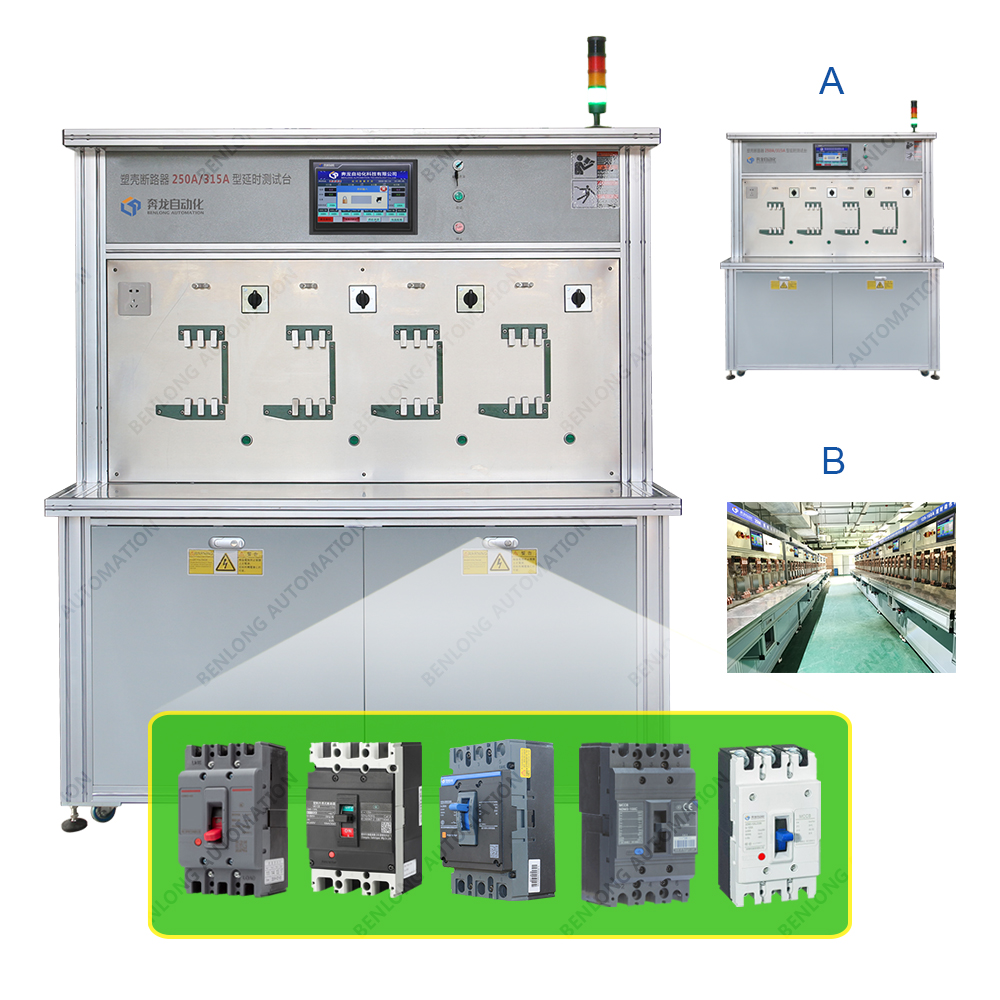
Bancada de calibração térmica manual para MCCB
Ver detalhes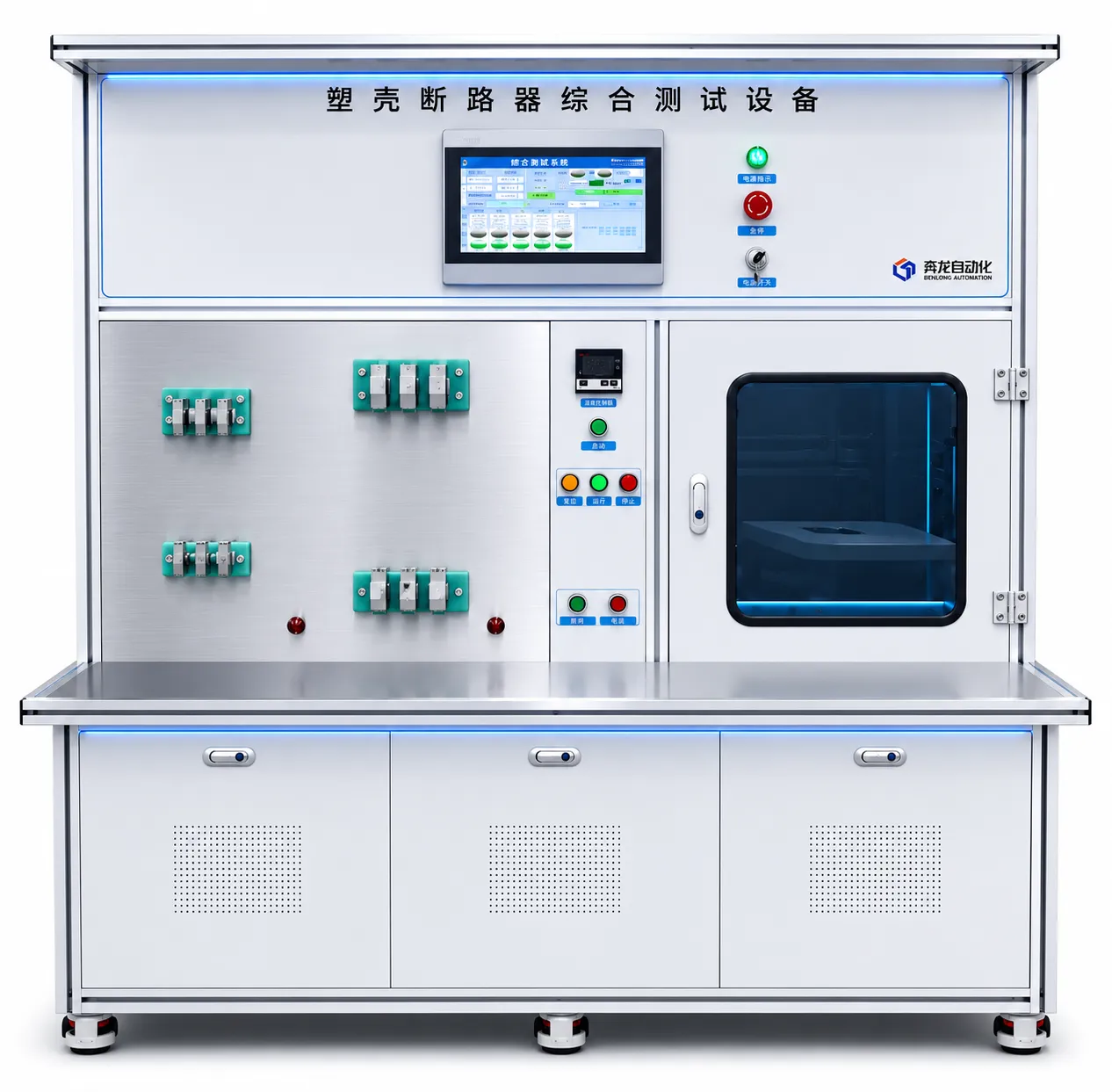
MCCB Laboratory Integrated Testing bench
Ver detalhes
Bancada de Teste de Resistência Elétrica MCB
Ver detalhes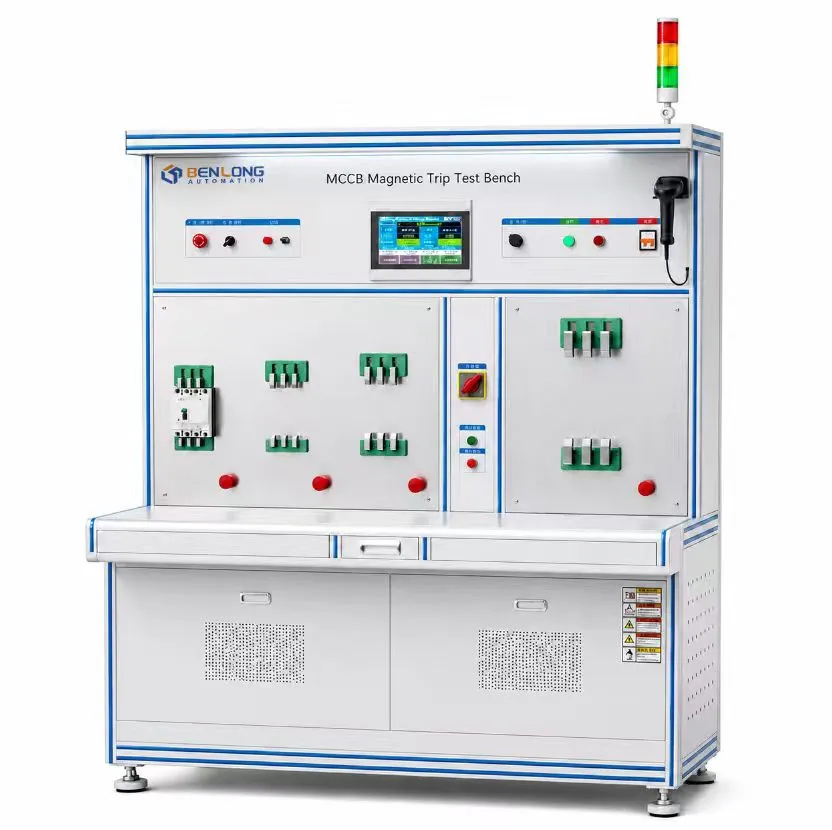
Bancada de teste de disparo magnético manual do MCCB
Ver detalhes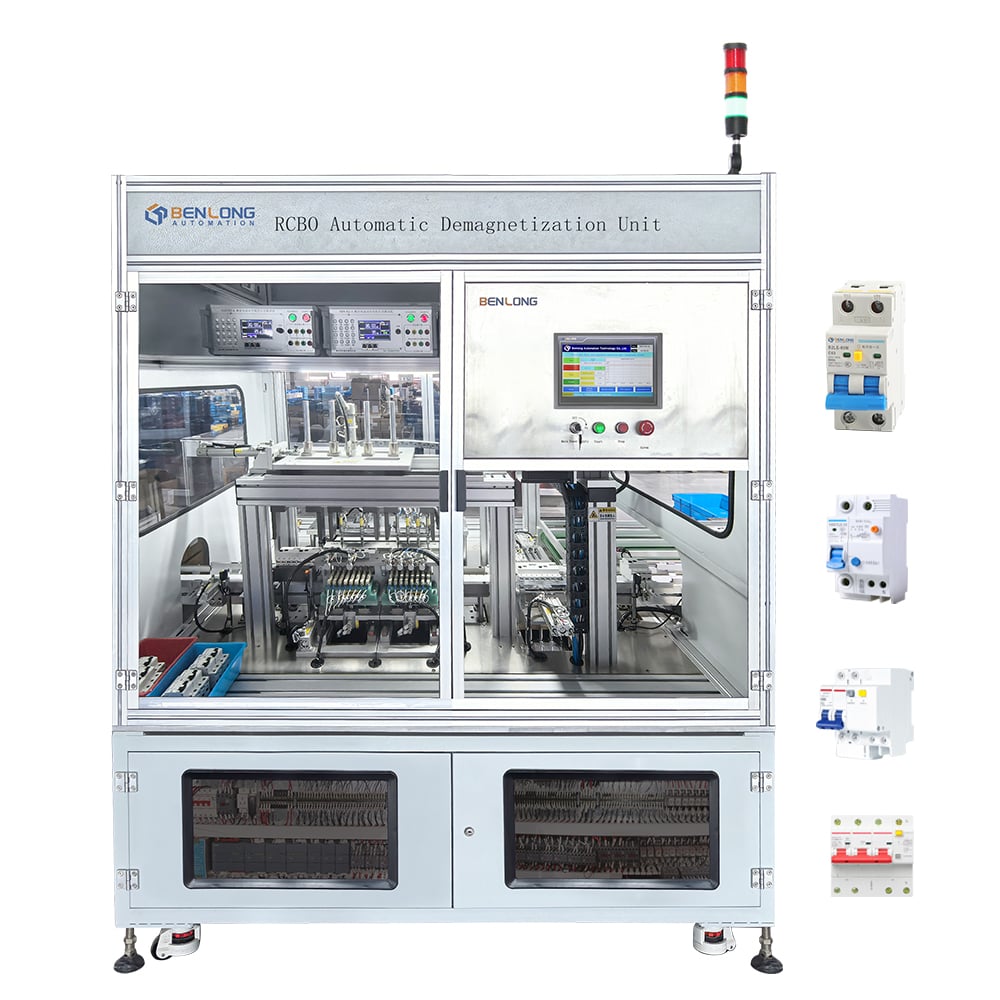
RCBO Reinicialização Magnética Automática + Máquina de Teste
Ver detalhes