Benlong



Prüfstand für Hilfs- und Signalkontakte
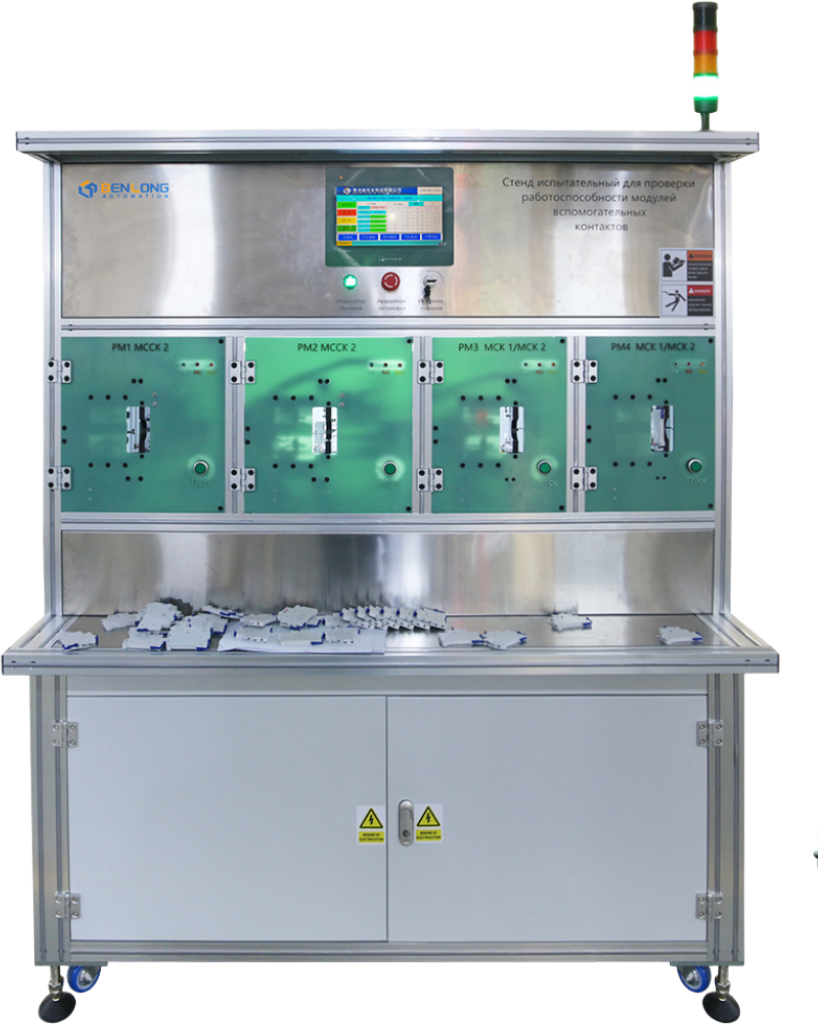
Prüfstand für Hilfs- und Signalkontakte von RCBO/MCB. Prüft die Dual-Mode-Logik (Hilfs- und Alarmkontakt) sowie den Kontaktwiderstand (<50 mΩ) und Durchschlagfestigkeit (1500 V/2000 V). Verhindert Fehlalarme, erkennt Oxidation und gewährleistet die Isolationsintegrität. Ideal für Qualitätskontrolllabore und Fertigungslinien. Entspricht der Norm IEC 60947-5-1.
Prüfstand für Hilfs- und Signalkontakte für RCBO/MCB
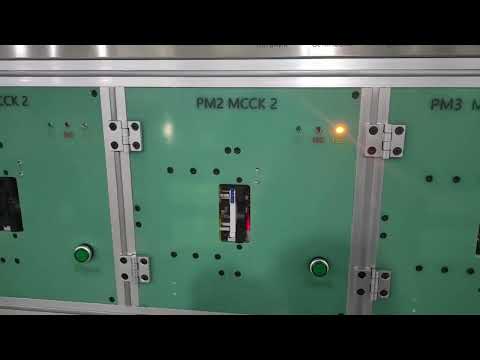
Die automatische und manuelle Prüfung von Hilfskontakten und Alarmkontakten (bzw. Signalen) erfolgt auf dem Prüfstand. Der Prüfstand bestätigt, dass sich der Kontaktzustand bei jedem manuellen Öffnen oder Schließen des Leistungsschaltergriffs von „Normal“ auf „Umgekehrt“ (oder umgekehrt) ändert (Überprüfung des Zustands eines Hilfskontakts bei jedem manuellen Öffnen oder Schließen des Leistungsschaltergriffs durch eine Person). Der Prüfstand bestätigt, dass sich der Kontaktzustand NICHT ändert, während der Leistungsschalter manuell geöffnet wird (Überprüfung des Zustands eines Alarmkontakts, während eine Person den Leistungsschalter manuell öffnet), und dass er sich bei Auftreten eines Fehlers nicht ändert, wohl aber seinen Zustand ändert, wenn eine Fehlerauslösung simuliert wird. (Die Simulation erfolgt entweder über die RCBO-Testtaste oder durch Herbeiführen eines Kurzschlusses.) Der Prüfstand misst außerdem den Widerstand des Hilfskontakts mit einem Mikroohmmeter und führt Hochspannungsprüfungen durch, um sicherzustellen, dass kein Ableitstrom auftritt. Der Prüfstand eignet sich für Qualitätskontrolllabore und Fertigungslinien sowie für die Eingangskontrolle von Hilfskontaktmodulen.
Standardlieferung: 30–45 Tage | Dual-Mode-Logikprüfung | Kontaktwiderstand und Hochspannungsprüfung

Welche Probleme löst dieser Prüfstand?
Die Hilfs-/Signalkontakte sind wesentliche Komponenten bei der Fernüberwachung von Leistungsschaltern. Es gibt jedoch drei Hauptprobleme, die sowohl Herstellern als auch Anwendern von Leistungsschaltern gemeinsam sind: eine fehlerhafte Schaltlogik (z. B. Auslösen eines Alarms bei manueller Auslösung, was zu Fehlalarmen führt); hoher Kontaktwiderstand (Oxidation der Kontakte führt zu einem Verlust der Signalübertragung); und Isolationsdurchschlag (dies kann ein Sicherheitsrisiko darstellen). Der Prüfstand behebt alle drei Probleme mithilfe einer getesteten Abfolge zur Validierung der Dual-Mode-Logik (Hilfs- vs. Alarm) sowie zur Messung des Kontaktwiderstands (zur Identifizierung defekter Leistungsschalter).
Testen Sie den Hilfsmodus (die Kontakte schalten bei Betätigung des Handgriffs) und den Alarmmodus (die Kontakte schalten nur bei einer Fehlerabschaltung, nicht jedoch bei einer manuellen Öffnung).
Misst den Widerstand geschlossener Kontakte (typischerweise <50 mΩ) – erkennt Oxidation oder Kontaktfehler, die zu Signalausfällen führen können.
Legt gemäß IEC 60947-5-1 eine Wechselspannung von 1500 V oder 2000 V zwischen den Klemmen an, um die Isolationsintegrität zu überprüfen.
Überprüft den korrekten Sitz und die korrekte Betätigung des Hilfs-/Signalkontakts bei Montage an einem RCBO/MCB.
Testverfahren und Vorteile für den Kunden



Technische Spezifikationen
| Testfunktionen | Logik für den Hilfsbetrieb, Logik für den Alarmbetrieb, Kontaktwiderstand, Durchschlagfestigkeit (Hi-Pot), mechanische Verriegelung |
|---|---|
| Messung des Kontaktwiderstands | Messbereich 0–200 mΩ, Genauigkeit ±1%, Prüfstrom 1 A Gleichstrom (Mikroohmmeter) |
| Abnahme des Kontaktwiderstands | <50 mΩ (typisch), programmierbarer Grenzwert |
| Hochspannungsprüfspannung | 1500 V AC / 2000 V AC (programmierbar, 1–60 Sekunden) |
| Schwellwert für den Leckstrom | Programmierbar (z. B. 5 mA, 10 mA) |
| Test im Hilfsmodus | Manuelle Betätigung (Schließen/Öffnen) – automatische Durchgangsprüfung an NO-/NC-Kontakten |
| Test des Alarmmodus – manuelles Öffnen | Der Kontakt darf seinen Zustand NICHT ändern |
| Test des Alarmmodus – Simulation einer Fehlerabschaltung | Der Kontakt muss seinen Zustand sofort ändern (NO → geschlossen, NC → offen) |
| Verfahren zur Simulation einer Fehlerabschaltung | Bei RCBO: automatisches Drücken der “T”-Taste; bei MCB: Einspeisung eines Kurzschlussstroms (optional) |
| Stromversorgung | 220 V ±10% 50 Hz |
Wesentliche Vorteile für Kunden – Warum Hersteller diese Werkbank nutzen
Vorteil 1: Verhindert Fehlalarme im Außendienst
Alarmkontakte werden nur dann auf ihre ordnungsgemäße Funktion geprüft (d. h. als Alarmkontakte), wenn ein tatsächlicher Fehler auftritt (z. B. durch Drücken der RCBO-Prüftaste oder durch Simulation eines Kurzschlusses). Sie werden zudem korrekt geprüft, wenn der Schutzschalter manuell ausgelöst wird, ohne dass dabei ein Fehlalarm ausgelöst wird. Dies trägt dazu bei, die Verschwendung von Ressourcen zu vermeiden, die für die Behebung von Fehlalarmen erforderlich sind, welche bei den Kunden Unsicherheit hinsichtlich der Zuverlässigkeit ihrer Anlagen hervorrufen.
Vorteil 2: Erkennt Kontaktkorrosion, bevor sie zu einem Ausfall führt
Rücksendungen und Serviceeinsätze sind für Hersteller kostspielig; hohe Kontaktwiderstände (50 mΩ) führen zu Signalunterbrechungen oder -ausfällen. Die Hersteller erfassen dieses intermittierende Signal und führen Reparaturen an den Geräten durch, bevor diese an ein Servicecenter zurückgeschickt werden.
Vorteil 3: Gewährleistet die Unversehrtheit der Isolierung und sorgt so für Sicherheit
Eine Durchschlagfestigkeitsprüfung wird durchgeführt, indem die vorgeschriebene Hochspannung (1500 V oder 2000 V) an die Anschlüsse angelegt und auf Isolationsfehler sowie auf Leckstrom geprüft wird. Daher ist eine Durchschlagfestigkeitsprüfung besonders wichtig für Geräte mit Hilfskontakten, die an Niederspannungs-SPSen oder Steuerkreise angeschlossen sind, da ein Versagen des Isoliermaterials zu Schäden an sehr teuren Automatisierungsgeräten oder zu einer Stromschlaggefahr führen könnte.
Vorteil 4: Schnelle, wiederholbare Tests
Durch die Automatisierung der Dual-Mode-Logik-Testsequenz können die Validierung und Prüfung eines Hilfskontaktmoduls im Labortest nun in weniger als 30 Sekunden abgeschlossen werden – im Vergleich zu mehreren Minuten bei manuellen Multimeter-Tests. Ein einzelner Bediener kann während einer Schicht Hunderte dieser Module prüfen, wobei die wiederholbaren Ergebnisse der Genauigkeit nach 100% entsprechen.
















Kundenerfolg – Vermeidung von Rücksendungen aufgrund von Fehlalarmen
Bei einem etablierten RCBO-Hersteller wiesen 5% der aus dem Feld zurückgesandten Geräte Probleme mit den Hilfskontaktmodulen auf, die bei manuellem Öffnen des Systems Fehlalarme auslösten. Das Unternehmen untersuchte die Ursache dieser Probleme und stellte fest, dass die Ursache in uneinheitlichen Logiktests während der Produktion lag. Daraufhin führte es einen Prüfstand für Hilfs- und Signalkontakte mit automatisierten Dual-Mode-Tests zur Logiküberprüfung ein und erzielte folgende Ergebnisse:
Die Prüfbank hat sich bereits innerhalb von vier Monaten nach dem Kauf amortisiert und dient zudem als erstklassige Prüfstation für jeden hergestellten Hilfskontakt.
Anwendungsbereiche – Wo diese Werkbank den größten Mehrwert bietet
Kundenspezifische Entwicklung & Lieferung
Angebot für einen maßgeschneiderten Prüfstand für Hilfskontakte anfordern
Bitte stellen Sie uns die Prüfspezifikationen und Muster für Hilfs- bzw. Signalkontakte zur Verfügung. Wir werden einen Prüfstand entwickeln, der sowohl Dual-Mode-Prüfungen als auch Kontaktwiderstandsmessungen (Low-Level) sowie Hochspannungsprüfungen ermöglicht, und eine Rentabilitätsanalyse (ROI) erstellen.
WhatsApp: +86 150 5837 0007 | E-Mail: xsb@benlongkj.cn | Support in Englisch und Chinesisch
Warum sollten Sie sich bei Kontaktprüfständen für Benlong entscheiden?
- Mehr als 15 Jahre Erfahrung im Designbereich Prüfgeräte für Kontaktmessungen für elektrische Niederspannungskomponenten
- Bewährte Dual-Mode-Logikprüfung (Hilfs- vs. Alarmmodus) – verhindert Fehlalarme
- Integrierte Kontaktwiderstandsmessung (Genauigkeit: ±1%) und Hochspannungsprüfung
- Universelle Halterung für verschiedene Modelle von Hilfskontakten
- Weltweiter Service und Ersatzteilsupport
Im Lieferumfang der Standard-Werkbank enthalten
Universelles Gerät für Hilfssignalkontakte mit automatischer Griffbetätigung im Hilfsmodus, Störungsauslösesimulator und/oder Testknopfbetätiger zur Kurzschlusseinleitung. Mikroohmmeter zur Messung des Kontaktwiderstands. Hochspannungs-Wechselstromprüfgerät für 2000 V. SPS mit HMI. OK/NG-Anzeigeleuchten. Sicherheitsgehäuse. Bedienungsanleitungen. Kalibrierzertifikate. 1 Jahr Garantie.
Häufig gestellte Fragen
Die Kontakte für den Hilfsbetrieb ändern ihren Zustand bei jeder Betätigung des Leistungsschaltergriffs, unabhängig davon, ob es sich um eine manuelle Betätigung (wie das Öffnen oder Schließen) oder um eine Fernanzeige der Position handelt; sie ändern ihren Zustand nicht aufgrund eines Auslöseereignisses (Fehler), wie beispielsweise einer Überlast oder eines Kurzschlusses. Die im Alarmmodus verwendeten Kontakte zeigen den Zustand des Leistungsschalters nach einer durch einen Fehler verursachten Auslösung an. Der Zweck der Prüfung des Prüfstands in beiden Modi besteht darin, die erwartete Funktion der Kontakte zu überprüfen.
Bei RCBOs muss kein Prüfkreis aufgebaut werden, da das Prüfgerät durch Drücken der T-Taste (Test) auf der Abdeckung des Schutzschalters automatisch eine Prüfung durchführt. Bei MCBs kann das Prüfgerät einen einstellbaren Kurzschlussstrom einspeisen, um die für die Auslösung des magnetischen Auslösemechanismus erforderlichen Bedingungen zu schaffen, oder die Verwendung eines mechanischen Auslösers zur Auslösung des Mechanismus erfordert ebenfalls die Einrichtung eines Prüfkreises. Die Änderung des Kontaktzustands wird in Echtzeit überprüft.
Die Norm IEC 60947-5-1 empfiehlt für neue Kontakte einen Wert von <50 mΩ. An dem Prüfstand können Sie einen programmierbaren Grenzwert (z. B. 50 mΩ) festlegen. Ein höherer Widerstand deutet auf Oxidation, Verschmutzung oder unzureichenden Anpressdruck hin, was zu einer unterbrochenen Signalübertragung führen kann.
Ja. An der Universalhalterung befinden sich Messspitzen, die an verschiedene Pin-Konfigurationen angepasst werden können. Sobald das Produktrezept ausgewählt ist, ermittelt die Testsequenz die Pin-Konfiguration für Sie.
Das Prüfgerät testet den Durchgang der NO- und NC-Kontakte während des gesamten Prüfablaufs. Bei der Hilfsprüfung sollte der Durchgang über den NO-Kontakt bestehen, solange sich der Leistungsschalter in der EIN-Stellung befindet, und über den NC-Kontakt, solange sich der Leistungsschalter in der AUS-Stellung befindet. Im Alarmmodus wird geprüft, ob bei einer Fehlerauslösung nur der entsprechende Kontakt seinen Zustand ändert.
Verwandte Produkte
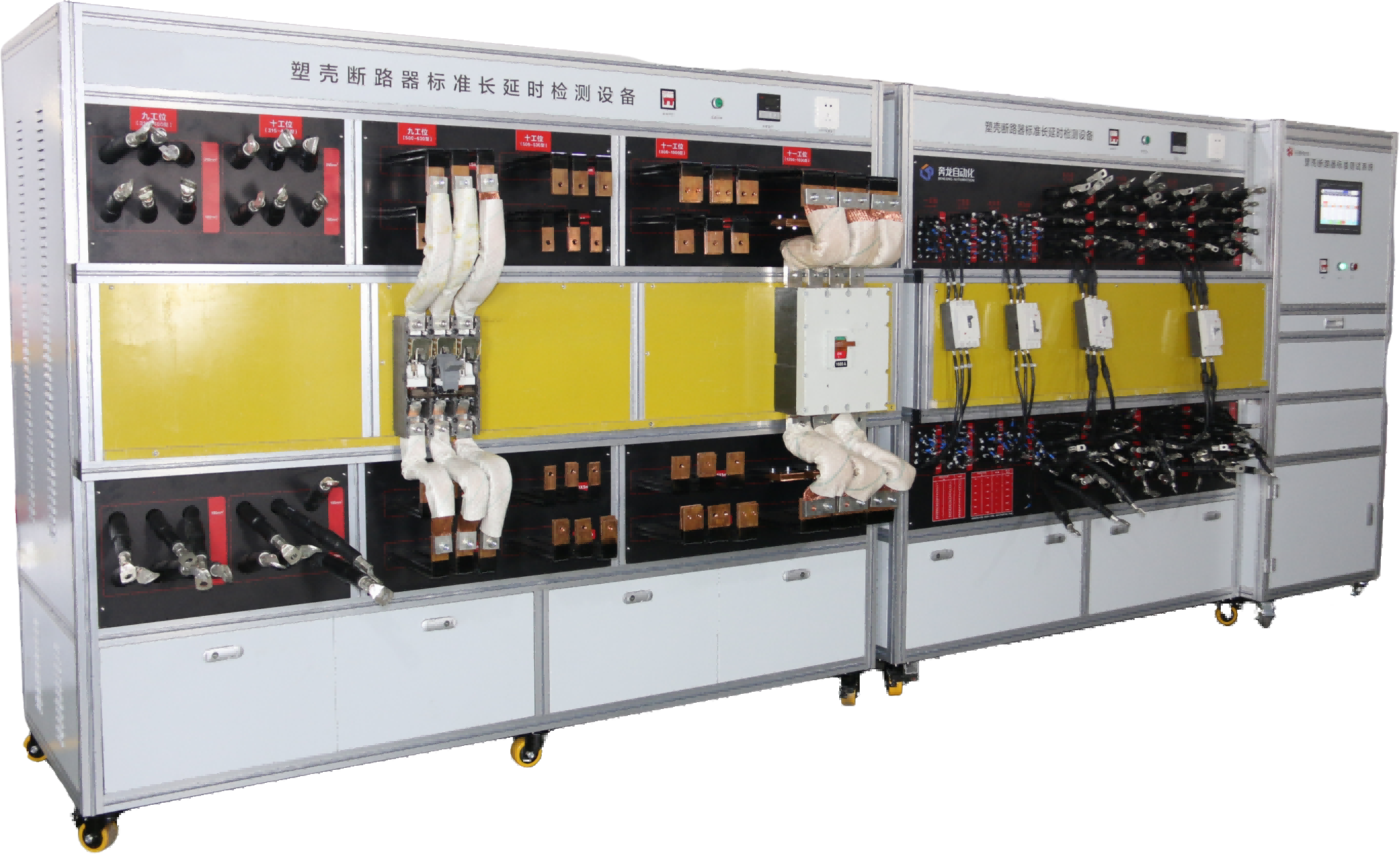
Langzeit-Thermokalibrierbank für MCCBs
Details anzeigen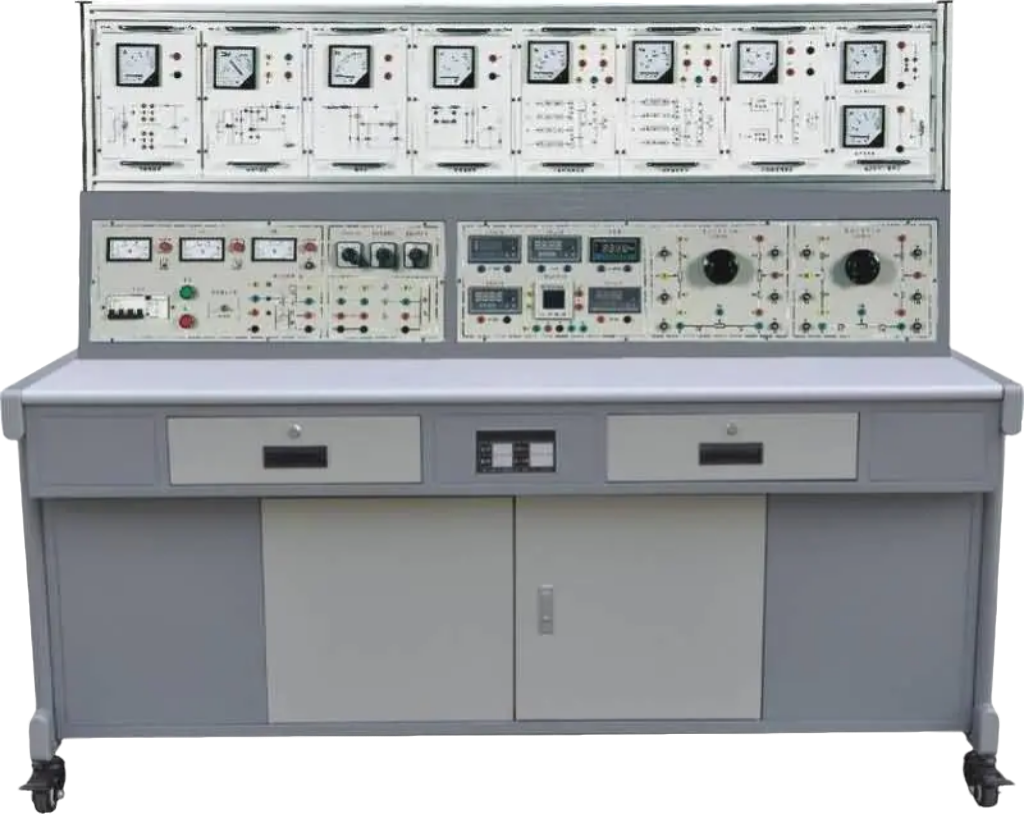
Alterungsprüfstand für Stromzähler
Details anzeigen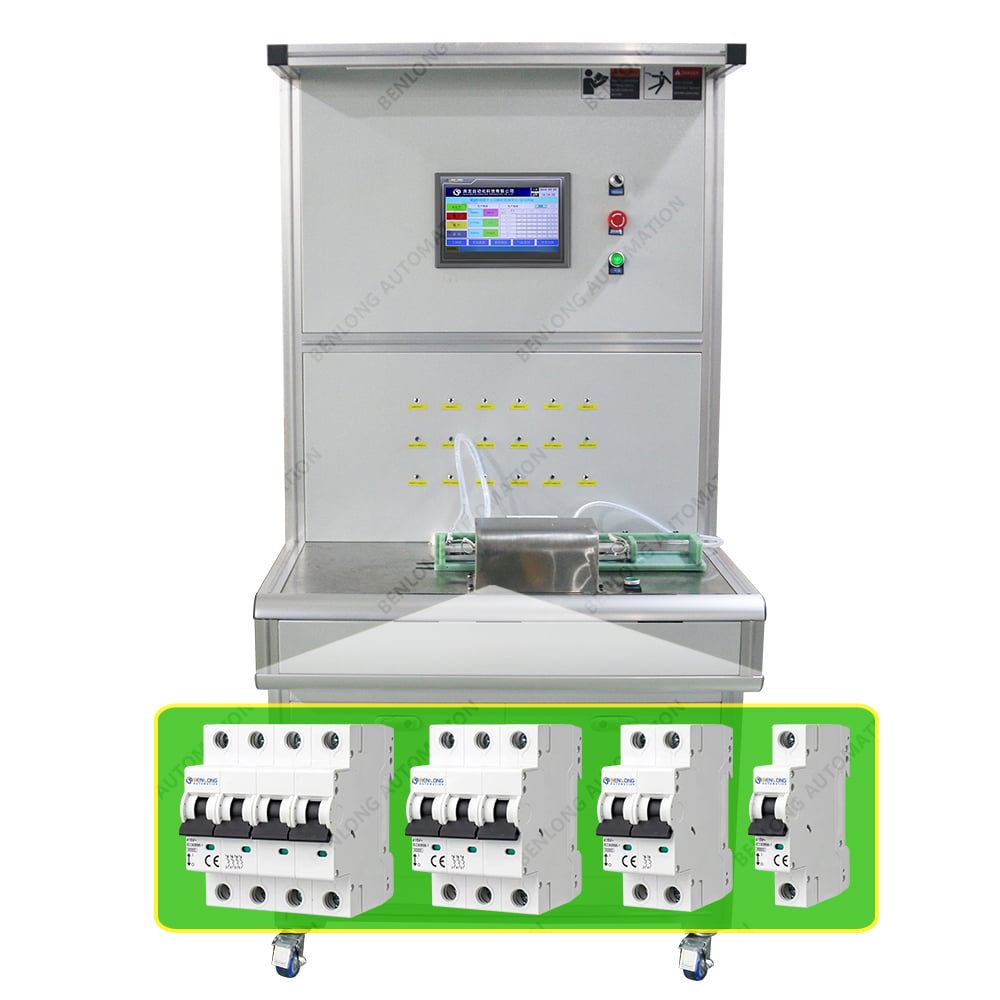
MCB-Halbautomatischer Magnetauslöser-Prüfstand
Details anzeigen
MCCB-Halbautomatischer Hochspannungsprüfstand
Details anzeigen
ATS-Alterungsprüfstand
Details anzeigen