benlong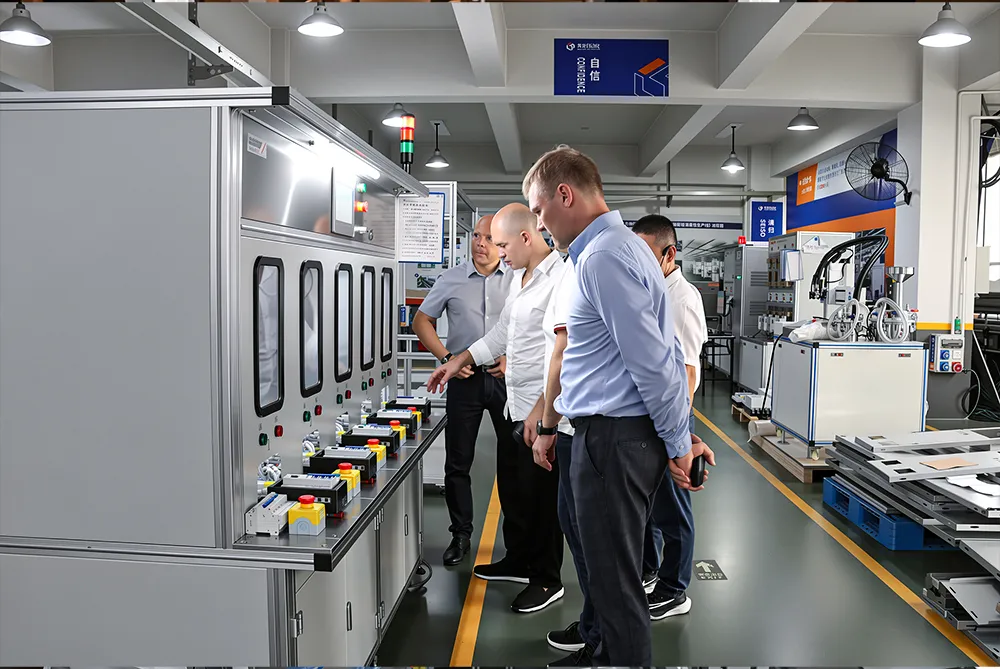

Industrial Automation Trends 2026
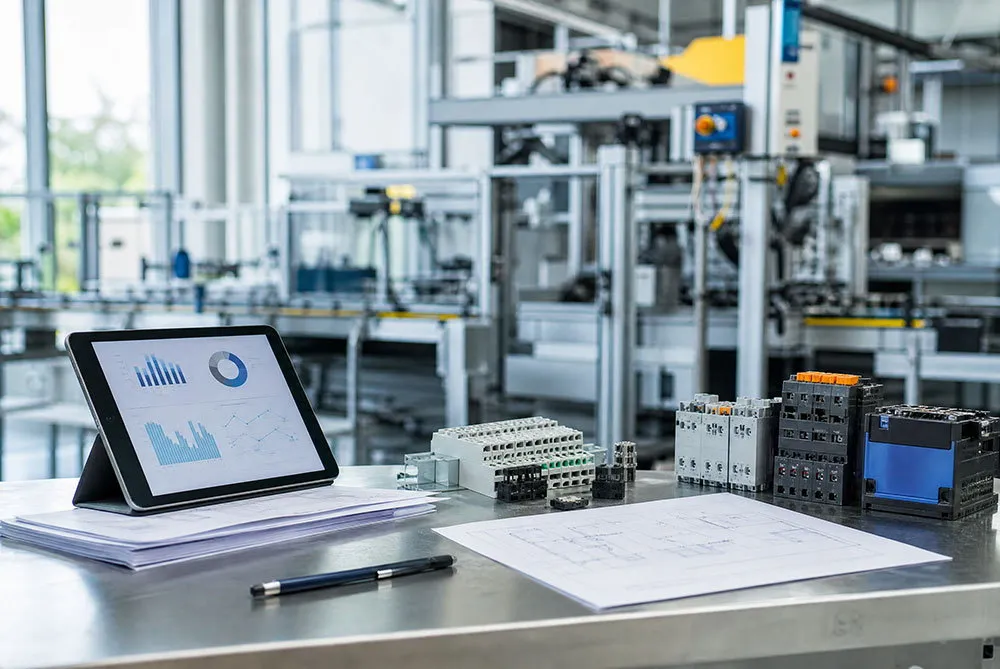
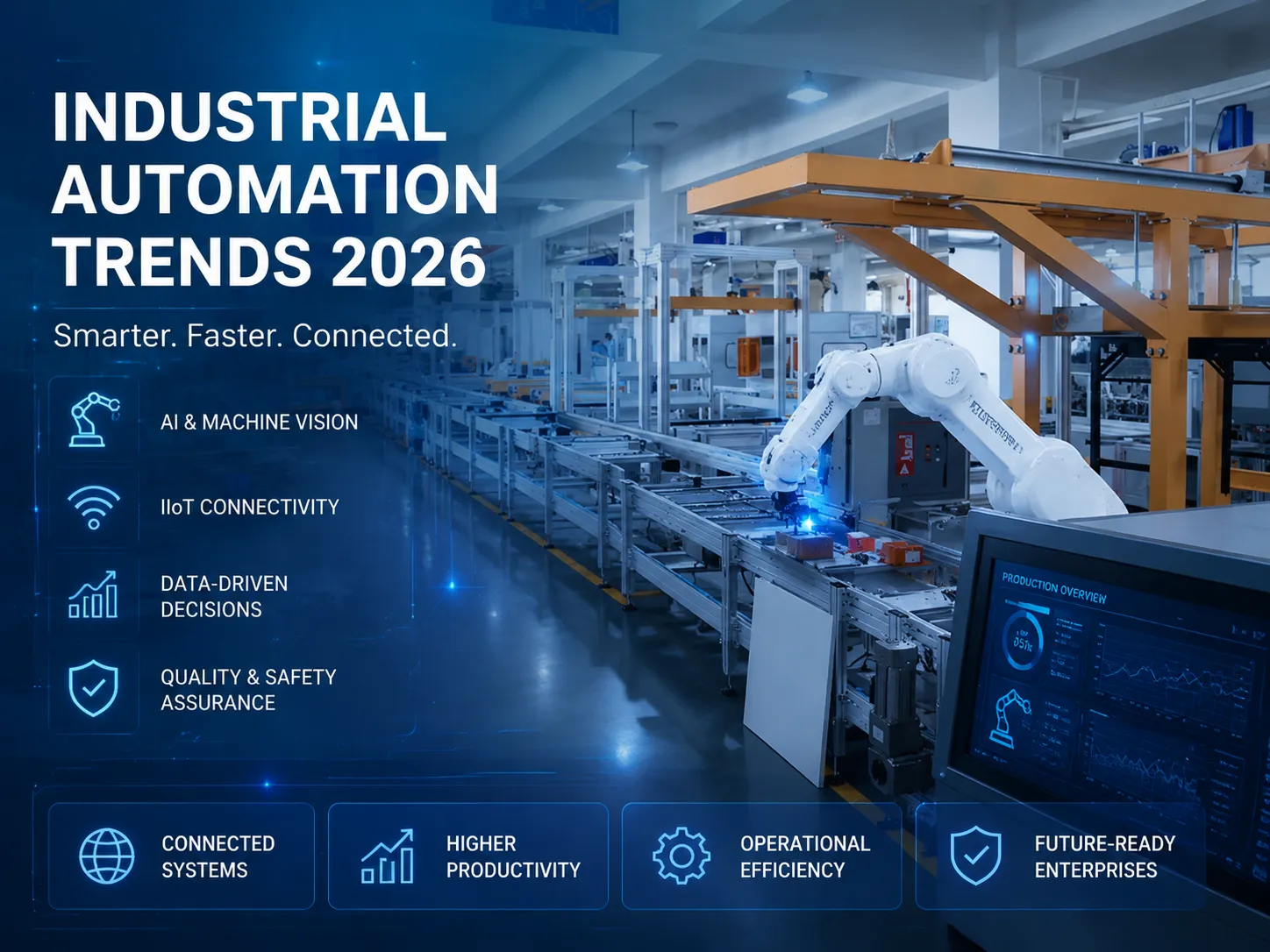
During the visit of a mid-sized electrical manufacturer from Gujarat to Automate 2026 in Detroit, he strolled through the exhibits looking for the same robotics, vision systems, and integrator stations that he had come across in his previous visit in 2024. However, he was surprised to see that there has been a shift in the whole conversation. Although there were robots, they were not the highlight of the exhibit anymore. The highlight was the software that connected the robots, the AI that made them flexible, and the data plates allowing transformation of a production line from a mere sequence of devices into a self-optimizing factory. The trends in industrial automation in 2026 are not regarding faster cycles or bigger loads anymore. They are about revolutionization of the way factories operate, the way products are validated, and automation is accessed.
Trend One: Physical AI — Robots That See, Learn, and Adapt in Real Time
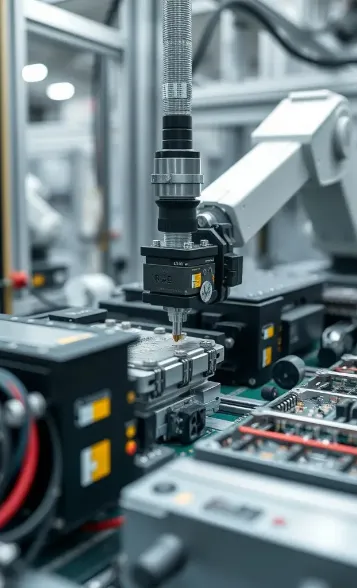
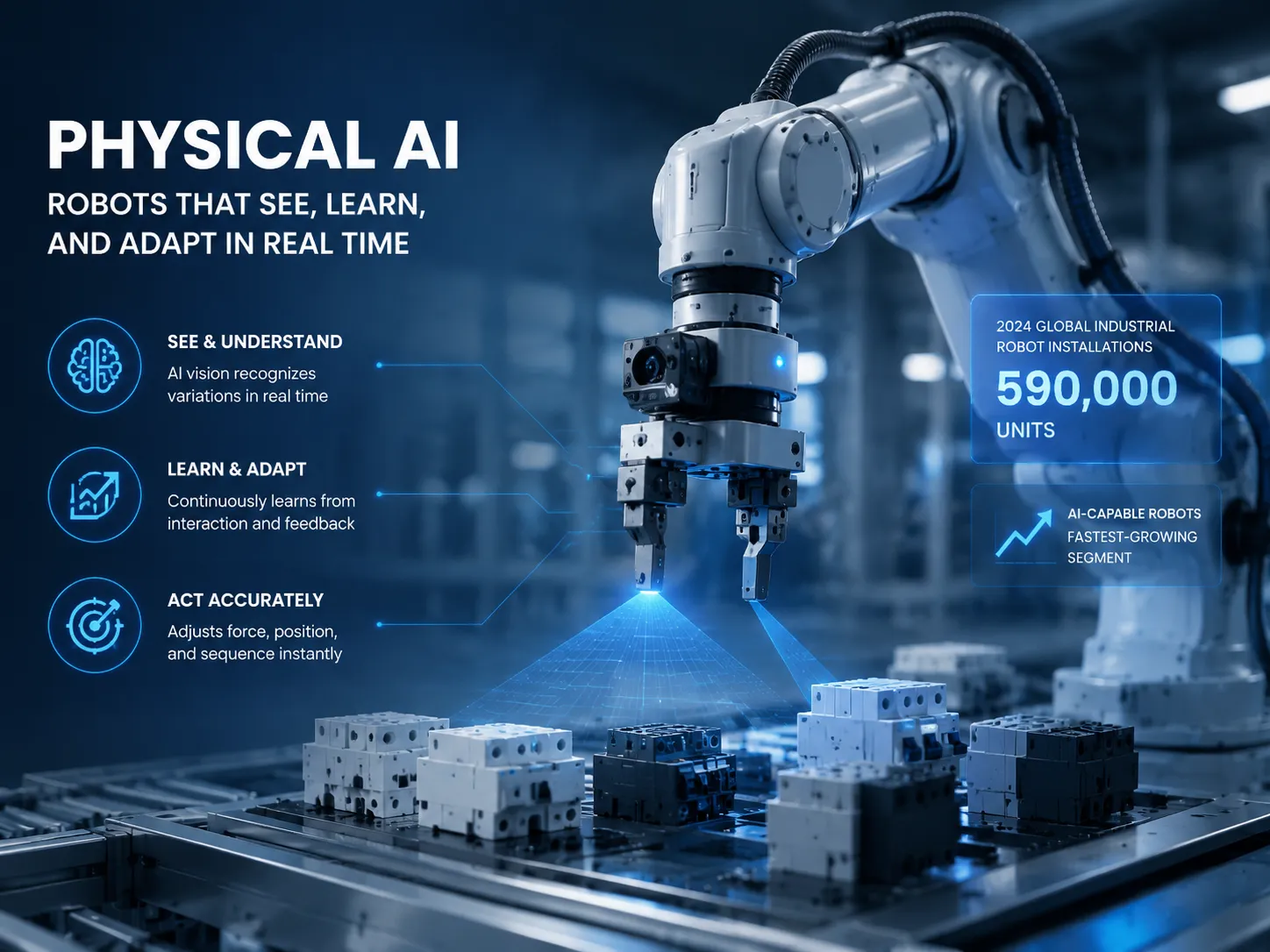
Automate 2026 and other big automation fairs have witnessed a major transformation from robotic automation relying on pre-programmed tasks to Physical AI — robots that are able to learn and understand their environment using machine learning and data received from sensors. This means that robots do not need to be programmed for every situation they encounter. For example, a robot manipulator can recognize an unknown component among an array of randomly positioned pieces, assess the required force and position, and perform the operation without any new programming. The technology behind such robots is based on powerful models trained on huge volumes of data about different interactions in physical space combined with fast edge processing allowing instant feedback from the sensors.
The data supports the momentum. The International Federation of Robotics (IFR) reports that global installations of industrial robots reached approximately 590,000 units in 2024, with AI‑capable robots accounting for the fastest‑growing segment. Research published by McKinsey & Company on AI in manufacturing indicates that AI‑driven quality inspection, predictive maintenance, and adaptive process control are the three applications with the highest near‑term return on investment. For manufacturers, the implication is clear: a robot that can adapt to product variation without reprogramming reduces the cost of automation for high‑mix, low‑volume production — the exact environment in which traditional fixed automation has been uneconomical. For electrical device manufacturers, this means that an automated assembly cell can switch between different breaker ratings, different contactor sizes, or different switch configurations with a recipe change and an AI‑driven vision system that verifies each variant without mechanical retooling.
Trend Two: The Software‑Defined Factory — Interoperability Becomes the Standard
For a long time, using automation has been hampered by restrictive protocols. For example, a Siemens PLC could easily connect with Siemens drives but had trouble linking with a FANUC robot or a Keyence vision system. The industrial automation trend for 2026 has overcome this challenge with the introduction of open communication protocols, such as OPC UA, MQTT and PROFINET over TSN, and the addition of software platforms that gather data from many devices located in the factory. Software-defined manufacturing is based on the idea that control systems, production data, and analytics systems can be independent of the hardware or equipment delivering the instruction.
The significance of this trend can be seen clearly in the electrical equipment manufacturing industry. The production processes here often use equipment from several manufacturers, like a contact welding device, a calibration machine, a pad printer, and a packaging device. The adoption of standards-based protocols ensures that all these components will work together and contribute information into a single manufacturing execution system, which will enable to track the whole production process through its chain of operations. Only this way is it possible to comply with IEC and UL certifications, which means that using isolated machines from different vendors cannot guarantee the conformity of the production process. In the portfolio of Benlong Automation, one can find the assembly lines producing miniature circuit breakers (MCBs), moulded case circuit breakers (MCCBs), and contactors, being constructed according to this concept of open architecture. For a deeper look at how these testing and data‑logging stations are integrated, our guide on what an MCB automatic testing line is explains each station and its data output.
Trend Three: Automation for Every Manufacturer — The Democratisation of Access
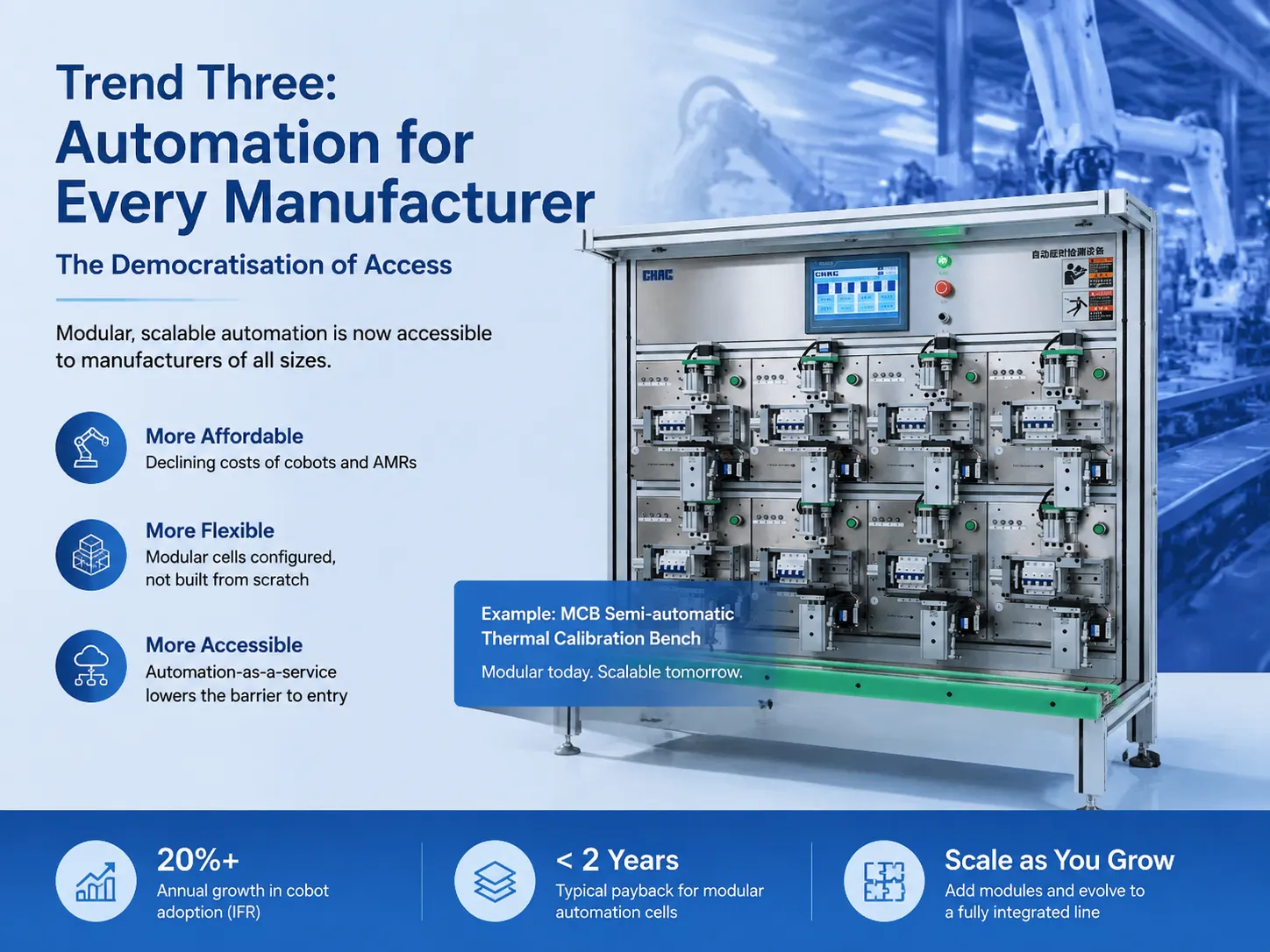
The third notable trend of 2026 is that the automation market is expanding to customers besides just those that have historically used high volume/high investment solutions. The accessibility of the technology is driven by three converging factors: the decreasing price of collaborative robots (cobots) as well as autonomous mobile robots (AMRs), the possibility of using modular vs custom automation cells (which can be configured rather than built from scratch), and the emergence of automation as a service model. According to the IFR data, the implementation of cobots is growing by more than 20% a year, mostly thanks to small and medium enterprises that have never automated because they didn’t have the means.
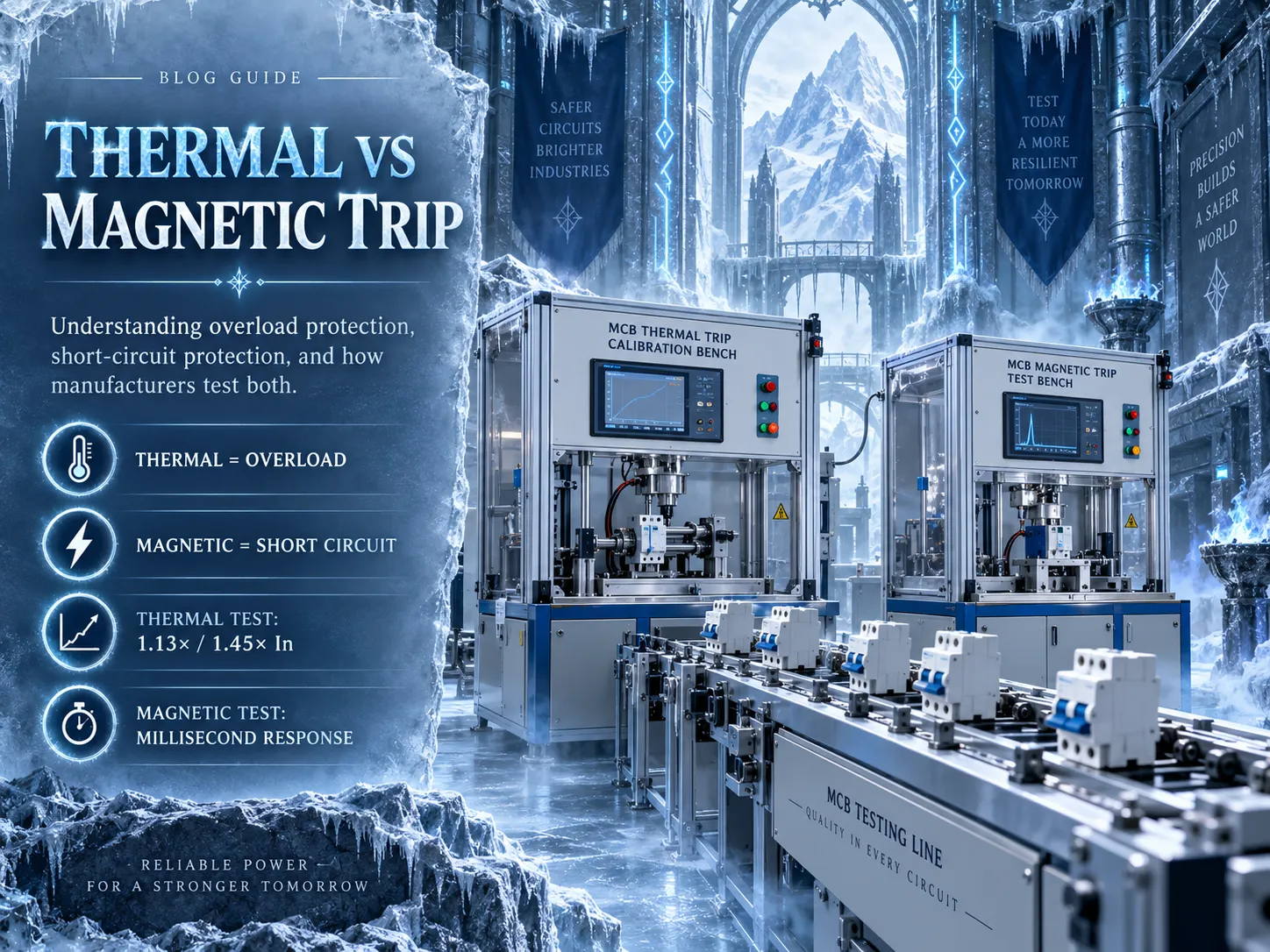
For the electrical manufacturing sector, this trend means that a manufacturer producing 50,000 MCBs a month — a volume that would not have justified a fully custom automated line a decade ago — can now deploy a modular, semi‑automated calibration and testing cell, such as Benlong’s semi‑automatic thermal calibration bench, with a capital outlay that pays back in under two years. As volume grows, additional modules — automatic feeding, magnetic trip testing, laser marking — can be added, and the cell evolves into a fully integrated line. This phased, modular approach is the way most manufacturers now begin their automation journey, and the availability of standardised, configurable automation modules is what makes it possible.
Trend Four: Sustainability and Energy Transparency — The Data That Buyers Now Demand
Industrial automation sustainability no longer means using less air pressure or energy-efficient motors. The 2026 trend is energy transparency, i.e., the capacity to monitor, archive, and analyze energy consumption at every production stage, even for every produced unit. The driving reasons of such trend are twofold. The first one is regulation. The European Union’s Carbon Border Adjustment Mechanism (CBAM) and other regulatory frameworks require manufacturers to provide data on the product carbon content. Therefore, the absence of automation providing such data will put a manufacturer at a competitive disadvantage. The second reason is customer demand. More and more prominent OEMs (original equipment manufacturer) and retailers require their suppliers to provide their products’ energy and carbon footprint, which makes a factory providing unit-determined energy data more likely to receive contracts.
For the electrical producer, an automatic manufacturing line logging the electricity used per circuit breaker, per contactor, or per SPD, is not merely a tool for sustainability but sales as well. The automatic lines of Benlong boast energy monitoring capabilities as standard features, and the monitoring data is stored along with the calibration and testing data of every production unit.
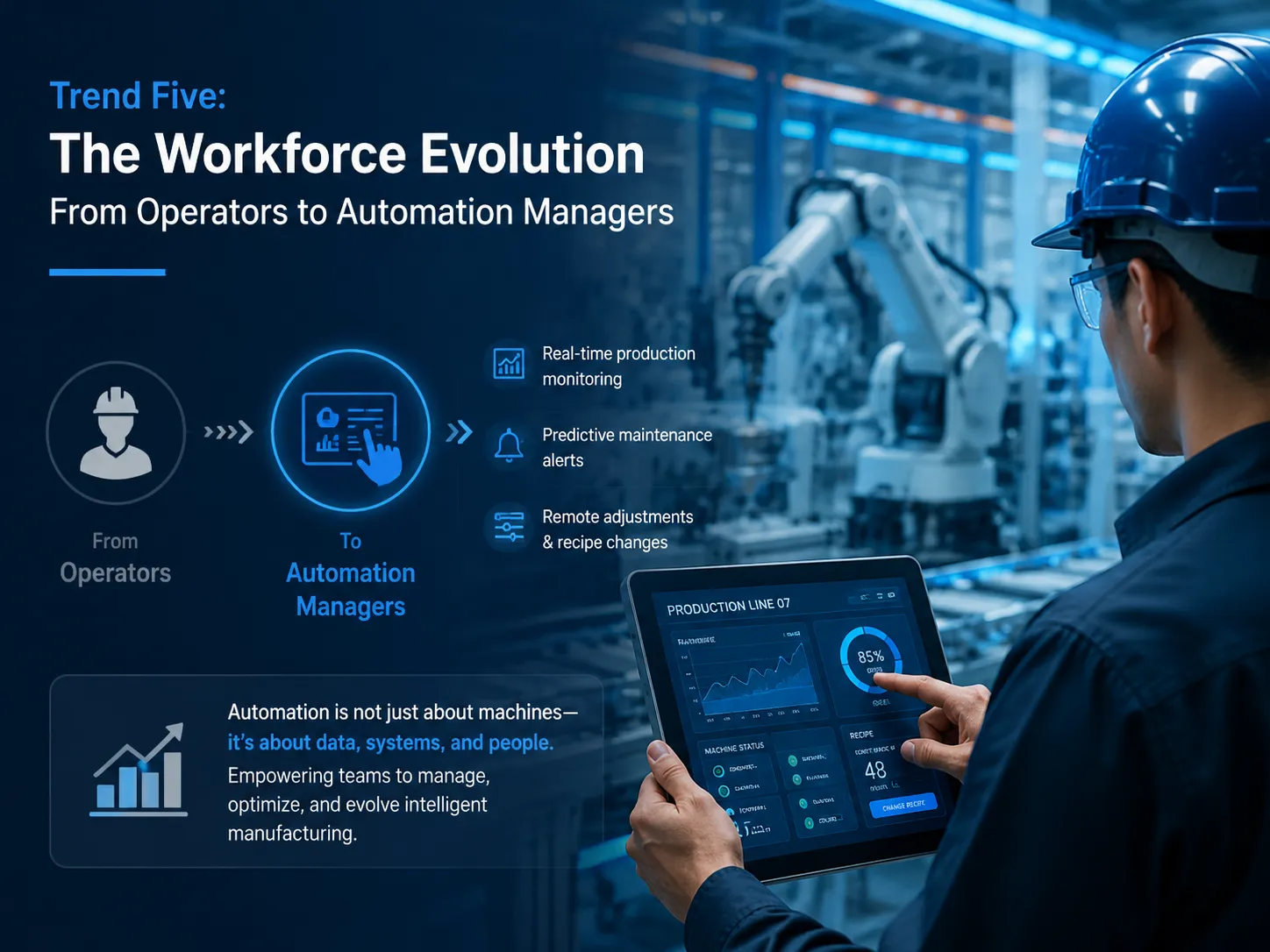
Trend Five: The Workforce Evolution — From Operators to Automation Managers
The last trend affecting 2026 is the changing function of the individual in the robotic manufacture. Data collected by Deloitte and the Manufacturing Institute is continuously revealing that the gap in terms of skills in manufacture is only becoming wider. The employee who has been putting breakers together is going to retire, and her successor is not going to take the position of an assembly worker. The new worker will control several fully automated units of electrodes, analyzing the data they are generating and servicing them. The trend of automation is that interacting with machines is going to become easier and more informative because the human machine interface will be similar to a smartphone that is able to show real-time information about production, inform about the time for maintenance, and allow changing the recipe of manufacture.
According to this evolution, the manufacturer who utilizes automation technology is actually not just purchasing a machine but acquiring a whole data structure and upgrading its manpower from manual assembly to automated production management. Manufacturing lines that produce a specific product every three seconds but require an engineer from the integrator for variant changes are not completely automated. In a fully autonomous line solution, a factory employs its personnel to easily operate, service, and adjust the production line. Products developed by Benlong Company take into consideration this fact and provide HMIs designed for workers that are using the technology on a daily basis rather than for engineers that developed it.
Frequently Asked Questions
What feels different about Automate 2026 compared to previous years?
The change that stands out most at Automate 2026 is that the focus has moved from hardware specs to software, data, and adaptability. Robots are still present, but the emphasis is on how they are controlled — through AI, interoperable software solutions, and cloud fleet management. The greatest topic is that of AI being incorporated into virtually all aspects of automation, from vision control to adaptive path planning.
How do you define Physical AI, and why is everyone talking about it?
Physical AI denotes the form of artificial intelligence that is housed in machines interacting with the real world. These are the machines that could “see” and “touch” the objects as well as manipulate them without a need for programming for every situation. A combination of the type of foundation models trained on interaction data, real-time processing, and fast edge computing, it is becoming more popular as it overcomes the biggest disadvantage of traditional automation: the incapability of working with variations without being reprogrammed and retooled. With a Physical AI-enabled robot, one can explain a new task to the machine, which will make it possible to perform the task at hand with little or no additional coding.
What comes next in industrial automation?
The following stage of industrial automation is the mass introduction of self-learning production systems – systems that not only make products but also monitor their own work, foresee their own maintenance needs, and adapt their own settings to ensure high quality of production by themselves without human involvement. It requires the combination of Physical AI, open data platforms, and modular reconfigurable hardware that will be on the market by 2026. The factory able to learn is the factory that is on the edge of competition.
What questions are you hoping Automate 2026 helps answer?
The questions at the core of manufacturers’ concerns addressed by Automate 2026 are very practical: how do I commence automating when my volumes are low and my mix of products frequently changes? How do I implement AI-driven inspection without employing a team of data scientists? How do I make sure my data from the automated line complies with the sustainability report and certification audit required by customers? These are operational questions that underline the technological trends and the answers are available on the exhibition, not only in the conferences.
References
- International Federation of Robotics (IFR) — World Robotics 2024 Report. Annual data on global robot installations, cobot adoption, and automation density by country and industry.
- McKinsey & Company — AI in Manufacturing: The Next Frontier. Research on the adoption and ROI of artificial intelligence in manufacturing, including quality inspection, predictive maintenance, and adaptive process control.
- Deloitte — 2024 Manufacturing Industry Outlook. Analysis of the manufacturing skills gap, workforce evolution, and the changing role of the operator in automated production environments.
- Manufacturing Institute — Workforce Development and Automation. Research and training resources on the skills transition from manual assembly to automated production management.
- Association for Advancing Automation (A3) — Automate 2026. Organiser of the Automate Show, the leading North American event for robotics, vision, motion control, and AI in manufacturing.
The industrial automation trends of 2026 are converging on a single point: the factory that controls its machines through software, that deploys AI to adapt to variation rather than eliminate it, that measures its energy and quality data at the unit level, and that can be operated by the workforce it already has — that factory is the one that will compete on cost, on quality, and on sustainability for the next decade. Benlong Automation builds the assembly, calibration, and testing lines that are the physical execution of these trends in the electrical manufacturing sector, because a circuit breaker that protects a circuit must itself be built with the precision, the data, and the adaptability that define modern automated manufacturing.