benlong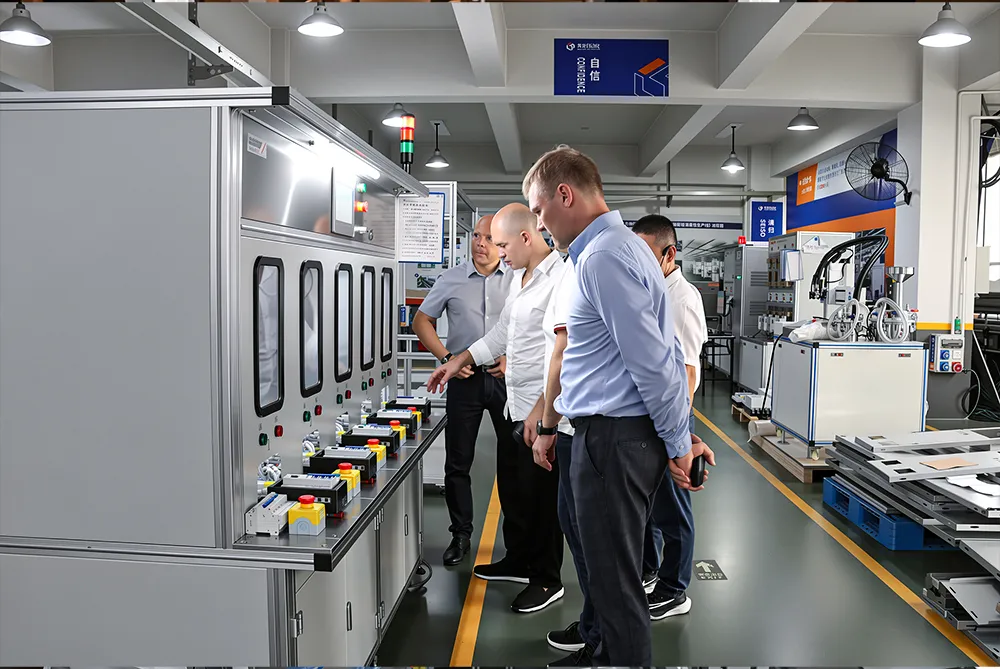
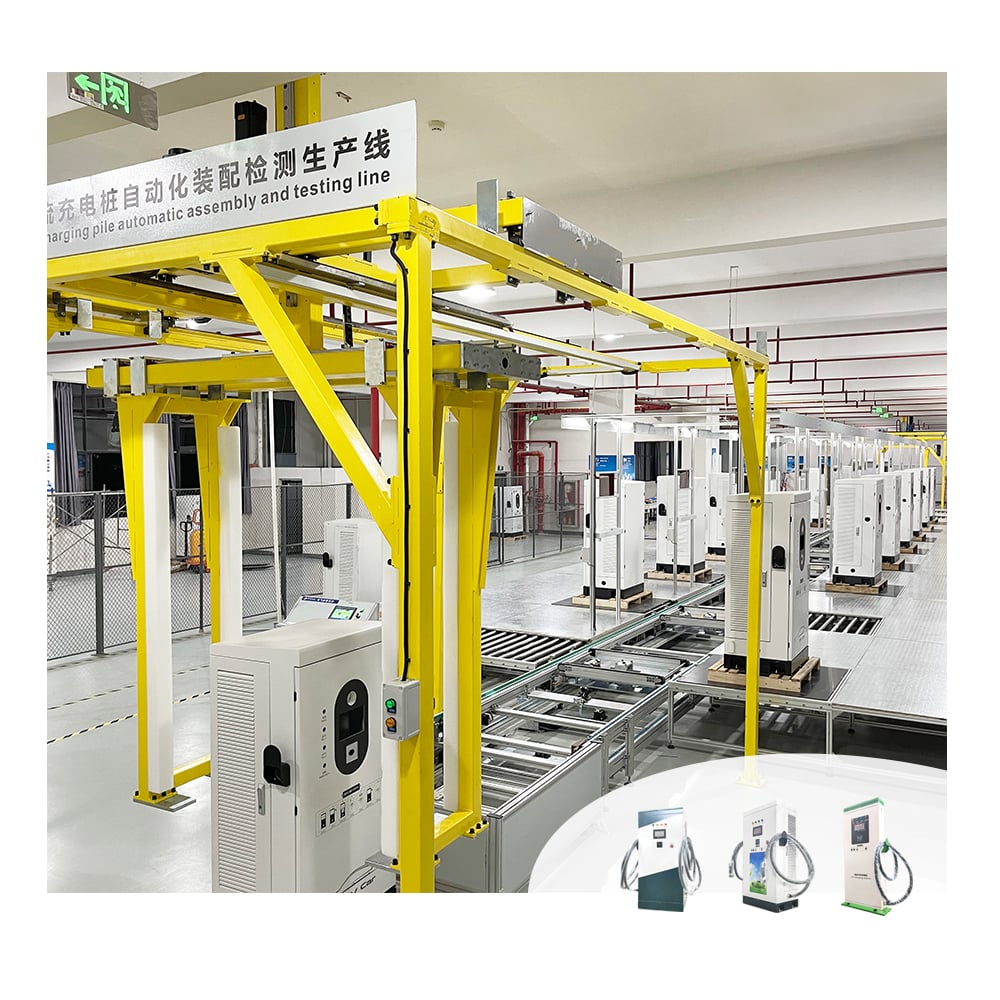
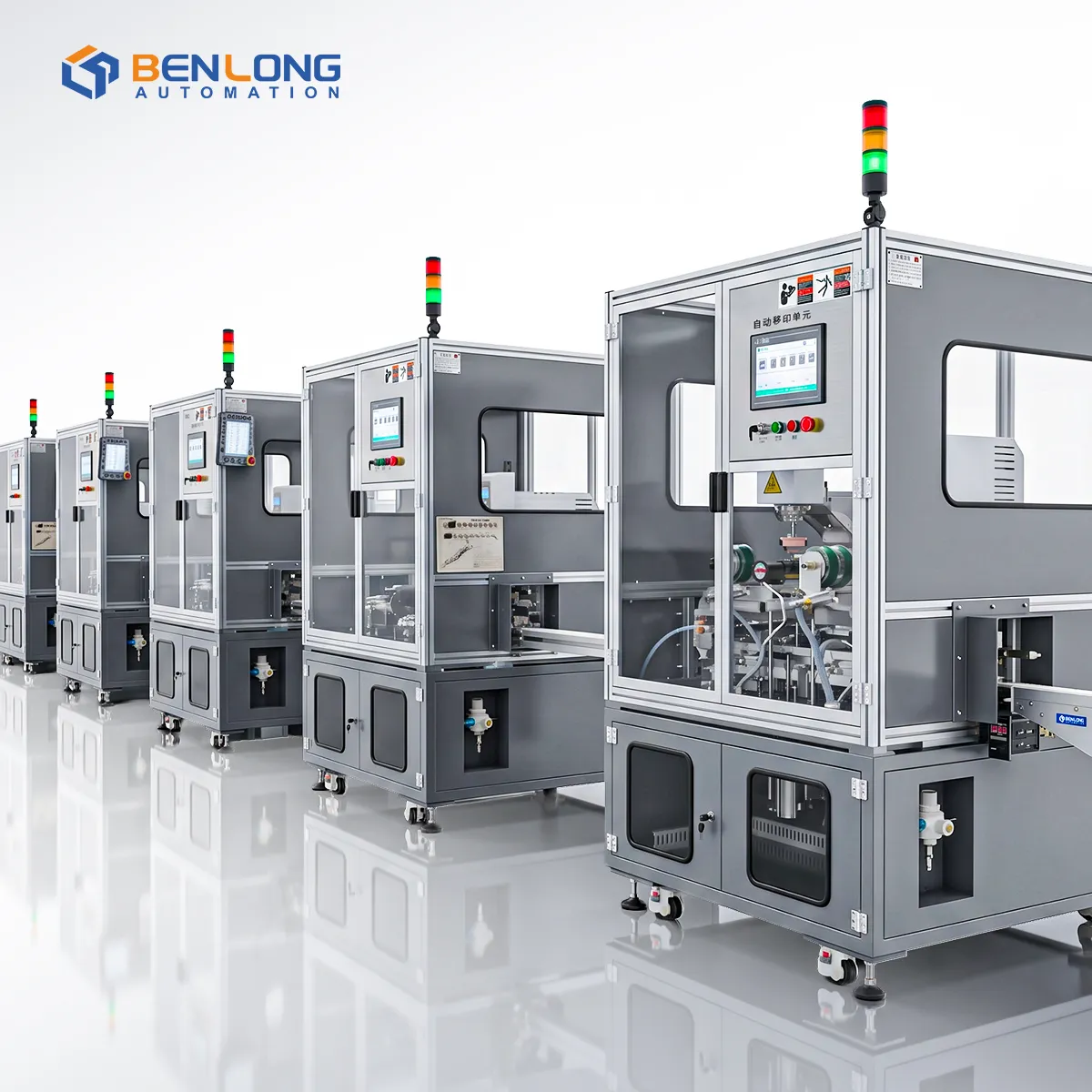
DC Charging Pile Automatic production line
Benlong DC charging pile automatic production line for EV fast chargers (50kW-350kW). Robotic assembly, automated cable crimping, insulation testing, CCS/CHAdeMO validation. 20-40 units/shift. IEC 61851-23 compliant. Turnkey solution for e-mobility infrastructure.
Fully Automated DC Fast Charging Pile Manufacturing Line
This automatic automated production line of DC charging piles provides a high-quality production system for high power DC fast charging units (50 kW – 350 kW+). The DC charging pile automatic production line is equipped with smart robotic devices that automatically place components, connect wire harnesses and manage cables, and automatically perform various multi-stage quality control tests. Manufacturers can use the into produce their product at rates that have never been attainable and with a quality that contains no defects, thus allowing for quick production ramp up for the booming electric vehicle infrastructure around the world.

This system has automated screw-driving and automated cable routing, as well as insulation resistance testing (megger) and end-of-line functional testing (communication protocol validation, verification of output voltage/current, and safety testing). All critical assembly/testing parameters are stored for full traceability to the unit’s serial number. The lines support multiple charger form factors (wall-mounted, floor-mounted, dual-gun), and can also integrate with your MES to allow you to monitor your production in real time. Production rates typically range from 20-40 units per shift based on the power rating of the charger and the complexity of the charger.
Standard delivery: 60-90 days | Output: 20-40 units/shift | Compliant with IEC 61851-23

What is a DC Charging Pile Automatic Production Line?
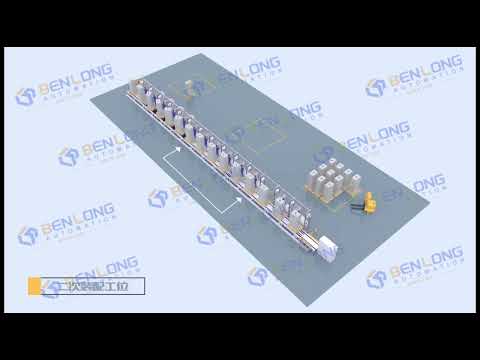
An automatic production line for a DC electric car charging pile consists of an assembly line that can manage all of the major operations required to manufacture DC fast charging stations (EV charging stations). This line automates these major processes including preparation of the housing enclosures, installation of power modules, assembly of control boards, mounting of cables and connectors, and final inspections for insulation testing as well as functional testing of the finished products. Robotic arms are used throughout the line to perform heavy lifts, drive screws with vision systems, route cables and terminate/crimp connectors, and test for functionality (ground continuity, insulation resistance, output voltage/current accuracy, protocols such as CCS, CHAdeMO, GB/T) at in-line test stations. The line is intended to provide medium/high-volume production of standardised EV charging stations while ensuring a consistent product quality, full traceability of each individual charging station produced, and compliance with safety standards (such as IEC61851-23 – the international standard for DC electric vehicle charging stations).
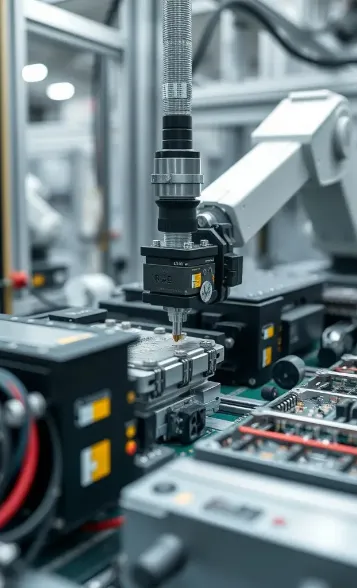


Heavy-duty robots for power module, PDU, and control board placement.
Precise routing, clamping, and torque-controlled terminal tightening.
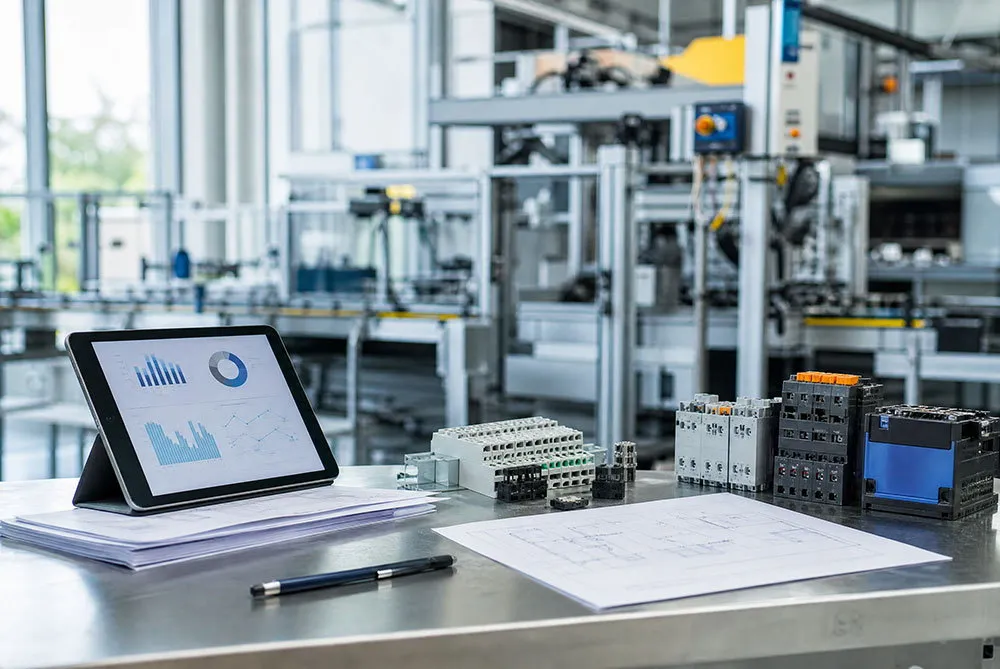
Insulation resistance (megger), continuity, hi-pot, and functional load test.
Simulated EVSE handshake (CCS/CHAdeMO/GB/T) and output verification.
Production Line Features & Process

Technical Specifications
| Charger compatibility | DC fast chargers, 50kW – 350kW; wall-mounted or floor-standing; single or dual gun |
|---|---|
| Production throughput | 20 – 40 units per 8-hour shift (depending on power and complexity) |
| Key assembly stations | Enclosure preparation · Power module placement · Control board assembly · Busbar connection · Cable cutting/stripping/crimping · Cable routing & clamping · Cover fastening |
| Electrical test stations | Ground continuity · Insulation resistance (500V/1000V megger) · Dielectric withstand (hi-pot) · Output voltage/current accuracy · Communication protocol (CCS/CHAdeMO/GB/T) · Leakage current |
| Testing accuracy | Insulation: ±2% of reading | Voltage/current: ±0.5% |
| Cable processing | Automatic cutting, stripping, and crimping of high-voltage cables (up to 95mm²) |
| Torque control | Programmable electric screwdriver for terminal and busbar connections, accuracy ±3% |
| Control system | PLC (Siemens/Mitsubishi) with HMI, recipe management for different charger models |
| Traceability | Barcode or RFID per unit, test data uploaded to MES via OPC UA or Modbus TCP |
| Power supply | 380V ±10% 50Hz | Compressed air 0.6-0.8MPa |
Core Technical Advantages
Heavy-duty robotic handling
Robots with high payload capacity (up to 50kg) handle power modules, PDUs, and magnetic components, reducing operator injury risk and increasing placement accuracy.
Automated high-voltage cable processing
Integrated cutting, stripping, and crimping stations for 35mm² – 95mm² DC cables ensure consistent terminal quality and reduce manual crimping errors.
In-line insulation & safety testing
100% automated megger and hi-pot testing before final assembly detects isolation faults early, preventing unsafe chargers from reaching the market.
Communication protocol simulation
End-of-line test station simulates an electric vehicle (EV) to verify CCS, CHAdeMO, or GB/T handshake, measuring output voltage, current, and control pilot signals.
















Customer Success Story
To achieve the production rates they required, a well-known EV charging manufacturer in Europe sought assistance scaling their production of their 5-30kw dual-gun DC chargers on a full production basis. By implementing our fully automated production line for DC charging piles, they were able to achieve:
The investment in the line paid off in 14 months’ time and allowed the company to land a significant contract with a utility in Europe. Complete traceability of data met the requirements for an IEC 61851-23 audit.
Applications and Production Integration
Standard Delivery and Commissioning
Request a Custom DC Charger Production Line Quote
Please provide the specifications of your chargers such as their voltage and current ratings, physical shape, and output type. With this input, our engineers can develop a customized automated assembly line for your chargers (complete with full IEC 61851-23 compliance) along with an ROI analysis for that equipment.
WhatsApp: +86 150 5837 0007 | Email: xsb@benlongkj.cn | English & Chinese support
Why Choose Benlong for EV Charger Automation?
- 15+ years designing automated assembly lines for electrical and energy equipment
- Proven robotic handling for heavy power modules and cables
- Integrated insulation and functional testing stations (CCS/CHAdeMO/GB/T)
- Full MES integration with barcode traceability
- Global service network (Europe, Asia, Americas, Middle East)
Standard Line Includes
Robotic assembly cells (Power Module, Power Distribution Unit, and Control Board); automated cable cutting/stripping/crimping equipment to handle a maximum cross-sectional area of 95mm²; screwdriving stations with a torque setting; an insulation resistance tester (megger); high-potential testing; functional testing (EV simulator, CCS and CHAdeMO required); PLC with HMI from Siemens; conveyor system; Manufacturing Execution System (MES) interface; one set of change-over parts; 1 Year performance warranty.
Frequently Asked Questions
This series of DC enclosure chargers can provide power from 50 kW to 350 kW, with support for both CCS1 and CCS2, as well as CHAdeMO and GB/T protocols. The end-of-line test stations can be set-up to support one or more protocols per charger.
This line has an automated equipment cutting, stripping and crimping, for cables from 0.50 mm up to 95 mm²; it also uses pressed in or mechanically, guided routing and has a torque control for fastening terminals so that connections are not loose as a result of misapplication.
All chargers are tested through ground continuity, support insulator resistance (either 500V or 1000V megger), dielectric withstand test and leakage current test; all test results are documented & documented as acceptable before conducting a final functional test.
Yes, this modular line is fitted with quick changeover fixtures and easy handling systems to accommodate changes in form factor. The changeover generally occurs within a timeframe of two to four hours, utilizing a designated tooling kit.
For a single line producing 25 units per shift (5,000 units/year), the ROI is typically 12-18 months based on labor cost savings, reduction in rework, and increased throughput.
Related Products
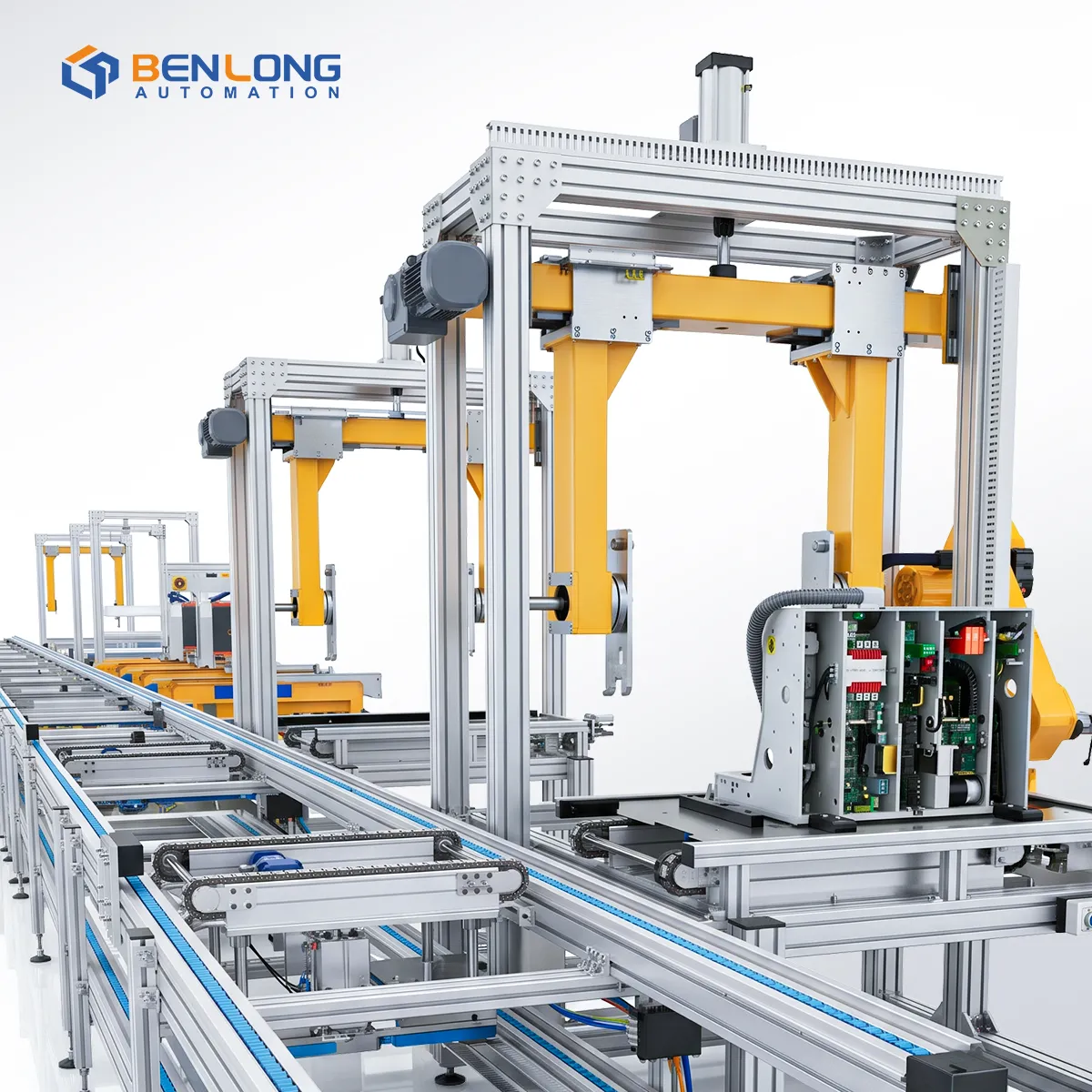
Vacuum circuit breaker (VCB) automaticproduction line
View Details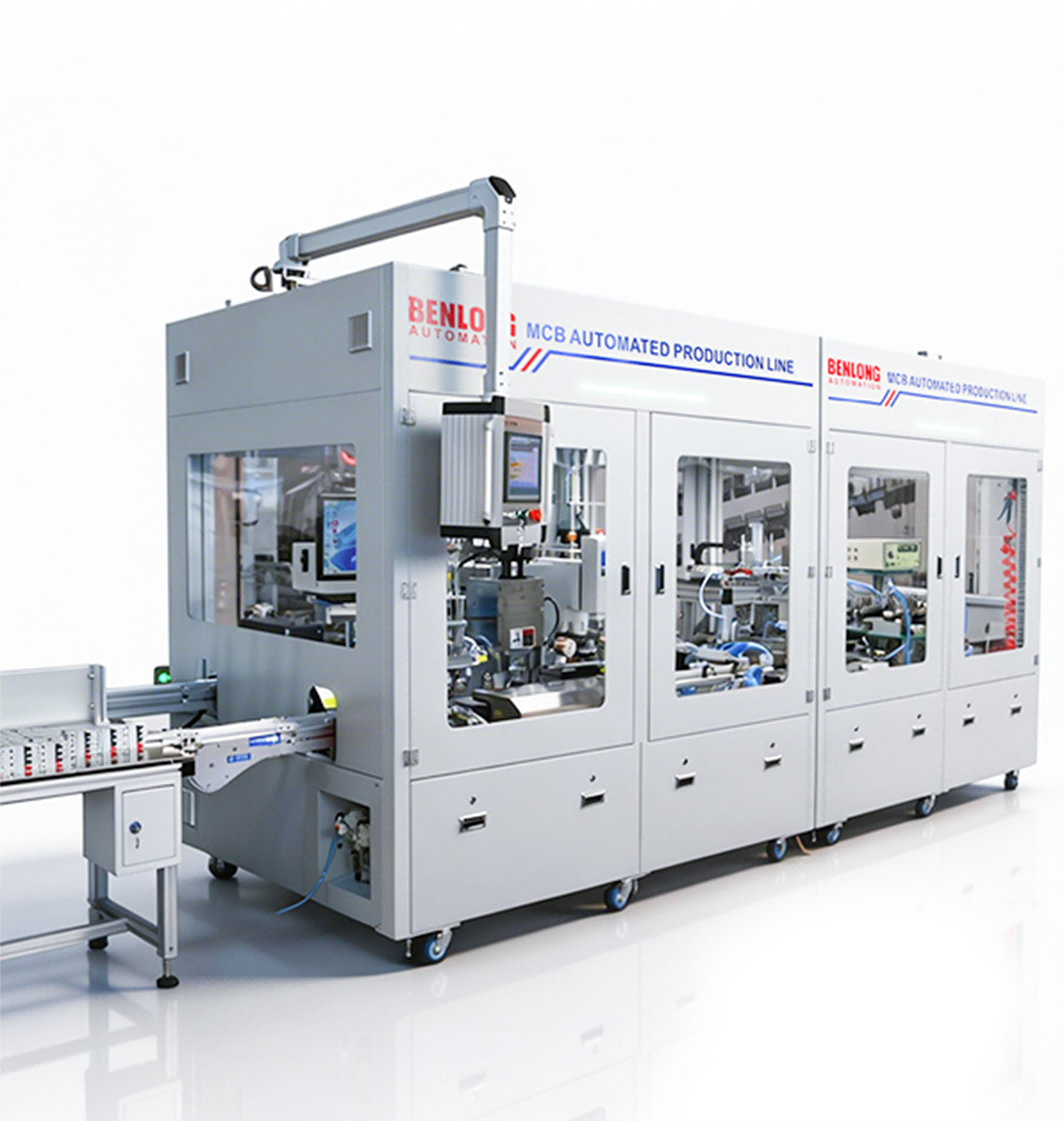
MCB mini production line Integrated machine
View Details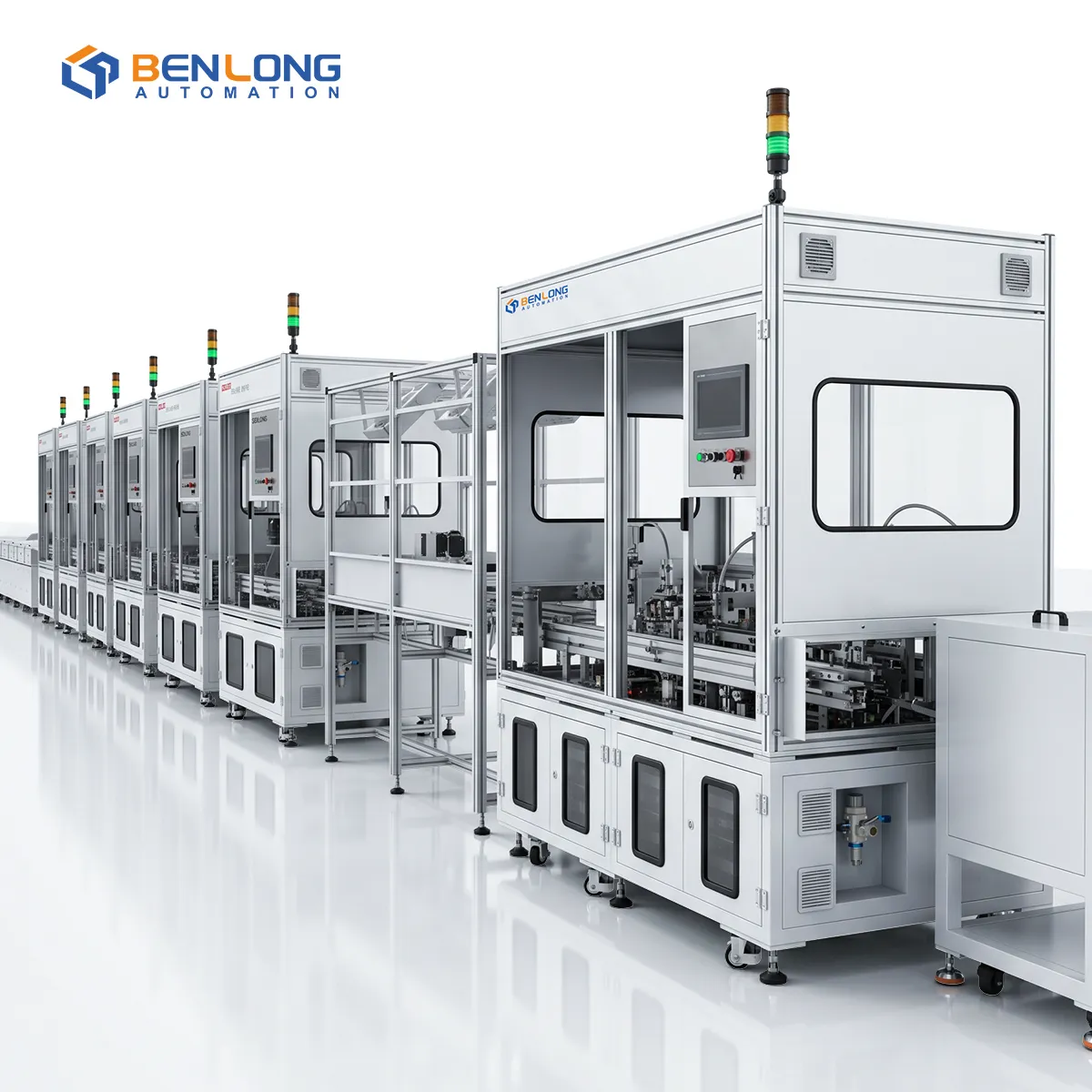
Solid State Relay Automated Production Line
View Details
Air-operated Circuit Breaker (ACB) Automatic production line
View Details
MCCB automatic production line
View Details