benlong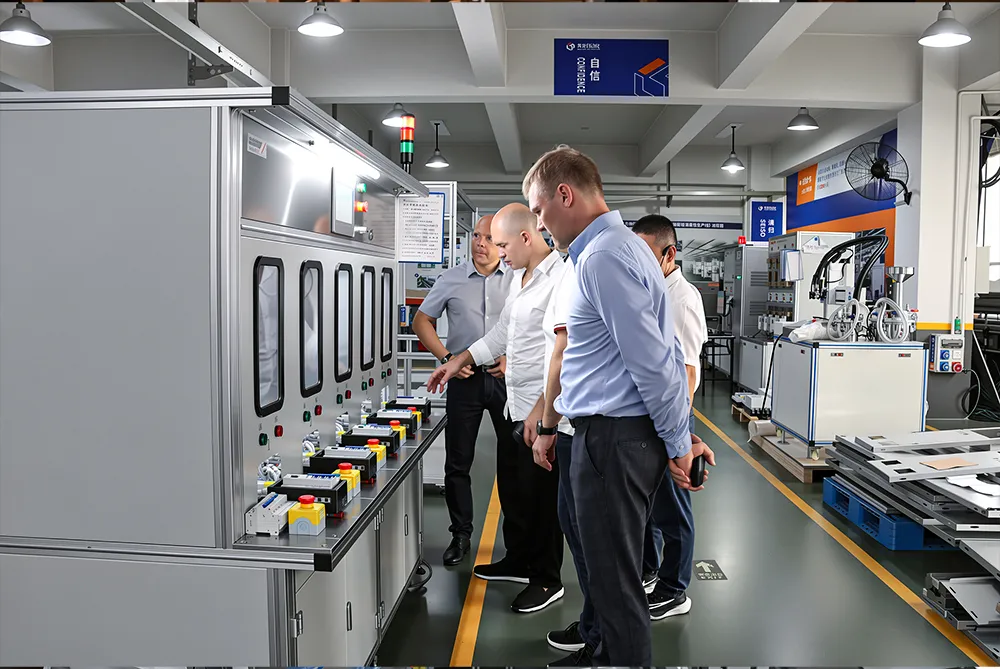

Industrial Automation Solutions Efficiency Benefits
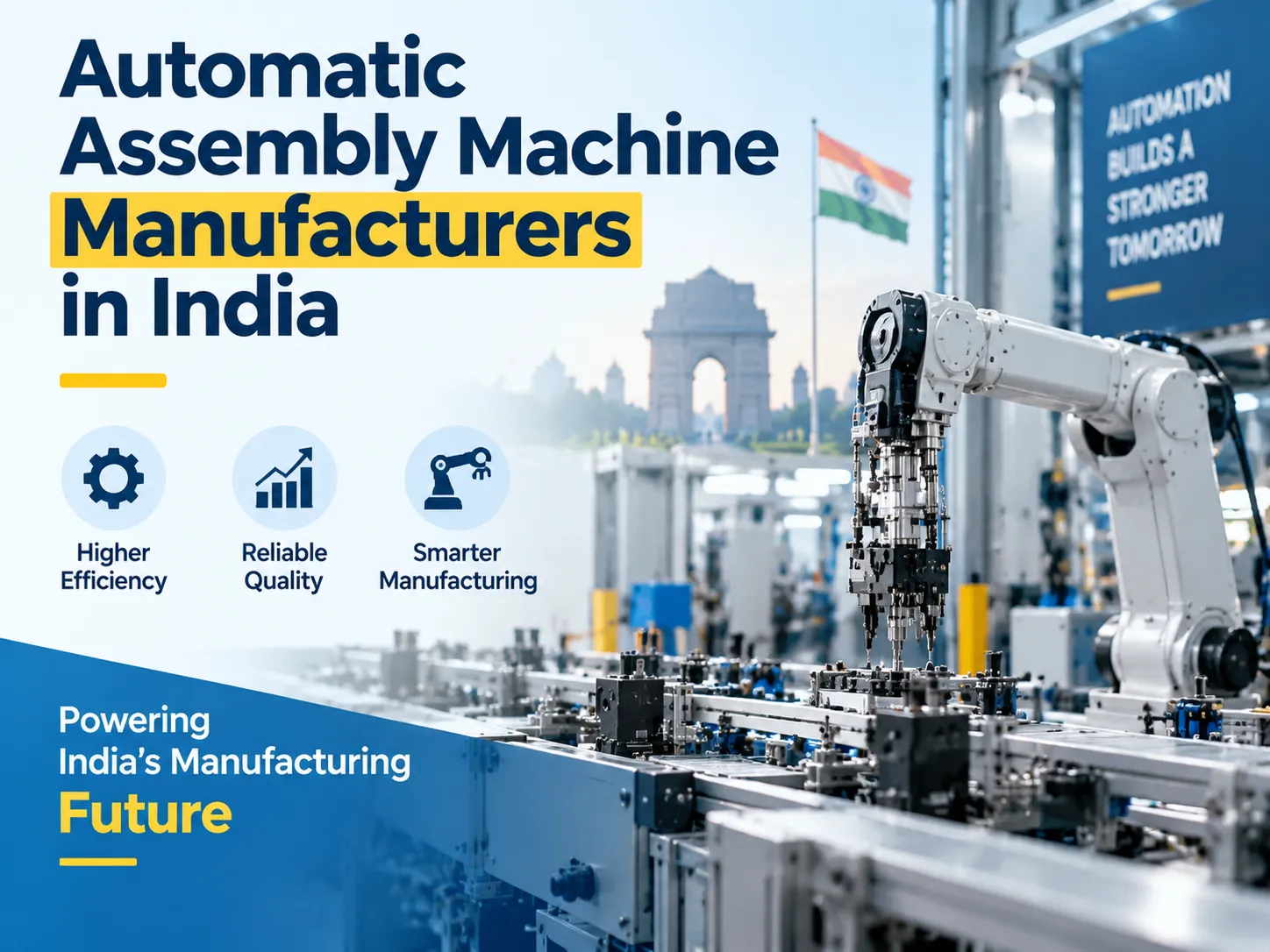
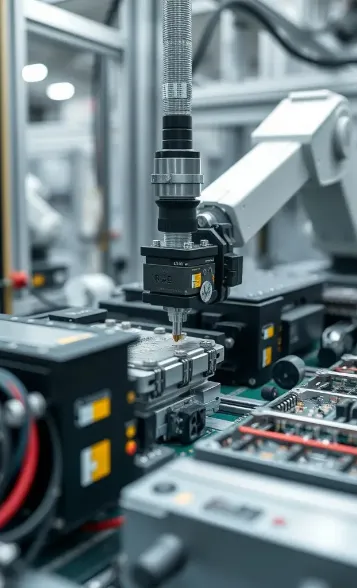
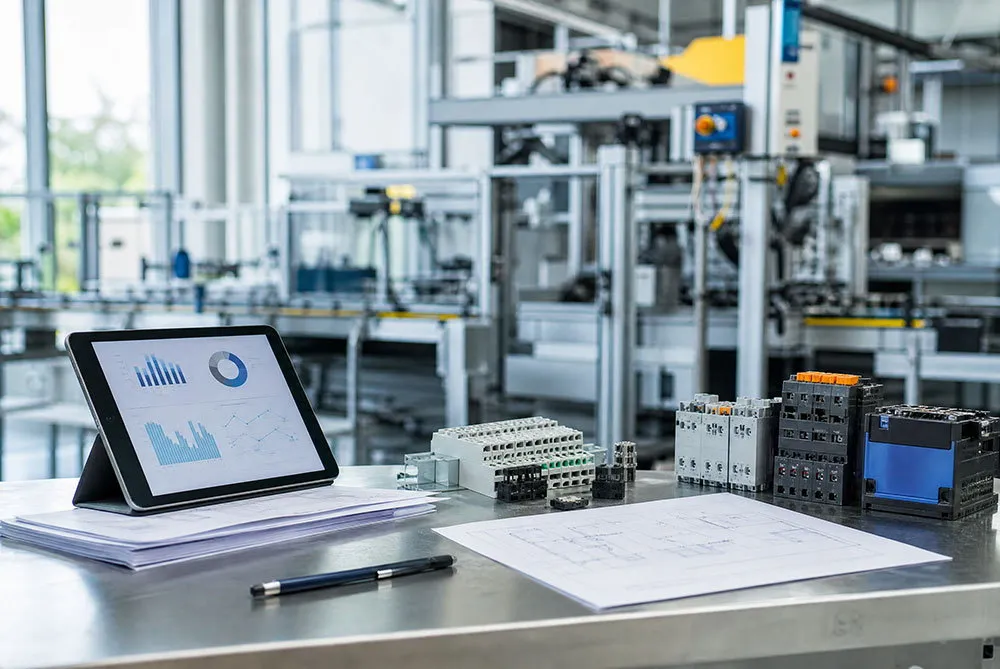
A mid-sized electrical manufacturer in Pune saw immediate productivity gains of 40% when it replaced the manual assembly of its miniature circuit breakers with an integrated and automated assembly line. However, six months later, the manufacturer discovered an even more amazing statistic: the warranty return rate on its miniature circuit breakers had decreased by 66%. The automated calibration station, vision inspection camera, and robotic assembly cell not only increased the speed at which breakers were assembled; they also increased the consistency and accuracy of assembly to levels that simply could not be achieved by the manual assembly process. This is the true story behind industrial automation solutions: the tangible operating efficiencies are realized on the first day of operation; the quality efficiencies are built up over years of use. By combining increased operating efficiency with quality improvements, industrial automation will shift a manufacturing company from being a producer of acceptable quality products to a supplier of certified and export-quality products, at a cost that is less than the cost of manual assembly.
What Industrial Automation Actually Delivers
Industrial automation Control systems are used for operating machinery and processes with less intervention from humans by means of control systems including PLCs, robots, conveyors, vision systems, and software. The term covers everything from robotic welding cells to fully lights-out production lines that run unattended, across three shifts. The metrics are measurable for every manufacturing metric that meets demands: the output rate, defect rate, the labour cost per unit, energy consumption and material waste; as well as how easily one can increase production without having to hire extra employees or increase using headcount proportionally.
Research published by McKinsey & Company on the impact of digital manufacturing and automation indicates that automated production lines routinely deliver throughput improvements of 25–50% and defect reductions of 50–80% compared with manual or semi‑manual assembly. These are not aspirational numbers — they are the documented experience of manufacturers across automotive, electronics, medical devices, and consumer goods. The Material Handling Institute (MHI) similarly reports that investment in automation correlates strongly with reduced operating cost and improved product consistency.
How Automation Improves Efficiency: The Numbers That Matter
The efficiency case for industrial automation solutions rests on a few irreducible metrics:
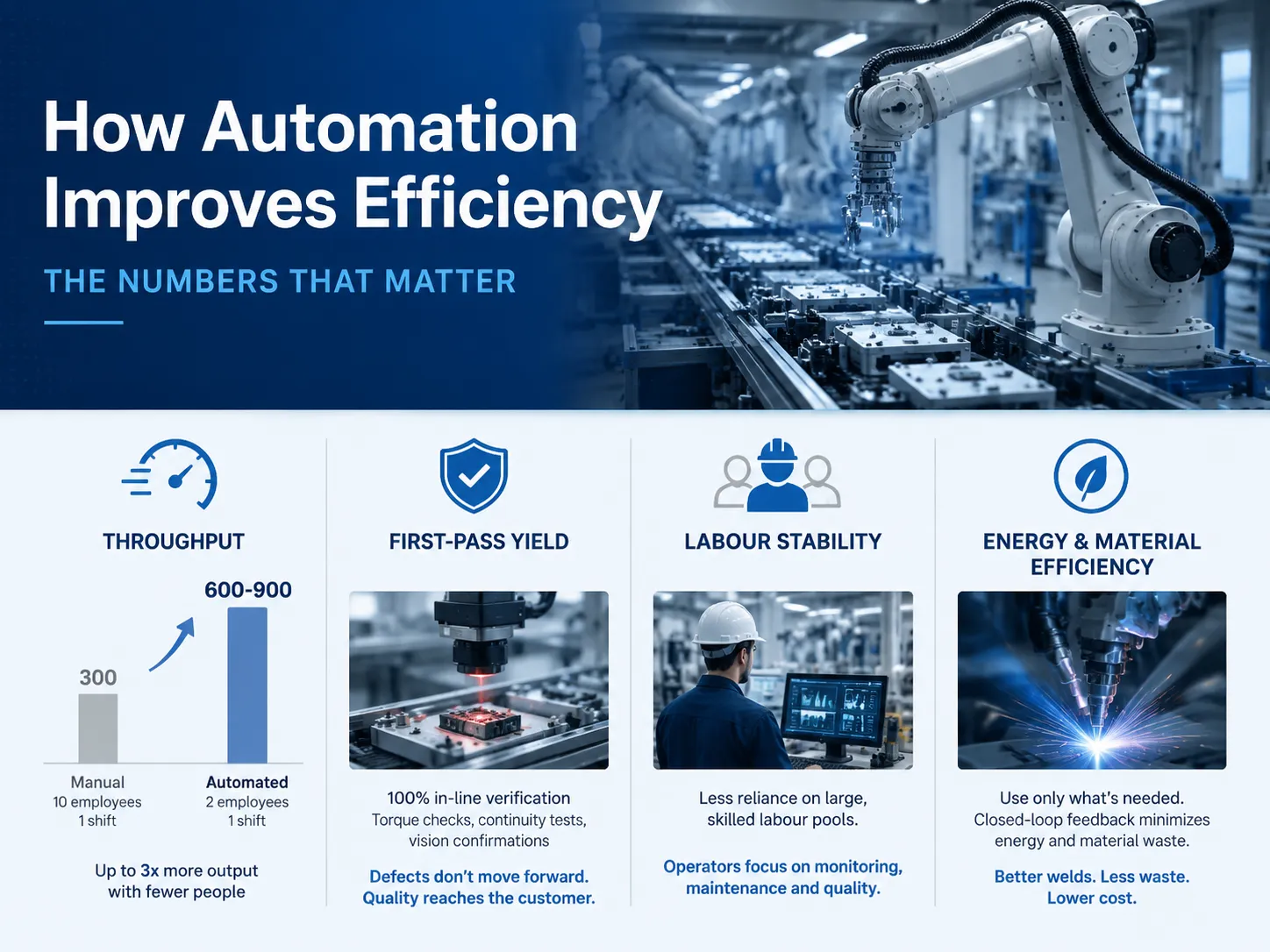
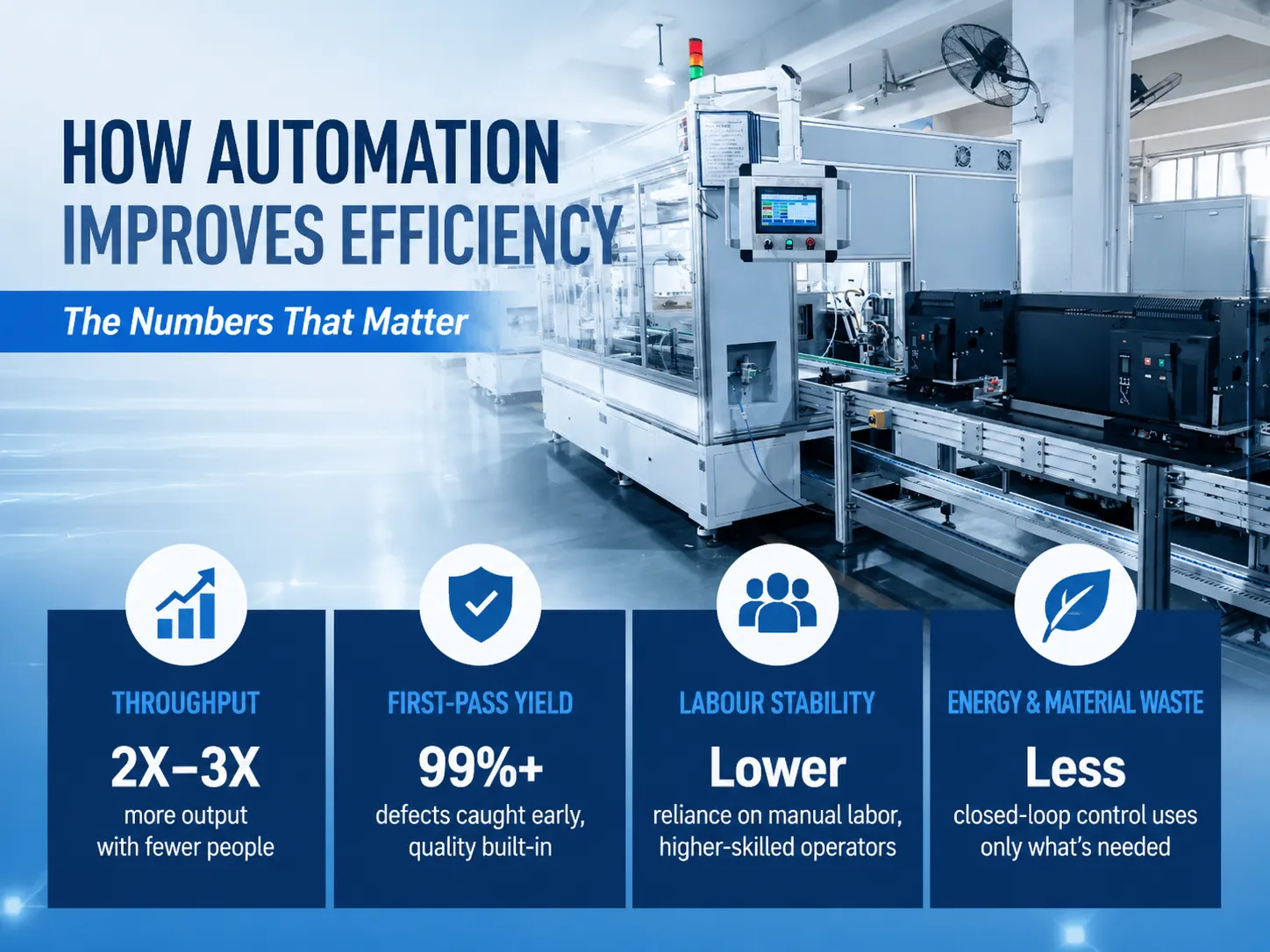
- Throughput. The cycle of an automated conveyor system is constant and unaffected by workers’ exhaustion, shifts, or training differences. A manual conveyor system can produce approximately 300 electric breakers with 10 employees during 1 shift. An automatic conveyor system that produces the same electric breakers can produce a quantity of 600 to 900 electric breakers during one shift with two employees monitoring the operation of the equipment.
- First‑pass yield. All automated stations verify that assemblies meet required specifications before they go downstream. In order to do this, they perform torque checks, continuity tests, and vision confirmations on all assemblies prior to sending them further down the production line. Defective assemblies (those that do not pass one or more of the three tests) are not sent downstream. So, as such, they never reach customers. In addition, in regulated industries, there is a distinct difference between “recall” and “certified product” because of the use of these verification steps.
- Labour stability. Automation lessens the reliance on a large, skilled assembly workforce in those regions of the world where workers are scarce or very costly or where there is a high rate of worker turnover. The few operators that do remain have received additional training in new skills; they monitor the assembly line, preventively maintain equipment, and assess the quality of the product being produced, rather than performing the same manual operation all day long.
- Energy and material waste. Automated designs utilize only what’s required to create a weld (energy required such as weld current or curing heat). With closed loop feedback, we are able to obtain only what is needed, whereas manual processes will allow for excess energy added (energy waste). This is due to the fact that a manual operator will tend to use more energy as a safety margin when welding by manual means than would occur with an automated contact welding machine using a closed loop feedback system by adjusting the weld pulse based on the measured resistance; thus avoiding cold welds and excessive expulsion than would occur if the welding was done manually.
Automation Benefits by Industry
Electrical Equipment and Circuit Protection
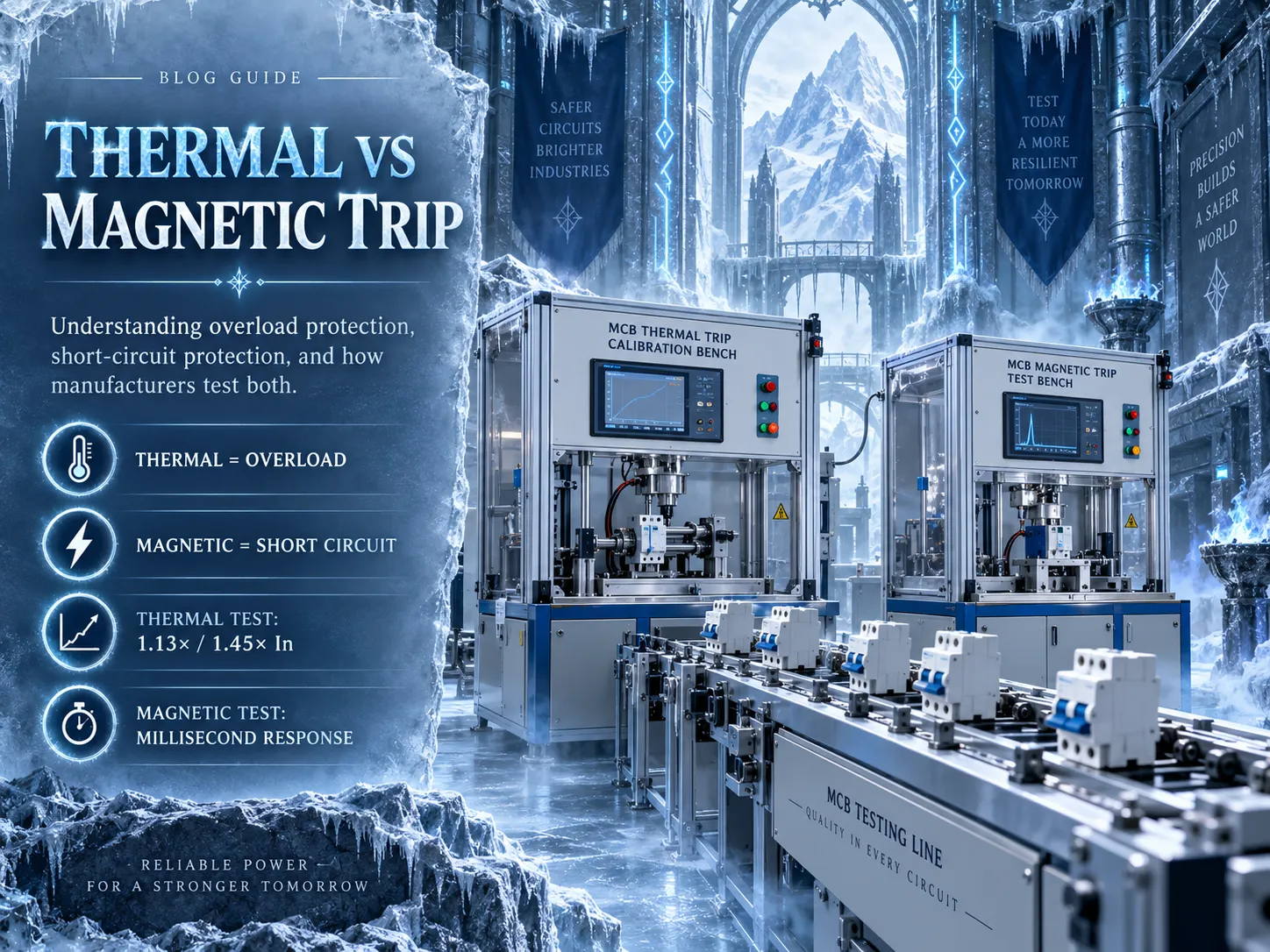
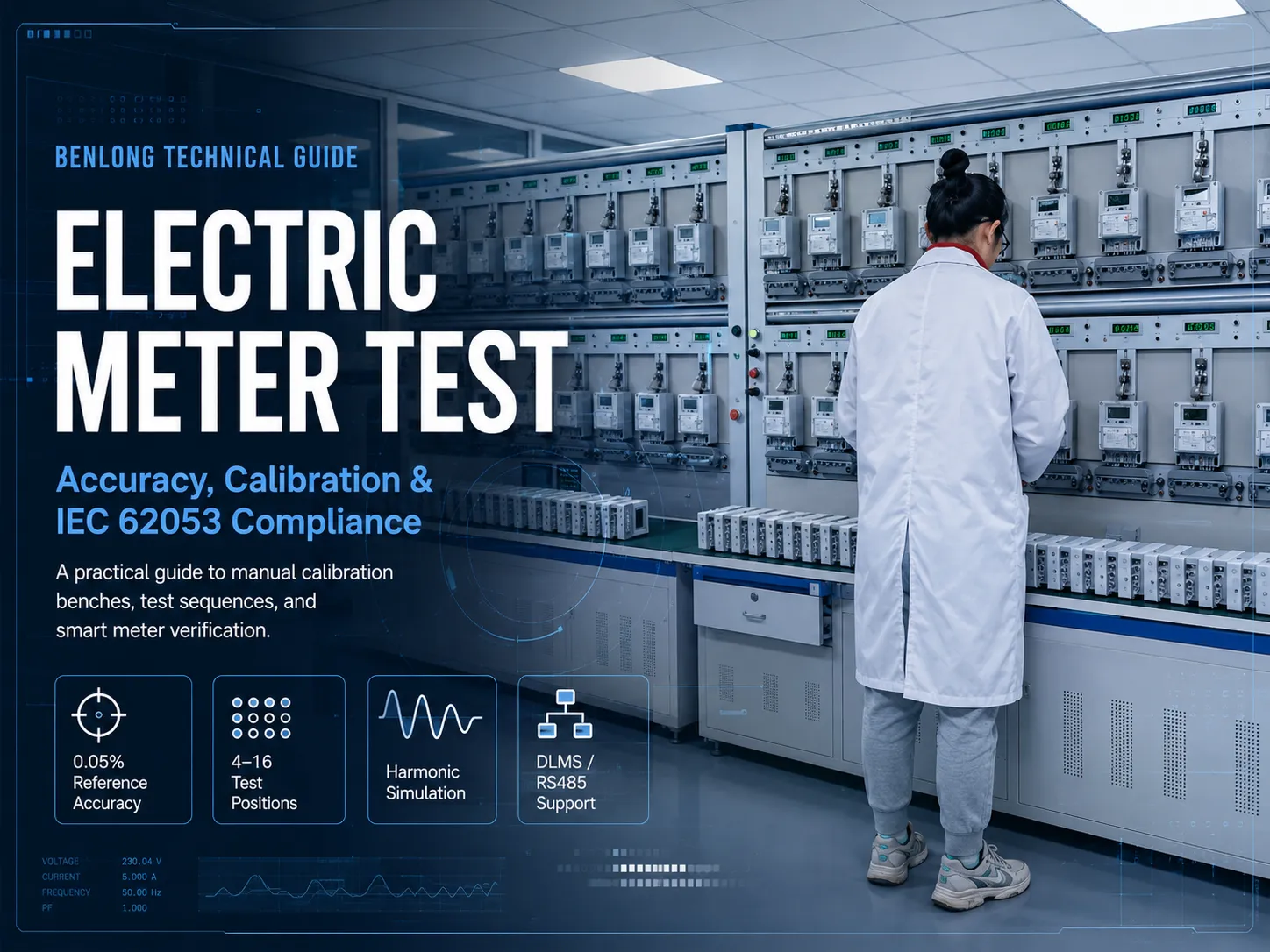
For manufacturers of devices such as MCBs, MCCBs, ACBs, contactors, and SPDs, automation helps solve one specific manufacturing problem – the need to assemble, calibrate, and test each unit. All breakers are safety devices and cannot be batch tested; rather each unit must be calibrated individually. Manual calibration is slow, operator dependent and variable. Automated calibration and testing production lines – like the ones designed and built by Benlong Automation – calibrate the thermal and magnetic trip characteristics of each breaker in seconds, retain the calibration data and reject any device not within the specification range. As a result, each breaker will trip consistently to the specified characteristic curve every time, regardless of the variability introduced by a manual calibration bench. For the detailed engineering behind these systems, our guide on what an MCB automatic testing line is explains each station and its function.
Automotive and Electric Vehicle Components
As one of the earliest industries to implement large-scale automation, the automotive sector is experiencing an increase in the need for robotic solutions due to the rapid transition to Electric Vehicles (EVs). For example, EBs battery assembly, power electronics and electric motor coils must be joined (e.g., welded) and tested with a level of precision that manual assembly cannot achieve. Automotive manufacturers are running their automated assembly lines at much faster cycle rates (takt times are now counted in seconds), and have incorporated inline quality checking systems to ensure no defective assemblies end up being installed on a vehicle.
Medical Devices and Pharmaceuticals
To produce medical devices, manufacturers need both established processes and full traceability. Automated assembly and inspection systems do this through documentation (e.g., all welding parameters, torque values, and vision inspection results) that are needed for regulatory submissions. This is not just an example of automation to improve efficiency; it is to also prove each unit was produced correctly using the defined process.
Food and Beverage Processing
Automated lines for filling, capping, labelling and packaging reduce the chance of contamination due to human contact. They operate faster, cleaner and with less waste than semi-automated lines, and are easier to clean because they can be cleaned in place without disassembly.
For a broader look at the role of automation across these diverse sectors, our overview of what automation is provides the foundational context.
The Four Types of Automation and Where They Fit
The use of four basic categories of industrial automation establishes a standardised method of matching an automation solution to a production requirement.
- Fixed (hard) automation: An assembly line with a dedicated production capacity and only one product type. The MCB assembly line will produce a family of circuit breakers at the highest speed. The assembly line has a significant initial investment but will have the lowest cost per unit of production.
- Programmable automation: Reprogrammable devices for several products in a product family (e.g., robotic soldering cell for several types of PC boards). Medium volume & flexibility.
- Flexible (soft) automation: Systems that feature minimal changeover between products, usually using vision-guided robots and modular tooling, are suitable for both contract manufacturing and product mix variation.
- Integrated automation: The Industry 4.0 vision is being realized with an integrated computer-based system where all design information moves directly into production, and every station communicates back to one central Manufacturing Execution System (MES).
What Automation Costs and What It Returns
| Automation Scope | Typical Investment Range (USD) | Typical Payback Period |
|---|---|---|
| Single automated workstation (test bench, welding cell) | $30,000 – $100,000 | 12–24 months |
| Semi‑automated line (manual load, automated process, manual unload) | $100,000 – $350,000 | 18–30 months |
| Fully automated line (automated feed, process, inspection, sorting) | $250,000 – $1,000,000+ | 24–36 months |
The payback is calculated not just on labour saved but on increased throughput, reduced scrap, and the avoided cost of warranty returns and quality investigations. A manufacturer that takes a 36‑month payback on a fully automated MCB line is buying, in effect, a competitive advantage that lasts for the 10‑ to 15‑year life of the equipment.
The Future of Industrial Automation
Several trends are shaping the next generation of industrial automation solutions. Artificial intelligence and machine learning are moving into production‑line applications: an AI‑enabled vision system can detect a subtle defect that a rule‑based system would miss, and a machine‑learning algorithm can predict a motor failure days before it happens. Digital twins — virtual replicas of the physical production line — allow a manufacturer to simulate a new product introduction, optimise the line layout, and train operators before the first physical machine is installed. And the convergence of operational technology (OT) and information technology (IT) means that every automated station becomes a data source feeding a central analytics platform that provides real‑time production visibility to the plant manager and the CEO alike.
For electrical manufacturers, the future is already in motion. The MCB line that calibrates every breaker and stores the calibration data in a cloud database is not a distant concept — it is an installed reality. Benlong Automation builds MCB automatic testing lines and MCCB automatic production lines that provide this data integration today, because the breaker of tomorrow will be not only safer but smarter, and the production line that builds it must be smarter too.
Frequently Asked Questions
What is industrial automation?
Industrial automation Automation is the application of technologies such as robots, PLCs, conveyors, sensors, and software to manufacture products where little or no human operations are required. Automation can be applied by using only one automated station, or by integrating an entire production line into one system.
What are the 4 types of automation?
Four types of automation exist: Fixed (hard) automation for the production of high‑volumes of single products, Programmable automation for batches of products produced, Flexible (soft) automation for mixed lines of products, and Integrated automation where computer and data connections manage production at all points in a factory.
What is the 80/20 rule for automation?
When automating processes, the 80% of improvements in quality are realized by automating the 20% of critical, high-precision tasks that are most susceptible to human error. Therefore concentrating on the 20% will yield the greatest return for the money spent on automating those tasks.
What are the top 5 automation tools?
Automation tools used for manufacturing processes include PLCs, industrial robots, vision inspection systems, AGVs, and MES software. Each type of automation tool has a specific role in sensing, controlling, moving, verifying, and managing data on an automated manufacturing line.
References
- McKinsey & Company — Digital Manufacturing and Industry 4.0 — Research on the impact of automation on manufacturing productivity, quality, and cost.
- Material Handling Institute (MHI) — Annual Industry Report — Data on automation investment trends and adoption rates across manufacturing sectors.
- International Society of Automation (ISA) — Standards and educational resources for industrial automation and control systems.
- Automation World — Industry publication covering automation technology, applications, and case studies across manufacturing sectors.
The efficiency and benefits of industrial automation solutions are not promises for the future. They are the documented experience of every manufacturer who has moved a critical operation from manual to automated and watched the output climb, the defects fall, and the per‑unit cost shrink. Whether the product is a circuit breaker, a medical device, or an automotive component, the logic is the same: automate the high‑precision, repetitive operations first, invest in the testing and verification that turns a product from “assembled” to “certified,” and build a production line that generates data as well as product. Benlong Automation designs and builds automated assembly and testing systems for the electrical manufacturing sector — because a breaker that protects a circuit must itself be built with the precision that only an automated, verified process can deliver.