benlong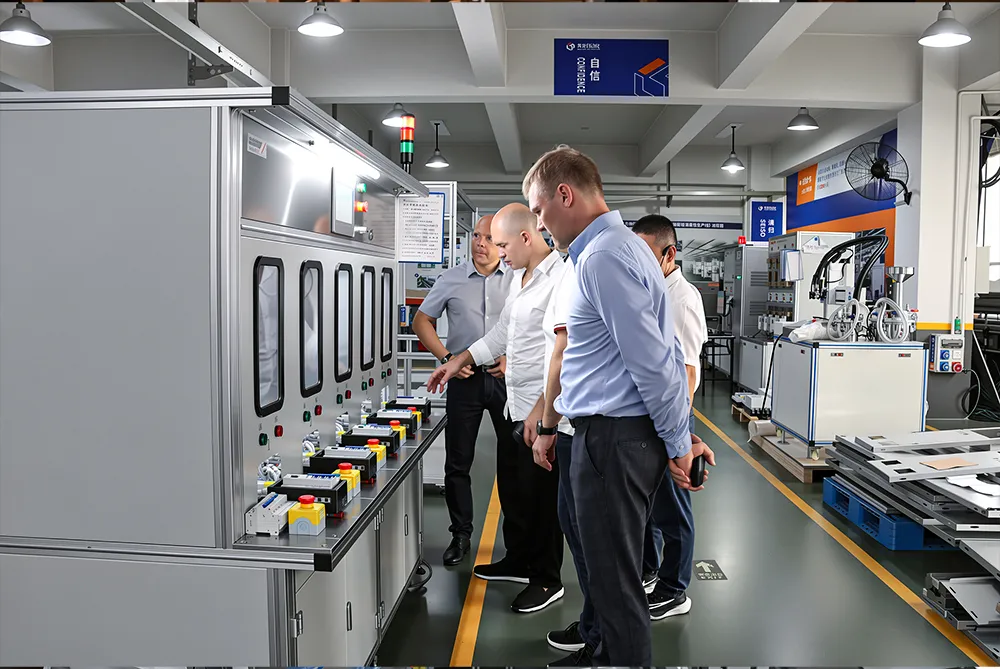


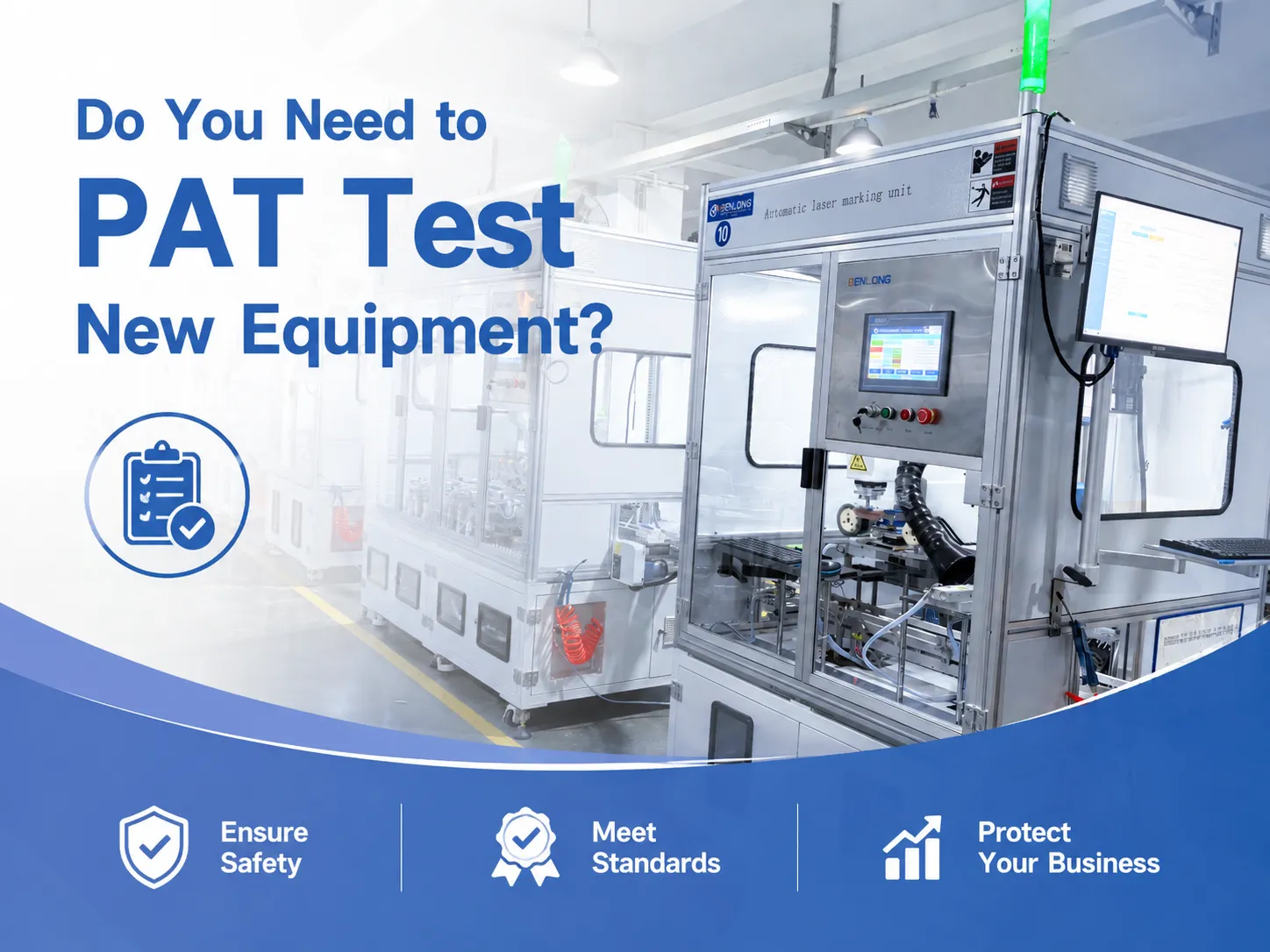
Do You Need to PAT Test New Equipment?
When a facility acquired three stainless steel mixing vessels with motors and control panels installed in them, the maintenance supervisor was confronted with the age-old question again. The question in consideration was whether these new pieces of equipment needed to undergo PAT testing prior to their utilization in the workplace, or whether the CE marking and other documents issued by the manufacturer exempted them from it. The response from the insurance inspector clearly indicated that manufacturer’s documents may lay the groundwork, but it cannot excuse the employer from the obligation to ensure the compliance of the equipment with specific needs of its installation. The equipment was tested and one of the vessels was found to have an improperly functioning earth connection, which was a malfunction that has been passed by the manufacturer’s quality control procedures. Thus, it was found out that new devices are not always safe. The fact that something is new is not enough for treatment of equipment as safe equipment. It is essential to know whether the equipment has to be PAT tested or not, and what the law requires in this connection.
What the Law and the Code of Practice Actually Say
In the United Kingdom, the legal obligation is contained in the Electricity at Work Regulations 1989 which have been implemented by the Health and Safety Executive (HSE). Regulation 4(2) states that “all systems are to be maintained so as to prevent danger so far as is reasonably practicable.” The regulation does not mention PAT testing by name. It does not specify any tests to be carried out or a period of testing. What it asks for is that every electrical system and any electrical equipment connected to it be kept in a state that avoids danger. It is up to the employer, landlord, or operator of the premises to determine the necessary maintenance and to ensure that the evidence they have that they took reasonable measures is documented.
The IET Code of Practice for In-Service Inspection and Testing of Electrical Equipment published by the Institution of Engineering and Technology (IET) serves as the standard consideration for most organisations. From this code of practice, the term “PAT testing” has originated, albeit incorrectly. The code of practice helps define requirements for PAT testing, giving it a pragmatic perspective regarding its applicability to new equipment. When it comes to new equipment that arrives undamaged in its original packaging and is located in a low-risk area, the user can do without the full combined inspection and testing that is recommended by the name of the practice in question. Instead, it is sufficient to carry out a user check that includes visual inspection for apparent damage, plug inspection for correct wiring and checking fuse rated appropriately, as well as checking whether the appliance functions normally. However, if the newly bought equipment is meant to be used in a harsh or dangerous environment, it is better to perform the full inspection and testing of the equipment.
What a User Check Involves vs. a Formal PAT Test
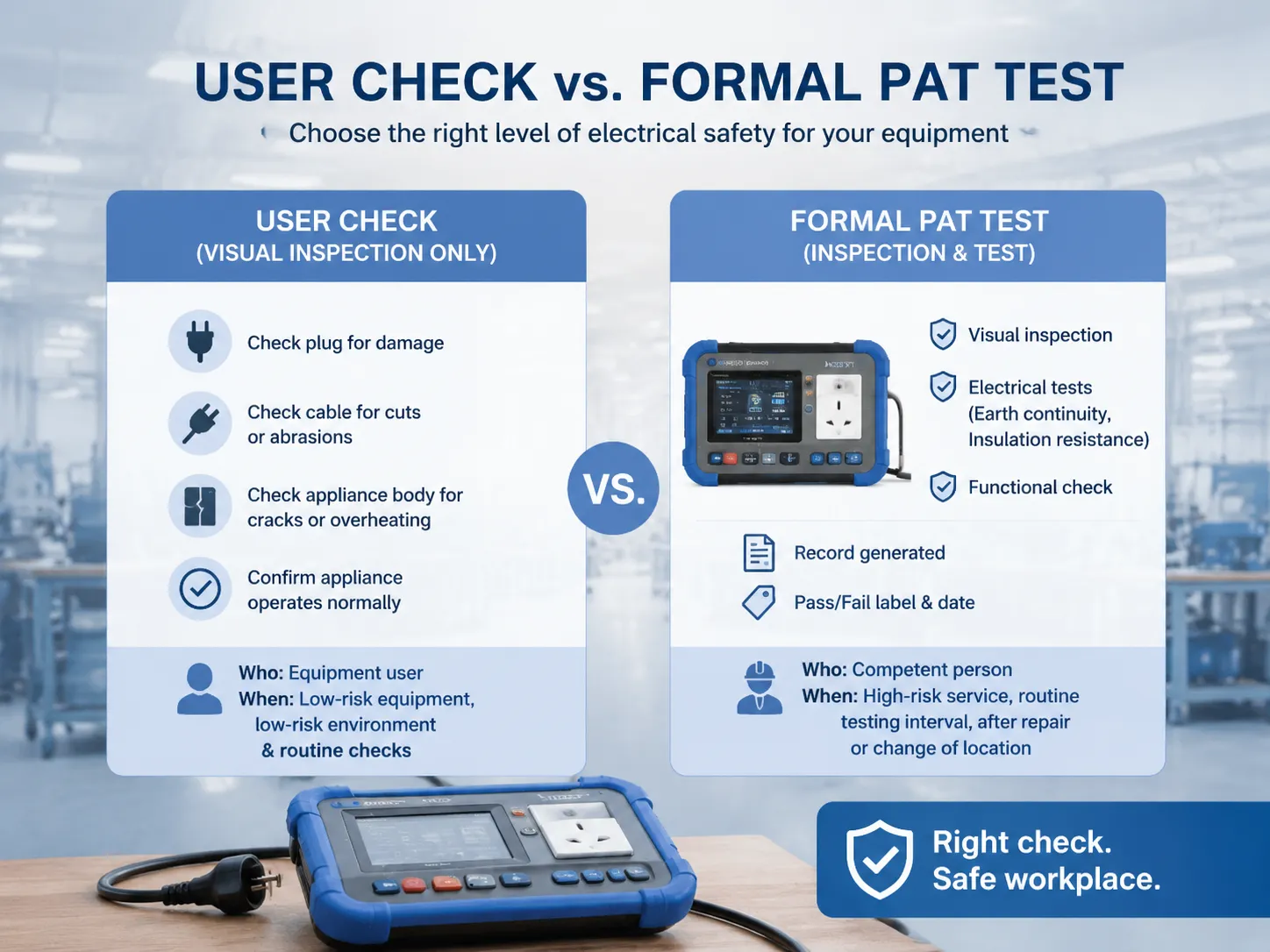
It is essential to differentiate between a user check and a proper combined inspection and verification because this information helps determine the necessary conditions that must be met for new machinery. The following table gives a summary of both types of control and shows where they can be applied.
| Check Level | What It Involves | Who Can Perform It | When It Is Sufficient |
|---|---|---|---|
| User check (visual inspection only) | Check the plug for damage, check the cable for cuts or abrasions, check the appliance body for cracks or signs of overheating, confirm the appliance operates normally. No test instrument is used. No record is required, though a log is good practice. | The user of the equipment, after basic instruction. No electrical qualification is needed. | New, low‑risk equipment in a low‑risk environment — office computers, kitchen kettles, hand‑held power tools used indoors. Also used as a routine check between formal tests. |
| Formal combined inspection and test (PAT test) | The full visual inspection, plus electrical tests using a calibrated PAT tester: earth continuity (for Class I earthed appliances), insulation resistance, and a functional check. A record is generated, and the appliance is labelled with a pass/fail sticker and the test date. | A competent person with the appropriate training and test equipment. For complex or high‑risk equipment, a qualified electrician may be required. | New equipment entering high‑risk service. All equipment at the routine testing interval defined by the risk assessment. Equipment that has been repaired, modified, or moved to a new location. |
Practical Scenarios: When to Test New Equipment and When a Visual Check Is Enough
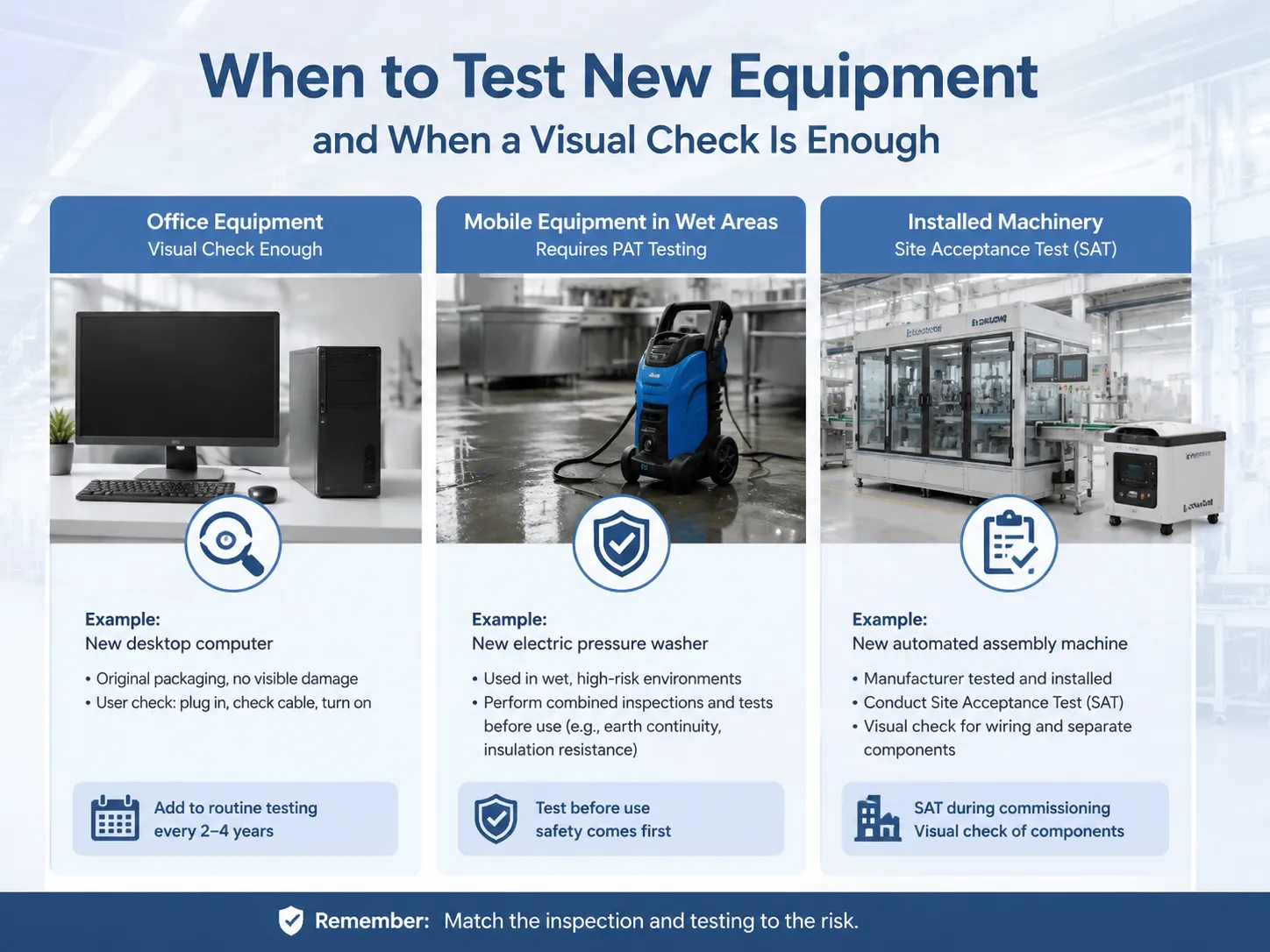
The choice of whether to PAT test a new instrument must take into consideration the type of equipment, the conditions of the environment, and the impacts of any failures. The following situations highlight the practical implementation of the regulations.
- A new desktop computer delivered to an office, in its original packaging, with no visible transit damage. A user check is all that’s needed — plug it in, check the cable, turn it on. There is no requirement for a formal PAT test before initial use. The computer will be added to a routine testing schedule and will undergo a formal test every defined period (usually every 2–4 years for IT equipment in a low-risk office).
- A new electric pressure washer delivered to a commercial kitchen, where it will be used on wet floors. The equipment in which we are dealing is of a risky nature. The combined inspections and tests, which normally contain earth continuity test and insulation resistance test, should be conducted prior to the use of the equipment. Mere user check will not suffice.
- A new automated assembly machine — such as an MCB testing line built by Benlong Automation — delivered to a factory. The manufacturer installs the equipment they have tested in advance at their facility. This machinery is submitted to a site acceptance test (SAT) as part of the commissioning process, during which its electrical safety is checked. Normally, no portable appliance testing is necessary for stationary and installed machinery, but the electrical wiring and elements of equipment that have been operated separately from the main body must be checked visually. Benlong’s automated lines, including the MCB automatic assembly line, are built to meet the relevant IEC electrical safety standards as part of their factory acceptance and site acceptance procedures, and the documentation provided supports the end user’s own safety compliance.
Who Can Perform a PAT Test and What Does It Cost?
The competency in performing a PAT test lies with the person trained to handle the equipment and interpret the results. This training is commonly referred to as the PAT testing course. The training is available for approximately one day. Although a proper electrical qualification isn’t necessary, a foundational understanding of established electric theories is needed in order to grasp the meaning of the PAT results, including when an item of equipment is to be retired instead of simply being retested. A reliable technician may be needed to conduct a PAT testing procedure for more complicated industrial appliances, which have motors or variable-speed drives, as well as other circuitry components.
The cost of carrying out a PAT test through an outside contractor differs according to the type and number of appliances. In a typical office or retail environment, the contractor charges between £1 and £3 per appliance in a combined inspection and test, but there is always a call-out fee. In bigger environments such as factories or commercial kitchens, where the number of appliances is larger, the contractor will charge a lower price per item. For a business that wants to have its own testing, the cost of PAT testing equipment could be from £150 for a basic pass/fail device to £500–£1,000 for more advanced devices that store information, print out results, and work together with asset management systems. The price of training per person is about £100–£200 a day. In small businesses where there are just several dozen appliances in place, employing an outside contractor tends to be the more cost-effective solution. In larger facilities where there are hundreds working and maintenance staff is available, the investment into the equipment and training often pays off in about a year of operation.
Frequently Asked Questions
What is a PAT test?
PAT testing (PAT) may be regarded as the common name for the inspection and assessment of electrical equipment which is in use. It involves checking for visible damage along with several electrical assessments – usually earth continuity and resistance insulation. The term “PAT test” is misleading (it translates to “portable appliance testing test”), even if it is commonly used and understood. The right term for the activity would be “combined inspection and testing.”
What is a PAT physical test?
PAT testing’s physical tests are the electrical tests conducted via the PAT device: earth continuity test (checking the earth connection of the plug’s earth pin to the appliance’s metal body is working and having minimum resistance), insulation resistance test (verifying that insulation between live conductors and ground is intact), and in certain cases the device’s functional test. All tests take place after visual assessment, which is the very first step.
Can you do a PAT test yourself?
Indeed, a PAT test may be carried out internally by a qualified individual trained in use of a calibrated PAT tester. There is no legal obligation to have an external contractor or for any specific electrical qualifications but the person conducting the test must know how to identify faults and decide competently on the safety of the equipment.
How much does it cost to get a PAT test?
The price for a Portable Appliance Testing (PAT) test performed by an outside contractor is around £1 – £3 for each appliance plus any minimum call-out fee that the contractor might charge. In comparison, setting up and training an in-house tester costs approximately £250 to £1,200 based on the equipment that will be used and the trainer. If the testing is to be performed by a large establishment in the long term, then using an in-house tester will turn out to be cheaper.
References
- Health and Safety Executive (HSE) — Electricity at Work Regulations 1989. The statutory instrument that requires the maintenance of electrical systems and equipment to prevent danger. The HSE provides free guidance on what the regulations require in practice.
- IET — Code of Practice for In‑Service Inspection and Testing of Electrical Equipment. The definitive guidance document on PAT testing, including the recommended testing intervals for different equipment types and environments.
- NICEIC — PAT Testing Guidance for Businesses. Practical guidance from the UK’s leading electrical certification body on who can test, how often, and what records to keep.
- Fluke — PAT Testers and Electrical Safety Testing Equipment. Manufacturer of calibrated PAT testers and electrical safety test equipment.
The question “Do you need to PAT test new equipment?” has a practical answer that depends on the equipment and where it will be used. A freshly supplied office computer needs to be visually checked only to check whether it has been supplied correctly and is plugged into a proper socket. In contrast, a new pressure washer, meant to operate within a wet commercial kitchen, must undergo a complete test before it can be put to work. Regulations stipulate that the enterprise must maintain equipment in a good state for avoiding accidents and dangers, while the code indicates how such maintenance shall be performed. The facilities manager, maintenance manager, and owner of the company should focus on implementation of risk assessment instead of following general regulations blindly. The same principle applies to machines produced by Benlong Automation.