benlong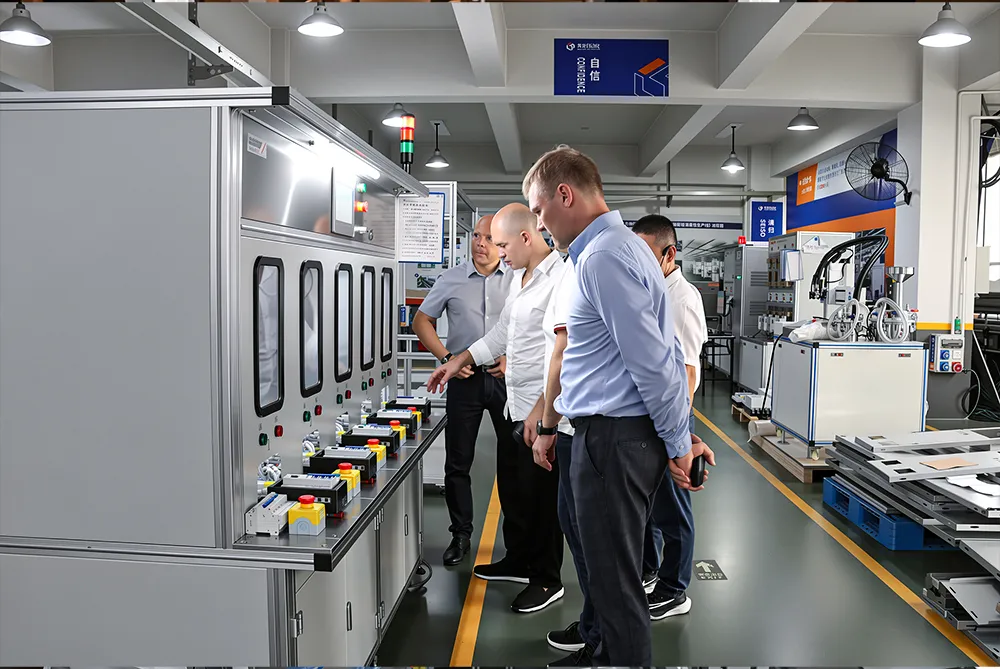
Human Oversight in Industrial Automation
In a fully automated production line within a beverage factory, something went awry when the machine happened to fill every 12th bottle with 2 millilitres of beverage less than the specified amount. The line’s inspection equipment failed to notice the deviation since it fell within the tolerance limit of the camera that was being utilized. As a result, there was no intervention and the line functioned according to its programming. This mistake was only noticed later on, during the third shift of work, by the quality technician after a sample was taken from the production line and analyzed.
The machine was working perfectly fine; however, it was incapable of detecting even slight changes that may occur in the production process. This is nothing but a typical malfunction of the automated production line. Human involvement in production is not a temporary lack of full automation in the production process; it is a permanent information system that picks up the functions that have not been fulfilled by the sensors, interprets data that cannot be interpreted by a computer, and makes decisions that cannot be made by either PLCs, vision systems, or AI programs. Knowing where and when human intelligence is required is an important distinction between well-functioning and poorly functioning production lines.
Why Automation Cannot Eliminate the Need for Human Judgment
The ambition of a factory that operates automatically and without human involvement continues to be a topic of interest in manufacturing for many years. There are some manufacturing processes in which such a vision became a reality; however, in most cases, it is necessary to have a person in the manufacturing process because it is a nature of production itself. Automated systems are devised to deal with the situations that can be known to them. A sensor captures the value of some parameter; a PLC compares it with the set value; an actuator corrects the discrepancy. Such a continuous feedback system can function correctly if only the conditions for which it is designed remain unchanged. If the situation changes, like a raw material is changed or the tool wears out, the system keeps operating in automated mode but produces defective items.
This is where humans have an advantage that is not found in robots – they can identify a strange pattern and regard it as a problem. They are able to deal with the unique developments that have never happened before. They also can make decisions due to their past experience, intuition, and understanding of circumstances like what customers want, rules, and objectives of the corporation. In its research, McKinsey & Company states that the best approach is not to use robots instead of people – humans ought to be used alongside machines, rather than just letting machines work on their own. The most progressive factories do not have the fewest employees but the ones that make the best use of their workers’ and their machines’ skill set.
The Key Functions of Human Oversight in an Automated Environment
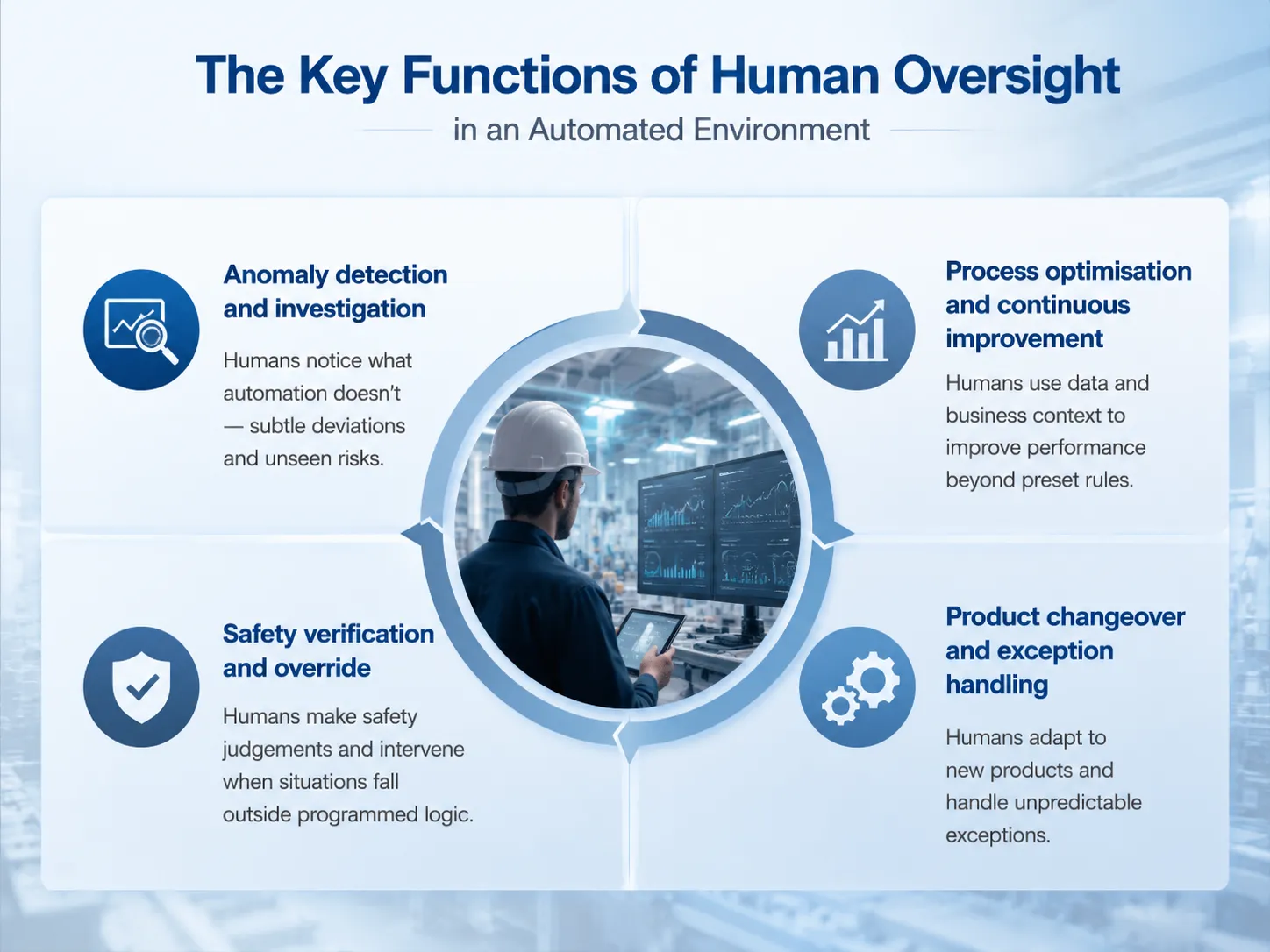
Human oversight is not a single task. It is a set of functions, each of which operates at a different point in the automation lifecycle and requires a different level of skill and attention. The table below summarises the primary oversight functions and where they apply in a typical automated production environment.
| Oversight Function | What the Human Does | What Automation Cannot Do |
|---|---|---|
| Anomaly detection and investigation | Recognises a pattern of subtle deviations — a gradual increase in a torque value, a slow drift in a calibration curve — that the automated monitoring system has not been programmed to flag. Investigates the root cause, which may lie outside the automated cell: a change in a raw material, a tool that is wearing faster than expected, an environmental factor such as humidity or temperature. | Identify a problem that has never been defined as a problem. Automated systems flag what they are told to flag. Humans recognise what does not look right, even if they have never seen it before. |
| Process optimisation and continuous improvement | Analyses the data that the automated line generates — the cycle times, the yield data, the energy consumption — and identifies opportunities to improve. Adjusts a weld schedule, re‑sequences a pick‑and‑place operation, or recalibrates a test station to improve throughput or reduce scrap. | Understand the business context of an optimisation decision. A machine can optimise within defined parameters. A human can decide that a parameter should be changed because the customer’s priority has shifted from speed to quality, or from cost to sustainability. |
| Safety verification and override | Verifies that an automated safety system has correctly isolated a hazardous energy source before maintenance begins. Overrides an automated sequence when a situation — a person in the cell, a tool left on a fixture, a pallet in the wrong position — is outside the system’s programmed safety logic. | Make a safety judgment in an ambiguous situation. A safety PLC follows its programmed logic. A human can assess a situation that the logic did not anticipate and decide whether it is safe to proceed. |
| Product changeover and exception handling | Manages the transition when a new product variant is introduced — verifying the first articles, adjusting the vision system for a new part geometry, confirming that the calibration is valid for the new product. Handles exceptions that the automated system cannot resolve: a part that is jammed in a non‑standard way, a sensor that has failed and must be replaced while the line is running, a batch of material that is out of specification and requires a manual decision. | Adapt to a situation that has never occurred before. Automated systems handle predictable exceptions. Humans handle the unpredictable ones. |
Where Human Oversight Is Most Critical: High‑Consequence Processes
Human oversight across automated systems is not uniform. Most importantly, it is needed in situations where failure may lead to injury, death, or severe harm to the environment. In the case of a pharmaceutical production line, human operators check whether the proper product is in the conveyor and whether the conveyor has been adequately cleaned before production is started as an automated vision system that scans barcodes is not able to establish if the content in the compartment is the same as written on the label. In an aircraft engine assembly workshop, someone has to check if the essential bolt has been twisted properly, using an instrument that is able to fix the reading, though the automated system works perfectly, for the consequences of missing just one bolt are too severe.
The Economics of Human Oversight: What It Costs and What It Saves
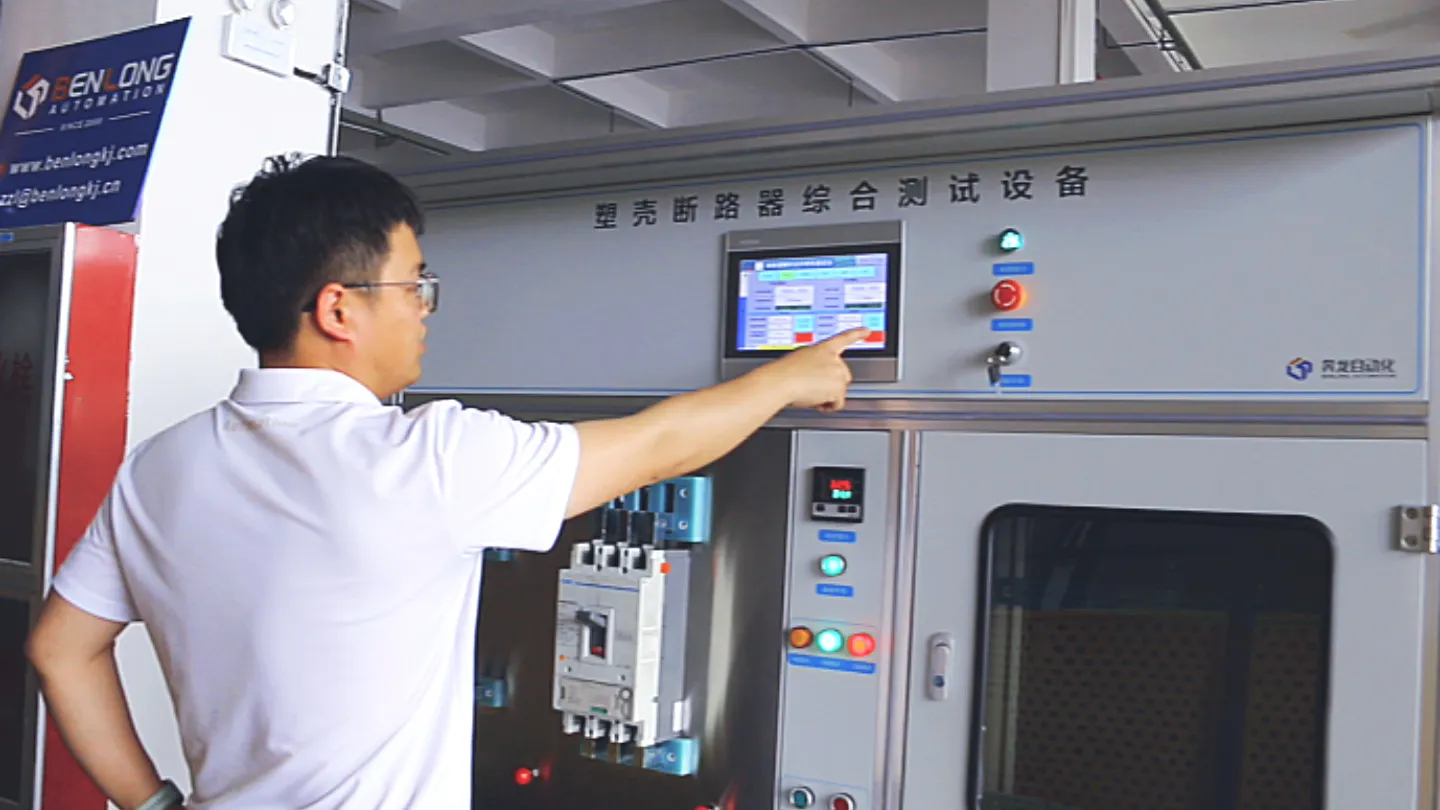
It is easy to think that human management is a thing of the past — it simply adds to the operational expenses of running the automated plant: the salary for the operator, their training and the time of the oversight process. However, in practice, everything is much more complicated. Human management has very limited costs, which only consist of around 5-15% in the management costs for processing line machines hire trained specialists in the process, including operators and technicians. Even though human management costs relatively little we tend to forget about it when there is a failure.
A single shipment of damaged products, one warranty case, one accident — all these situations may amount to expenses exceeding human payroll for several years. The rationale of human management costs is not to indicate that people are cheaper than machines but rather to stress that people are the only form of failure prevention from cases that machines cannot solve by themselves. A machine designed to have human management feature will be able to run better than any machine running without involving people. For a detailed look at how automated testing and inspection stations on an MCB production line generate the data that human operators and quality engineers rely on, our guide on what an MCB automatic testing line is explains the calibration and verification functions that require human interpretation and sign‑off.
Designing Automation for Effective Human Oversight
The decision whether or not to use human control in an automated system must be taken at the design stage, and it cannot be easily added later. If a manufacturing system is built around the idea of being fully automated, with features excluding operator access, it will not function smoothly with any human supervision. The following design principles will identify those types of automation that make it easy and possible for a person to oversee this process from those that actually obstruct and stop human influence on it.
- Design the HMI for the operator, not for the engineer. The production screen visible to the operator needs to show main indicators such as cycle time, output, and alarms with different colours, arrows, etc. The engineering diagnostic display may be made accessible but should not be set to open without the request of the operator.
- Provide physical access to critical inspection points. There are certain instances whereby a human will need to verify the results of the vision system, despite the latter being able to examine a component on its own. The presence of inspection windows, detachable covers, and places where samples can be collected allow for someone to take out a particular piece and measure it to check if the readings produced by the automation are accurate.
- Log and display the data that supports oversight. In order to detect discrepancies early on, it is essential to document, analyze, and present the significant information generated by the production line — including torque values, calibration results, and results from visual inspections — to understand shifts in data before it turns erroneous. For instance, if the nature of reporting is merely to display a pass-fail count for the hour, it will not yield the information necessary to investigate whether a tool is becoming more worn out.
- Build in the ability to intervene safely. It is necessary for an operator to possess true capability and methods by which they can halt the process, investigate a workpiece, and then activate the process after all checks have been made without any risk of generating any safety problems or any loss of data.
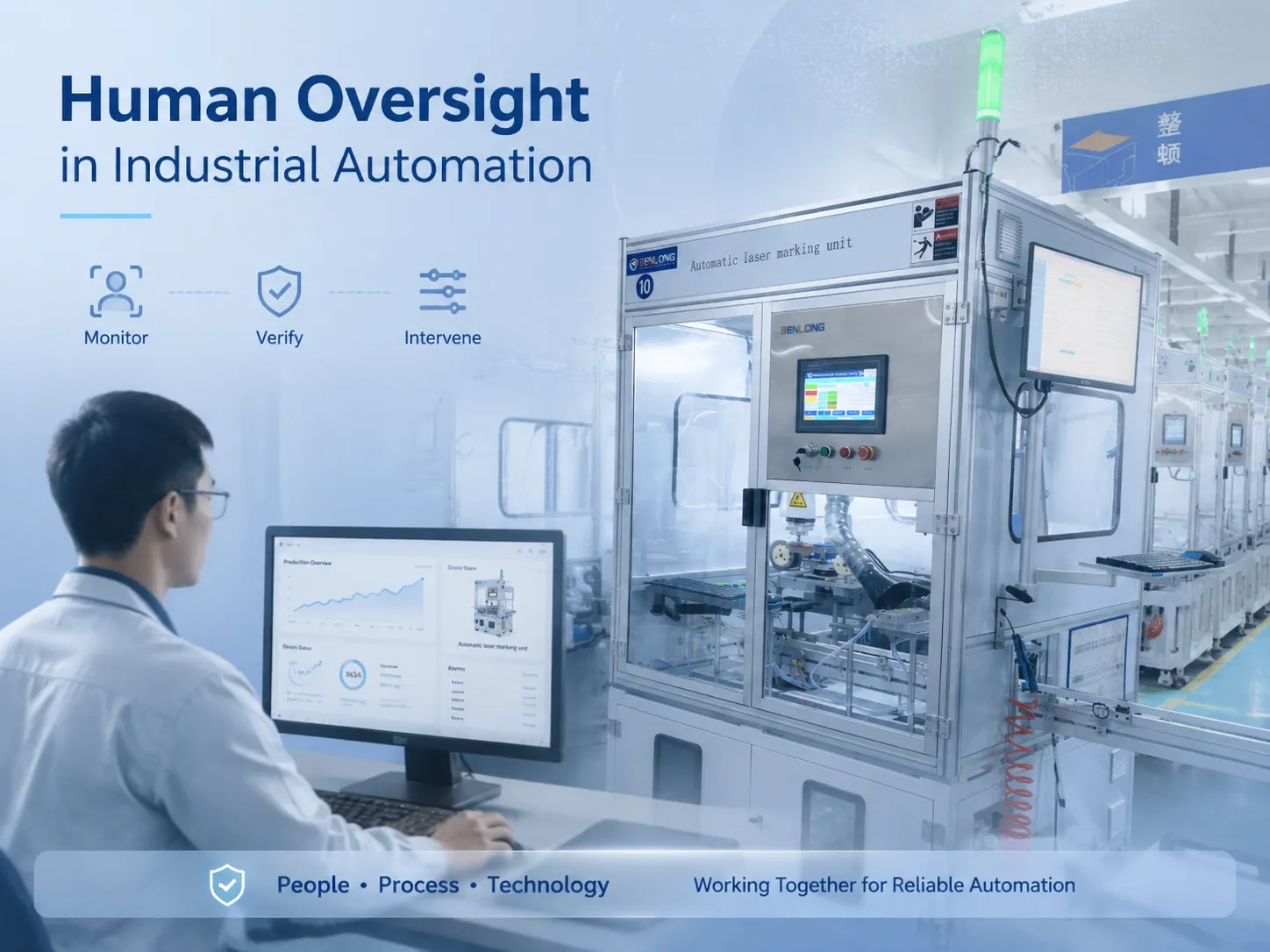
Benlong Automation’s assembly and testing lines for the electrical manufacturing sector are designed with these principles. The HMIs on Benlong’s MCB automatic assembly lines present the operator with real‑time calibration data, trend charts, and alarm status, and the control architecture supports remote diagnostics and intervention. The automated line is not a black box. It is a transparent, data‑generating system that a trained operator can monitor, interpret, and improve.
Frequently Asked Questions
Can an automated factory operate without any human oversight?
In a small number of highly repetitive, predictable processes — such as a dedicated high‑volume packaging line — lights‑out operation is possible for limited periods. For the vast majority of manufacturing operations, full autonomy without human oversight is neither practical nor safe, because automated systems cannot recognise unfamiliar patterns, make context‑dependent decisions, or respond to situations that were not programmed. Human oversight remains essential for anomaly detection, safety verification, and exception handling.
How many operators are needed to oversee an automated line?
A well‑designed automated line that previously required ten to fifteen manual assemblers can typically be overseen by two to three operators per shift. Their role shifts from performing the assembly to monitoring the line, performing first‑article inspections, responding to alarms, and conducting preventive maintenance. The operator‑to‑output ratio improves dramatically, but it does not go to zero.
What training do operators need to oversee automation?
Operators who oversee automated equipment need training in the specific HMI and control system of the line, in the quality standards that the line must meet, in the basic diagnosis of common faults (a jammed part, a sensor fault, a calibration drift), and in the safe intervention procedures — how to stop the line, clear a fault, and restart it without creating a hazard or a data gap. This training is typically provided by the automation integrator as part of the commissioning process.
Will AI reduce the need for human oversight in the future?
AI will change the nature of human oversight, but it will not eliminate it. AI‑driven vision systems can detect defects that rule‑based systems miss, and AI‑driven predictive maintenance can anticipate a failure days before it occurs. But the decisions that follow — whether to stop a line, whether to quarantine a batch, whether to adjust a process parameter — will continue to require human judgment, because they involve trade‑offs that AI cannot make: the cost of a shutdown versus the risk of a defect, the regulatory obligation versus the production target, the safety of a worker versus the urgency of a delivery.
References
- McKinsey & Company — The Future of Manufacturing: Human‑Machine Collaboration. Research on the productivity and quality outcomes of automation that is designed for human oversight and intervention.
- Deloitte — The Changing Role of the Manufacturing Workforce. Analysis of the skills transition from manual assembly to automated production management and the growing importance of data interpretation and decision‑making skills.
- International Society of Automation (ISA) — Human‑Machine Interface Design Standards. Standards and best practices for designing HMIs that support effective human oversight in automated environments.
- International Federation of Robotics (IFR) — Collaborative Robots and Human‑Robot Interaction. Data and analysis on the growth of collaborative automation and the role of human operators in flexible, robot‑assisted production cells.
Human oversight in industrial automation is not the opposite of automation. It is the complement — the layer of intelligence that catches what sensors miss, that interprets what algorithms cannot, and that makes the safety and quality decisions that no machine can be trusted to make alone. An assembly line outfitted for optimal supervision with user-friendly HMI, easy-to-reach testing points, and the ability to access relevant information, is an assembly line that can work faster and produce high-quality products more efficiently than an assembly line that was designed purely for automated processes. In line with this, Benlong Automation develops assembly lines that are in keeping with this principle, as the goal of automation is not to eliminate humans from production, but rather to equip humans with the information they need to perform proper oversight.