benlong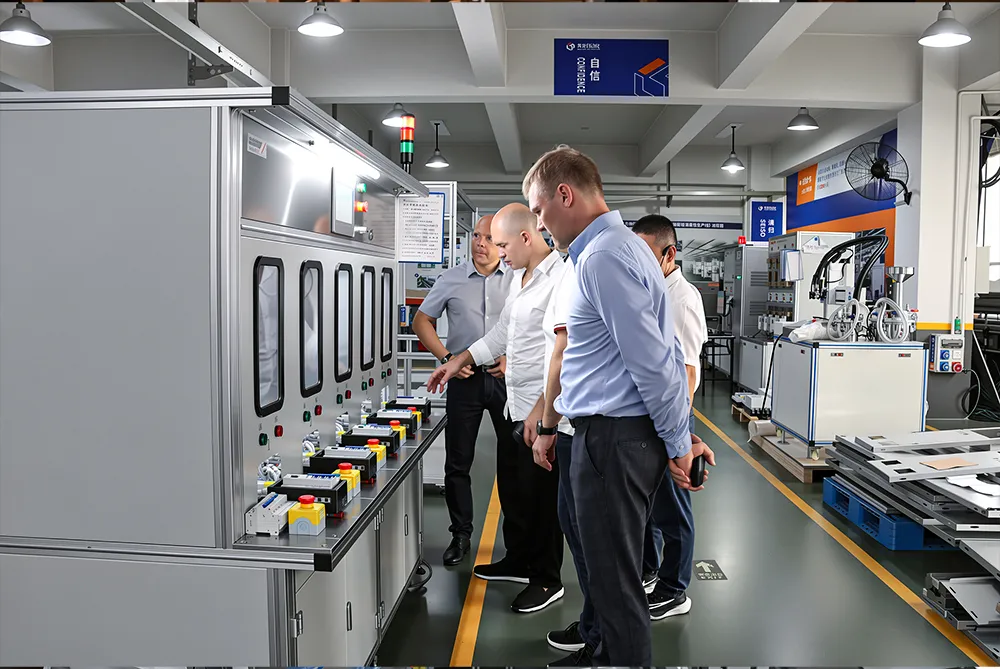
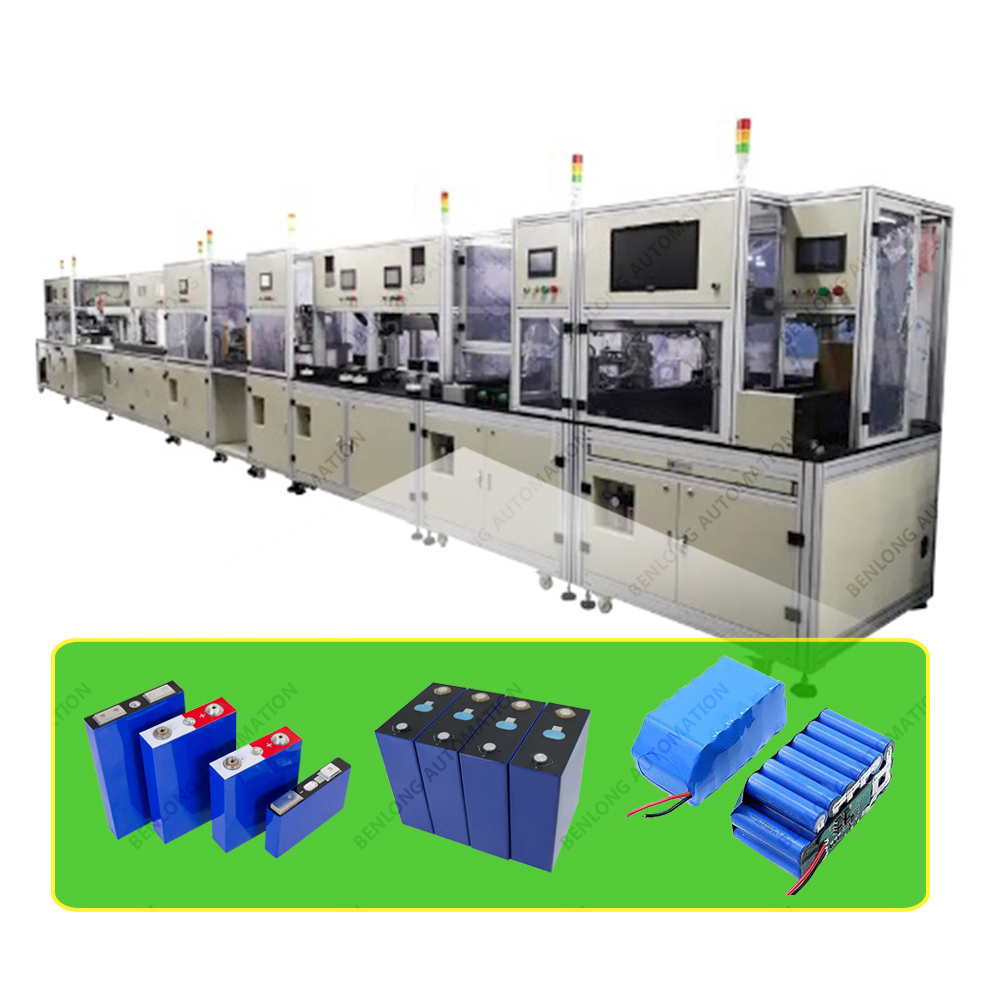
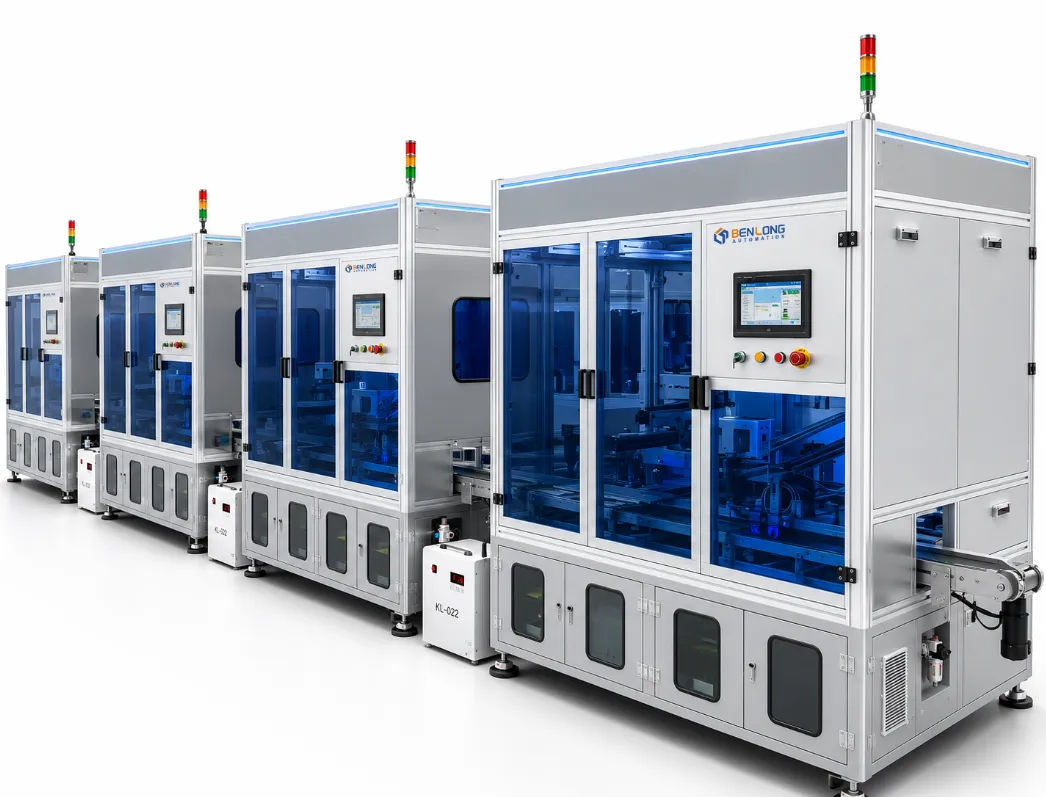
خط إنتاج آلي لوحدات بطاريات الليثيوم
خط إنتاج وحدات بطاريات الليثيوم الأوتوماتيكي بالكامل للسيارات الكهربائية وأنظمة تخزين الطاقة. يشمل فرز الخلايا (الجهد/الأشعة تحت الحمراء)، واللحام بالليزر/الموجات فوق الصوتية، وتركيب نظام إدارة البطارية، واختبار نهاية العمر (العزل، الشحن/التفريغ، الموازنة). قابل للتخصيص للخلايا الأسطوانية، والمنشورية، والأكياس. إمكانية تتبع كاملة. متوافق مع معايير IEC/UL.
خط إنتاج وحدات بطاريات الليثيوم الأوتوماتيكي بالكامل
تم تطوير خط إنتاج وحدات بطاريات الليثيوم الجديد والمؤتمت بالكامل خصيصًا لتجميع كميات كبيرة من حزم بطاريات الليثيوم أيون للمركبات الكهربائية وأنظمة تخزين الطاقة. يتكون هذا الخط من عدة عمليات متكاملة، مثل الفرز التلقائي للخلايا حسب الجهد والمقاومة الداخلية، وتجميع الوحدات، وربط الوحدات بسرعة باستخدام اللحام بالليزر أو الموجات فوق الصوتية، وإجراء اختبارات نهاية العمر لضمان الأداء الموحد والسلامة والموثوقية على المدى الطويل.
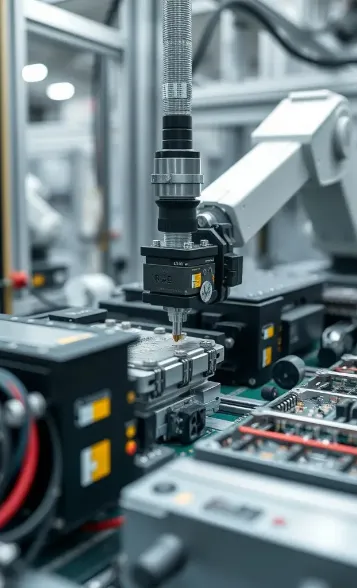
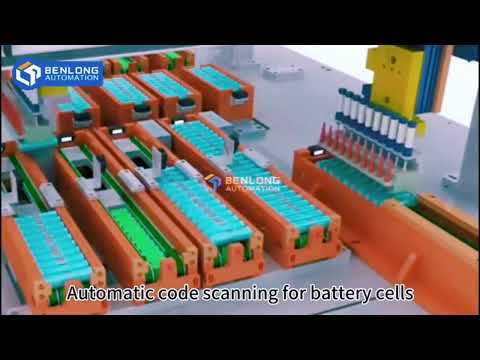
تبدأ عملية فرز الخلايا بدقة عالية، بناءً على الجهد (مللي فولت) والمقاومة الداخلية (مللي أوم). ثم تُجرى عملية تجميع الوحدات وتركيب قضبان التوصيل، واللحام بالليزر عالي الطاقة أو الربط بالموجات فوق الصوتية للخلايا بقضبان التوصيل، بواسطة روبوتات لتحقيق دقة تصل إلى مستوى الميكرون في إنتاج وصلات كهربائية موثوقة. ويُعدّ التركيب الآلي لنظام إدارة البطارية (BMS) ومكونات إدارة الحرارة (ألواح التبريد، وسادات العزل) من أهم مراحل هذه العملية. ويُجرى اختبار وظيفي نهائي على الحزم الجاهزة، يشمل فحص مقاومة العزل، والتحقق من توازن المكونات النشطة/الخاملة، واختبار أداء الشحن/التفريغ بمعدلات عالية. وخلال العملية برمتها، تحمل كل خلية ووحدة رمزًا شريطيًا لضمان التتبع، مما يضمن أن كل حزمة منتجة تفي بمعايير السلامة والأداء الدولية المحددة من قبل الشركات المصنعة الأصلية لتطبيقات المركبات الكهربائية وأنظمة تخزين الطاقة.
يستغرق التسليم القياسي ما بين تسعين ومائة وعشرين يومًا. جميع الميزات قابلة للتعديل، بما في ذلك الخلايا الأسطوانية والمنشورية، وخلايا الأكياس، ونظام متكامل جاهز للاستخدام.
ما هو خط الإنتاج الآلي لوحدات بطاريات الليثيوم؟
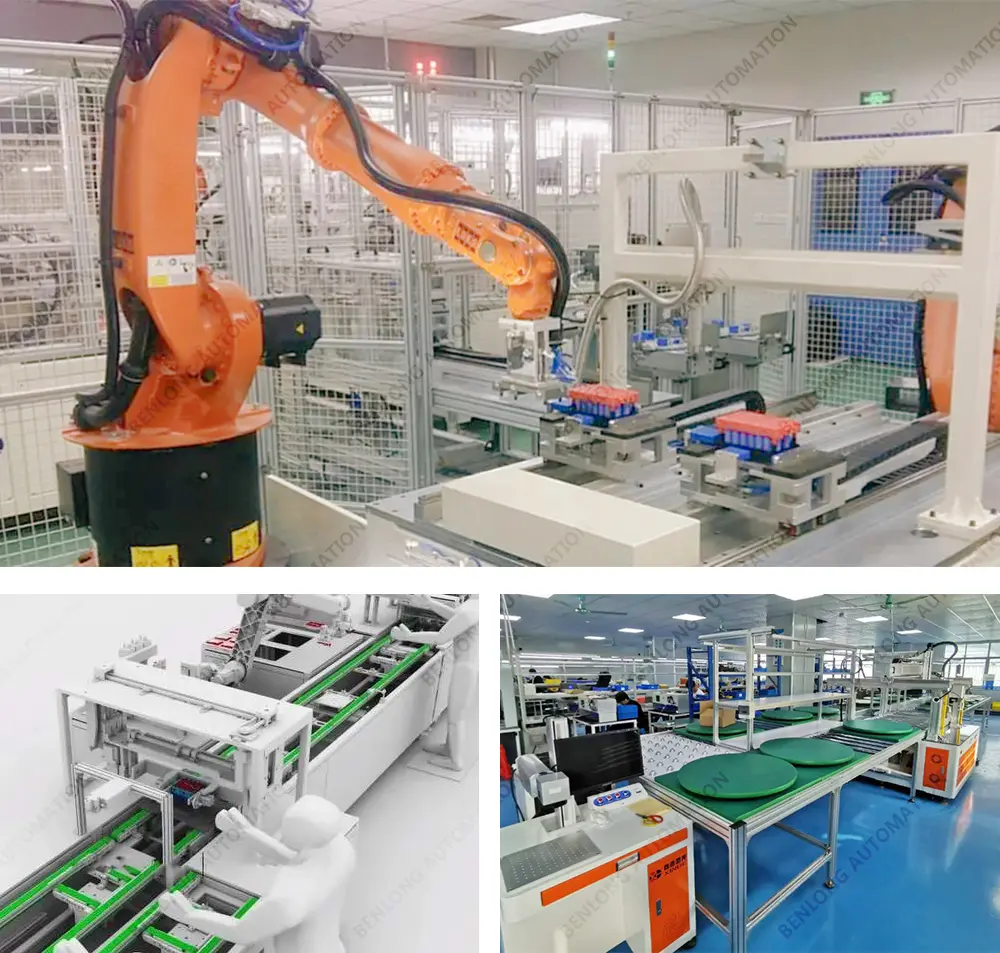
خط إنتاج آلي لوحدات بطاريات الليثيوم هو نظام متكامل يدمج عملية إنتاج وحدات البطاريات من خلايا أيونات الليثيوم الفردية (أسطوانية، موشورية، أو كيسية). يُؤتمت هذا الخط جميع عمليات الإنتاج الرئيسية: فرز الخلايا (مطابقة جهد الخلية ومقاومتها الداخلية)، تكديس الخلايا أو وضعها في صينية، لحام قضبان التوصيل (بالليزر أو الموجات فوق الصوتية)، تركيب نظام إدارة البطارية (BMS) في الوحدة، تجميع مكونات إدارة الحرارة، واختبار نهاية خط الإنتاج. صُمم هذا الخط خصيصًا للإنتاج بكميات كبيرة لوحدات البطاريات المستخدمة في المركبات الكهربائية، والدراجات الكهربائية، والأدوات الكهربائية، وأنظمة تخزين الطاقة الثابتة. يضمن خط الإنتاج إمكانية تتبع كاملة من مستوى الخلية إلى مستوى الحزمة باستخدام الرمز الشريطي أو رمز الاستجابة السريعة (QR). كما يُعد هذا الخط حلاً مُخصصًا يُمكن تهيئته وفقًا لمتطلبات منتجك، من حيث شكل الخلية، وحجم الحزمة، وعملية اللحام، وحجم الإنتاج.

قياس الجهد والمقاومة الداخلية آلياً لضمان تطابق الخلايا بشكل متسق.

اللحام بالليزر أو بالموجات فوق الصوتية لقضبان التوصيل والوصلات بدقة تصل إلى مستوى الميكرون.
وضع آلي للوحة الدوائر المطبوعة لنظام إدارة المباني ومكونات الإدارة الحرارية.

مقاومة العزل، الشحن/التفريغ، التحقق من التوازن، وتسجيل البيانات.
ميزات وعملية خط الإنتاج
المواصفات الفنية
| أنواع الخلايا المدعومة | أسطواني (18650، 21700، 26650، 4680)، موشوري، كيس (تركيبات مخصصة) |
|---|---|
| دقة فرز الخلايا | الجهد: ±1 ملي فولت | المقاومة الداخلية: ±0.5% من القراءة |
| تكنولوجيا اللحام | لحام الليزر الليفي (500-2000 واط) أو لحام المعادن بالموجات فوق الصوتية (قابل للتكوين) |
| دقة اللحام | دقة تكرار الموضع ±0.05 مم؛ مراقبة اختراق اللحام اختيارية |
| زمن دورة التجميع | من 3 إلى 8 ثوانٍ لكل خلية (حسب حجم العبوة ونقاط اللحام) |
| تغطية اختبار نهاية العمر الافتراضي | مقاومة العزل، قوة العزل الكهربائي، الشحن/التفريغ (حتى معدل 2C)، موازنة المكونات النشطة/الخاملة، التحقق من صحة اتصال CAN |
| تكامل نظام إدارة المباني | وضع لوحة الدوائر المطبوعة لنظام إدارة البطارية (BMS) آلياً، وتثبيت البراغي، وتحديث البرامج الثابتة الاختياري. |
| إمكانية التتبع | يرتبط الرمز الشريطي/معرف الخلية ببيانات الفرز، ومعلمات اللحام، ونتائج نهاية العمر الافتراضي؛ تصدير نظام إدارة التصنيع عبر OPC UA |
| مصدر الطاقة والهواء | 380 فولت ±10% 50 هرتز | هواء مضغوط 0.6-0.8 ميجا باسكال | ماء مبرد لليزر (اختياري) |
المزايا التقنية الأساسية
فرز الخلايا بدقة للوحدات المتطابقة
يقيس هذا الخط الجهد والمقاومة الداخلية لكل خلية واردة. ثم يقوم بتجميع الخلايا ذات المعايير المتشابهة في نفس الوحدة - وهو أمر بالغ الأهمية لإطالة عمر البطارية وشحنها بشكل متوازن.
اللحام بالليزر/الموجات فوق الصوتية على مستوى الميكرون
يضمن اللحام بالليزر الليفي عالي الطاقة أو اللحام بالموجات فوق الصوتية وصلات ذات مقاومة منخفضة وقوة عالية بين قضبان التوصيل وأطراف الخلايا. كما تتيح المراقبة المحورية الاختيارية فحص اختراق اللحام في الوقت الفعلي.
محطة اختبار نهاية العمر المتكاملة
تُستخدم منصة اختبار شاملة للتحقق من مقاومة العزل، وقوة العزل الكهربائي، وأداء الشحن/التفريغ، وتوازن نظام إدارة البطارية. تُسجل النتائج لكل رقم تسلسلي للعبوة لضمان توثيق الجودة بشكل كامل.
إمكانية التتبع الكاملة لضمان الامتثال لمعايير السلامة
يتم مسح كل معرّف خلية وربطه ببيانات الفرز الخاصة به. تُخزّن معايير اللحام ونتائج اختبار نهاية العمر مع الرقم التسلسلي للعبوة، مما يوفر إمكانية تتبع كاملة لعمليات التدقيق التنظيمي ومتطلبات العملاء.














قصة نجاح عميل - شركة تصنيع بطاريات السيارات الكهربائية
كان من المقرر أن تزيد شركة أوروبية مصنعة لحزم بطاريات السيارات الكهربائية من قدرتها على بناء وحدات (800 فولت) باستخدام خلايا أسطوانية بحجم 21700. وقد عانت خطوط الإنتاج شبه اليدوية الحالية من أخطاء في فرز الخلايا وعدم اتساق اختراق اللحام؛ ومع ذلك، ولتدارك هذا الأمر، قامت شركة Benlong بتصميم وبناء خط إنتاج كامل مؤتمت بالكامل لوحدات حزم بطاريات الليثيوم، بما في ذلك:
في غضون 14 شهرًا، استرد العميل استثماره في الخطوط بالإضافة إلى حصوله على معيار جودة معتمد في الصناعة.
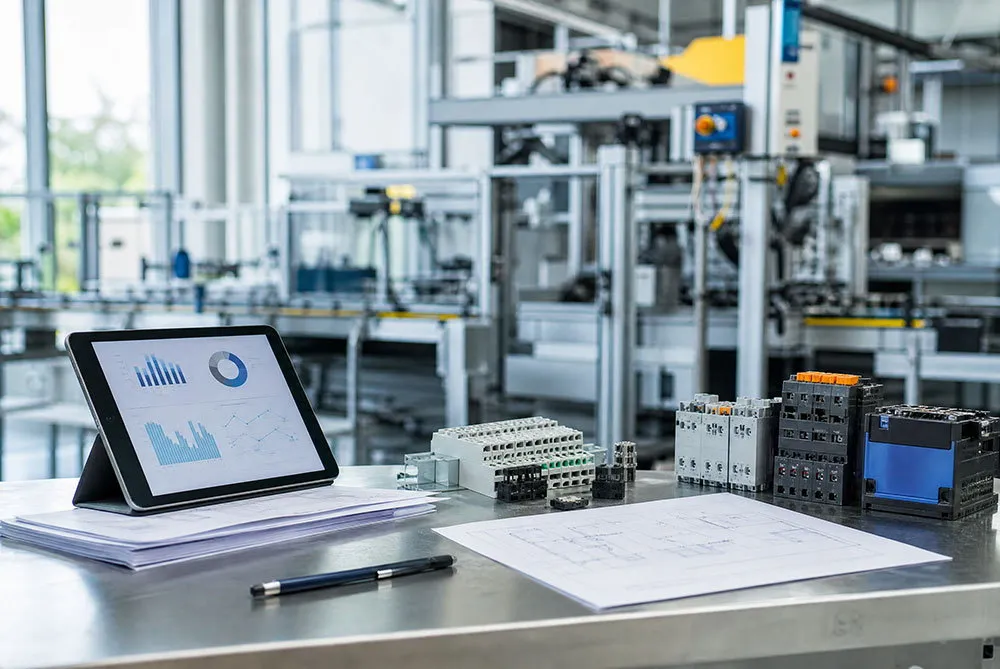
التطبيقات والتكامل
الهندسة والتسليم حسب الطلب
اطلب عرض أسعار مخصص لحزمة بطاريات الليثيوم
يرجى تزويدنا بمواصفات خلايا البطارية، وتصميم التغليف، والتشطيب النهائي المطلوب. بناءً على هذه التفاصيل، سيقوم فريقنا الهندسي بتطوير خط إنتاج مخصص يشمل جميع عناصر العملية (الفرز، واللحام/التشغيل الآلي، وتكامل نظام إدارة البطارية، واختبار نهاية خط الإنتاج) بالإضافة إلى تقييم شامل للعائد على الاستثمار.
واتساب: +86 150 5837 0007 | البريد الإلكتروني: xsb@benlongkj.cn | دعم باللغتين الإنجليزية والصينية
لماذا تختار بنلونج لأتمتة حزم البطاريات؟
- أكثر من 15 عامًا في مجال التصميم خطوط التجميع الآلية لتخزين الطاقة ومكونات المركبات الكهربائية
- خبرة مثبتة في فرز الخلايا (±1 ملي فولت، ±0.5% IR) واللحام بالليزر (500-2000 واط)
- محطة اختبار نهاية العمر المتكاملة (العزل، الشحن/التفريغ، الموازنة)
- إمكانية التتبع الكاملة – من معرف الخلية إلى الرقم التسلسلي للعبوة
- خدمة عالمية ودعم قطع الغيار
تشمل خطوط التخصيص النموذجية ما يلي
نظام فرز الخلايا (الجهد/المقاومة المتوسطة)، والتكديس والتجميع الآلي، ومحطة اللحام بالليزر أو الموجات فوق الصوتية، ووحدة تركيب وتثبيت نظام إدارة المباني، وتجميع إدارة الحرارة، ونظام النقل، ومنصة اختبار نهاية الخط، ووحدة تحكم منطقية قابلة للبرمجة مع واجهة مستخدم رسومية (سيمنز)، وبرنامج التتبع (عبر الرمز الشريطي)، وحواجز السلامة، والتركيب والتدريب، وضمان لمدة عام واحد.
الأسئلة الشائعة
يستطيع النظام معالجة البطاريات الأسطوانية (18650، 21700، 26650، 4680)، والبطاريات المنشورية، والبطاريات الكيسية. ويمكن لمحطات الفرز واللحام استيعاب مختلف الأحجام بسهولة، ويتم تركيبها باستخدام تجهيزات مخصصة.
في التطبيقات ذات الإنتاجية العالية والسرعة الفائقة، يُفضّل استخدام اللحام بالليزر. ومن الأمثلة على ذلك الخلايا الأسطوانية ذات قضبان التوصيل الكبيرة، ولكن يُستخدم بشكل أكثر شيوعًا في اللحام بالموجات فوق الصوتية الذي يعتمد على مصدر حراري لتقليل الحرارة المُدخلة إلى الألسنة الرقيقة أو الخلايا الحساسة للحرارة (مثل الخلايا الكيسية). ويمكننا دمج إحدى الطريقتين أو كلتيهما حسب نوع الخلية ومواد الألسنة المستخدمة.
يتم مسح رمز الاستجابة السريعة أو الرمز الشريطي لكل خلية عند نقطة الفرز في محطة الفرز. وفي محطة الفرز، يتم ربط رقم التعريف نفسه بمعايير اللحام وبيانات تجميع الوحدات. وأخيرًا، خلال عملية اختبار نهاية خط الإنتاج، يتم ربط الرقم التسلسلي للوحدة بجميع البيانات التاريخية على مستوى الخلية، مما يوفر سجلًا كاملًا لشهادة السلامة وعمليات تدقيق العملاء.
يمكن تحقيق معايير السلامة والأداء المحددة من قبل العميل لتطبيقات المركبات الكهربائية وأنظمة تخزين الطاقة، مثل الامتثال للوائح النقل، واختبار السلامة الكهربائية، والتحقق من الأداء، من خلال محطات اختبار نهاية العمر المصممة خصيصًا لهذه المواصفات؛ وسنتعاون معك لتحديد المعايير التي ستنطبق على كل سوق من أسواقك المستهدفة عند تصميم بروتوكولات الاختبار المستخدمة في كل مرحلة من مراحل التصنيع.
بالنسبة لخطوط إنتاج البطاريات الأسطوانية، مثل البطاريات الأسطوانية ذات الحجم القياسي (18650/21700)، ذات الوصلات الملحومة بالليزر واختبارات نهاية العمر الافتراضي، تتراوح مدة التسليم من توقيع العقد إلى قبول المصنع عادةً بين 90 و120 يومًا. أما بالنسبة لخطوط إنتاج الخلايا المنشورية (أو الكيسية) ذات التجهيزات المخصصة، فتتراوح مدة التسليم عمومًا بين 120 و150 يومًا.
المنتجات ذات الصلة
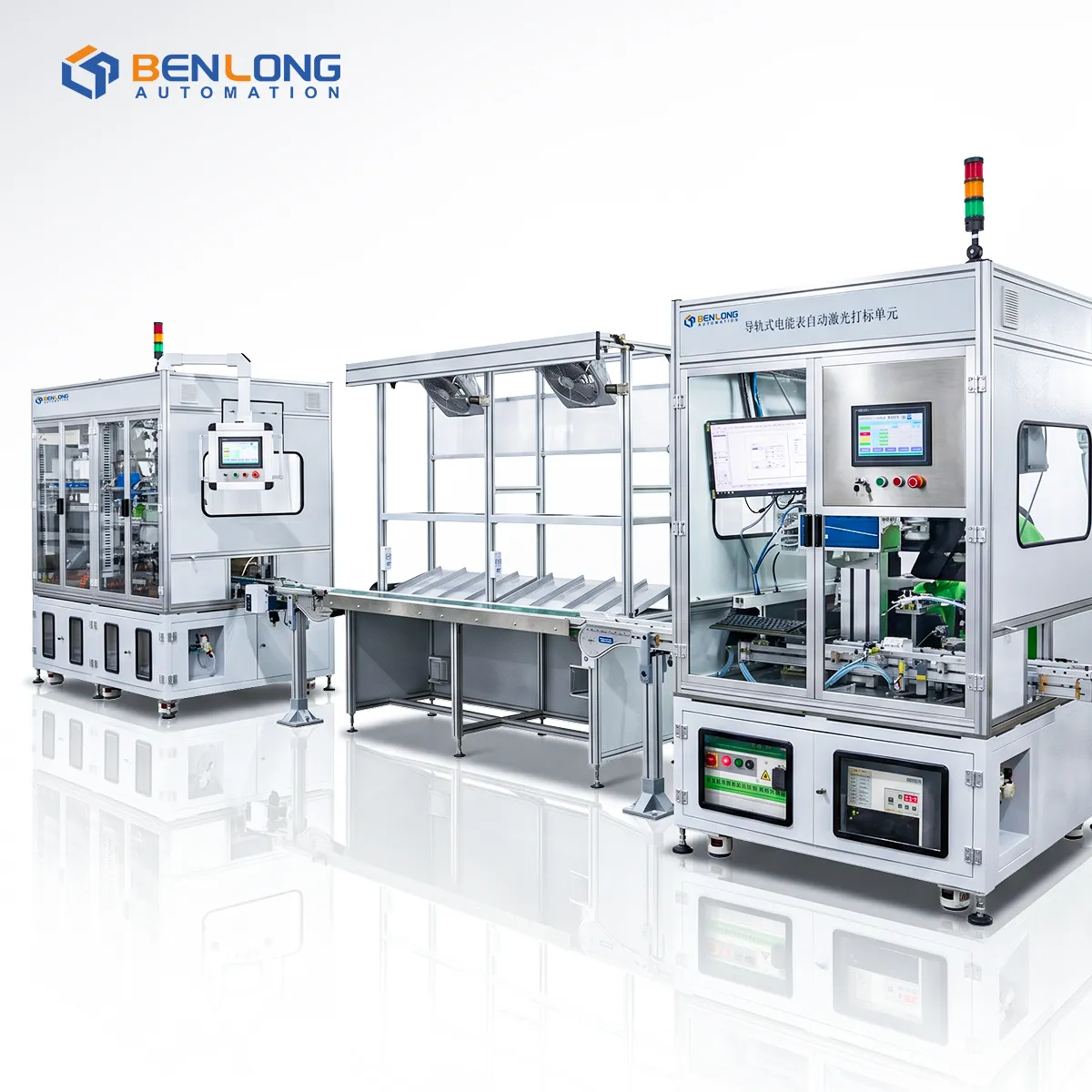
خط إنتاج أوتوماتيكي لعدادات أحادية الطور
عرض التفاصيل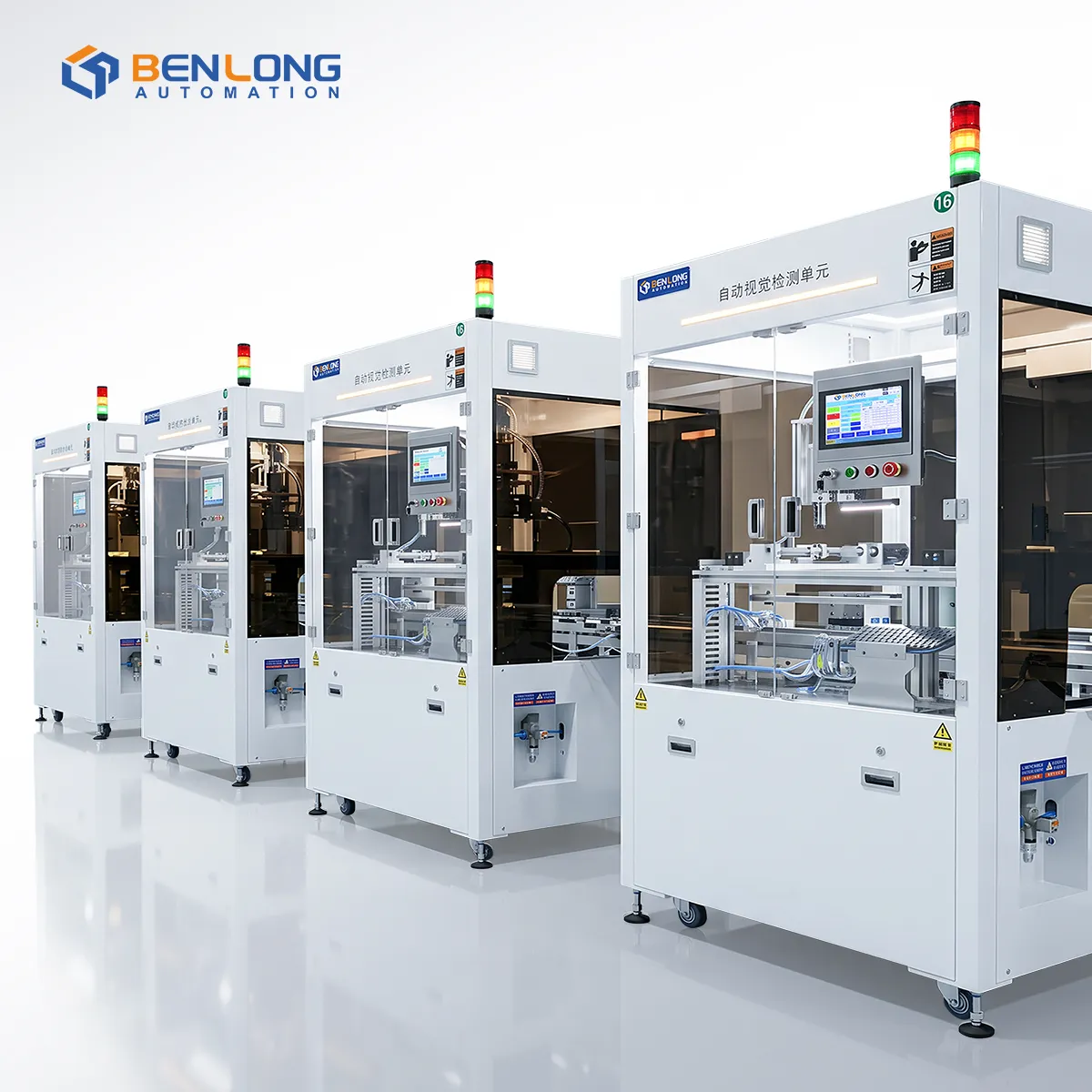
خط إنتاج قواطع الدائرة المصغرة الأوتوماتيكي
عرض التفاصيل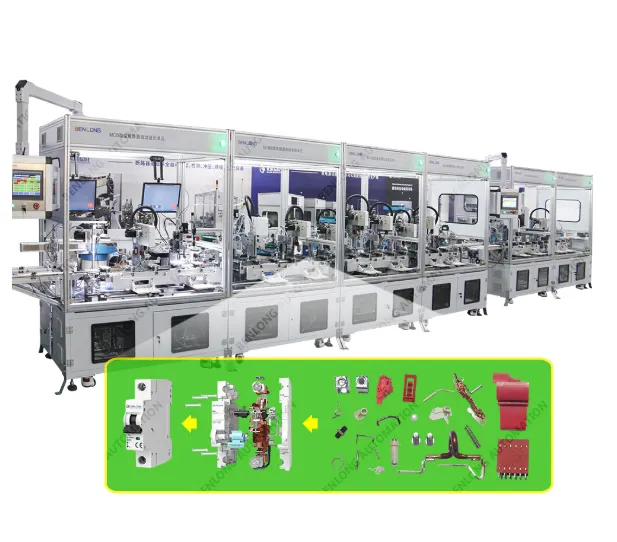
خط تجميع قواطع الدائرة المصغرة الأوتوماتيكي
عرض التفاصيل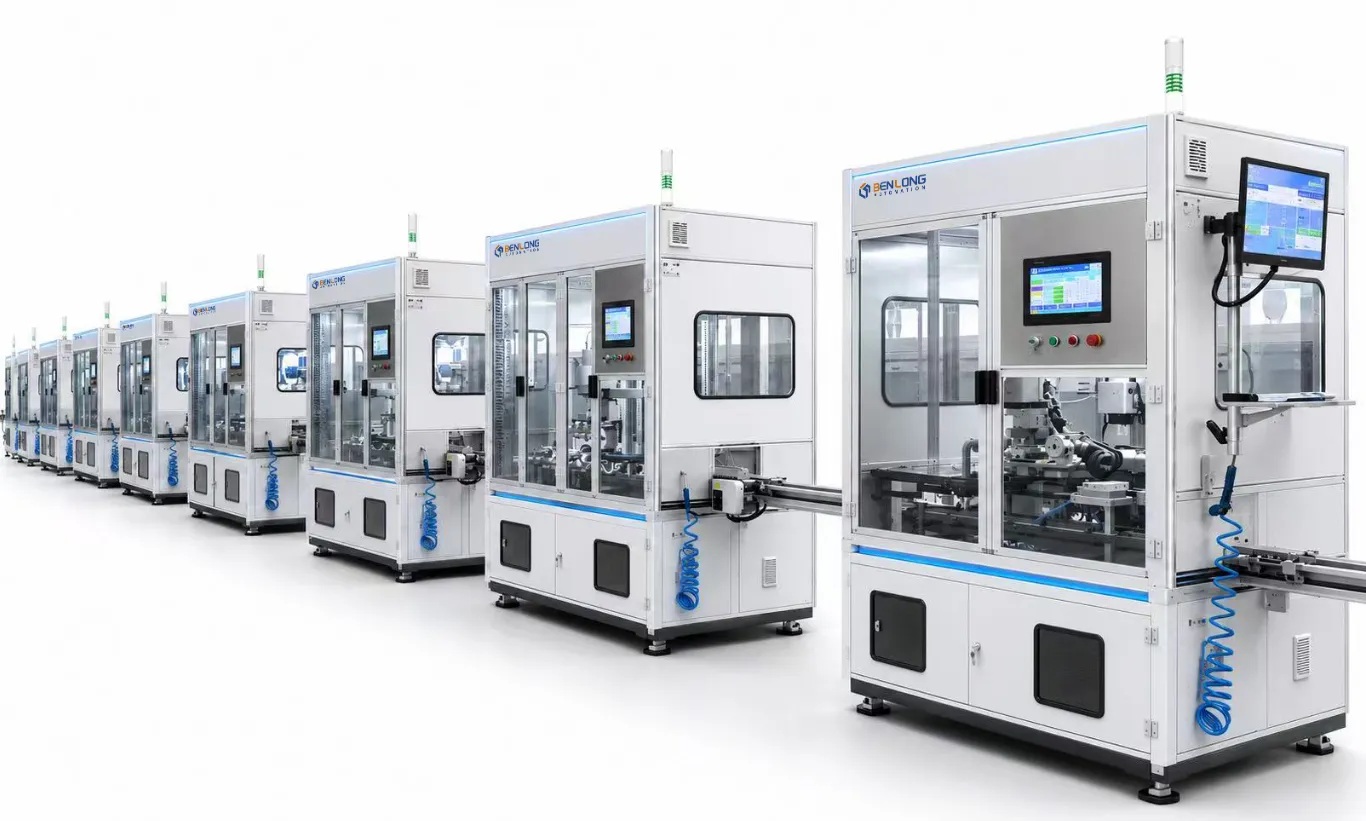
خط اختبار قواطع الدائرة المصغرة الأوتوماتيكي
عرض التفاصيل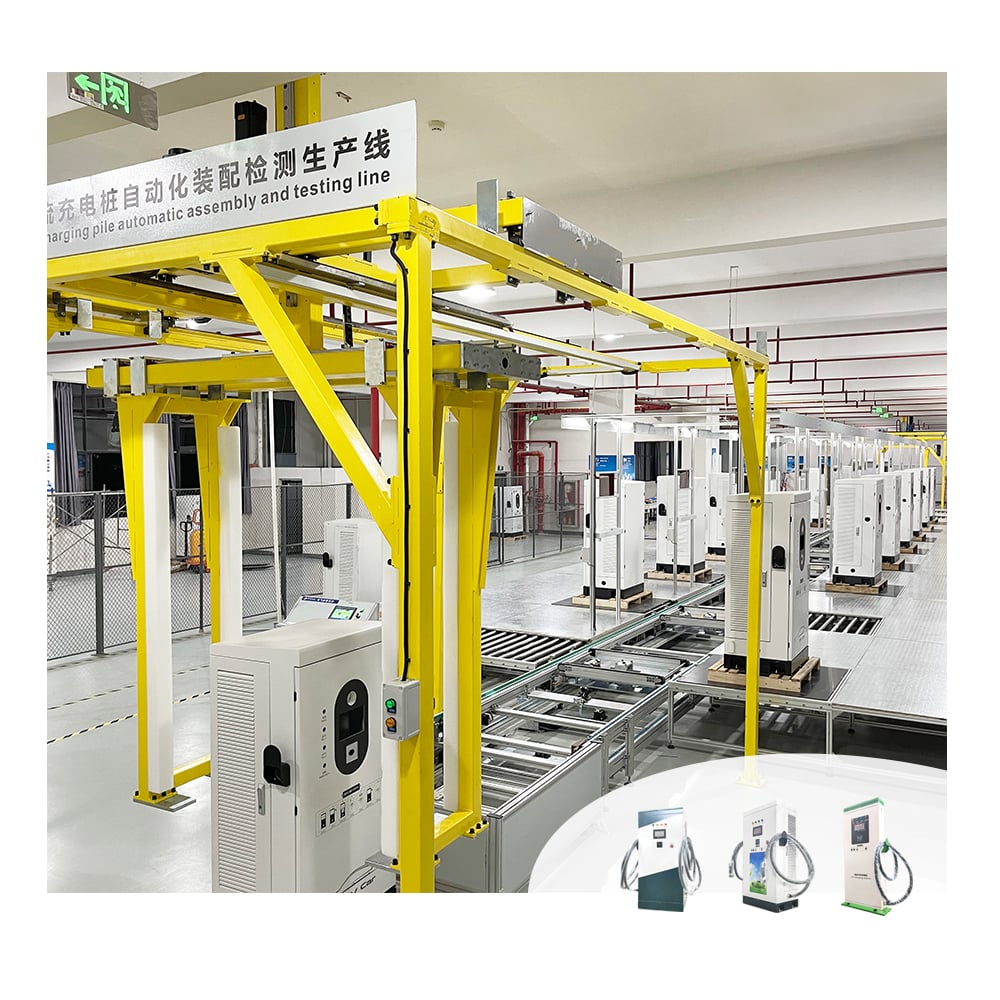
خط إنتاج أوتوماتيكي لشحن التيار المستمر
عرض التفاصيل