benlong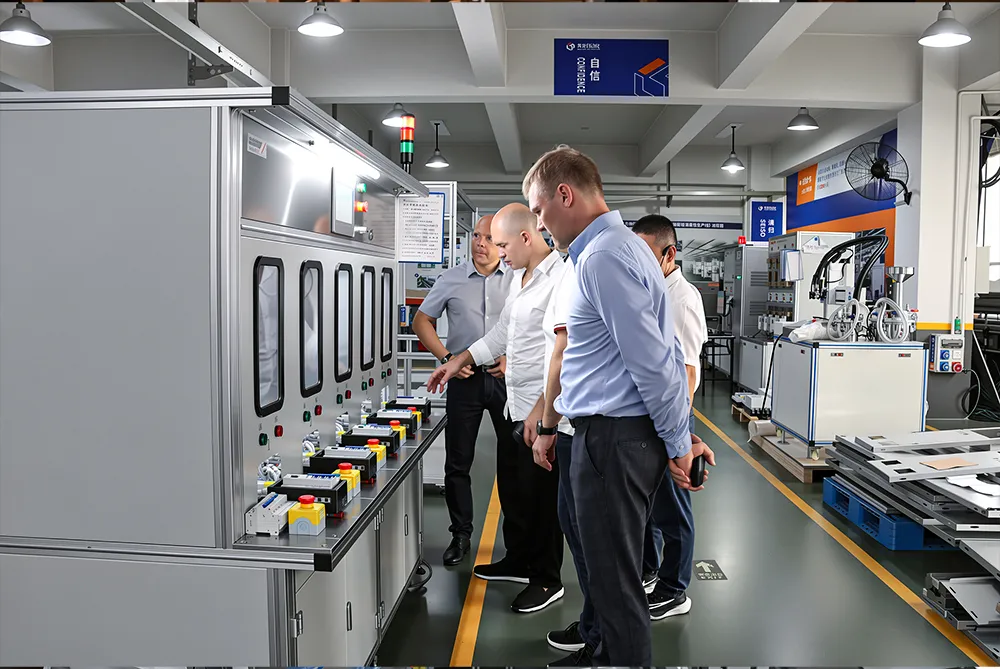

Otomotiv Şasi Parçaları için Otomatik Taşıma Sistemi
Endüstriyel robot entegrasyonlu, otomotiv şasi parçaları için özel otomatik taşıma sistemi. Modüler metal bantlı konveyör, kapalı güvenlik panelleri, PLC kontrolü. Elle taşıma kaynaklı yaralanmaları ortadan kaldırır, döngü süresi değişkenliğini azaltır. 200 kg'a kadar parça taşıma kapasitesi. Anahtar teslimi özel tasarım.
Otomotiv Şasi Parçaları için Robotik Otomatik Taşıma Sistemi
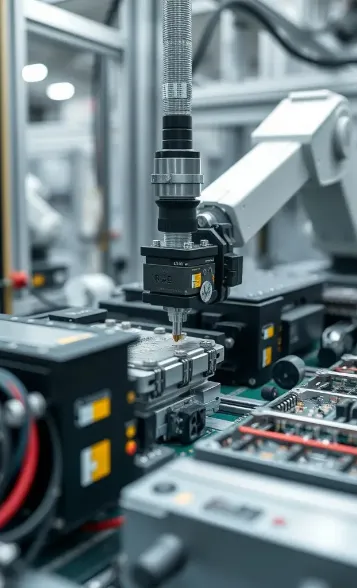
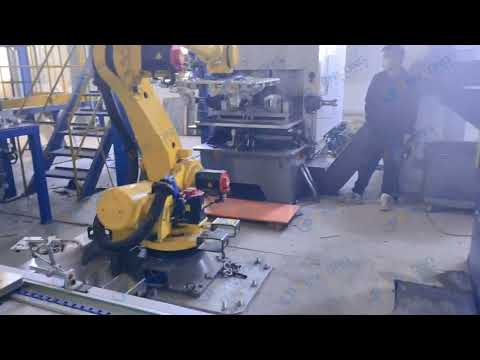
Otomobil şasi parçalarının dağıtımında otomasyon kullanan bu konveyör sistemi, büyük veya ağır malzemelerin verimli ve hassas bir şekilde taşınması için tamamen entegre modüler bir çözümdür. Her iki tarafında da işaretler bulunan alüminyum veya paslanmaz çelikten yapılmış bir konveyör bandı içerir; bu özellikler korozyona karşı koruma sağlar, temizliği korur ve malzemelerin ürünler arasında güvenli bir şekilde taşınmasına olanak tanır. Her bir ana çalışma istasyonunda, otomatik yükleme/boşaltma/sıralama/yerleştirme işlemleri için bir robotik kol (Kawasaki robotik kolu veya benzer bir model) kullanılacaktır; böylece ürünlerin manuel malzeme akışından otomatik bir üretim hücresine taşınması otomatikleştirilecektir.
Hangi sorunları çözüyor? Şasi parçalarının geleneksel manuel olarak taşınması emek yoğun, tutarsızdır ve güvenlik riskleri taşır. Bu sistem, tekrarlayan kaldırma işlemlerini ortadan kaldırır, çevrim süresi değişkenliğini azaltır ve parça hasarını önler. Ne gibi bir değer katıyor? Daha yüksek verimlilik, azaltılmış işçilik maliyetleri (tipik olarak -701 tasarruf), iyileştirilmiş iş yeri güvenliği ve yukarı/aşağı yönlü süreçlerle (örneğin, kaynak, boyama, montaj) sorunsuz entegrasyon. Modüler tasarım, üretim hacimleri arttıkça gelecekteki genişlemeye olanak tanır.
Özel mühendislik: 60-90 gün | Modüler genişleme | Kawasaki robot entegrasyonu mevcuttur

Otomotiv Şasi Parçaları için Otomatik Taşıma Sistemi Nedir?
Otomotiv sektöründe kullanılan otomatik konveyör sistemi, şasi çerçeveleri, süspansiyon kolları, alt şasiler ve braketler gibi büyük veya ağır parçaların taşınmasında kullanılır. Parçaları forklift veya elektrikli araba kullanarak manuel olarak taşımak yerine, bu sistem sürekli, kontrollü ve izlenebilir bir hareket sağlar. Otomotiv üretim ortamında otomatik malzeme taşıma sisteminin tipik işlevleri arasında pres makinesinden boşaltma, kaynak robotlarına besleme, boya hatları arasında monte edilmiş parçaların taşınması ve paketlenmeden önce bitmiş parçaların sıralanması yer alır. Otomotiv Tier 1 veya OEM üretim tesislerinde günde 24 saat, haftada 7 gün çalışacak şekilde tasarlanan otomatik malzeme taşıma sistemi, yüksek güvenlik önlemleriyle son derece güvenilir olacak şekilde ve gerçek zamanlı üretim takibi için MES'e kolay entegrasyon sağlayacak şekilde tasarlanmıştır. Geleneksel otomatik malzeme taşıma sistemlerinin aksine, bu sistemler özelleştirilmiş veya standart dışı sistemlerdir ve müşterinin istediği parça boyutlarına ve ağırlığına, ayrıca verimlilik gereksinimlerine uygun olarak konveyörün uzunluğunu, robotun erişim mesafesini, kullanılan bant tipini ve konveyörü ve/veya robotu çalıştıran kontrol mantığını özelleştireceğiz.
Paslanmaz çelik veya alüminyum yapı, güvenlik ve temizlik için kapalı yan paneller.
Otomatik yükleme, boşaltma, sıralama veya parça konumlandırma (Kawasaki, Fanuc, ABB ile uyumlu).
50 kg'dan ağır şasi parçaları için uygundur, ısıya ve aşınmaya dayanıklıdır.
Parça geometrisine, konveyör yoluna ve tesis düzeninize göre uyarlanmıştır.
Sistem Özellikleri ve İş Akışı Entegrasyonu
Teknik Özellikler

| Konveyör tipi | Kapalı yan panellere sahip, metal (paslanmaz çelik veya karbon çelik) modüler bantlı konveyör. |
|---|---|
| Robot uyumluluğu | Kawasaki, Fanuc, ABB, Yaskawa (özel arayüz mevcuttur) |
| Tipik parça ağırlık kapasitesi | 200 kg'a kadar (daha ağır parçalar için özelleştirilebilir) |
| Konveyör hızı | VFD aracılığıyla programlanabilir, tipik hız aralığı 1-15 m/dak. |
| Malzeme taşıma görevleri | Yükleme, boşaltma, ayırma, parça çevirme, kaynak/boyama istasyonlarına besleme |
| Güvenlik özellikleri | Kapalı yan paneller, acil durdurma düğmeleri, ışık perdeleri, güvenlik PLC'si (isteğe bağlı) |

| Kontrol sistemi | PLC (Siemens/Mitsubishi) HMI ile, konveyör-robot kilitleme sistemi, reçete tabanlı hız/konum kontrolü |
| Entegrasyon seçenekleri | OPC UA üzerinden MES bağlantısı, barkod/RFID takibi, parça yönlendirmesi için görsel inceleme. |
| Güç kaynağı | 380V ±10% 50Hz | Robot tutucu için basınçlı hava (0,6 MPa) |
Temel Teknik Avantajlar – Hangi Sorunları Çözüyor ve Sağladığı Değer
Sorun: Elle malzeme taşıma sırasında meydana gelen yaralanmalar ve yorgunluk
Çözüm: Robot, ağır şasi parçalarının (örneğin, alt şasiler, kontrol kolları) kaldırılması, taşınması ve konumlandırılması işlemlerinin tamamını üstlenir. Operatörler, tekrarlayan ve yaralanma riski yüksek işlerden kurtulur. Değer: İş kazalarında azalma, işçi tazminat maliyetlerinde düşüş ve çalışanların şirkette kalma oranında iyileşme.
Sorun: Tutarsız döngü süreleri ve üretim darboğazları
Çözüm: Konveyör + robot sistemi, programlanabilir bir hızda öngörülebilir ve tekrarlanabilir parça akışı sağlar. Sensörler parça gelişini algılar ve robot hareketlerini tetikler. Değer: Daha düzenli üretim ritmi, daha yüksek genel ekipman verimliliği (OEE) ve zamanında teslimat.
Sorun: Manuel taşıma sırasında parçada hasar meydana gelmesi
Çözüm: Özel parça sabitleme aparatlarına sahip kapalı metal bantlı konveyör, çizilmeleri, ezilmeleri veya hizalama sorunlarını önler. Robot tutucular, iz bırakmamak için kuvvet sınırlamasına sahiptir. Değer: Daha düşük hurda oranı, azaltılmış yeniden işleme maliyetleri ve sonraki kaynak veya boyama işlemlerinde tutarlı kalite.
Sorun: Diğer otomasyon sistemleriyle entegrasyon zorluğu
Çözüm: Sistem standart arayüzlerle (Ethernet/IP, Profinet) tasarlanmıştır. Konveyör-robot kilitleme mantığı ve MES veri el sıkışması sağlıyoruz. Değer: Hızlı devreye alma, entegrasyon sırasında minimum kesinti süresi ve tam üretim izlenebilirliği.
















Müşteri Başarı Öyküsü – Gerçek Dünya Değeri
Birinci kademe otomotiv tedarikçisi, 65 kg ağırlığındaki alt şaseleri kaynak robotu ile boyama hattı arasında manuel olarak taşıyordu. Bu durum operatörlerin sırt sakatlıklarına yol açıyor ve üretimi saatte 15 üniteyle sınırlıyordu. Benlong, Kawasaki robotu ve 20 metrelik metal bantlı konveyör kullanarak özel bir otomatik taşıma sistemi geliştirdi.
Bu sistem, sadece 11 ay içinde işçilik maliyetlerindeki azalma, hurda parça sayısındaki düşüş ve yaralanma tazminat taleplerindeki azalma sayesinde kendini amorti etmeyi başardı. Ayrıca, müşteri o zamandan beri farklı şasi bileşenleri için iki hat daha sipariş etti.
Uygulamalar ve Endüstriyel Kullanım Örnekleri
Özel Mühendislik ve Teslimat
Özel Otomatik Taşıma Sistemi Teklifi İsteyin
Üretim hattınız için modüler konveyör + robot çözümü tasarlamamıza yardımcı olmak amacıyla tesisinizin boyutlarını, ağırlığını, gerekli üretim kapasitesini ve yerleşimini bize bildirin. Verdiğiniz bilgilere dayanarak yatırım getirisi (ROI) analizi yapacağız.
WhatsApp: +86 150 5837 0007 | E-posta: xsb@benlongkj.cn | İngilizce ve Çince destek
Malzeme Taşıma Otomasyonu İçin Neden Benlong'u Seçmelisiniz?
- 15 yılı aşkın tasarım deneyimi özel otomatik malzeme taşıma sistemleri otomotiv ve ağır sanayi için
- Kawasaki, Fanuc, ABB ve Yaskawa robotlarıyla kanıtlanmış entegrasyon.
- Şirket içi konveyör imalatı (metal bantlar, kapalı paneller, VFD kontrol sistemleri)
- ISO 13849 standardına uygun güvenlik PLC'si ve kilitleme sistemi tasarımı.
- Küresel servis ve yedek parça desteği
Tipik bir özel sistem şunları içerir:
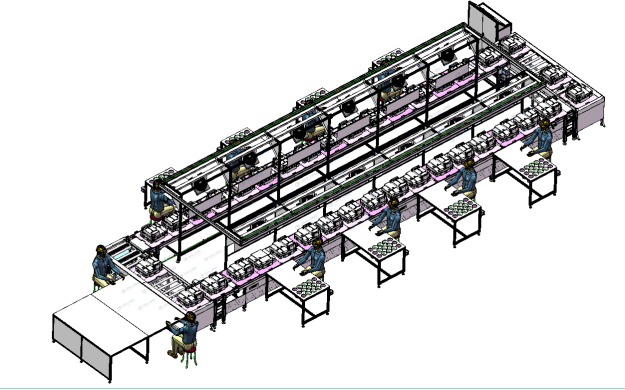
Modüler uzun konveyör (paslanmaz çelik bant), kapalı yan panellere sahiptir. Özel bir tutucu kullanan endüstriyel bir robot (Kawasaki veya eşdeğeri) tarafından çalıştırılır. Bu ekipman, Siemens PLC kontrol kabini tarafından kontrol edilecektir; insan makine arayüzü (HMI) dokunmatik ekran olacaktır; acil durdurma düğmeleriyle birlikte güvenlik koruması bulunacaktır; konveyör ve robot birbirine kilitlenecektir; OPC UA ile arayüz oluşturan bir üretim yürütme sistemi (MES) olacaktır; sistemin kurulumu ve devreye alınması bir yıl garantilidir.
Sıkça Sorulan Sorular
Şasi sistemlerinde kontrol kolları, alt şasiler, akslar ve süspansiyon bağlantıları (ve diğerleri) gibi çeşitli bileşenler bulunur. 200 kg'ın altındaki herhangi bir parça, tüm şasi sistemine uyacak şekilde tasarlanabilir. Herhangi bir özel parça, taşıma sırasında olası hasarlardan korunmak için o parçaya mükemmel şekilde uyan özel bir tutucuya veya özel bir fikstüre sahip olacaktır.
Evet. Robot kontrol ünitesi, farklı parça geometrileri için tarifleri saklar. Tutucular, birden fazla parça ailesini işlemek için hızlı değiştirilebilir veya çift çeneli olarak tasarlanabilir. Değişim süresi genellikle 15 dakikanın altındadır.
Konveyör/robotun yukarı veya aşağı yöndeki ekipmanlarla senkronize edilmesi için dijital giriş/çıkış veya Ethernet iletişimi (Profinet, Ethernet/IP) sağlıyoruz. Konveyör, makineler arasında tampon görevi görebilir.
Sistem, ISO 13849 (makine güvenliği) ve CE işaretleme standartlarına uygun olarak tasarlanmıştır. Güvenlik özellikleri arasında acil durdurma düğmeleri, ışık perdeleri (isteğe bağlı), güvenlik PLC'si ve kapalı koruma sistemi bulunmaktadır.
Evet. Modüler tasarım, ilave konveyör bölümlerinin eklenmesine olanak tanır. Kontrol sistemi, daha fazla bölgeyi yönetecek şekilde genişletilebilir. Gelecekteki genişleme için dokümantasyon ve yedek parçalar sağlıyoruz.
İlgili Ürünler
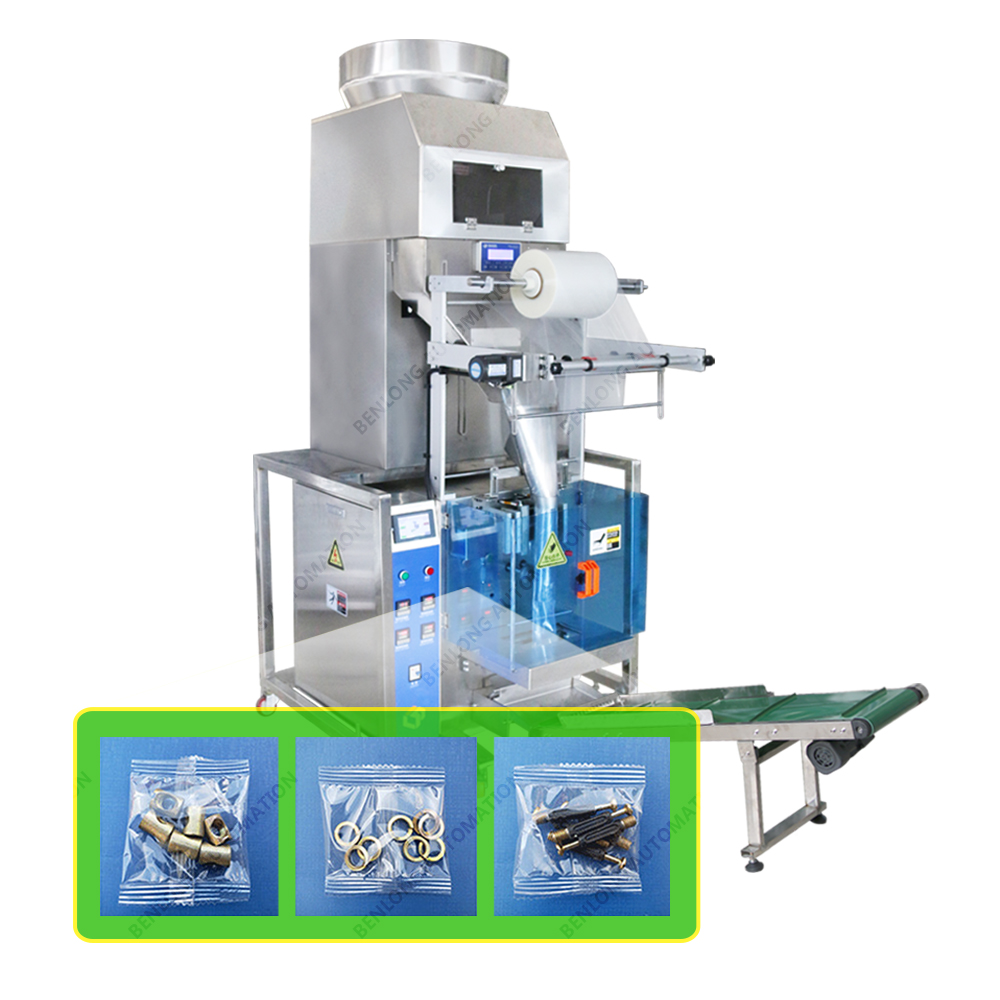
Donanım ürünleri otomatik paketleme makinesi
Ayrıntıları Görüntüle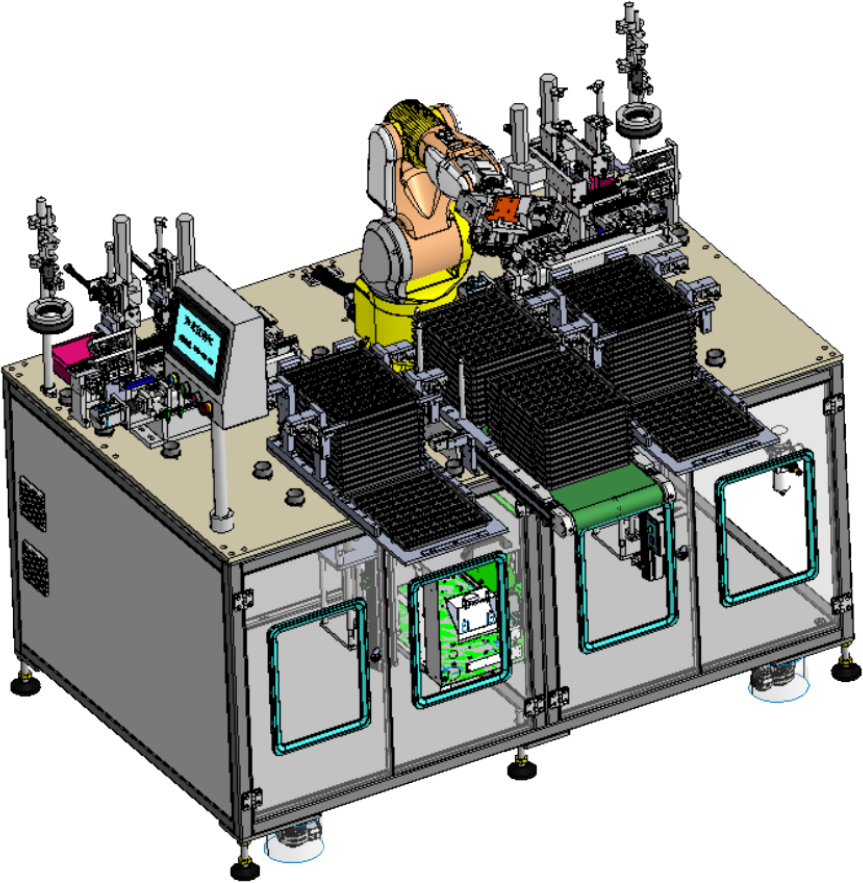
Robotik Tepsi Yükleme
Ayrıntıları Görüntüle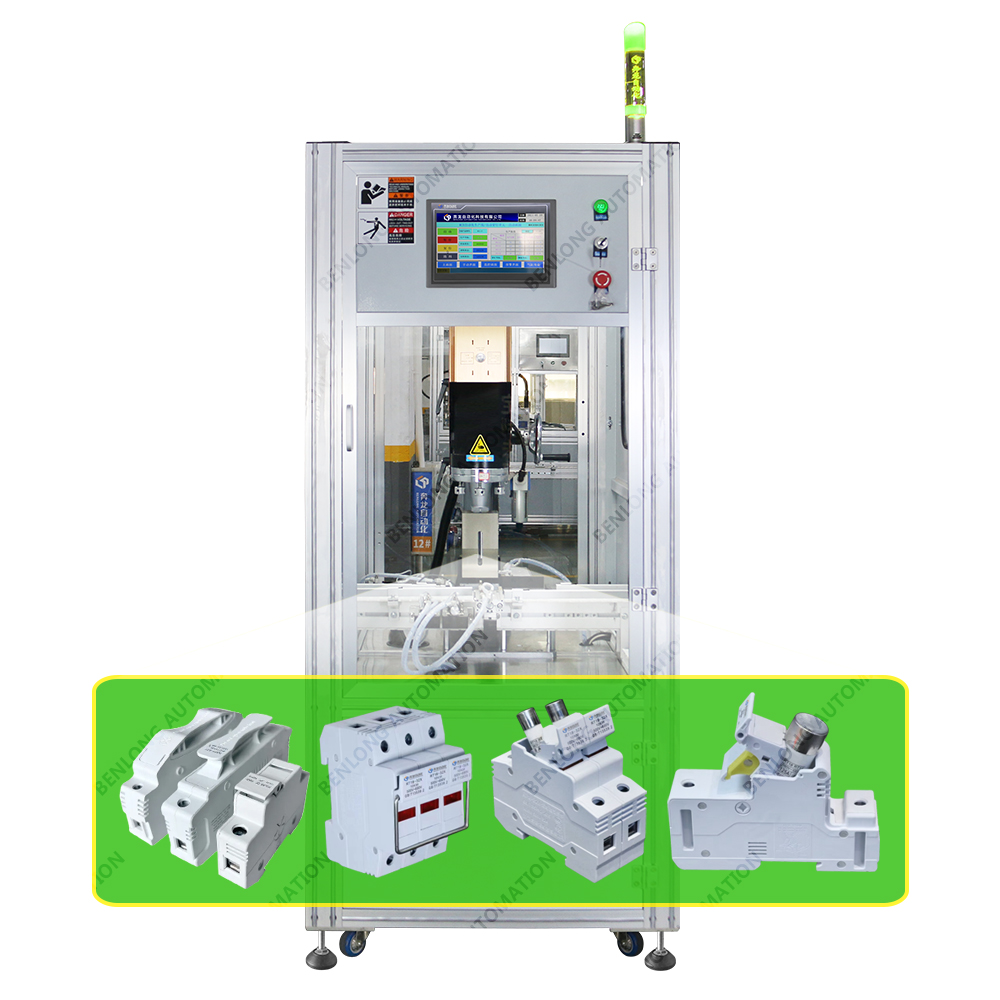
Ultrasonik Kaynak Makinesi
Ayrıntıları Görüntüle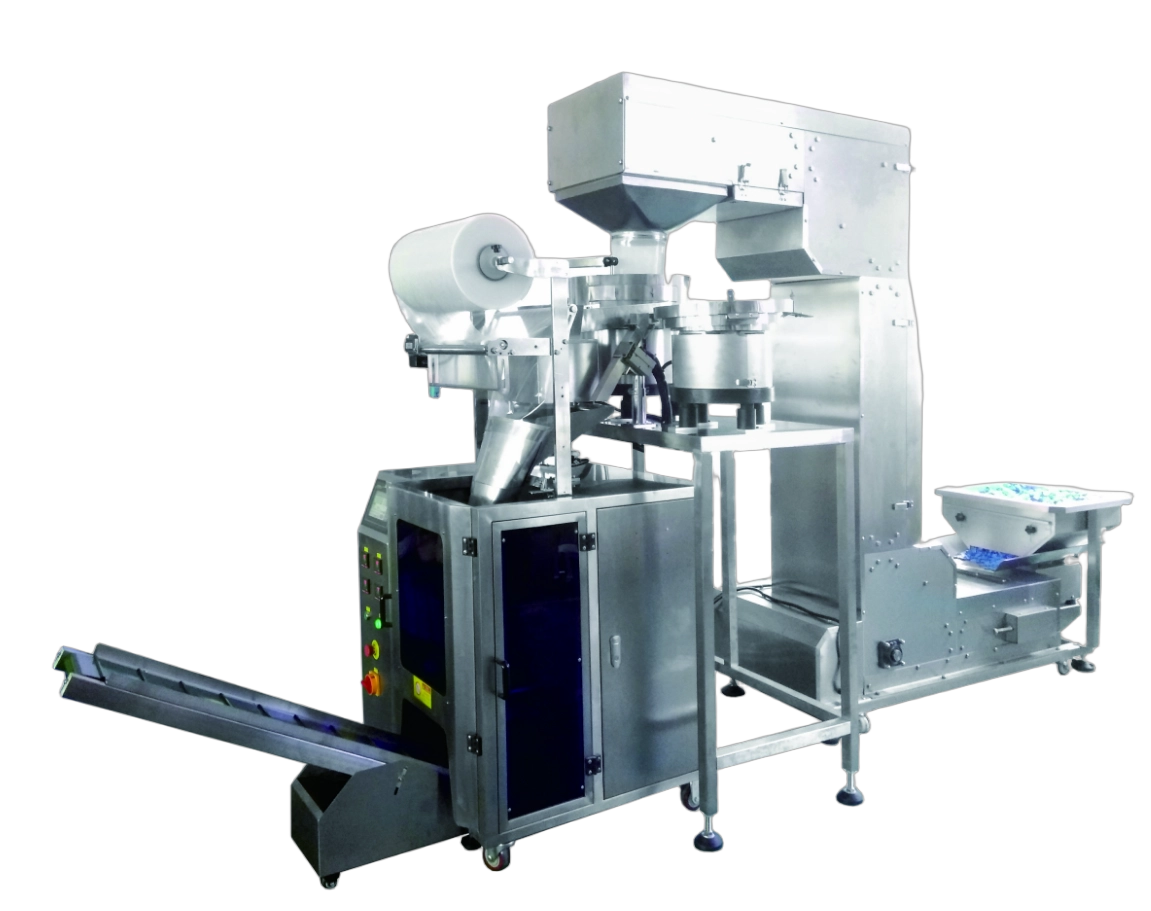
Yüksek Hassasiyetli Otomatik Tartım ve Paketleme Makinesi
Ayrıntıları Görüntüle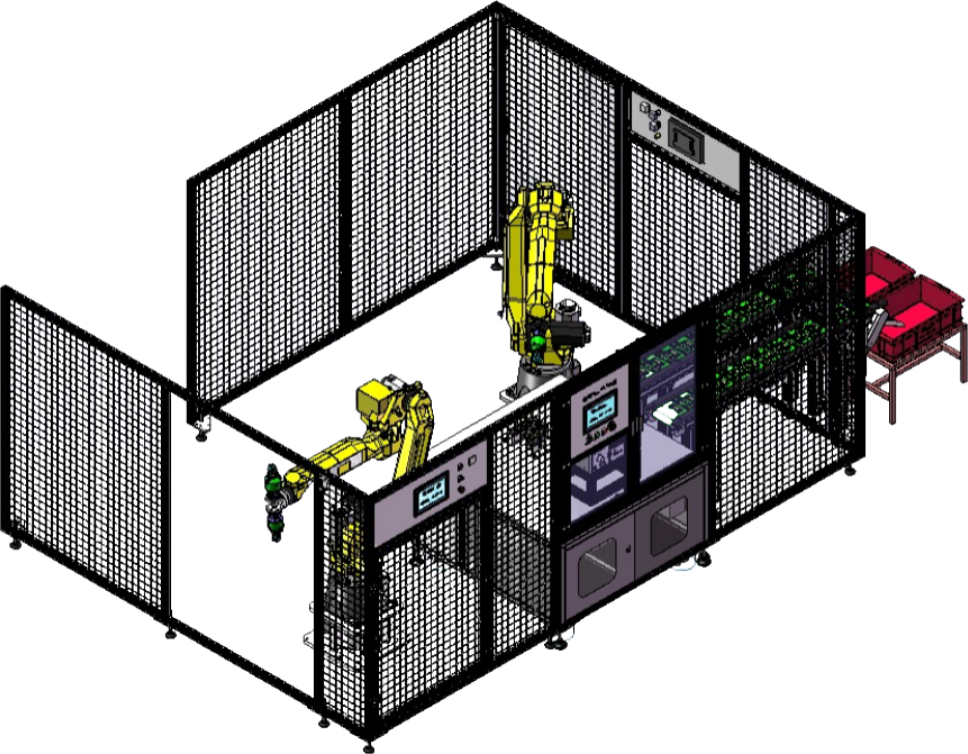
Enjeksiyon makinesi için robotik otomatik besleme sistemi
Ayrıntıları Görüntüle