benlong
Enjeksiyon makinesi için robotik otomatik besleme sistemi
Enjeksiyon kalıplama makineleri için özel Fanuc robotlu otomatik besleme sistemi. Manuel yüklemeyi ortadan kaldırır, döngü süresi dalgalanmasını -50 oranında azaltır, 7/24 çalışır, özel uç efektörler. OEE’yi artırır, hurdayı ’e kadar azaltır. 6-12 ayda kendini amorti eder. Her türlü enjeksiyon kalıplama makinesiyle entegre edilebilir.
Enjeksiyon Kalıplama Makineleri için Fanuc Robot Otomatik Besleme Sistemi
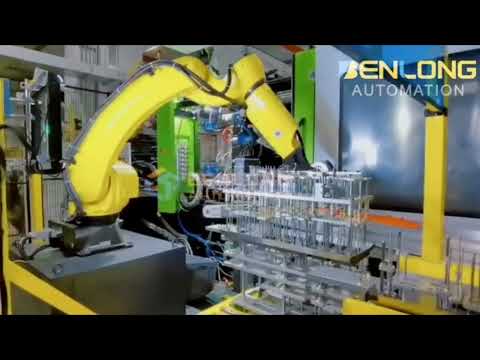
Fanuc endüstriyel robotu ile enjeksiyon kalıplama makinesi için sunulan otomatik besleme çözümü, mekanize besleme konusunda en üst düzeyde performans sağlayan bir otomatik çözümdür; bu sayede, plastik enjeksiyon makinesinde malzeme akışının manuel olarak yönetilmesi gerekliliği tamamen ortadan kaldırılır. Otomatik çözüm, enjeksiyon kalıplama makinesine ek parçaları, ön kalıpları veya hammaddeyi yüklemek için mümkün olan en hızlı yöntemi sunarken, hız veya döngü sürelerinde minimum sapma sağlar ve işçilik maliyetlerinde anında tasarruf sağlayarak genel ekipman verimliliğinde (OEE) önemli bir iyileşme sağlar.
Bu cihaz, her türlü enjeksiyon kalıplama makinesiyle (dikey veya yatay) uyumludur ve çeşitli geometri türlerini işleme yeteneği sunar. Otomatik kol, her seferinde tam olarak aynı parça yönelimini ve zamanlamasını sağlar, böylece insan hataları veya diğer türdeki kusurlar nedeniyle makinenin boşta kalma süresi azalır. Robot, 7 gün 24 saat gözetimsiz çalışabilme özelliği sayesinde tutarlı döngü süreleri sağlar ve vasıflı işçilerin çabalarını kalite kontrolüne ve kalıplama sürecini iyileştirmeye yöneltmelerine olanak tanır. Robot, diğer şeylerin yanı sıra, döngü süresi değişkenliğinde yüzde 30 ila yüzde 50 oranında bir azalma ve parçaların makineden çıktığı andan teslimat konteynerine girene kadar geçen sürede işgücü maliyetinde yüzde 80 oranında bir azalma sağlayacaktır.
Standart teslimat: 60-90 gün | Fanuc robot entegre | Özel uç efektörler
Enjeksiyon Makinesi için Otomatik Besleme Sistemi Nedir?
Endüstriyel robotlar kullanılarak bir enjeksiyon kalıplama makinesine malzeme beslemeye yarayan otomatik bir sisteme “Otomatik Malzeme Taşıma Hücresi” denir. Bu tür sistemler, endüstriyel bir robot (örn. Fanuc, KUKA veya ABB) kullanarak ek parçaları, ön kalıpları veya hammaddeleri enjeksiyon kalıplama makinesine otomatik olarak yükler; buna karşılık, yükleme işlemi manuel olarak yapıldığında operatörün yorgunluğuna, ek parçaların tutarsız yerleştirilmesine ve döngü süresindeki değişkenliğe maruz kalınabilir.
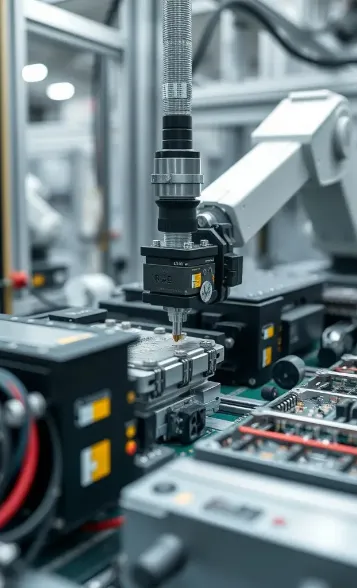
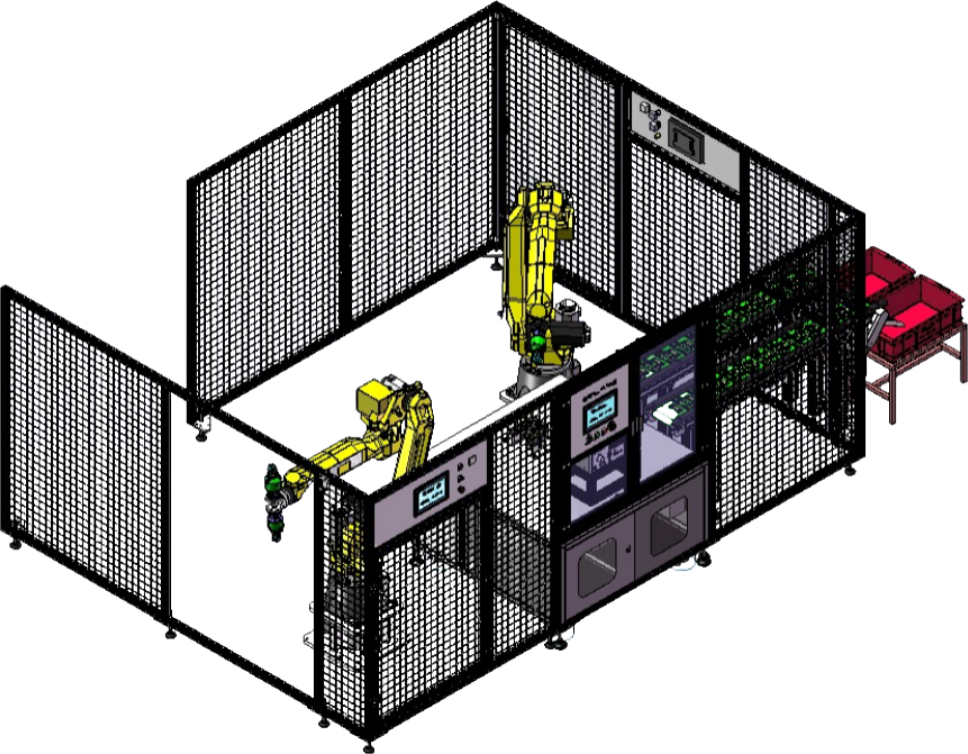
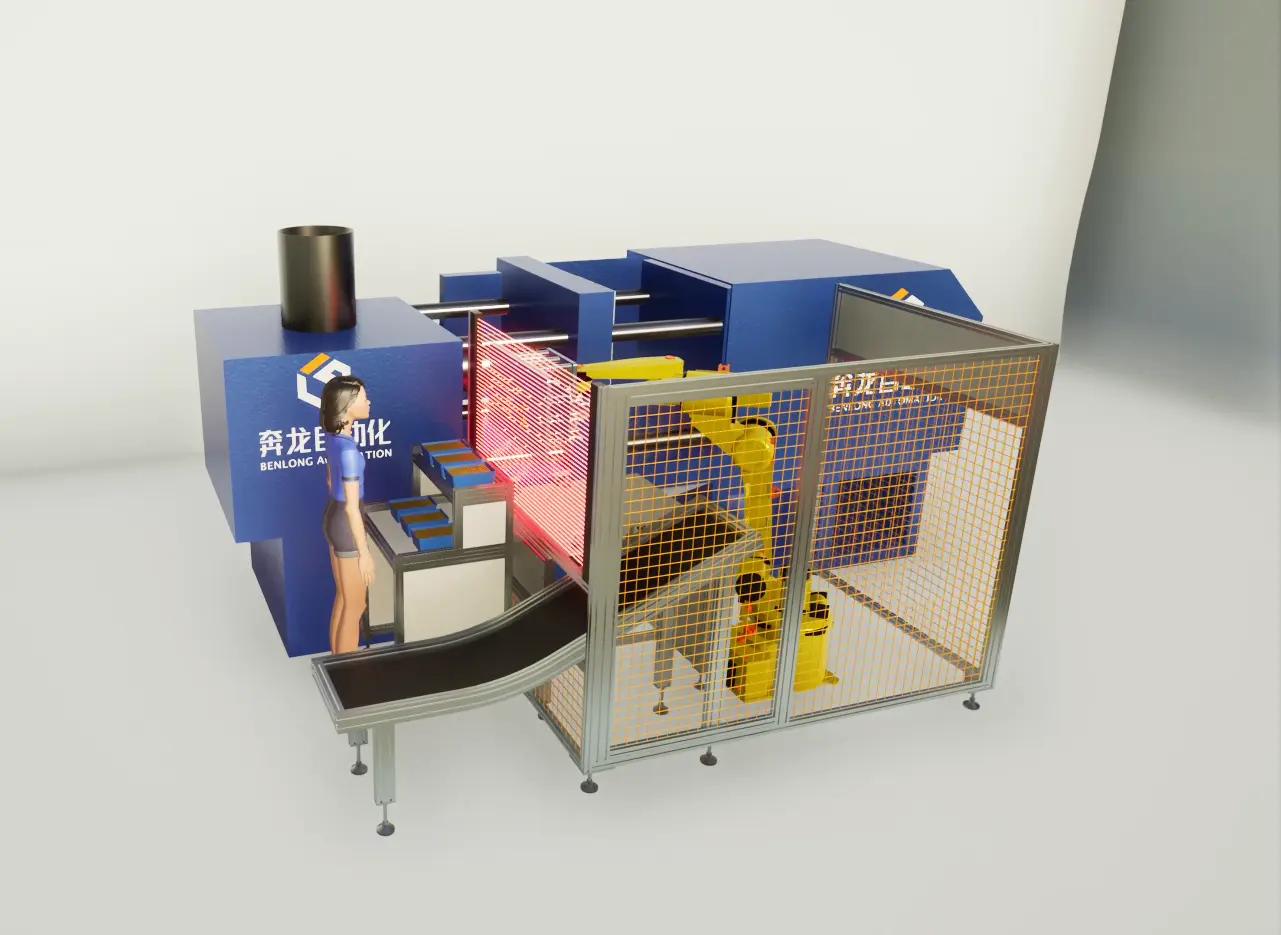
Robotik sistem, ek parçaların her seferinde hassas bir şekilde yerleştirilmesini, robotun her döngüsünde tutarlı bir zamanlamaya sahip olmasını ve kesintisiz çalışabilmesini sağlar. Robotik sistem aşağıdakilerden oluşacaktır: (1) özel uç efektörlü (kıskaçlı) robot kolu, (2) parça besleyici (titreşimli hazne veya tepsi), (3) güvenlik koruması, (4) enjeksiyon kalıplama makinesiyle PLC entegrasyonu.
Robotik sistemin uygulama örnekleri arasında parça yerleştirme kalıplama (metal parçalar, mıknatıslar veya dişli burçların kullanıldığı), üstten kalıplama veya hammaddelerin otomatik beslenmesi sayılabilir. Robotik sistem ayrıca bitmiş ürünleri de sistemden çıkarabilir; böylece enjeksiyon kalıplama süreci için tam otomatik bir hücre oluşturulur.
Bu tür sistemler genellikle hazır standart çözümler olmadığından, uç efektörü, parça besleyicisini ve robot programlamasını, parçanızın özel geometrisine, kalıp düzenine ve çevrim süresine göre özelleştiriyoruz.
Yüksek hız, hassasiyet ve güvenilirlik – zorlu endüstriyel ortamlarda kendini kanıtlamıştır.
Döngü süresi dalgalanmalarını ortadan kaldırır, makinenin boşta kalma süresini azaltır.
Enjeksiyon makinesinin kullanım oranını en üst düzeye çıkarır, OEE'yi artırır.
Özel ek parçalarınız (metal, plastik, mıknatıs, etiket) için tasarlanmıştır.
Sistem Özellikleri ve Entegrasyon
Teknik Özellikler
| Robot modeli (standart) | Fanuc LR Mate 200iD veya R‑2000iC (diğer modeller de mevcuttur) |
|---|---|
| Yük kapasitesi | Robota bağlı olarak 7 kg'a kadar (LR Mate) / 165 kg'a kadar (R‑2000iC) |
| Ulaş | 717 mm'ye kadar (LR Mate) / 2.650 mm'ye kadar (R‑2000iC) |
| Tekrarlanabilirlik | ±0,02 mm – ±0,05 mm (robot modeline bağlı olarak) |
| Besleme sistemi | Titreşimli hazne, tepsi istifleyici veya konveyör (parçaya göre özel olarak tasarlanır) |
| Uç efektör tipi | Pnömatik veya servo tutucu, vakum ventuzi, manyetik veya özel tasarım |
| Entegrasyon sinyalleri | Enjeksiyon kalıplama makinesinin PLC'sine dijital G/Ç veya Ethernet/IP bağlantısı – |
| Güvenlik özellikleri | Kilitli güvenlik çiti, ışık perdeleri (isteğe bağlı), acil durdurma düğmesi– |
| Kontrol sistemi | Fanuc robot kontrol ünitesi + entegrasyon PLC'si (isteğe bağlı)– |
| Güç kaynağı | 380 V ±10 % | 50 Hz (robot) | Besleyici için 220 V | Basınçlı hava 0,6 MPa– |
Temel Teknik Avantajlar
Döngü süresi dalgalanmalarını ortadan kaldırır
Manuel yükleme, operatörün yorgunluğu veya düzensiz yerleştirme nedeniyle enjeksiyon kalıplama makinesinde atıl süreye neden olur. Robot her zaman aynı aralıklarla (örneğin, her 30 saniyede bir) yükleme yapar; bu da döngü süresi dalgalanmasını –50 oranında azaltır ve makinenin üretim kapasitesini artırır.
7/24 gözetimsiz üretim
Robot besleme sistemi sayesinde, enjeksiyon kalıplama makinesi molalar, vardiya değişimleri ve gece boyunca kesintisiz çalışabilir. Bu, OEE'yi genellikle -70'ten 'in üzerine çıkararak, ek makineye gerek kalmadan günlük üretimi doğrudan artırır.
Kesici uçların hassas yerleştirilmesi, kusurlu ürün sayısını azaltır
Robotun tekrarlanabilirliği (±0,05 mm), metal ek parçaların veya ön kalıpların her döngüde kalıp boşluğuna tam olarak yerleştirilmesini sağlar. Bu sayede hizalama hataları (çatlak ek parçalar, çapak veya eksik dolum) ortadan kalkar ve hurda oranı 'e kadar azalır.
Farklı parça türleri için hızlı geçiş
Uç efektör ve besleme haznesi 15 dakikadan kısa bir sürede değiştirilebilir. Tarif tabanlı robot programları (HMI aracılığıyla), yeniden programlama gerektirmeden farklı ek parça boyutları arasında geçiş yapılmasına olanak tanıyarak üretim esnekliğini artırır.
















Müşteri Başarı Hikayesi – Otomotiv Sektöründe Kalıp Dolgusu Üreticisi
Birinci kademe bir otomotiv tedarikçisi, gösterge paneli parçaları üretmek için pirinç ek parçaları enjeksiyon kalıplama makinesine elle yerleştiriyordu. Zaman zaman döngü süreleri tutarsızdı (45 ile 70 saniye arasında değişiyordu) ve bu durum, ek parçaların yanlış konumlandırılması nedeniyle şirketin 5% adet parçayı hurdaya ayırmasına neden oluyordu. Benlong, pirinç ek parçalarını makineye beslemek için bir Fanuc robotik otomatik besleme cihazı ve titreşimli hazneli özel bir tutucu kurdu. Kullanımdan sonraki 6 ay içinde, bu otomasyon kurulumu aşağıdaki sonuçları verdi:
10 ayın ardından müşteri, sistemi kullanmak için artık herhangi bir ücret ödemek zorunda kalmadı; o andan itibaren sistemi tamamen ücretsiz olarak kullanabilir ve hafta sonu üretimlerinde ışıklar kapalıyken çalışabilirdi.
Uygulamalar ve Entegrasyon
Özel Mühendislik ve Teslimat
Özel Robot Besleme Sistemi Teklifi İsteyin
Lütfen bize kalıplarınızın bir kopyasını, enjeksiyon kalıplama makinenizin modelini ve hedeflediğiniz döngü süresini iletin; ardından sizin için özel olarak tasarlanmış Fanuc robot besleme sistemi hazırlayacağız. Bu sistem, özel tasarım uç efektörler ve besleyiciler içerecek ve ayrıca kapsamlı bir yatırım getirisi (ROI) analizi de sunacaktır.
WhatsApp: +86 150 5837 0007 | E-posta: xsb@benlongkj.cn | İngilizce ve Çince destek
Robotlu Besleme Otomasyonu İçin Neden Benlong'u Seçmelisiniz?
- 15 yılı aşkın entegrasyon deneyimi robotik besleme sistemleri enjeksiyon kalıplama için
- Sertifikalı Fanuc sistem entegratörü – eksiksiz programlama ve destek
- Özel uç efektör tasarımı (kıskaçlar, vakum, manyetik)
- Her türlü enjeksiyon kalıplama makinesiyle (Arburg, Engel, Haitian vb.) sorunsuz PLC entegrasyonu
- Küresel servis ve yedek parça desteği
Tipik bir özel sistem şunları içerir:
Robot: Fanuc (Yük kapasitesi: modele göre değişir) – Uç Efektör (Pnömatik/Servo) – Parça Besleyici (Titreşimli Hazne veya Tepsi) – Güvenlik Muhafazası ve Kilit – Robot Kontrol Cihazı + HMI – Entegrasyon PLC (İsteğe Bağlı) – Enjeksiyon kalıplama makinesine I/O arayüzü – Kurulum ve Eğitim – 1 Yıl Garanti
Sıkça Sorulan Sorular
Kesinlikle. Firmamız, iki farklı boyutta dişli ek parçayı kavrayıp bunları ayrı boşluklara yerleştirebilen çoklu kavrama uç efektörü üretme kapasitesine sahiptir. Robot programı, farklı boyutlardaki dişli ek parçaların sırayla yüklenmesi için de düzenlenebilir.
Elbette. Tek bir robot, kalıplanmış parçaları alıp bir tepsiye veya konveyöre yükleyecek şekilde de programlanabilir. Ayrıca bu düzenleme, tamamen otomatik bir kalıplama hücresi (malzeme yükleme + parça boşaltma) oluşturur.
Besleme haznesi, yön sensörleri ve bir reddetme kapısına sahiptir; bu sayede ters duran veya hasarlı parçalar besleme haznesi tarafından otomatik olarak reddedilir. Ayrıca, robotun kıskaçında parça varlık sensörleri bulunmaktadır. Bu parça varlık sensörleri, robotun bu döngü sırasında herhangi bir parça algılamaması durumunda yükleme döngüsünü tamamlamasını da engeller. Robot, önceden ayarlanmış sayıda döngü sırasında sıfır parça algılarsa alarm verir.
Üç vardiya halinde çalışan tek bir enjeksiyon kalıplama makinesi, her vardiyada iki ila üç operatörün yerine geçerek işçilik maliyetlerini düşürmesi ve boşta kalma süresini azaltarak OEE’yi artırması sayesinde genellikle altı ila on iki aylık bir yatırım geri ödeme süresine ulaşır.
Kesinlikle. Makineye "hazır", "kalıp açık" veya "kalıp kapalı" gibi temel G/Ç sinyalleri aracılığıyla bağlanabilirsiniz. Ayrıca, mevcut sistemlerle entegre olan küçük bir PLC ekleyerek makineyi yükseltebilirsiniz. Makine üzerinde büyük çaplı değişiklikler yapmaya gerek yoktur.
İlgili Ürünler

Otomotiv Şasi Parçaları için Otomatik Taşıma Sistemi
Ayrıntıları Görüntüle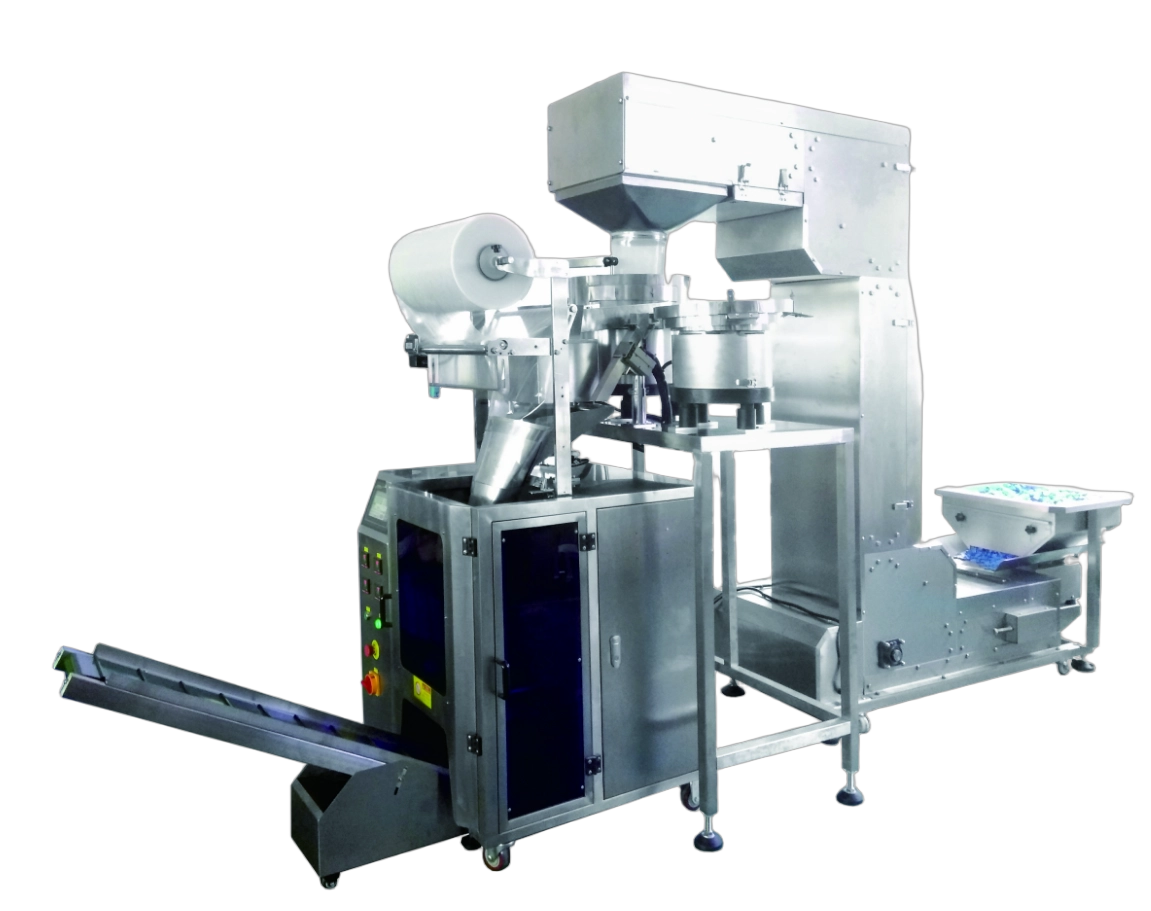
Yüksek Hassasiyetli Otomatik Tartım ve Paketleme Makinesi
Ayrıntıları Görüntüle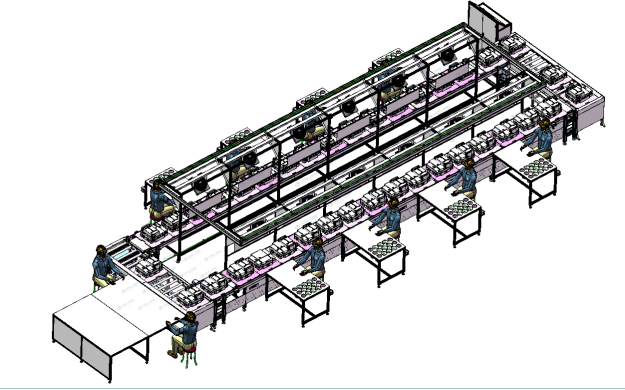
Montaj hattı
Ayrıntıları Görüntüle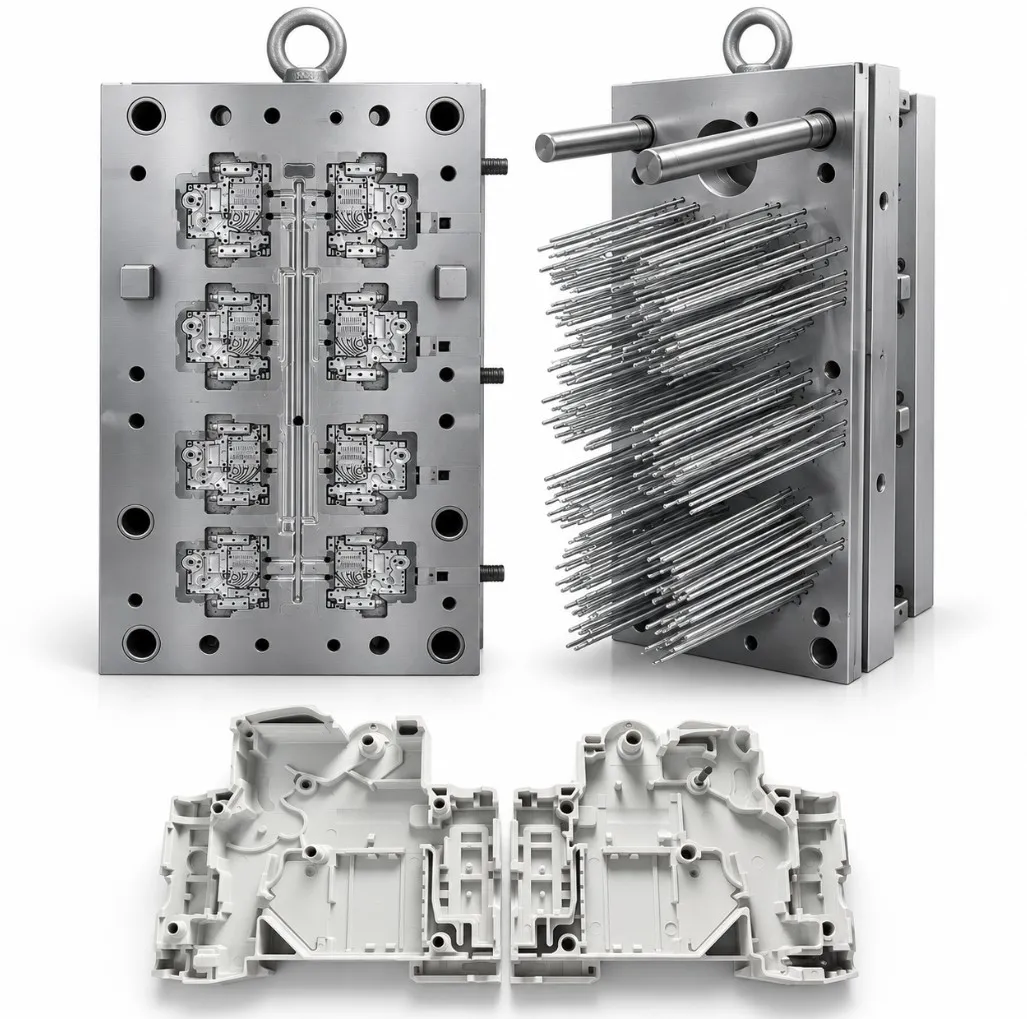
MCB Enjeksiyon Kalıbı
Ayrıntıları Görüntüle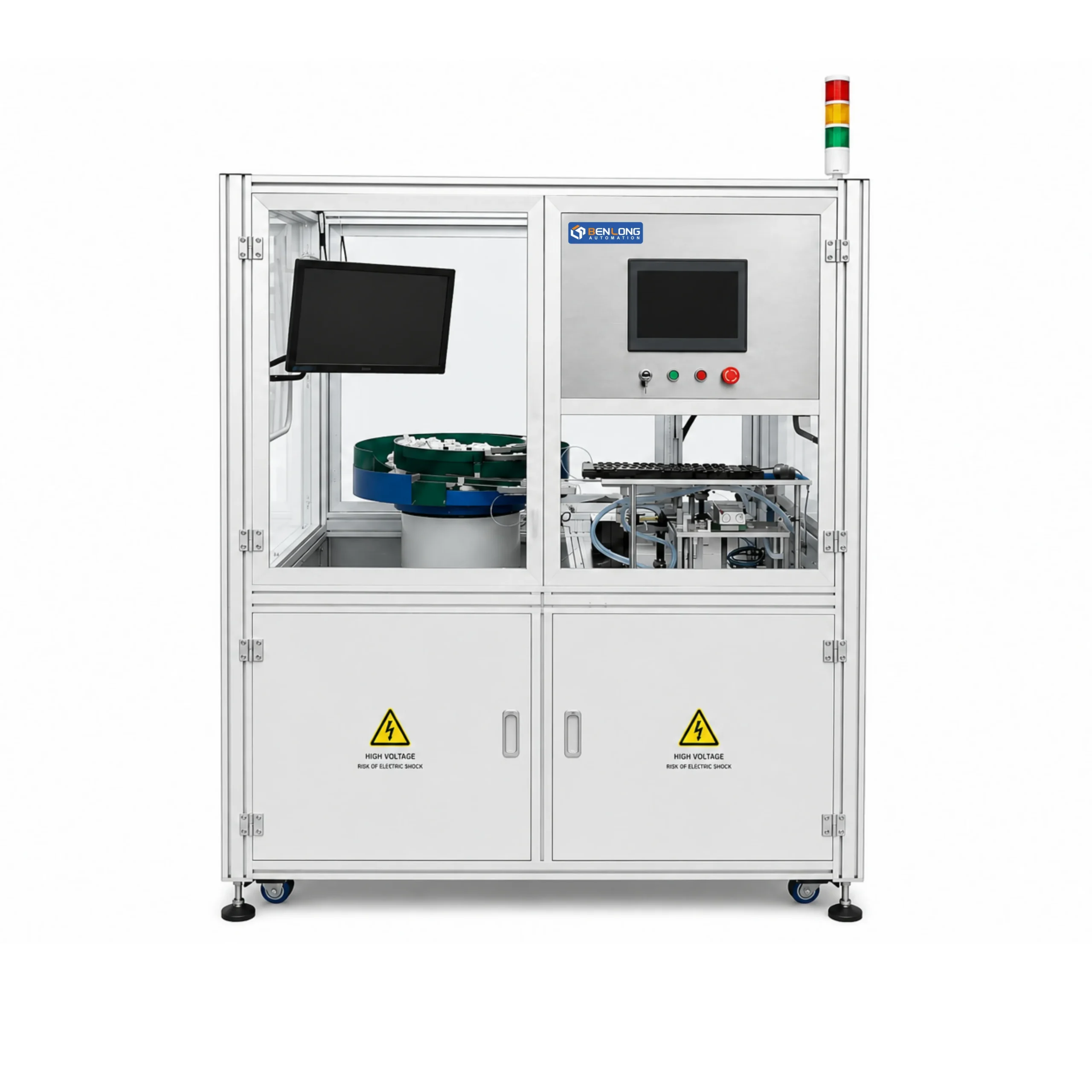
MCB düğme lazer markalama makinesi
Ayrıntıları Görüntüle