benlong


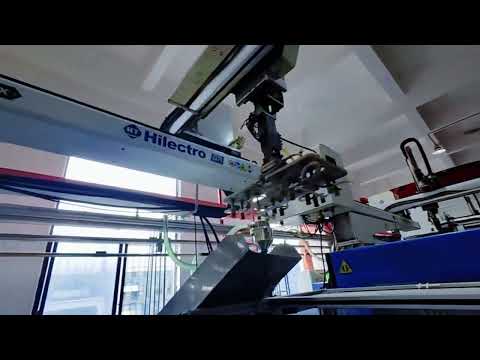
MCB Injection Mold
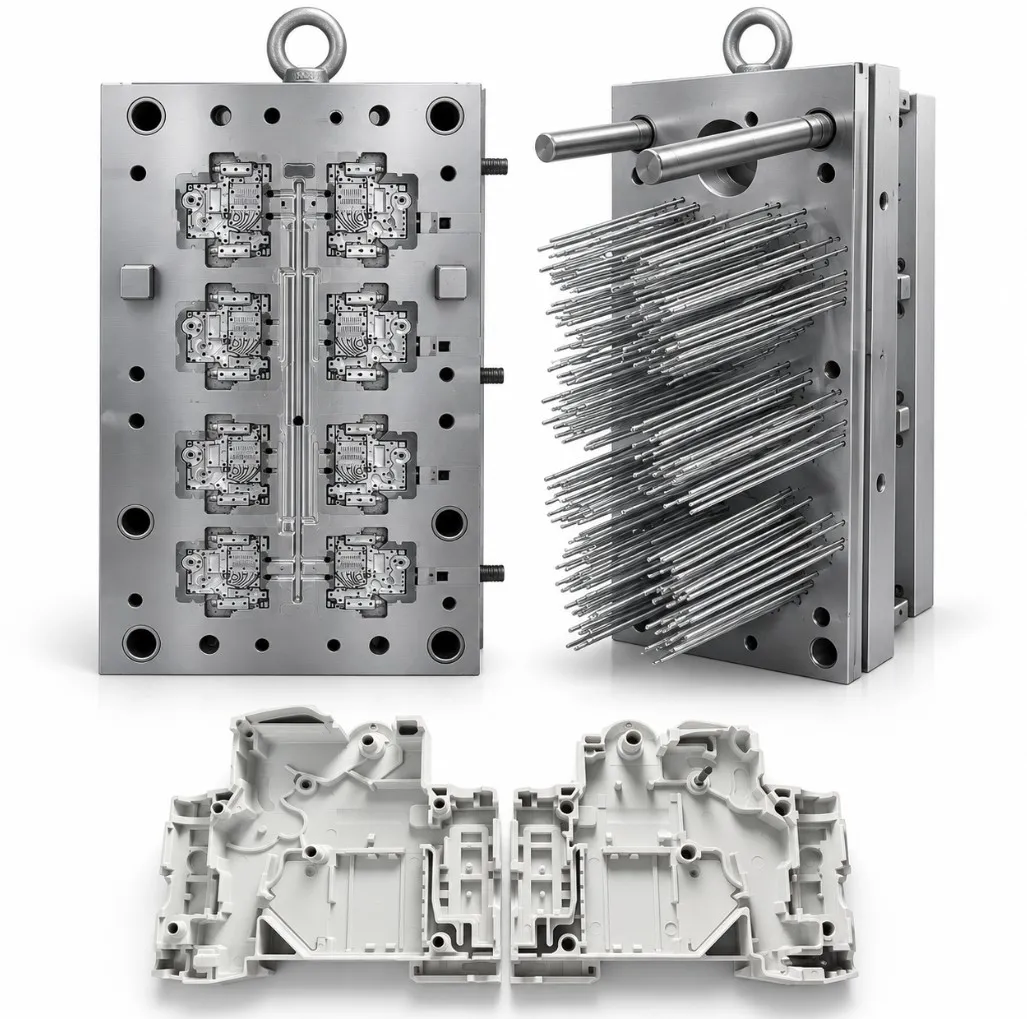
An MCB injection mold is specifically designed for producing a vast number of similar miniature circuit breaker cases with precision control of tolerances throughout the production process. The reality of this statement does not appear until one considers the underlying tool.
MCB Injection Mold — Custom Tooling for Circuit Breaker Housings
The MCB injection mold is a custom-built cold runner tool for producing miniature circuit breaker housings — case, cover and handle — in high-volume production. Engineered for a service life of no less than 1,000,000 cycles, it runs on a 160T injection molding machine at a cycle time of 30–45 seconds, and is delivered in 45–60 days from design freeze.
MCB housings are small, thin-walled parts with snap-fit features and tight assembly relationships, so the tool has to hold dimensions closely and repeat them shot after shot. Every mold is built to that standard: precision-machined core and cavity, high-gloss polish on visible surfaces, and a cooling and venting layout designed around your specific part geometry. The molds are engineered as production assets, not one-off tools — consistent housings are what keep a downstream assembly line running without jams.
1,000,000 cycle service life | 30–45s cycle time on 160T machine | Delivery: 45–60 days
What is an MCB Injection Mold?
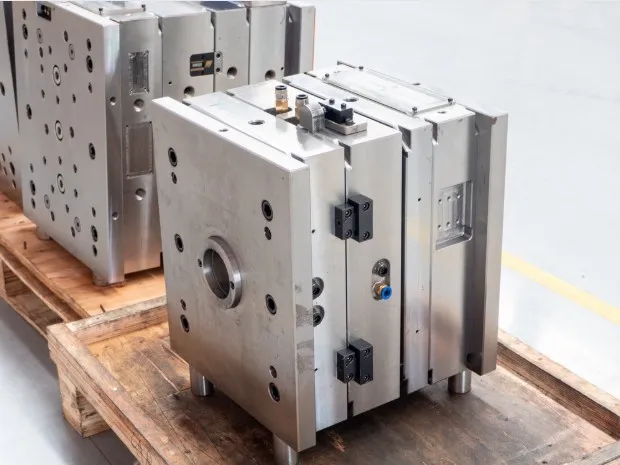
An MCB injection mold is the tool that produces the plastic housings of a miniature circuit breaker — the case, the cover and the handle — at production volume with controlled tolerances. It is a precision asset rather than a commodity purchase: the housings it produces determine whether the breaker assembles cleanly, whether the snap fits hold, and whether the downstream assembly line runs without jams. That is why the tool is built from heat-treated mold steel, machined to close tolerance on the core, cavity and critical inserts, and polished to a high-gloss finish on all visible surfaces. This mold is a cold runner design: the runner solidifies with the part on each shot and is trimmed and regranulated afterwards. For MCB housings the cold runner approach keeps tooling cost and maintenance complexity down compared with a hot runner system, while the runner material is recovered rather than lost. Every project is engineered around the customer’s own housing drawings — cavity count, gate positions, cooling layout, venting and ejection are all determined by the part geometry and the annual volume the tool has to support. The result is a tool that produces the same part on cycle one and on cycle one million.
Molding components engineered for over one million cycles under normal working conditions.
Approximately 80–120 shots per hour; total part output scales with cavity count.
Designed for a 160-tonne injection molding machine — confirm your machine before design freeze.
Lower tooling cost and simpler maintenance than hot runner; runner material is regranulated.
Tooling Capability & Key Stages



Technical Specifications
| Applicable product | MCB housings — case, cover and handle — customized to your part drawings |
|---|---|
| Mold type | Cold runner mold |
| Service life | No less than 1,000,000 cycles |
| Estimated cycle time | 30–45 seconds per shot (approx. 80–120 shots/hour) |
| Matching injection machine | 160T (160-tonne clamping force) |
| Surface finish | High-gloss polish on visible housing surfaces |
| Delivery time | 45–60 days |
Mold Development Process
Every mold follows the same disciplined sequence from part drawing to production release:
- Product definition & mold flow analysis – Your housing 3D model, resin and tolerances are reviewed; gate positions, fill balance, weld lines and warpage are simulated before any steel is cut.
- Mold structure design – Cavity count and layout, runner system, cooling channels, ejection and any sliders or inserts are defined around your production target.
- Steel selection – Mold base, plates, cavity, core and critical inserts are each specified to the grade suited to their function and required life.
- CAM programming & precision machining – CNC machining, EDM and wire-cut, followed by heat treatment and polishing of the molding faces.
- Assembly, trial & debugging – The complete tool is assembled and put through trial rounds (T0–T2) to resolve fill, dimensional, demolding and cycle issues.
- Sample validation & production release – Samples are validated for dimensions, appearance and case/cover/handle fit, then molding parameters are locked in for mass production.
For a full technical walkthrough of each stage, see our guide to the MCB injection mold development process.
Core Technical Advantages
Built as a production asset, not a one-off tool
A service life of over one million cycles changes the economics: the tool is specified, machined and heat treated for the long run, so per-part cost keeps falling across the program rather than being eaten by rebuilds and drifting tolerances.
Simulation before steel is cut
Mold flow analysis optimizes gate location, fill balance, weld lines, air traps and warpage on screen. On multi-cavity MCB tools this is the main defense against cavity-to-cavity variation — and against expensive rework after the mold is built.
Cooling and venting engineered per part
Uneven cooling causes warpage and dimensional shift in thin-walled housings, and it also sets the cycle time floor. Venting prevents short shots, burn marks and gas porosity. Both are laid out around your specific part rather than copied from a standard template.
Housings that feed a running assembly line
Consistent part dimensions are what keep a downstream MCB automatic assembly line from jamming. As an equipment manufacturer for the same industry, we build tooling with the downstream process in mind.












Applications and Integration
Tooling Project & Delivery
Request an MCB Injection Mold Quote
Send us your housing 3D model, resin specification, annual volume target and injection machine details. Our engineers will propose the cavity layout, gating and cooling design — and tell you honestly what your part geometry will and will not allow.
WhatsApp: +86 150 5837 0007 | Email: xsb@benlongkj.cn | English & Chinese support
Why Choose Benlong for MCB Tooling?
- 15+ years serving low-voltage electrical manufacturing — we know what the housings have to do downstream
- Molds engineered for a 1,000,000 cycle service life, not a single production run
- Mold flow analysis before machining on every multi-cavity tool
- Full equipment portfolio for the same industry: molding, assembly, welding and testing
- Global service and technical support in English and Chinese
Standard Scope of Supply
MCB injection mold delivery includes: · Complete cold runner mold; DFM report & mold flow analysis; Mold design drawings for approval; T0–T2 trial samples; Dimensional validation report; Recommended molding parameter sheet; Spare parts list; Packing for export; Technical support during production start-up
Frequently Asked Questions
The complete cold runner mold, plus the DFM report and mold flow analysis, mold design drawings for your approval, T0–T2 trial samples, a dimensional validation report, the recommended molding parameter sheet, and a spare parts list. Technical support during your production start-up is included.
The mold is designed for a 160T machine — 160 tonnes of clamping force. Tell us your actual machine model, tie-bar spacing and platen dimensions before design freeze, and the mold base will be dimensioned to fit it. Matching the tool to the machine you already own avoids an expensive surprise at installation.
For MCB housings the cold runner design keeps both tooling cost and maintenance complexity lower, and the runner material is trimmed and regranulated rather than lost. A hot runner system eliminates the runner entirely and can shorten cycle time, but it raises tool cost and adds temperature control hardware to maintain. If your volume justifies it, we can quote a hot runner version — tell us your annual output and we will compare the two honestly.
At a 30–45 second cycle the mold runs approximately 80–120 shots per hour. Total part output is that figure multiplied by the cavity count, so a four-cavity tool yields roughly 320–480 housings per hour. The cavity count is determined during design from your annual volume target — more cavities raise output but make fill balance harder to control, which is exactly what the mold flow analysis is for.
Delivery is 45–60 days. To begin we need your housing 3D model, the resin you intend to run, your tolerance and appearance requirements, your annual volume target, and your injection machine details. The more complete that package is at the start, the fewer surprises appear at the trial stage.
Related Products
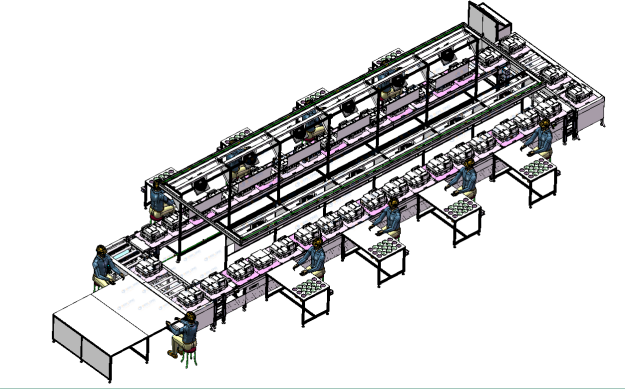
Assembly line
View Details
MCB knob laser marking machine
View Details
Automated Conveying System for Automotive Chassis Parts
View Details
Hardware products automatic packing machine
View Details
Robot automatic feeding system for injection machine
View Details