Benlong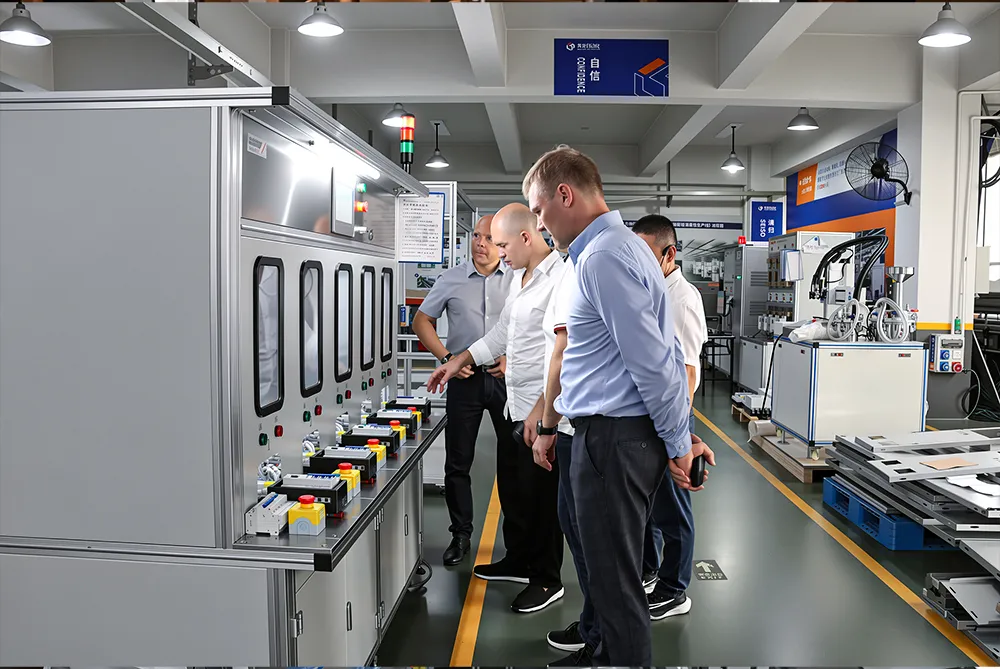
Was ist eine Kontaktor-Nietmaschine? Vorteile, technische Daten und industrielle Anwendungen
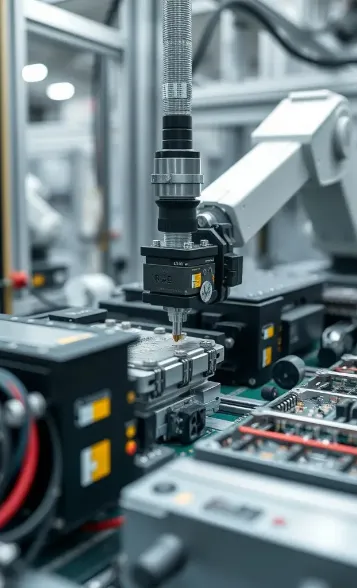
Spezialisierte Industrieausrüstung zum Nieten von Schützen – Der Schützen-Nietapparat wurde ausschließlich dafür entwickelt, dauerhafte Verbindungen zwischen Kontaktspitzen – die in der Regel aus einer Silberlegierung bestehen – und Anschlüssen, Federn oder Ankerkomponenten aus Kupfer oder Messing herzustellen (siehe Abbildung 3). Im Gegensatz zu herkömmlichen Nietmaschinen sind Kontaktor-Nietmaschinen speziell für die Montage kleiner und empfindlicher Teile ausgelegt, wobei die mechanische und elektrische Zuverlässigkeit gewährleistet bleibt.
Einfach ausgedrückt: Diese Maschine sorgt dafür, dass die Kontakte im Schütz auch nach vielen Millionen Schaltvorgängen noch fest miteinander verbunden sind. Wenn die Vernietung nicht ordnungsgemäß ausgeführt wird, können sich die Kontaktspitzen lösen, was zu einem Anstieg des Kontaktwiderstands, Lichtbogenbildung und/oder Überhitzung führt und letztendlich zu einem Ausfall im Betrieb.
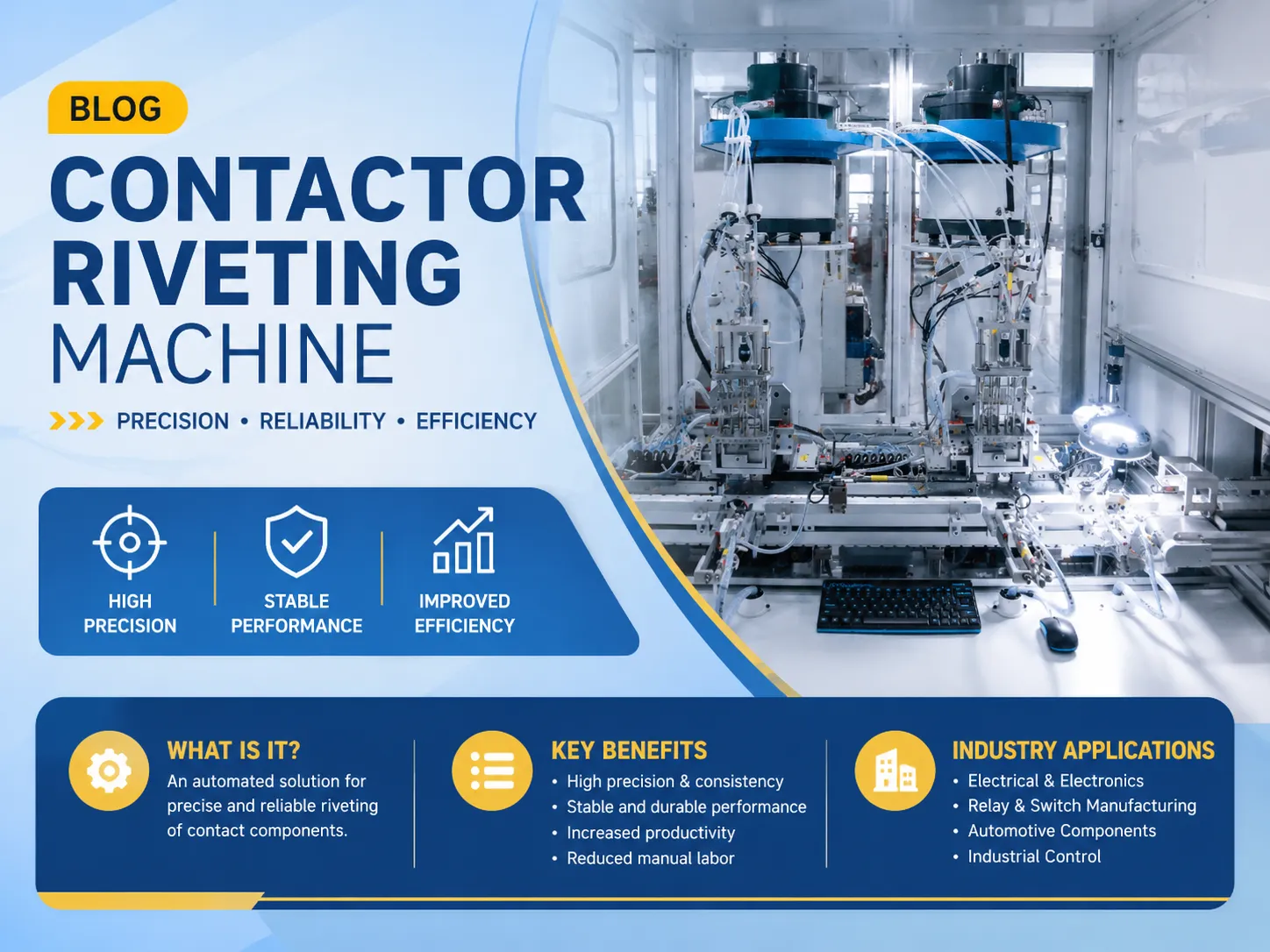
Wie funktioniert eine Kontaktor-Nietmaschine?
Das herkömmliche Verfahren besteht darin, einen Niet oder eine Kontaktspitze in ein Trägerteil (beispielsweise eine Kupferklinge) einzuführen, in das zuvor ein Loch gestanzt wurde, und anschließend den Nietfuß zu verformen, um eine dauerhafte mechanische Verbindung herzustellen. Die meisten modernen Anlagen nutzen entweder servoelektrische oder hydraulische Servotechnik zur präzisen Steuerung von Kraft, Hublänge und Bewegungsgeschwindigkeit. Wichtige Schritte:
- Stückzuführung: Kontaktstifte und Trägerteile werden über Vibrationsschalen oder -teller zugeführt.
- Positionierung: Sensoren sorgen für die korrekte Ausrichtung von Spitze und Bohrung.
- FesselndDie Presse wendet in der Regel zweistufige Profile an, wobei zunächst mit hoher Geschwindigkeit angefahren und anschließend auf das Umformen mit niedriger Geschwindigkeit umgeschaltet wird; dies ermöglicht eine bessere Kontrolle darüber, wie viel Kraft in welcher Geschwindigkeit beim Umformen des Metallteils auf der Maschine ausgeübt wird.
- Überwachung: Durch die Analyse der Inline-Kraft-Weg-Kurve werden Verbindungen, die außerhalb der Spezifikation liegen, aussortiert.
Kernkomponenten einer Kontaktor-Nietmaschine
- Servo-Presskopf: Bietet programmierbare Kraft und Hub.
- Werkzeuge (Stempel und Amboss): Speziell auf die jeweilige Form und Größe der Kontaktspitze zugeschnitten.
- Fütterungssystem: Trichterzuführung, Bandzuführung oder Bestückungsautomat.
- Kraft-Weg-Sensor: Überwacht jede Niete in Echtzeit.
- SPS + HMI: Steuert Rezepturen, die Datenerfassung und die Fehlererkennung.
- Optional: Bildverarbeitungssystem zur Prüfung nach dem Nieten.

Die wichtigsten Vorteile einer speziellen Kontaktor-Nietmaschine
- Fehlerraten unter 0,11 TP3T – im Vergleich zu 2-5% mit manuellem Nieten.
- Rückverfolgbarkeit 100% – jedes Gelenk, für das Kraft- und Wegdaten erfasst wurden.
- Gleichbleibender Kontaktwiderstand (typischerweise <0,1 mΩ) – entscheidend für Hochstromanwendungen.
- Schneller Wechsel (<10 Minuten) zwischen verschiedenen Schützmodellen.
- Geringere Ermüdung des Bedieners und geringeres Verletzungsrisiko (ergonomisch).
- Amortisationszeit in der Regel 6 bis 14 Monate für mittlere bis hohe Stückzahlen.
Technische Daten, die Sie kennen sollten
Achten Sie bei der Auswahl oder dem Vergleich von Maschinen auf folgende technische Daten:
| Technische Daten | Typische Reichweite | Warum das wichtig ist |
|---|---|---|
| Nietkraft | 500 N – 30 kN | Muss zur Größe der Kontaktspitze und zur Materialhärte passen |
| Hublänge | 50 – 200 mm | Für tiefe Bauteile ist ein längerer Hub erforderlich |
| Kraftgenauigkeit | ca. 1% Lesezeit | Gewährleistet eine gleichmäßige Verformung |
| Wiederholgenauigkeit des Hubs | ≤±0,01 mm | Verhindert Unter- bzw. Übernieten |
| Abtastrate | ≥1000 Hz | Erkennt Mikrorisse |
| Zykluszeit | 1,5 – 5 Sekunden pro Niete | Hängt vom Automatisierungsgrad ab |
Industrielle Anwendungen von Kontaktnietzugmaschinen
Diese Maschinen werden bei der Herstellung von elektromagnetischen Schützen eingesetzt. Zu den wichtigsten Branchen, in denen diese Maschinen zum Einsatz kommen, gehören unter anderem:
- Klima- und Kältetechnik – Schütze für Kompressoren (hohe Stückzahlen, kostensensitiv).
- Steuerung von Industriemotoren – Schütze für Motorstarter (erfordern eine lange mechanische Lebensdauer).
- Ladeinfrastruktur für Elektrofahrzeuge – Gleichstromschütze für Schnellladegeräte (erfordern einen geringen Kontaktwiderstand).
- Erneuerbare Energien (Solar-/Windenergie) – Netzschütze, die rauen Umgebungsbedingungen ausgesetzt sind.
- Eisenbahn und Verkehr – Hauptschütze für Züge (müssen vibrationsfest sein).
- Stromverteilung – Wechselstromschütze für Kondensatorbänke und Schaltanlagen.
Wer stellt Kontaktor-Nietmaschinen her?
Mehrere globale und regionale Unternehmen haben sich auf diese Anlagen spezialisiert. Beispiele hierfür sind:
- Benlong Automation (China) – Bekannt für servogesteuerte, in MES-Systeme integrierte Lösungen für elektrische Niederspannungskomponenten.
- BalTec (Schweiz / USA) – Radiale Niettechnik für empfindliche Teile.
- Schmidt Technology (Deutschland) – Servopressen mit hoher Kraft.
- Promess (USA) – Elektromechanische Montagepressen mit fortschrittlicher Überwachung.
- TOX PRESSOTECHNIK (Deutschland) – Pneumatische und servogesteuerte Nietanlagen.
Die Preisspanne der Maschinen hängt weitgehend davon ab, inwieweit sie individuell angepasst sind. Einige Faktoren, die die Preisgestaltung beeinflussen: 1) Einzelstation vs. Drehtisch; 2) Möglichkeit zur Integration einer Bildverarbeitungsfunktion in die Maschine; usw.
Preisspanne (Richtwerte, 2025)
Die Preise gelten für Neugeräte und variieren je nach Region und individueller Ausstattung. Ungefähre Preisspannen:
- Halbautomatisches Tischgerät: $8.000 – $18.000
- Einplatz-Automat (Servo): $25.000 – $55.000
- Doppelkopf-Drehtisch: $60.000 – $120.000
- Vollständig integrierte Anlage (einschließlich Zuführung und Bildverarbeitung): $150,000+
Die Preise für generalüberholte oder gebrauchte Geräte können um bis zu 30–50% von den Neupreisen abweichen; es ist jedoch wichtig, den Kalibrierungsstatus der Geräte und die Verfügbarkeit von Ersatzteilen zu prüfen.
Häufig gestellte Fragen (FAQ)
Was ist der Unterschied zwischen einer Kontakt-Nietmaschine und einer herkömmlichen Nietpresse?
Standardpressen erzeugen zwar Druck, bieten jedoch weder eine Messung von Kraft und Weg noch spezielle Werkzeuge für die Herstellung winziger Silberspitzen. Darüber hinaus sind die Maschinen, die auftragsbezogene Produkte herstellen, darauf ausgelegt, sehr empfindliche Kunststoffgehäuse schonend zu bearbeiten und gleichzeitig Rückverfolgbarkeitsdaten gemäß den Vorschriften der Automobilindustrie und der IEC bereitzustellen.
Kann eine Maschine mehrere Schützgrößen verarbeiten?
Auf jeden Fall, aber nur, wenn sie sowohl über einen Schnellwechselmechanismus als auch über eine Rezepturspeicherung verfügen. In der Regel dauert der Umbau etwa 5 bis 15 Minuten. Wenn Sie auf eine ganz andere Bauteilgröße umstellen (z. B. von einem 9A- auf einen 200A-Rahmen), ist es wesentlich effektiver, separate, speziell dafür vorgesehene Maschinen zu verwenden.
Wie lange hält eine typische Maschine?
Bei ordnungsgemäßer Wartung können servogesteuerte Maschinen mehr als 10 Millionen Zyklen durchlaufen. Der Stempel, der Amboss und die Führungsbuchsen sind kritische Verschleißteile, die etwa alle 500.000 bis 1 Million Zyklen ausgetauscht werden müssen.
Benötigt die Maschine Druckluft?
Beim Nieten wird manchmal Druckluft zum Vorschieben oder Festklemmen verwendet; die Nietkräfte werden jedoch durch einen Servomotor (elektrisch) erzeugt. Vollelektrische Ausführungen benötigen keinerlei Druckluft.
Wie sieht es mit der Schulung und der Installation aus?
Viele Anbieter bieten Vor-Ort-Support (2 bis 5 Tage) mit einer einjährigen Garantie an. Auch der Einsatz von Fernunterstützung über ein VPN ist gängige Praxis. Ein Ersatzteilset mit häufig verschleißenden Komponenten ist ebenfalls hilfreich.
Ein Schütz Nietmaschine ist ein wichtiger Bestandteil bei der Herstellung hochwertiger, langlebiger elektromagnetischer Schütze mit gleichbleibender, zuverlässiger Leistung und stellt eine Alternative zu manuellen (oder allgemeinen) Nietverfahren dar. Der Einsatz einer Schütz-Nietmaschine führt zu Fehlerquoten von weniger als 0,1%, vollständiger Rückverfolgbarkeit der Daten und typischen Amortisationszeiten von weniger als 14 Monaten. Bei der Bewertung von Schütz-Nietmaschinen sollten Sie den Kraftbereich, die Wiederholgenauigkeit der Verschiebung und die Abtastgeschwindigkeit berücksichtigen. Zu den wichtigsten Branchen, in denen diese Maschinen zum Einsatz kommen, gehören die Klimatechnik, das Laden von Elektrofahrzeugen, die industrielle Automatisierung und der Schienenverkehr. Die Preise für einfache Tischmodelle beginnen bei etwa $8.000 und reichen bis zu über $150.000 für vollautomatisierte Fertigungslinien. Wenn Sie Maschinen für Ihren Produktionsprozess evaluieren, sollten Sie unbedingt einen Testlauf mit Ihren Bauteilen durchführen und sicherstellen, dass der Anbieter in der Lage ist, Sie mit maßgeschneiderten Werkzeugen und jeglicher Art von Kundendienst zu unterstützen.