benlong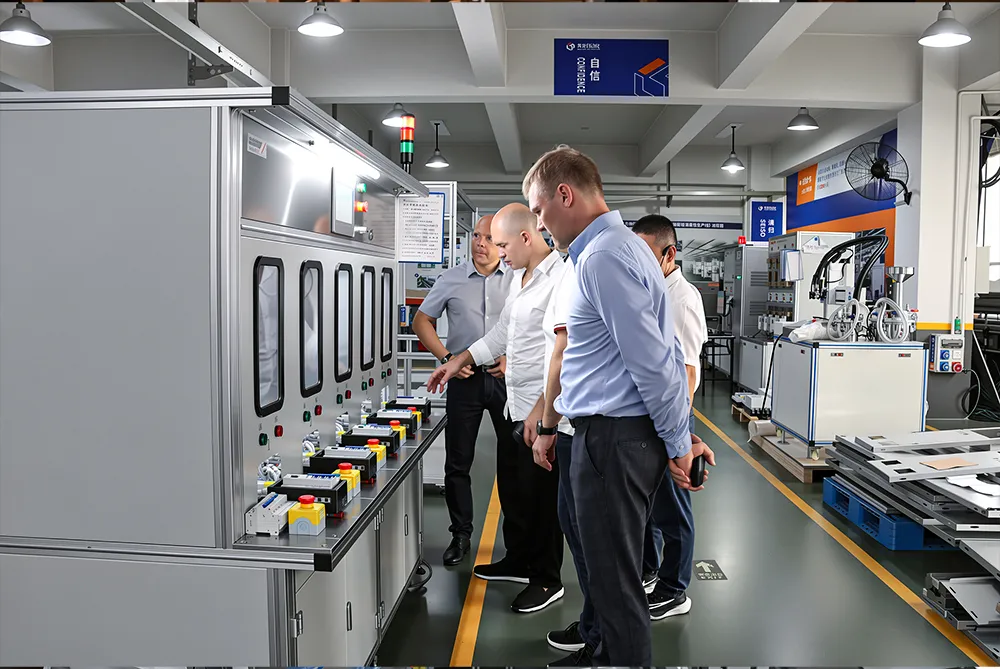


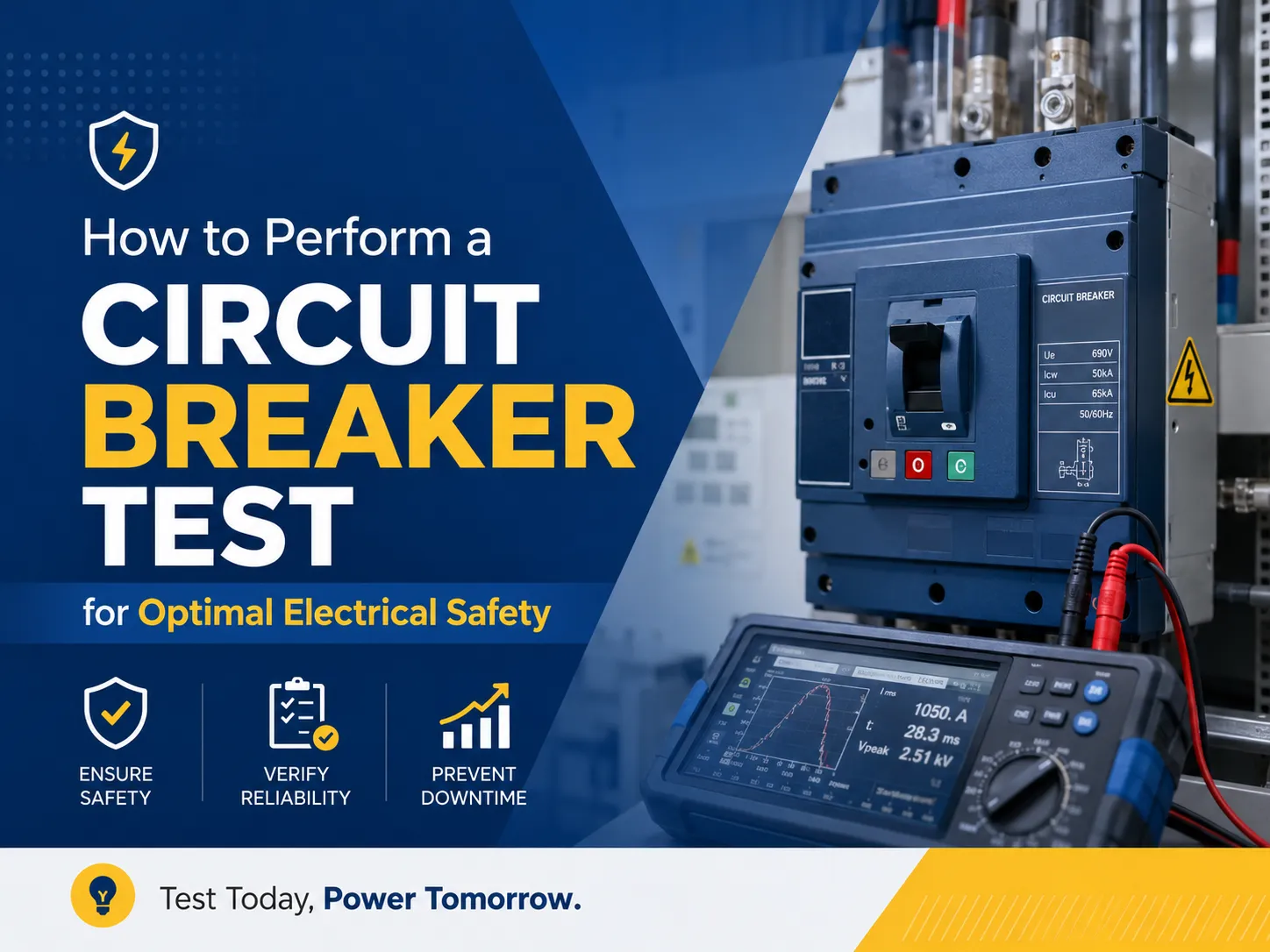
How to Perform a Circuit Breaker Test for Optimal Electrical Safety
Real safety incident: “A factory’s 100A MCCB failed to trip when a short circuit occurred. The downstream panel exploded and injured an electrician as a result of the breaker not having been tested in eight years; the thermal mechanism was stuck in place from the long term usage of it.” – Maintenance manager, industrial plant
A circuit breaker test consists of multiple individual test actions that range from a basic “click” test performed on the internal push button of the circuit breaker, to a full primary current injection verification of trip times and calibration. Circuit breaker testing ensures that your Miniature Circuit Breakers (MCBs), Molded Case Circuit Breakers (MCCBs), and Air Circuit Breakers (ACBs) will operate within their published time-current curves, thus, avoiding fire hazards (thermal), arc flash (electrical), and/or damage to surrounding equipment. There are three levels of testing within this guide: basic field tests, intermediate instrument-based tests, and advanced production-line validation tests; you will learn how to accomplish each testing method, which testing instruments are required, and the frequency for performing the tests.
This guide covers:
- Level 1: Basic field tests (manual trip, voltage presence, thermal check)
- Level 2: Intermediate tests (insulation resistance, contact resistance, magnetic trip verification)
- First-Class Production Examination (e.g.: primary current injections, time-current curves, potentiator insulation tests).
- How to choose between manual, portable, and automated test equipment
- Recommended test frequencies based on IEEE/NEMA standards
- FAQs answered by electrical engineers (including the Bryant panel question)
Level 1: Basic field tests (no special tools required)
For routine checks of installed breakers, start with these non‑invasive tests.
1.1 The push‑to‑trip (or “exercise”) test
A manual trip button labeled either “T” or “PUSH TO TRIP” can be found on every molded case breaker (MCB/MCCB). To test each breaker, set it to the ON position and press the manual trip button; the breaker should automatically switch to the OFF/TRIPPED position. This will confirm that the mechanical linkage within the breaker is free and that the bimetal/electronic trip mechanism functions correctly. Each MCB/MCCB should be tested at least annually; this will not cost anything but could help prevent future problems by pinpointing stuck mechanisms before they become an issue.
1.2 Visual and thermal inspection
Check for indicators of overheating, including damaged terminals (discoloration), melted housings, or odor by using an infrared thermometer or thermal imaging device to measure the surface temperature of a circuit breaker while it is loaded. If a circuit breaker is hotter than 60°C at greater than 80% rated load, the circuit breaker may have high resistance connections or internal failures.
1.3 Voltage presence test (safety first)
To check that both the line side has power, and the load side has no power (when the breaker is in the OFF position), use a non‑contact voltage tester. This does not verify trip performance, but verifies that basic switching occurs as expected.
Level 2: Intermediate testing (using portable instruments)
When you believe there might be an issue or carrying out preventive maintenance (every 1 to 3 years), testing should be done using a multimeter, an insulation tester, and a micro ohm meter.
2.1 Insulation resistance test
Purpose: Detect moisture, carbon tracking, or contamination inside the breaker.
Method: With the breaker in the ‘OFF’ position, measure insulation resistance from line to load using megger set at 500V for breakers of 250V & less or 1000V for those rated at greater than 250V. This measurement should yield at least 100 Megohm of insulation resistance (MΩ). While the breaker is in the ‘ON’ position, perform additional insulation resistance tests between the poles, and to ground. If your result(s) are less than 1 MΩ, this indicates a defective breaker.
2.2 Contact resistance (milliohm) test
Purpose: Verify that contacts have low, stable resistance when closed.
Method: For testing MCCB contact resistance, utilize a digital low-resistance ohmmeter (micro-ohmmeter) capable of delivering at least 10A of DC test current. Inject current from the line side to the load side and determine the voltage across the contacts. The following resistance (Ω) values are acceptable based on standard conditions; <50µΩ for new MCCB contacts, and <200µΩ for used, but still serviceable, MCCB contacts. High or fluctuating resistance readings will indicate that either the face of the contacts is pitted or that loose connections exist between conductors.
2.3 Magnetic trip verification (secondary injection)
Purpose: For electronic trip breakers, verify that the trip unit responds to simulated overcurrent.
Method: A Secondary Injection Test Set will inject low-current signals into the electronic circuit of the trip unit. It will not inject anything directly into the main power path of the trip unit. This method will test all sensors, the Microprocessor and the Trip Solenoid. Secondary Injection Test Sets are more efficient and safer than Primary Injection Test Sets but do not test the Power Contacts.
Level 3: Advanced production & field primary injection testing
For both new breakers (manufacturing) and high value existing breakers (ie. data centers, hospitals) perform complete primary injection testing as directed by either IEC 60947-2 or NEMA AB-4 standard.
3.1 Primary current injection test
Purpose: Verify the actual trip time at multiple overload and short‑circuit current levels.
Method: Connect a current injection tester (e.g., 1000A-10,000A) to both line and load terminals of the breaker. Close the breaker; inject a high level of current through it at a measured trip time. Also test the overall system for performance based on results from previous tests for that specific circuit. Examples of tests include:
- 100% of rated current – must not trip within 1 hour.
- 135% for thermal trip – must trip within 1 hour (for low‑voltage breakers).
- 3x to 10x for magnetic/instantaneous trip – trip time typically <100ms.
A pass/fail is not enough; record the actual trip time.
3.2 Dielectric withstand (hi‑pot) test
Purpose: Verify insulation strength after high‑current testing.
Method: ONE AND A HALF MULTIPLE OF VOLTAGE ON POLICE THAT REACHES ~1000 VOLTS FOR 1 MINUTE, AND NO FLASH CONTACT AND/OR LEAKAGE DETECTED WITH ≥ 10 MA – A POWER SUPPLY UNIT (AC).
3.3 Automated production line testing
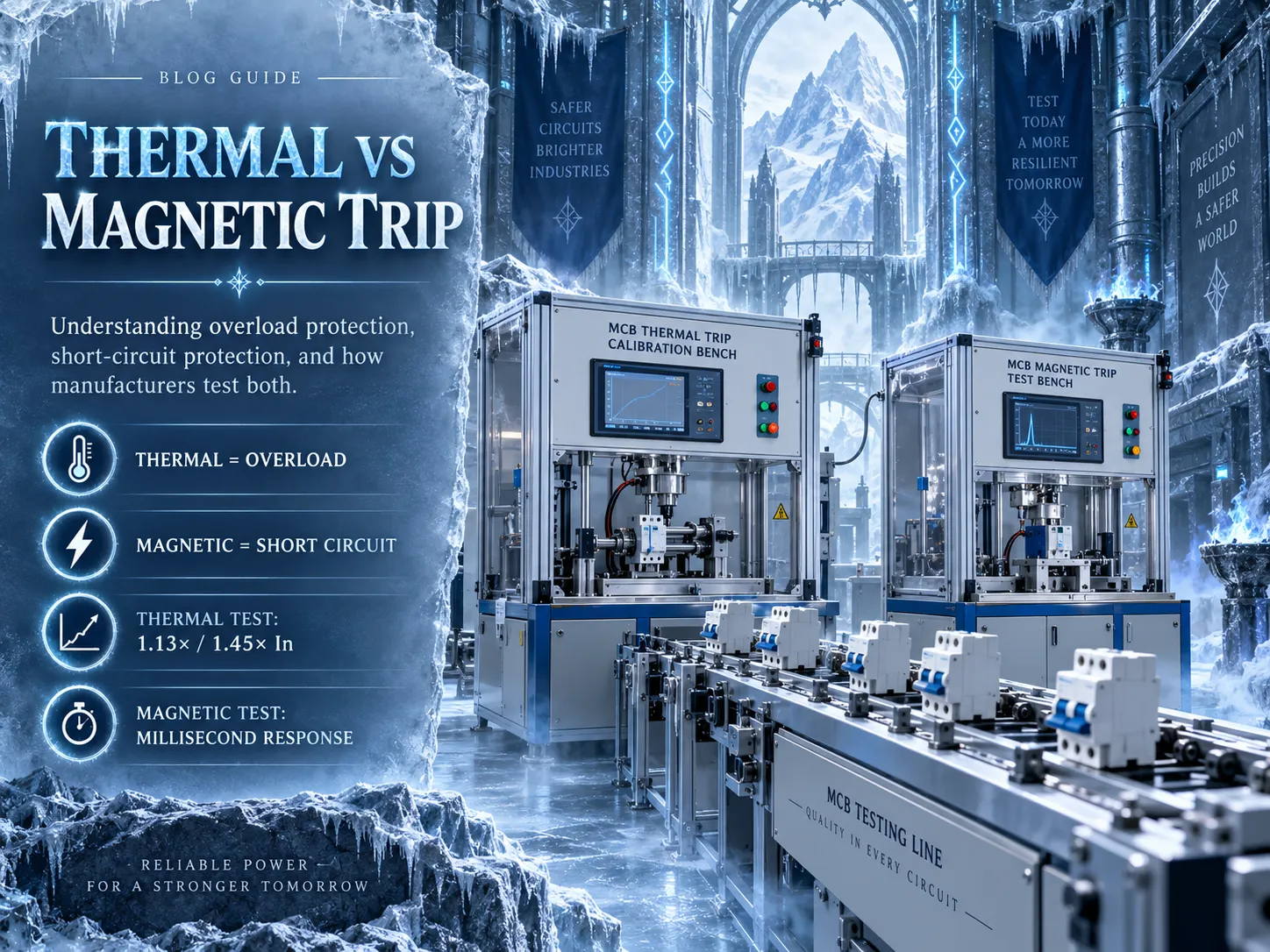
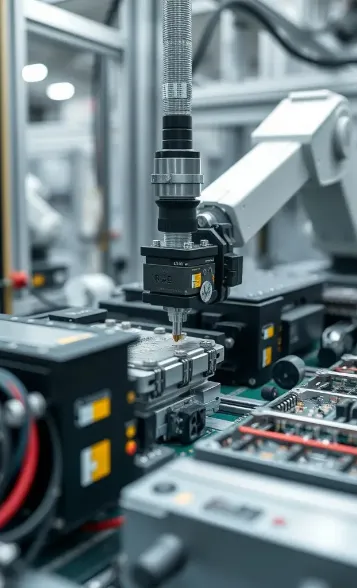
It is impractical for manufacturers who manufacture thousands of circuit breakers each day to manually test each individual circuit breaker. With the use of automated circuit breaker testing equipment, such as an automatic MCB testing line or an MCCB testing bench there will be the capability to conduct contact resistance tests, insulation tests, thermal/magnetic trip tests, hi‑pot tests, etc., on each circuit breaker in 2-5 seconds, while logging the data as it is being performed. These systems will also be capable of sorting the pass or fail of each circuit breaker and uploading these results to an MES.

How often should you test circuit breakers?
Based on IEEE Std 1458‑2017 and NEMA AB‑4 guidelines:
- Residential MCBs: No routine testing required (replace every 20‑30 years).
- Commercial / industrial MCCBs: Every 1‑3 years with portable instruments; primary injection every 3‑5 years.
- Critical facilities (hospitals, data centers): Annually for all breakers >100A.
- New breakers (manufacturer): 100% routine testing (thermal/magnetic/hi‑pot) + type testing per IEC.
Tools and equipment for breaker testing
Based on your testing level, you will need:
- Basic: Non‑contact voltage tester, infrared thermometer.
- Intermediate: Digital multimeter, megohmmeter (insulation tester), micro‑ohmmeter (DLRO).
- Advanced (field): Primary current injection test set (portable, 200‑10,000A).
- Production (factory): Automated inline test benches (e.g., MCB automatic testing line, MCCB test bench).
Cost range: $50–$500 for a multimeter; $200–$800 for a megohmmeter; $1,500–$5,000 for a micro-ohmmeter; $8,000–30,000 for a portable primary injection set; and $50,000–$200,000 for an automated test bench.
Frequently asked questions (FAQ)
How to test a circuit breaker?
Begin at the “Push to Trip” button, then conduct more extensive testing in 3 stages (testing the ability of the circuit to open − i.e. trip). Use the following stages: 1) Basic (Visual Inspection & Manual Trip), 2) Intermediate (Insulation & Contact Resistance Testing Using an Ohmmeter/Megger) and 3) Advanced (Primary Current Injection Testing). Wear PPE (safety glasses and insulated gloves) and de-energize panel before opening cover.
How do you perform a breaker test?
The testing method varies according to the equipment used. Disconnect the breaker from the load for a primary injection test and connect a primary current test set; close the circuit breaker; then increase the primary current until you are at the desired test value (for example, 135% of nameplate rating), then measure trip time and record the result, which can be compared to the circuit breaker’s rated trip time on its time-current curve. Automated circuit breaker testing equipment automates testing for production line applications without operator intervention.
How do I test if a breaker is good?
To conduct three simple tests: First, if you see a trip when pressing the test button. Second, measure voltage across both the load and line sides with the breaker on and the load side at 0 volts with the breaker off. Third, Measure the resistance of your contacts with a multimeter while removing the breaker (i.e., closed contacts should read <0.5 ohms and open contacts should read across the load side as ‘open’). The best way to determine if there’s a real problem is through performing an insulation resistance test (>100 MΩ) and a contact resistance test (<100 µΩ for MCCB’s).
What breakers work in a Bryant panel?
Eaton’s Bryant Panels (previously known as Bryant Panels) were made to be compatible with their Eaton BR series of breakers. Some older Bryant panels may be compatible with Cutler-Hammer devices (the same line will also work). Only use Siemens, Square D (QO), or GE circuit breakers if they are explicitly listed on the label of the panel – mismatched breakers may not engage properly, potentially causing arcing or causing a fire. If you have questions, contact a licensed electrician for assistance.
How to get a circuit breaker check?
You have three options:
- DIY basic check (push‑to‑trip, voltage test) – free and fast.
- Hire an electrical testing company They provide portable primary injection test sets with a report for each breaker tested. Prices range from $150 – $500 based on size and accessibility.
- Send the breaker to a NETA‑certified lab For high-voltage or critical breakers, they perform complete testing and refurbishment. Cost: $500 – $2,000 for MCCB’s.
The solution for manufacturers is to implement an automated breaker test line that is integrated within the production process to test 100 percent of all new circuit breakers produced at the lowest possible cost per unit.
Circuit breaker testing is a critical element of electrical safety, but the level and type of testing that you perform should be based on your level of risk. If you are a homeowner, a push-to-trip button and visual inspection are good enough to make sure your breaker is functioning properly. Facility managers should perform intermediate types of testing (insulation resistance & contact resistance) every 1-3 years to catch most potential problems with the breakers. Critical infrastructure & manufacturers should have primary current injection testing (in the field/or at an automated production line) to ensure true time-current performance from the breaker. Just because a breaker passes a manual trip test does not mean it will not fail under high fault current; therefore, only primary injection testing or a production quality breaker test machine can provide confidence in breaking capability. Be sure to invest in the appropriate level of testing and always follow proper safety lockout/tagout.