benlong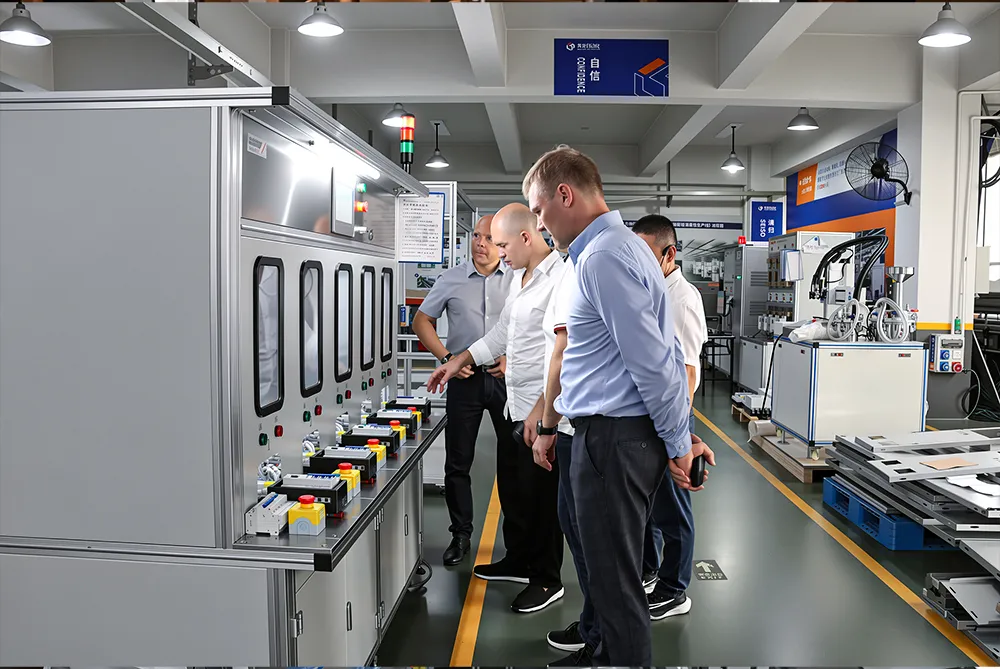


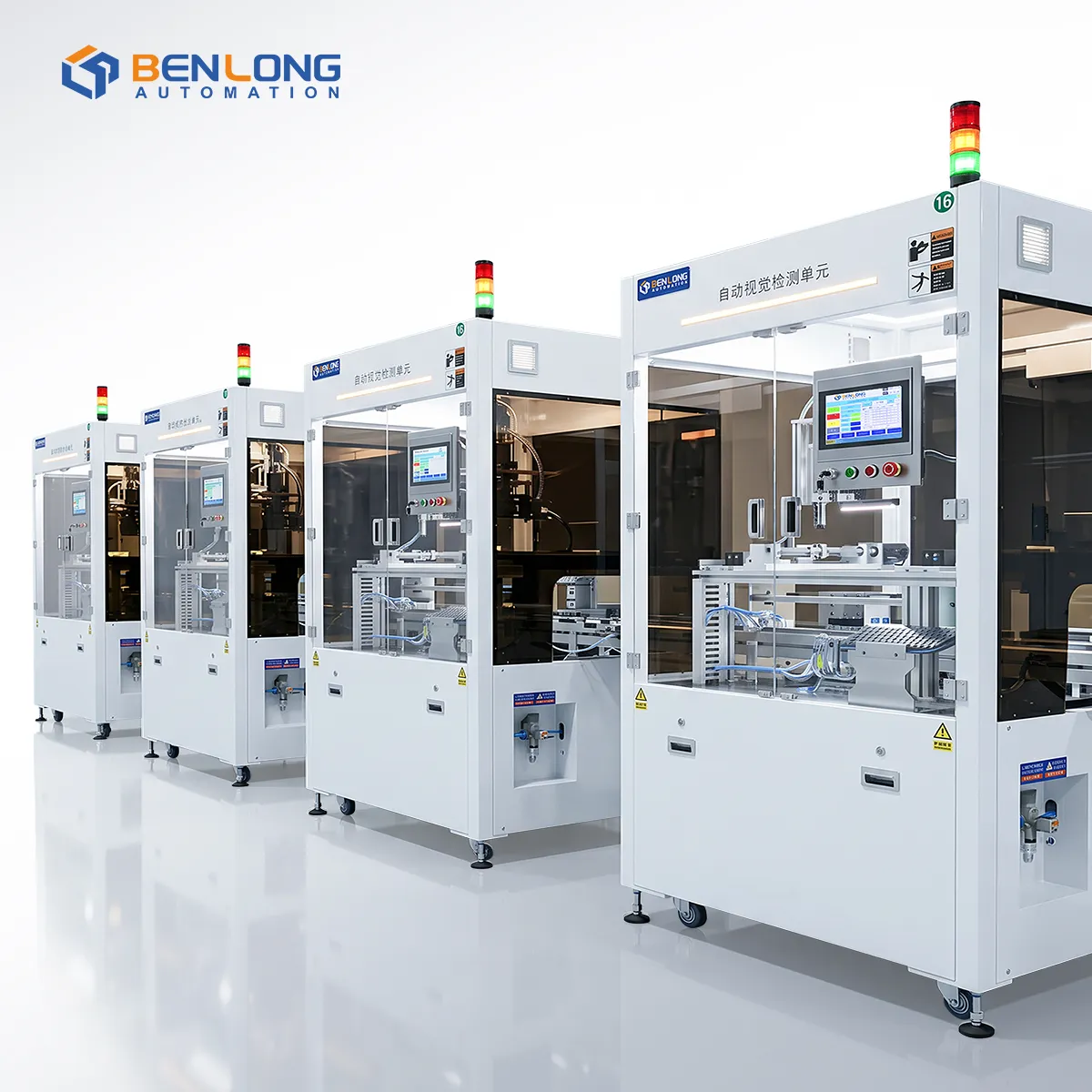
خط إنتاج آلي لأجهزة الحماية من زيادة التيار (SPD)
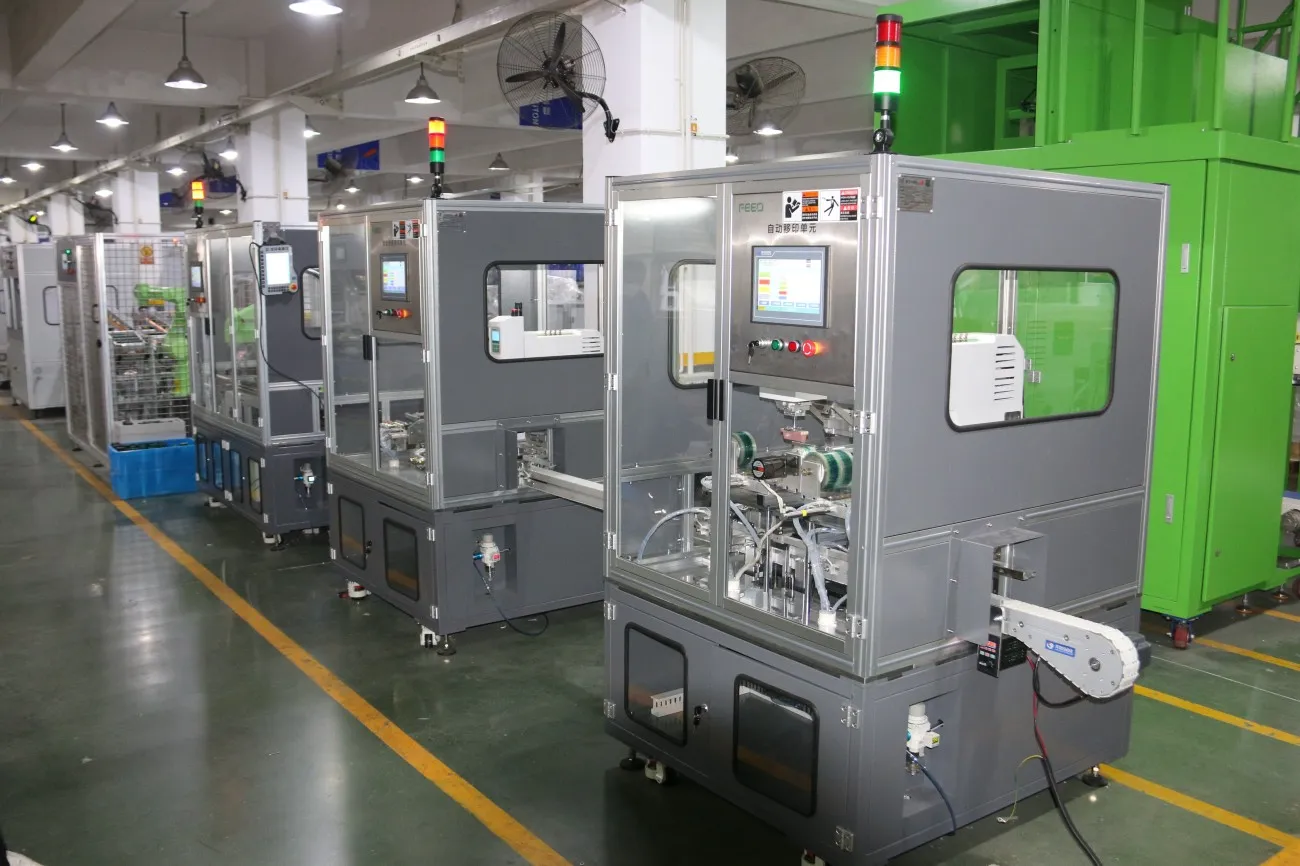
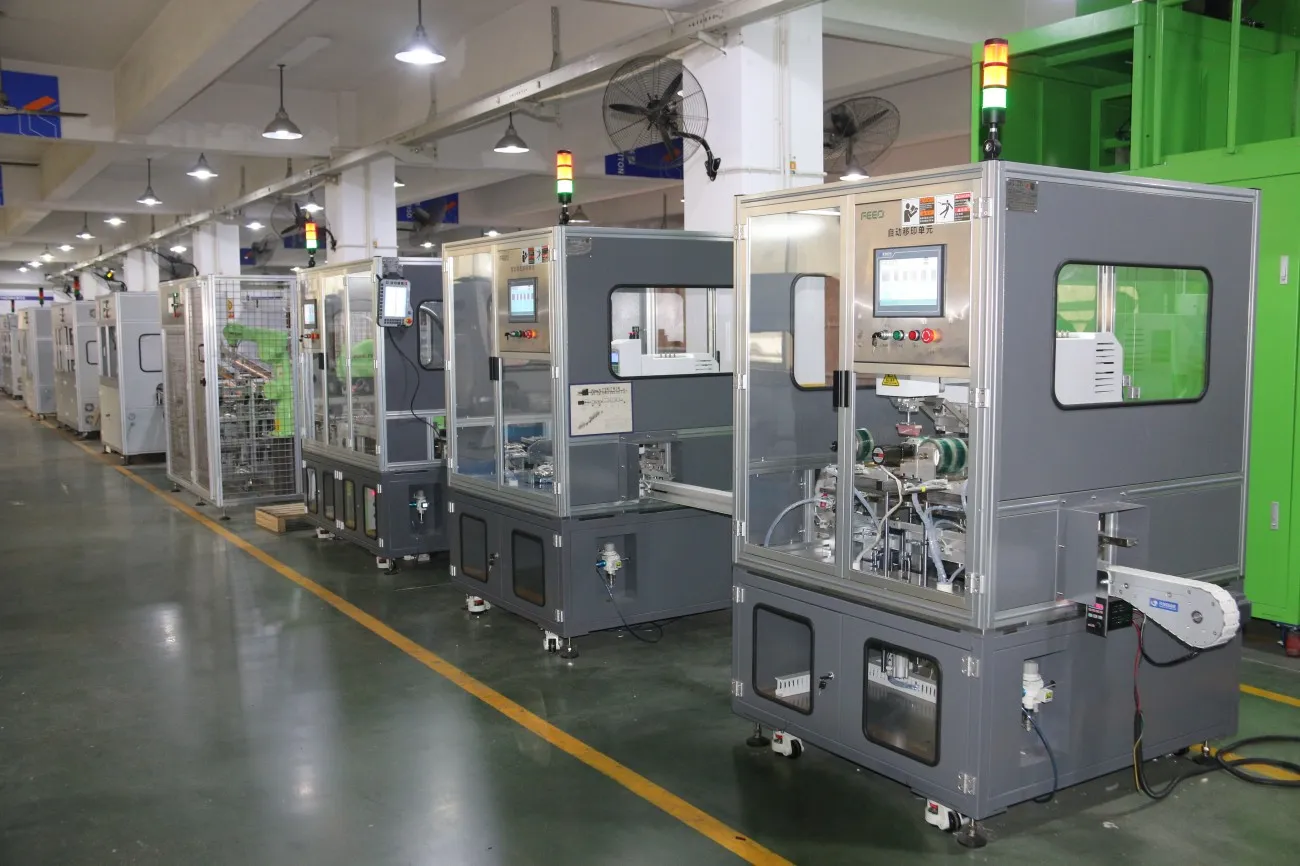
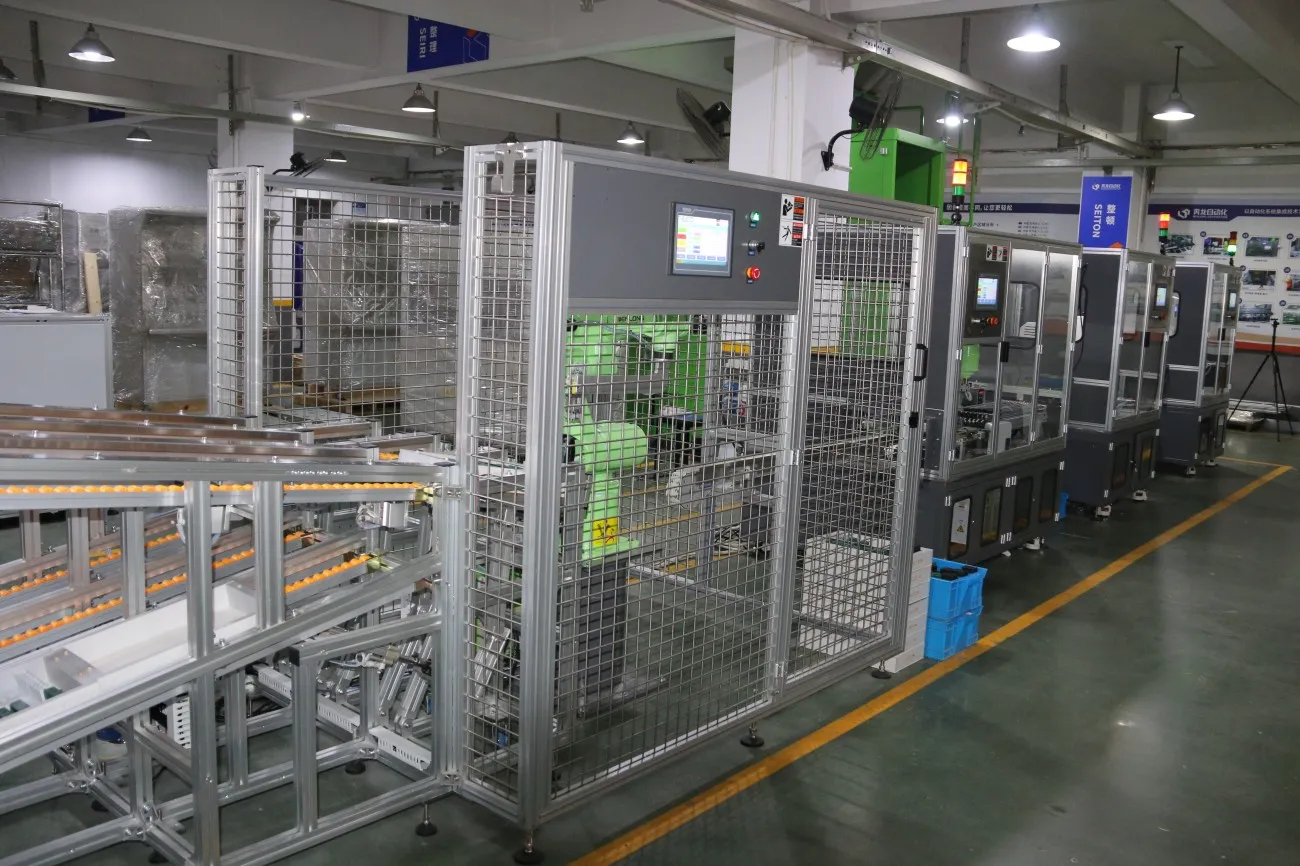
خط إنتاج آلي بالكامل لأجهزة الحماية من الصواعق من النوع 1/2/3. يشمل تغذية القاعدة تلقائيًا، ولحام المقاومات المتغيرة بدقة (مقاومة/ليزر)، وإدخال الوحدات، ووضع العلامات بالليزر والطباعة الوسيطة. يعمل بدون مشغل، ومتوافق مع معيار IEC 61643-11. قابل للتخصيص ليناسب 1P/2P/3P/4P.
خط إنتاج تجميع ولحام SPD أوتوماتيكي بالكامل
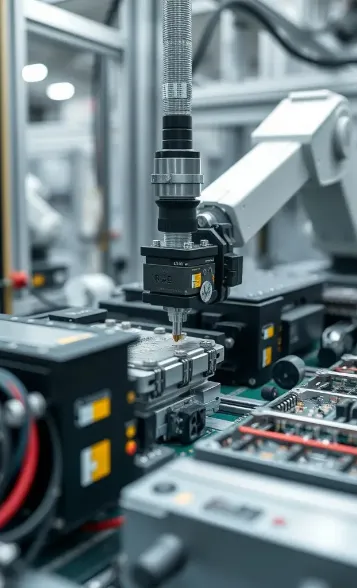
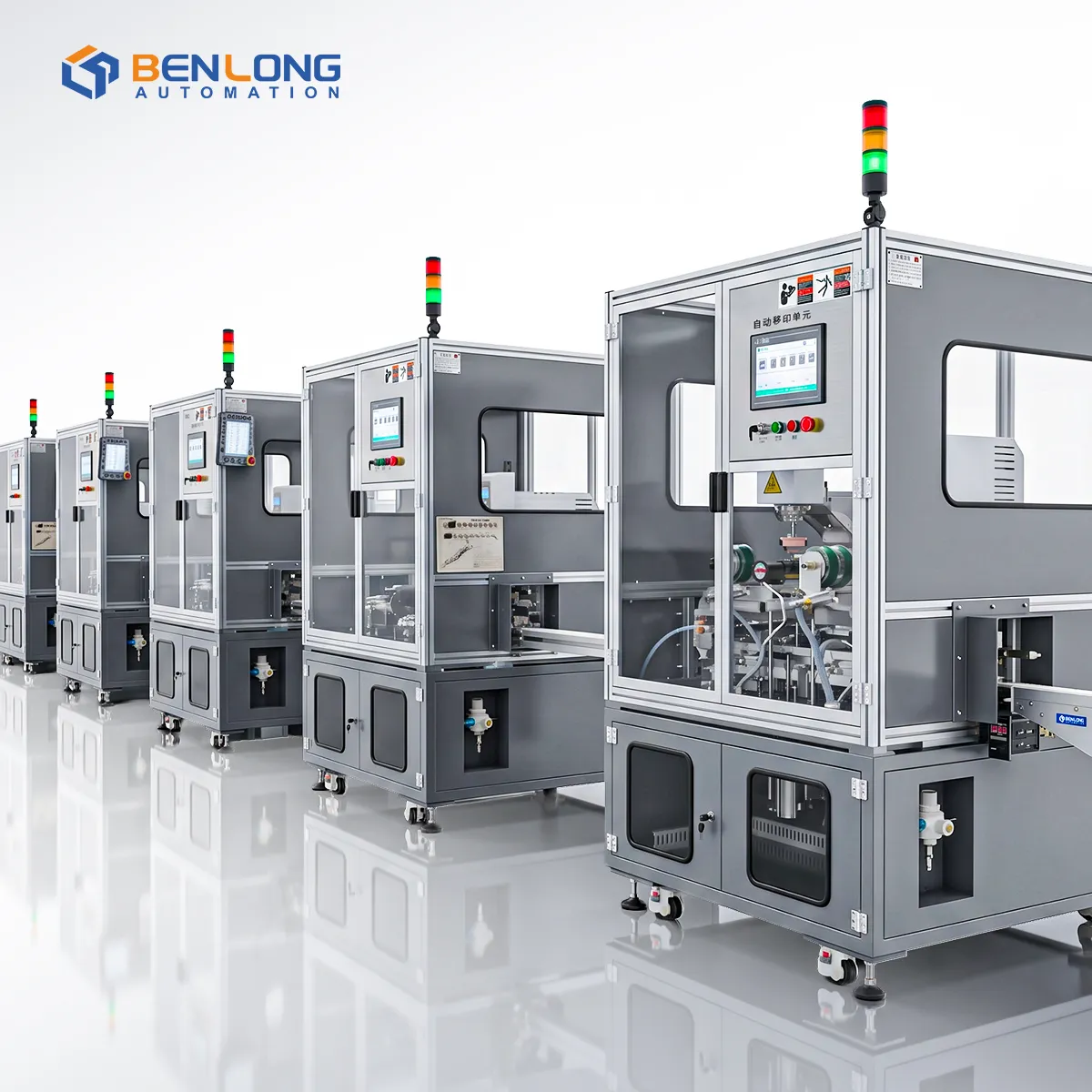
يُعدّ خط إنتاج جهاز الحماية من الصواعق (SPD) الأوتوماتيكي نظامًا متكاملًا مصممًا لتصنيع أجهزة الحماية من الصواعق، ويشمل جميع مراحل الإنتاج بدءًا من لحام الوحدة الأساسية وصولًا إلى تجميع القاعدة النهائية. يعمل الخط آليًا بالكامل في العمليات الحيوية التالية: التغذية الآلية لقواعد أجهزة الحماية من الصواعق، ولحام وحدات الفاريستور بدقة عالية (باستخدام اللحام المقاوم أو اللحام بالليزر)، وإدخال الوحدات في القواعد آليًا، ووضع علامات ليزرية على الوحدات والقواعد، وطباعة وسادات الوحدات والقواعد. يضمن هذا النظام اتساق المنتج وإمكانية تتبعه وإنتاجية عالية بما يتوافق مع معايير الحماية من الصواعق العالمية (IEC 61643-11).
في البداية، تُغذّى المادة الأساسية لجهاز الحماية من الصواعق (SPD) إلى العملية بشكل مستمر وآلي. ثم تُجمّع وحدات المقاومة المتغيرة (MOVs) أو وحدات المقاومة المتغيرة (MOV varistor) باستخدام اللحام الآلي الدقيق أو لحام المقاومة لضمان توصيل كهربائي مثالي وأداء موثوق. بعد ذلك، تُنقل وحدات المقاومة المتغيرة (MOV) المُكتملة تلقائيًا إلى محطة التجميع حيث تُركّب في قواعد الحماية النهائية. تُطبع علامات الجودة بالليزر، بما في ذلك علامات CE وUL وTUV وغيرها من العلامات التنظيمية، كما تُدمج مراقبة الجودة في العملية، حيث تحمل كل وحدة رقم تعريف دائم، وتُستخدم الطباعة الوسيطة لوضع العلامات التنظيمية والرموز الشريطية. يضمن سير العمل الرقمي الكامل للعملية إمكانية تتبع المواد بشكل كامل وجودة تجميع متسقة، وهو مناسب تمامًا للإنتاج بكميات كبيرة لأجهزة الحماية من الصواعق من النوع 1 والنوع 2 والنوع 3.
التسليم القياسي: 60-90 يومًا | تشغيل بدون مشغل | قابل للتخصيص ليناسب مختلف أشكال أنظمة الدفع السريع

ما هو خط الإنتاج الأوتوماتيكي SPD؟
خط إنتاج أجهزة الحماية من زيادة التيار المؤتمت بالكامل هو نظام متكامل قادر على تصنيع أجهزة الحماية من زيادة التيار (SPDs) المستخدمة في توزيع الطاقة منخفضة الجهد للحماية من حالات زيادة الجهد العابرة (الصواعق، وزيادة التيار الناتجة عن عمليات التبديل). يُؤتمت هذا الخط عملية التجميع بأكملها، بما في ذلك تغذية القواعد البلاستيكية، واللحام الدقيق لوحدات الفاريستور (أحادية أو متعددة الرقاقات)، وإدخال الوحدة الملحومة في القاعدة البلاستيكية، وتطبيق فواصل حرارية (عند الحاجة)، ووضع علامات على المنتج النهائي باستخدام الطباعة الليزرية والطباعة الوسيطة. صُمم النظام ليعمل باستمرار وبشكل مستقل عن المشغلين البشريين، مما يقلل الاعتماد على العمالة ويحافظ على جودة ثابتة للأجزاء المنتجة. يفي هذا الخط بجميع معايير IEC 616439-11 لأجهزة الحماية من زيادة التيار (SPDs) (أجهزة الحماية من زيادة التيار منخفضة الجهد)، وهو مصمم للاستخدام في المنشآت السكنية والتجارية والصناعية للأنواع الثلاثة المختلفة من أجهزة الحماية من زيادة التيار (النوع 1، والنوع 2، والنوع 3). بما أننا نقدم حلولاً مخصصة غير قياسية، يمكننا بناء خط إنتاج خاص بتصميم SPD الخاص بك، وعدد المقاومات المتغيرة في كل وحدة، والتصميم الأساسي، ومتطلبات كمية الإنتاج.

التغذية الاهتزازية المستمرة أو التغذية من المخزن لقواعد SPD، مما يقلل من المناولة اليدوية.
اللحام المقاوم أو اللحام بالليزر لوحدات MOV؛ يضمن مقاومة تلامس منخفضة (<0.1 mΩ).
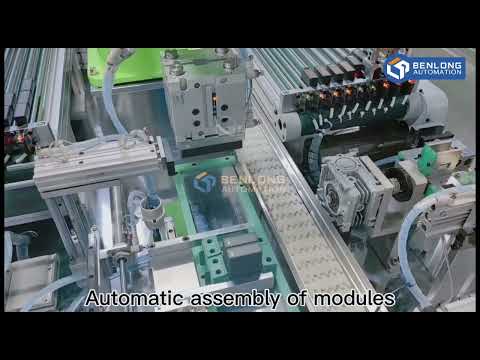
يقوم الروبوت أو نظام الالتقاط والوضع بنقل الوحدات الملحومة إلى القواعد مع مراقبة قوة الإدخال.
العلامات الدائمة (الرقم التسلسلي، التصنيف، رمز التاريخ) والملصقات التنظيمية (CE، UL، TUV).
ميزات وعملية خط الإنتاج

المواصفات الفنية
| أنواع SPD المدعومة | النوع 1، النوع 2، النوع 3 (منفذ واحد أو منفذين)، تكوينات 1P/2P/3P/4P |
|---|---|
| التغذية الأساسية | وعاء اهتزازي أو مكدس مجلات، تشغيل مستمر |
| طريقة اللحام بالفاريستور | اللحام المقاوم (MFDC) أو اللحام بالليزر الليفي (اختياري) |
| دقة اللحام | دقة تكرار الموضع ±0.1 مم؛ مراقبة طاقة اللحام ±2% |
| إدراج الوحدة النمطية | مكبس يتم التحكم فيه بواسطة محرك سيرفو، مع مراقبة القوة (50-200 نيوتن)، ورفض تلقائي عند انحراف القوة |
| الوسم بالليزر | ليزر ألياف (20 واط/30 واط)، مساحة الوسم 110 × 110 مم، يدعم الباركود/رمز الاستجابة السريعة/النص |
| الطباعة بالوسادة | لون واحد أو لونان، كوب حبر أوتوماتيكي، قالب سريع الفك |

| نظام التحكم | وحدة تحكم منطقية قابلة للبرمجة (سيمنز/ميتسوبيشي) مع واجهة مستخدم رسومية، وتخزين وصفات لأكثر من 20 نموذجًا من نماذج SPD |
| إمكانية التتبع | قارئ الباركود في عملية لحام الوحدة والاختبار النهائي؛ يتم تحميل البيانات إلى نظام إدارة التصنيع (MES). |
| مصدر الطاقة والهواء | 380 فولت ±10% 50 هرتز | هواء مضغوط 0.6-0.8 ميجا باسكال |
المزايا التقنية الأساسية
تشغيل بدون طاقم للإنتاج بكميات كبيرة

من بدء التغذية الأساسية وحتى وضع العلامات النهائية، يعمل خط الإنتاج دون تدخل المشغل. يمكن لفني واحد الإشراف على عدة خطوط، مما يقلل بشكل كبير من تكلفة العمالة ويقضي على التباين البشري.
لحام المقاومات المتغيرة الدقيق – مقاومة تلامس منخفضة
تستخدم محطة اللحام المقاوم نظام تحكم بالتيار المستمر متوسط التردد مع مراقبة الطاقة في الوقت الفعلي. تحقق اللحامات مقاومة تلامس أقل من 0.1 ملي أوم، مما يضمن توصيلًا موثوقًا لتيار الاندفاع وعمرًا طويلًا لمقاومات أكسيد المعادن.
إمكانية التتبع المتكاملة للامتثال التنظيمي
يحصل كل جهاز حماية من التسرب (SPD) على مُعرّف فريد محفور بالليزر، مرتبط بمعايير اللحام، وقوة إدخال الوحدة، وبيانات الفحص النهائي. يدعم التتبع الكامل شهادة IEC 61643-11 وعمليات تدقيق العملاء.
تصميم معياري مرن
يمكن تهيئة خط الإنتاج لأحجام قواعد مختلفة، وعدد المقاومات المتغيرة (من 1 إلى 4 مقاومات متغيرة)، ووحدة فصل حراري اختيارية. يستغرق تغيير عائلات المنتجات عادةً من 30 إلى 60 دقيقة باستخدام أدوات التغيير السريع.
















قصة نجاح عميل - تصنيع منتجات SPD من النوع 2
لتلبية الطلب المتزايد، احتاجت شركة European SPD Brand إلى زيادة إنتاجها الشهري من أجهزة الحماية من زيادة التيار من النوع الثاني (SPDs) بسرعة من 5000 إلى 20000 وحدة. تمثلت التحديات التي واجهتها في ضعف جودة اللحام وكثرة عمليات إعادة تصنيع المقاومات المتغيرة. بالتعاون مع شركة Benlong، أنشأت الشركة خط إنتاج آليًا يتضمن: وحدة تجميع مصممة خصيصًا لأجهزة الحماية من زيادة التيار؛ ولحام مقاومة ثنائي المحطات؛ ومراقبة مباشرة لجودة المقاومات المتغيرة الملحومة.
غطى خط الإنتاج تكاليفه ذاتيًا خلال فترة 14 شهرًا. وخضع العميل لتدقيق المصنع وفقًا لمعيار IEC 61643-11 دون أي مخالفات بفضل إمكانية تتبع عملية الوسم بالليزر بشكل كامل.
تكامل التطبيقات والإنتاج
الهندسة والتسليم حسب الطلب
اطلب عرض أسعار مخصص لخط إنتاج SPD
يرجى تزويدنا بعينة أساسية من جهاز الحماية من الصواعق، وعينات من وحدات المقاومة المتغيرة، ومخرجات الطاقة المستهدفة. سيقوم فريقنا الهندسي بتصميم خط إنتاج آلي مخصص لكم، يشمل اللحام والتجميع والتعليم، مع الالتزام الكامل بمعيار IEC 61643-11.
واتساب: +86 150 5837 0007 | البريد الإلكتروني: xsb@benlongkj.cn | دعم باللغتين الإنجليزية والصينية
لماذا تختار بنلونج لأتمتة SPD؟
- أكثر من 15 عامًا في مجال التصميم خطوط إنتاج SPD الأوتوماتيكية للعلامات التجارية العالمية للحماية من الصواعق
- خبرة مثبتة في لحام المقاومة المتغيرة (MFDC) ولحام الليزر
- تعليم ليزري متكامل + طباعة وسادة لتحقيق التتبع الكامل والتصنيف التنظيمي
- التشغيل بدون مشغل – يمكن لمشغل واحد إدارة خطوط متعددة
- شبكة خدمات عالمية (أوروبا، آسيا، الأمريكتان، الشرق الأوسط)
تشمل خطوط التخصيص النموذجية ما يلي
وعاء تغذية أوتوماتيكي - اهتزازي (സാഹചര) | صالح للطعام - حشو رقائق معدنية - كاشف معادن / نظام تحكم كاشف معادن - محطة لحام فاريستور - (R/S أو ليزر) - مكبس إدخال معياري مع مراقبة القوة - وحدة طباعة ليزر (ألياف) - آلة طباعة وسادة - وحدة تحكم منطقية قابلة للبرمجة مع واجهة مستخدم رسومية - (سيمنز) - نظام ناقل - واقيات أمان - واجهة MES (OPC UA) - مجموعة واحدة من أدوات التغيير متوفرة - ضمان لمدة عام واحد.
الأسئلة الشائعة
يمكن تركيب الأنواع الأول والثاني والثالث، التي تحتوي على وحدة واحدة إلى أربع وحدات من مقاومات MOV لكل لوحة، باستخدام خيار منفذ واحد أو منفذين على هذا الخط. تتوفر مجموعات تغيير الأدوات لأحجام اللوحات المختلفة وتصميمات مقاومات MOV المتنوعة.
في مجال تصنيع وحدات MOV بكميات كبيرة، تُعدّ عملية اللحام بالمقاومة (MFDC) أكثر كفاءة وفعالية من حيث التكلفة مقارنةً بالطرق التقليدية. في المقابل، يُستخدم اللحام بالليزر لإنشاء وصلات ملحومة بين الأجزاء الصغيرة جدًا أو التي لا يمكن لمسها (فواصل حرارية) أو حيث يكون الحد الأدنى من المساحة المتأثرة بالحرارة ضارًا.
لضمان اختيارك لأفضل طريقة لحام لتطبيقك، نوصي بإجراء لحام تجريبي - باستخدام أجزاء العينة الفعلية الخاصة بك.
في حال احتواء جهاز الحماية من الصواعق (SPD) على فاصل حراري (آلية لإعلام المستخدم بوصول الجهاز إلى نهاية عمره التشغيلي)، يمكننا توفير محطة مخصصة لتطبيق معجون لحام منخفض الحرارة مسبقًا على تجميعة المنتج ومعالجته بحرارة مضبوطة. سيكون تصميم المحطة فريدًا وفقًا لتصميم المنتج.
يمكن تركيب محطة اختبار مدمجة بعد عملية اللحام لتحديد جهد المقاومة المتغيرة (V1mA) وتيار التسريب (Ie) لكل وحدة. يتيح ذلك لجميع الوحدات التي تجتاز الاختبار الانتقال إلى مرحلة التجميع. ويمكن إضافة اختبار نهائي للحماية من الصواعق في نهاية خط الإنتاج.
يُحدد عدد دورات اللحام في كل محطة عمل الطاقة الإنتاجية. يمكن لخط إنتاج قياسي يقوم بلحام وتجميع وحدتين من وحدات SPD أن ينتج ما بين 1000 و1500 وحدة في كل وردية. كما قد تسمح رؤوس اللحام ثنائية المحطات أو وحدات التجميع المتوازية بزيادة الإنتاجية.
المنتجات ذات الصلة
خط إنتاج آلي لقواطع الدائرة الكهربائية الفراغية (VCB)
عرض التفاصيل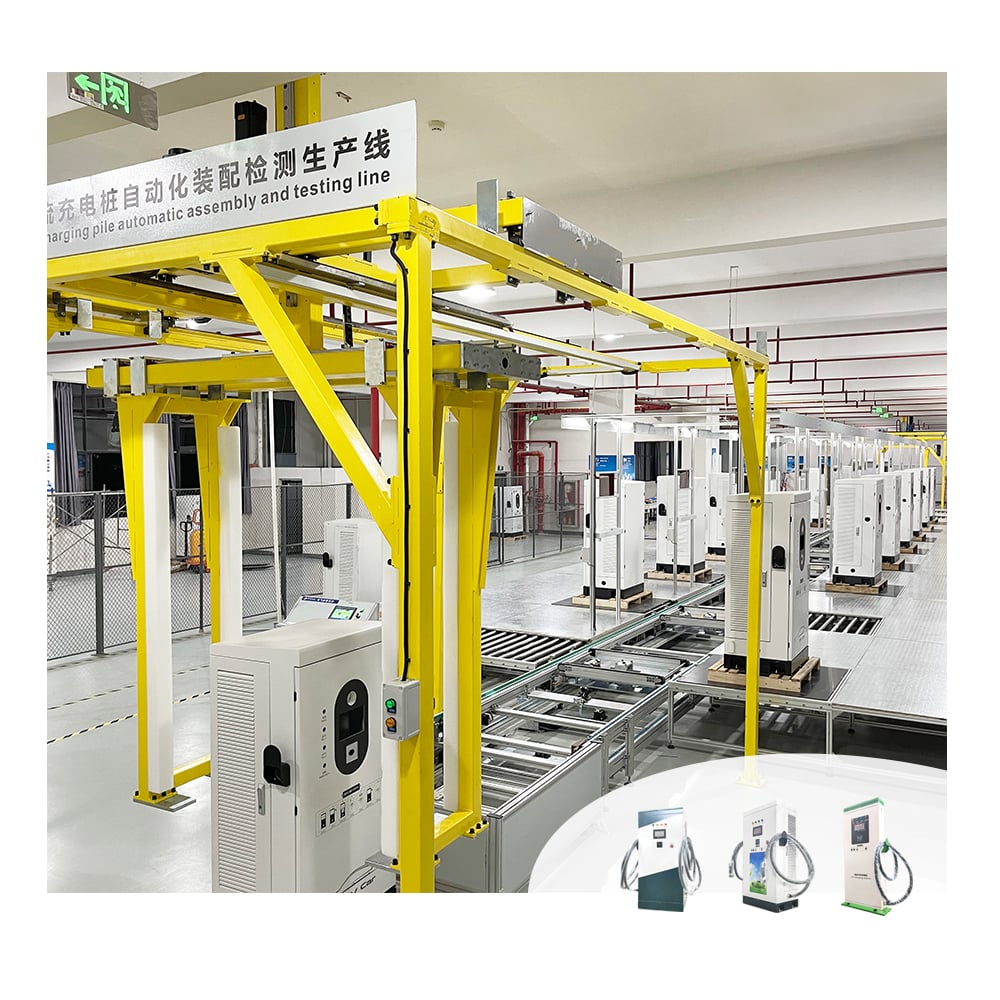
خط إنتاج أوتوماتيكي لشحن التيار المستمر
عرض التفاصيل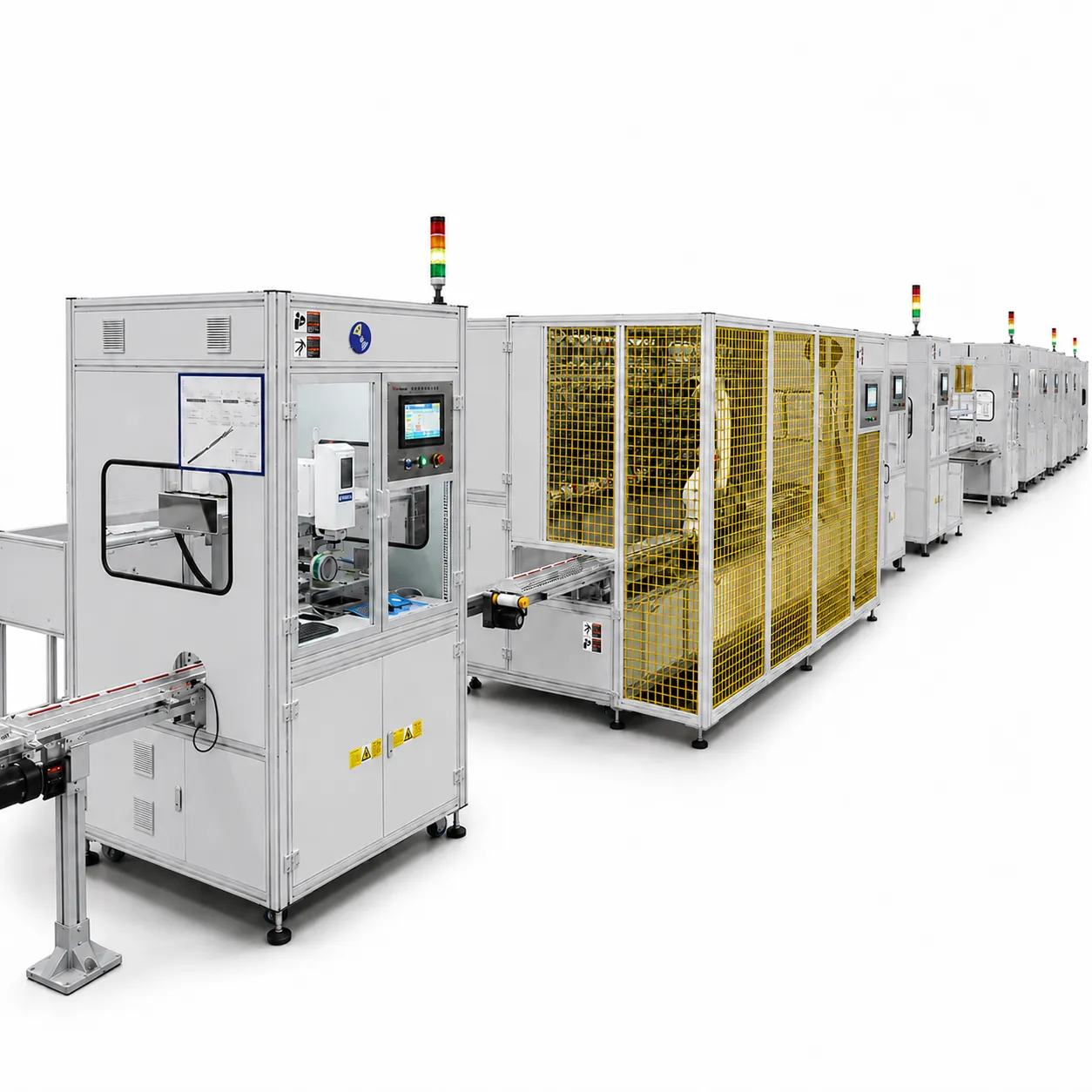
خط إنتاج آلي لقواطع الدائرة المصغرة الذكية بتقنية إنترنت الأشياء
عرض التفاصيل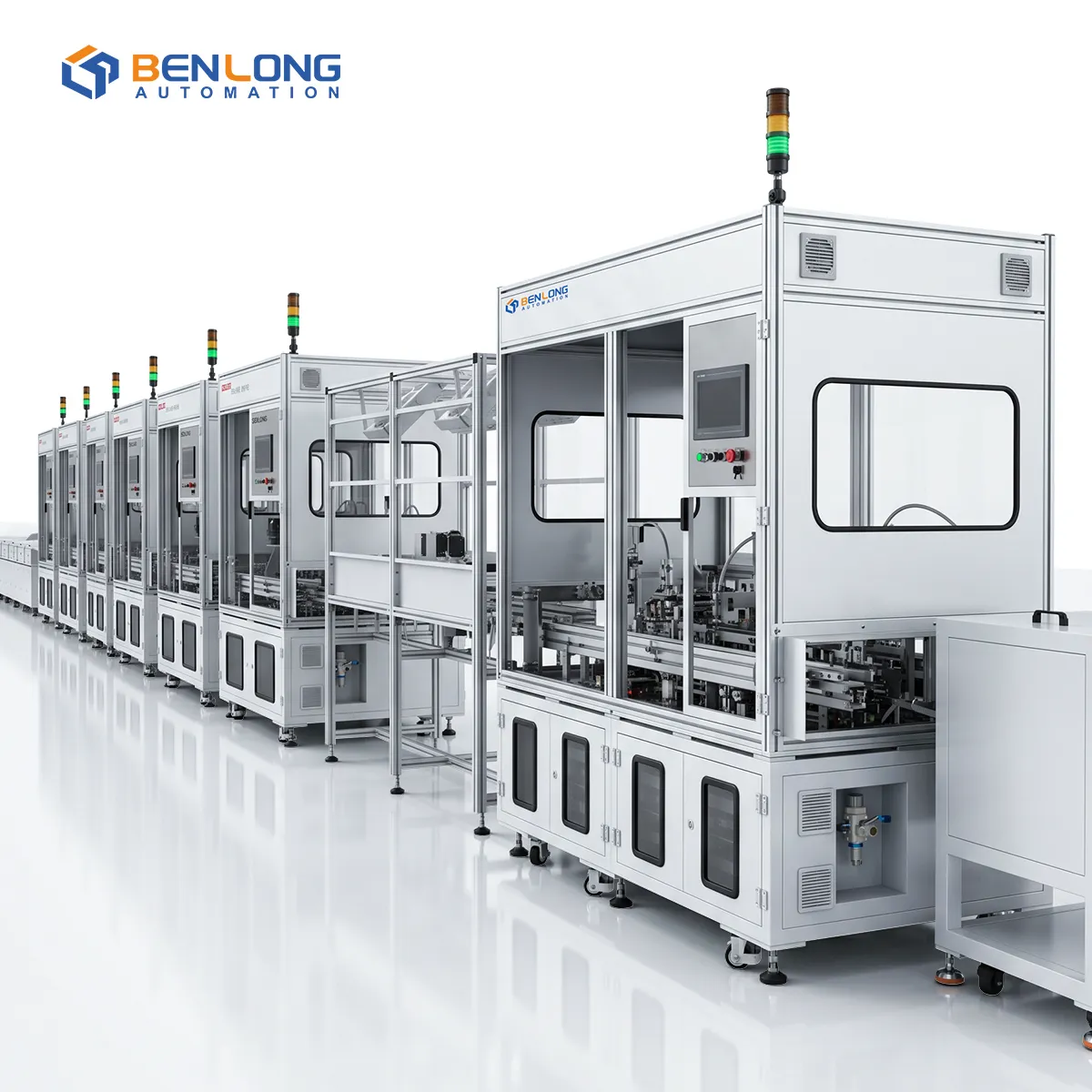
خط إنتاج آلي لمرحلات الحالة الصلبة
عرض التفاصيل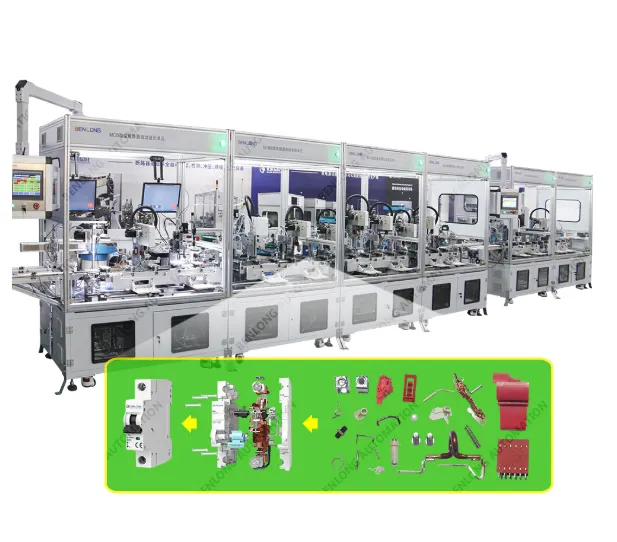
خط تجميع قواطع الدائرة المصغرة الأوتوماتيكي
عرض التفاصيل