benlong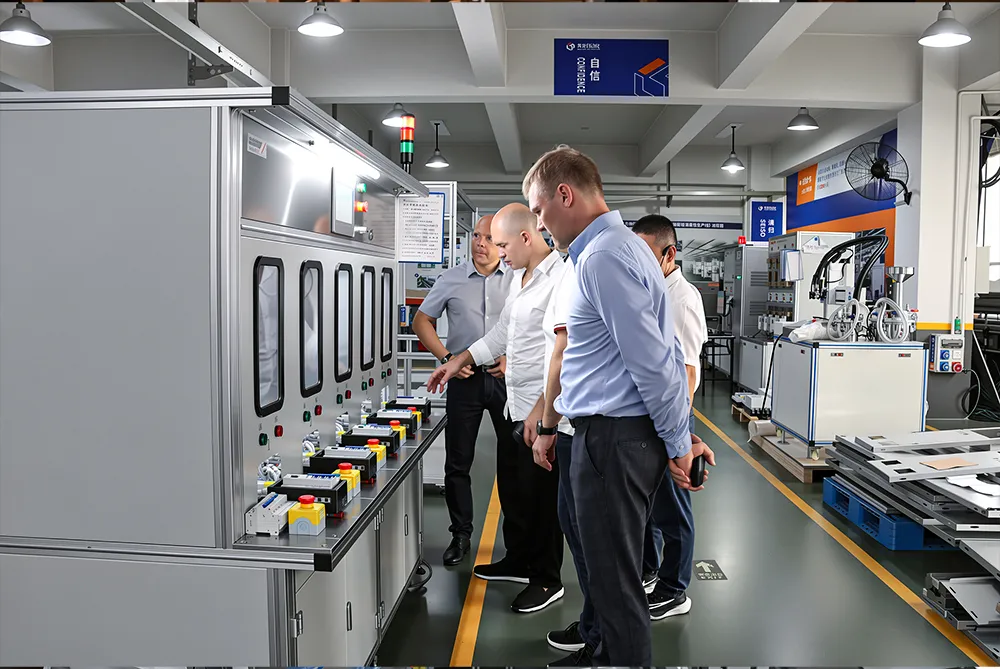


Cách chọn máy kiểm tra tự động phù hợp nhất cho dây chuyền sản xuất của bạn
Dilemma mua sắm thực tế: Theo một quản lý nhà máy của một nhà sản xuất thiết bị đóng cắt, “Chúng tôi đã mua một thiết bị kiểm tra cầu dao mà tuyên bố có thể kiểm tra mọi thứ nhưng nó không thể đáp ứng yêu cầu điện áp cao của công tắc cách ly tải của chúng tôi, cũng như nhà cung cấp không quen thuộc với IEC 60947-3”.
Khi chọn một máy kiểm tra tự động, không chỉ đơn giản là tìm kiếm chất lượng tốt nhất hoặc thiết bị nâng cấp. Thay vào đó, bạn muốn đảm bảo rằng máy có khả năng kiểm tra phù hợp cho sản phẩm cụ thể của bạn, số lượng sản xuất và quy định của chính phủ.
Khi các dây chuyền sản xuất bắt đầu trở nên linh hoạt hơn vào năm 2025, một thiết bị kiểm tra được chọn kém có thể dẫn đến tắc nghẽn, bỏ qua các khuyết tật nghiêm trọng, hoặc không đáp ứng tiêu chuẩn kiểm toán.
Hướng dẫn này sẽ giúp bạn qua một quy trình ra quyết định đơn giản gồm năm bước dựa trên các ví dụ về kiểm tra MCB, kiểm tra VCB, kiểm tra công tắc cách ly tải và kiểm tra SSR.

Hướng dẫn này bao gồm:
- Năm bước để xác định yêu cầu kiểm tra của bạn
- Cách các sản phẩm khác nhau yêu cầu các bộ kiểm tra khác nhau (với các ví dụ thực tế)
- Các thông số kỹ thuật chính để so sánh giữa các nhà cung cấp
- Tám câu hỏi thường gặp về kiểm tra và công cụ kiểm tra cầu dao
Bước 1: Xác định sự kết hợp sản phẩm và các bài kiểm tra cần thiết
Bắt đầu danh sách của bạn bằng cách chi tiết từng sản phẩm được sản xuất và tất cả các sản phẩm mà bạn dự định kiểm tra. Dưới đây là các ví dụ về các loại điện tiêu chuẩn:
- Cầu dao mini (MCBs) – yêu cầu xác minh đường cong ngắt tức thì, hiệu chuẩn nhiệt, điện trở tiếp xúc.
- Cầu dao chân không (VCBs) – cần kiểm tra độ nguyên vẹn chân không, hành trình cơ khí, cách điện điện áp cao (IEC 62271-100).
- Công tắc cách ly tải / thiết bị ngắt – Yêu cầu điện trở vòng <50 µΩ ở DC100A, kiểm tra hipot AC, độ bền cơ khí ≥10,000 chu kỳ, kiểm tra khóa theo IEC 60947-3.
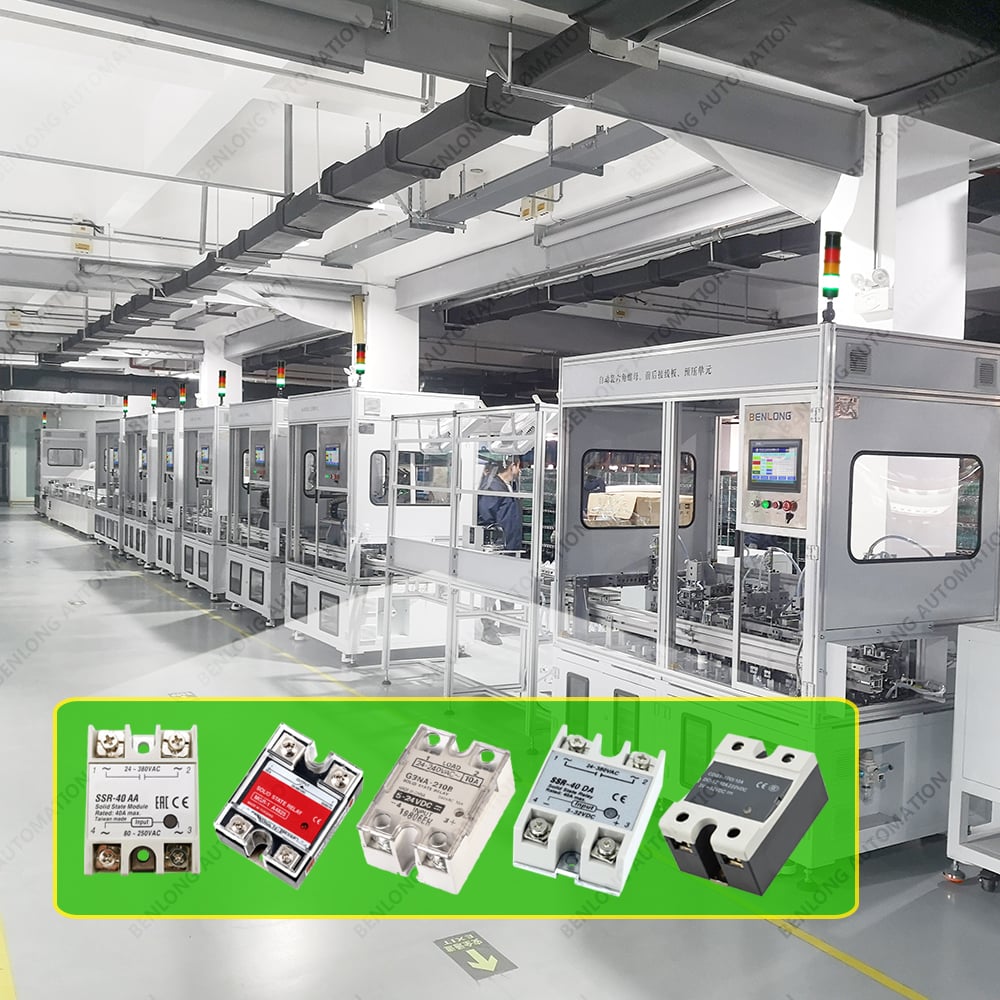
- Rơ le trạng thái rắn (SSRs) – yêu cầu kiểm tra: định mức hiện tại, điện áp hoạt động, độ bền cách điện, đặc tính nhiệt.
Yêu cầu kiểm tra cho mỗi loại sản phẩm khác nhau. Một MCB sẽ không hoạt động trên một thiết bị ngắt chân không trong một VCB và ngược lại, trong khi một VCB có thể vượt quá những gì cần thiết để kiểm tra SSRs. Do đó, quyết định đầu tiên của bạn là: bạn có cần một thiết bị kiểm tra đơn mục đích cho mỗi dây chuyền sản xuất, hay tốt hơn là có một đơn vị mô-đun để cấu hình lại cho nhiều dây chuyền?
Bước 2: Khớp các trạm kiểm tra của máy với khối lượng sản xuất của bạn
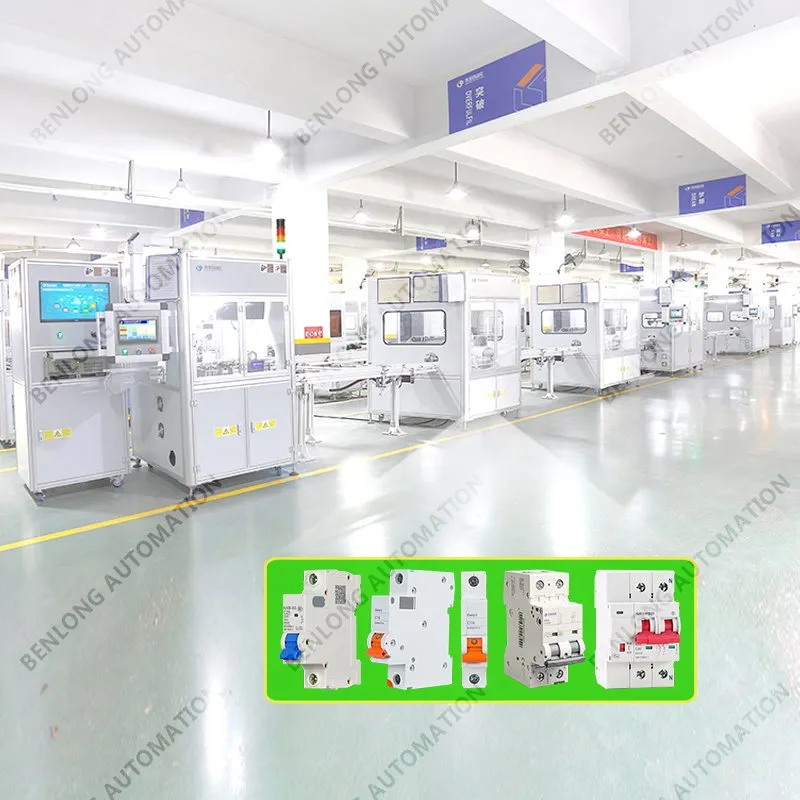
Trong sản xuất quy mô nhỏ (tức là, ít hơn năm trăm đơn vị mỗi ngày) bạn có thể sử dụng một trạm kiểm tra thủ công với sự kết hợp của công cụ chuyển đổi thủ công và một trạm đơn, nhưng bạn sẽ cần thêm thiết bị kiểm tra cầu dao với nhiều trạm kiểm tra song song, hệ thống băng tải định vị hoặc phân loại tự động cho sản xuất quy mô lớn (tức là, năm nghìn đơn vị mỗi ngày hoặc lớn hơn) trên các dây chuyền sản xuất chuyên dụng. Các ví dụ được hiển thị.
- Dây chuyền kiểm tra tự động MCB Sự cải thiện hiệu suất của 30% đã đạt được nhờ việc sử dụng nhiều trạm và khả năng thực hiện tất cả các hoạt động đồng thời (tức là, ngừng hoạt động ngay lập tức của dây chuyền, đo đạc các điều chỉnh/nhãn hiệu nhiệt, đo điện trở tiếp xúc và thực hiện kiểm tra trực quan).
- Dây chuyền kiểm tra công tắc cách ly tải Điện trở vòng, kiểm tra AC hi-pot, độ bền cơ học và xác minh mô-men xoắn đều được bao gồm trong quy trình kiểm tra. Thời gian chu kỳ cho mỗi sản phẩm ≤ 28 giây; tỷ lệ đạt lần đầu ≥ 99.80%.
- Dây chuyền sản xuất rơ le trạng thái rắn Tất cả các khía cạnh của SMT (công nghệ gắn bề mặt), lắp ráp (mạ), hàn vật liệu hàn, kiểm tra chức năng (dòng điện/điện áp/cách điện/kiểm tra nhiệt – Treo), và ghi dữ liệu hoàn toàn tự động sẽ được bao gồm trong Hoạt động.
Đặt câu hỏi cho các nhà cung cấp tiềm năng: “Bạn có thể sản xuất bao nhiêu sản phẩm đã kiểm tra trong một giờ và có bao nhiêu trạm kiểm tra đang hoạt động đồng thời?”
Bước 3: Xác minh sự tuân thủ các tiêu chuẩn bắt buộc
Để vượt qua kiểm tra tuân thủ quốc tế bằng thiết bị kiểm tra tự động của bạn, nó cần hoạt động theo các Tiêu chuẩn Quốc tế áp dụng. Nếu không, bạn sẽ không đạt yêu cầu kiểm tra/kiểm toán của khách hàng hoặc các quy định liên quan đến việc bán sản phẩm của bạn. Dưới đây là một số ví dụ về các tiêu chuẩn phổ biến mà bạn có thể gặp:
- MCBs: IEC 60898‑1, IEC 60947‑2
- VCBs: IEC 62271‑100
- Công tắc tải: IEC 60947‑3, GB/T 14048.3
- SSRs: Không có tiêu chuẩn duy nhất, nhưng thường là UL 508, IEC 62314.
Yêu cầu từ nhà cung cấp của bạn một “ma trận tuân thủ tiêu chuẩn” xác định các bài kiểm tra cụ thể đã thực hiện và/hoặc các phương pháp kiểm tra cụ thể (tức là, cho điện trở vòng: 100A DC, 4 dây Kelvin) được sử dụng trong kiểm tra. Ngoài ra, tránh các nhà cung cấp tuyên bố rằng họ tuân thủ các tiêu chuẩn IEC mà không cung cấp cho bạn các chi tiết về quy trình kiểm tra của họ.
Bước 4: Đánh giá khả năng truy xuất dữ liệu và tích hợp MES
Các thiết bị kiểm tra tự động hiện đại hoạt động như cả công cụ kiểm tra và nguồn dữ liệu có thể hỗ trợ một tổ chức trong việc đảm bảo chất lượng sản phẩm và dịch vụ của mình. Các thuộc tính chính:
- Đầu đọc mã vạch hoặc RFID để liên kết mỗi đơn vị đã kiểm tra với kết quả kiểm tra của nó.
- Tải dữ liệu theo thời gian thực lên MES của bạn qua Modbus TCP, OPC UA hoặc REST API.
- Bảng điều khiển SPC để theo dõi Cpk, xu hướng lỗi và độ ổn định của trạm kiểm tra.
- Chẩn đoán từ xa cho hỗ trợ sau bán hàng (một số nhà cung cấp như Benlong bao gồm điều này như tiêu chuẩn).
Nếu bạn không có khả năng truy xuất, bạn sẽ không thể thu hồi các lô sản xuất hoặc chứng minh với các khách hàng lớn rằng sản phẩm của bạn đáp ứng tiêu chuẩn chất lượng yêu cầu. Một bộ kiểm tra cầu dao chất lượng sẽ ghi lại tất cả các tham số (thời gian nhảy trong ms, điện trở tiếp xúc trong µΩ, mức điện áp cách điện) liên quan đến số sê-ri sản phẩm.
Bước 5: So sánh tổng chi phí sở hữu (TCO) không chỉ giá mua
Máy rẻ nhất thường phát sinh chi phí lâu dài lớn hơn nhiều, do các yếu tố như thời gian hoạt động hạn chế, độ bao phủ kiểm tra kém và chi phí cao cho các linh kiện thay thế. TCO tính toán cho năm năm sử dụng sẽ bao gồm:
- Giá mua và lắp đặt
- Đào tạo (ban đầu và cập nhật)
- Hợp đồng bảo trì và khả năng cung cấp phụ tùng
- Chi phí thời gian chuyển đổi (nếu bạn chạy sản phẩm hỗn hợp)
- Giảm tỷ lệ từ chối (một thiết bị kiểm tra chính xác hơn có thể tự hoàn vốn nhanh chóng)
Ví dụ, bạn có thể mong đợi rằng một dây chuyền kiểm tra công tắc cách ly tải có tỷ lệ đạt yêu cầu lần đầu không dưới 99.8% sẽ phát sinh chi phí làm lại ít hơn 80% so với việc sử dụng một cơ sở kiểm tra thủ công có 5% từ chối sai.
Câu hỏi thường gặp (FAQ)
Kiểm tra cầu dao là gì?
Kiểm tra cầu dao kiểm tra xem một cầu dao như MCB, MCCB hoặc VCB có thể ngắt dòng lỗi một cách chính xác và hoạt động theo thông số kỹ thuật của nhà sản xuất hay không. Những bài kiểm tra này thường bao gồm kiểm tra thời gian ngắt tức thì (để xác minh đường cong B/C/D), hiệu chuẩn từ tính nhiệt (để kiểm tra quá tải), kiểm tra điện trở tiếp xúc và đo điện áp chịu cách điện. Thiết bị Kiểm Tra Tự Động Cầu Dao (CBATE) có thể thực hiện những bài kiểm tra này với tốc độ cao và có thể lặp lại trong khi cung cấp ghi dữ liệu.
Bao lâu thì nên kiểm tra cầu dao?
Tần suất kiểm tra cầu dao phụ thuộc vào loại cầu dao và ứng dụng. Trong sản xuất, tất cả các MCB (cầu dao miniature) đều được kiểm tra (kiểm tra định kỳ 100%). Các cầu dao lắp đặt tại hiện trường phải được kiểm tra theo tiêu chuẩn ngành (NFPA 70B, IEEE 1458) mỗi 1 đến 3 năm cho các cầu dao điện áp thấp và mỗi năm cho các VCB (cầu dao chân không) điện áp trung bình. Kiểm tra các ứng dụng quan trọng như bệnh viện hoặc trung tâm dữ liệu có thể cần được thực hiện thường xuyên hơn 6 tháng một lần.
Làm thế nào để thực hiện kiểm tra cầu dao?
Phương pháp thủ công để xác minh hoạt động của một thiết bị ngắt sẽ yêu cầu bạn sử dụng một thiết bị tiêm dòng điện chính sẽ áp dụng một lượng lớn dòng AC qua thiết bị ngắt, và bạn sẽ đo thời gian cần thiết để ngắt. Ngoài ra, bạn có thể sử dụng thiết bị kiểm tra cầu dao tự động để thực hiện bài kiểm tra này. Trong quy trình này, bạn không chỉ kẹp thiết bị ngắt vào vị trí mà còn đọc mã vạch trên thiết bị ngắt, và bạn chạy một chuỗi kiểm tra đã được lập trình sẵn bao gồm ngắt tức thì, quá tải, điện trở tiếp xúc và cách điện. Kết quả được hiển thị trên màn hình và lưu vào một tệp điện tử. Hãy chắc chắn rằng bạn tuân theo hướng dẫn của nhà sản xuất và đang đeo thiết bị bảo hộ cá nhân phù hợp.
Công cụ nào được sử dụng để kiểm tra cầu dao?
Các công cụ điển hình để kiểm tra bao gồm: thiết bị tiêm dòng điện chính (để xác minh thời gian ngắt), đồng hồ micro-ohm (để đo điện trở tiếp xúc), thiết bị kiểm tra điện trở cách điện (còn gọi là megger), và thiết bị kiểm tra điện áp cao (để đo độ bền điện môi). Ngoài ra, thiết bị tự động có sẵn để giúp các nhà sản xuất có dây chuyền sản xuất đạt được hiệu quả sản xuất cao hơn bằng cách sử dụng một trạm kiểm tra MCB tích hợp.
Bộ ngắt mạch nào phù hợp với bảng điều khiển Bryant?
Hầu hết các bảng điều khiển Bryant do Eaton sản xuất chấp nhận các cầu dao BR series của Eaton và nhiều bảng cũ hơn cũng có thể chấp nhận các cầu dao Cutler Hammer (cùng thiết kế). Trừ khi được liệt kê cụ thể trên nhãn, chúng tôi không khuyến nghị sử dụng bất kỳ thương hiệu nào khác ngoài những thương hiệu đã đề cập ở trên (ví dụ: Square D và Siemens). Luôn kiểm tra bảng tương thích cho thương hiệu và mẫu cụ thể của bảng điều khiển Bryant của bạn trước khi thực hiện mua hàng để đảm bảo bạn không gặp phải tình huống không an toàn.
Quy tắc 80% đối với cầu dao là gì?
Theo quy tắc 80 phần trăm (NEC 210.20 và 220.10), không cầu dao nào được tải liên tục quá (80%) dòng điện định mức của nó trong thời gian vượt quá (3 giờ). Ví dụ, một cầu dao (20) amp không nên được tải liên tục với hơn (16) amp dòng điện. Quy tắc này được đưa ra để ngăn chặn việc cầu dao bị nhảy do quá nhiệt. Có một ngoại lệ cho quy tắc này đối với các cầu dao được thiết kế đặc biệt có định mức cho 100 phần trăm khả năng mang tải của chúng (thiết kế đặc biệt, định nghĩa bài viết) trong các hoạt động bình thường (tức là tải đầy đủ). Ngoài ra, việc kiểm tra các cầu dao bằng cách sử dụng kiểm tra tự động có thể được sử dụng để xác định xem một cầu dao có nhảy trong thời gian cho phép khi được tải với dòng điện bằng 100 phần trăm và 135 phần trăm dòng điện định mức của chúng hay không.
Làm thế nào tôi có thể kiểm tra cầu dao của mình?
Nếu bạn là một chủ nhà, bạn có thể thực hiện một “kiểm tra tự làm” đơn giản cho các cầu dao AFCI/GFCI của bạn với nút kiểm tra nằm trên cầu dao đó. Tuy nhiên, để thực hiện một bài kiểm tra hiệu suất hoàn chỉnh trên các AFCI và GFCI của bạn, bạn sẽ cần dịch vụ của một nhà thầu điện có thiết bị kiểm tra dòng điện chính. Các nhà sản xuất và các cơ sở lớn có thiết bị kiểm tra cầu dao tự động được sử dụng để kiểm tra cầu dao trên dây chuyền sản xuất hoặc cho bảo trì phòng ngừa. Đừng cố gắng nhảy cầu dao bằng cách tạo ra một mạch ngắn; điều này cực kỳ nguy hiểm và có thể làm hỏng cầu dao.
Những sai lầm phổ biến khi chọn máy kiểm tra tự động
- Mua một thiết bị kiểm tra đa năng tuyên bố có thể kiểm tra mọi thứ – Thông thường, nó thực hiện một công việc kém trong việc kiểm tra hầu hết mọi thứ. Lựa chọn tốt nhất của bạn là tìm một máy được thiết kế để sử dụng trong gia đình sản phẩm của bạn.
- Bỏ qua thời gian chuyển đổi Làm việc với nhiều mẫu cùng nhau dẫn đến mất hiệu quả do thời gian chuyển đổi 30 phút giữa các mẫu đó. Tìm cách thay đổi công thức tự động. Điều này có thể được thực hiện trong chưa đầy 5 phút.
- Không xác minh sự tuân thủ tiêu chuẩn kiểm tra Phân khúc thị trường thấp hơn có một số nhà cung cấp sử dụng những cách rất đơn giản để kiểm tra thiết bị, có thể không tuân thủ các yêu cầu kiểm tra IEC hoặc UL. Luôn đảm bảo bạn yêu cầu một buổi trình diễn trực tiếp của thiết bị kiểm tra bằng cách sử dụng vật phẩm hoặc vật liệu của riêng bạn.
- Bỏ qua việc xuất dữ liệu Bạn sẽ mất khả năng truy xuất nếu không có máy tích hợp MES. Đảm bảo rằng máy móc của bạn có thể cung cấp kết quả cho hệ thống CNTT của bạn ở định dạng được chấp nhận.
Việc chọn một máy kiểm tra tự động phù hợp với dây chuyền sản xuất của bạn bắt đầu bằng việc hiểu rõ về sự kết hợp sản phẩm của bạn (MCB, VCB, công tắc tải, SSR, v.v.), các tiêu chuẩn kiểm tra cần thiết (IEC 60898, 60947‑3, 62271‑100) cần tuân thủ, cũng như nhu cầu về khối lượng của bạn. Ngoài ra, bạn cần xác nhận rằng bất kỳ máy kiểm tra tự động nào cũng có các trạm kiểm tra đáp ứng thời gian chu kỳ cần thiết theo năng suất của bạn.
Ngoài việc xác nhận rằng các trạm kiểm tra phù hợp với năng suất, hãy đảm bảo ưu tiên mong muốn của bạn về sự tuân thủ, khả năng truy xuất dữ liệu và tổng chi phí sở hữu hơn là giá ban đầu.
Khi chọn một máy để sử dụng cho mục đích kiểm tra MCB và các loại cầu dao khác, hãy tìm kiếm các giải pháp tích hợp cung cấp điện trở tiếp xúc, thời gian nhả, cách điện và kiểm tra hình ảnh tất cả trên một máy kiểm tra tự động duy nhất. Tránh các máy kiểm tra đa năng vì chúng làm giảm độ chính xác.
Thực hiện theo quy trình năm bước được nêu trong tài liệu này và chọn một hệ thống nâng cao chất lượng, giảm thiểu công việc làm lại và đáp ứng các cuộc kiểm toán của khách hàng của bạn.