benlong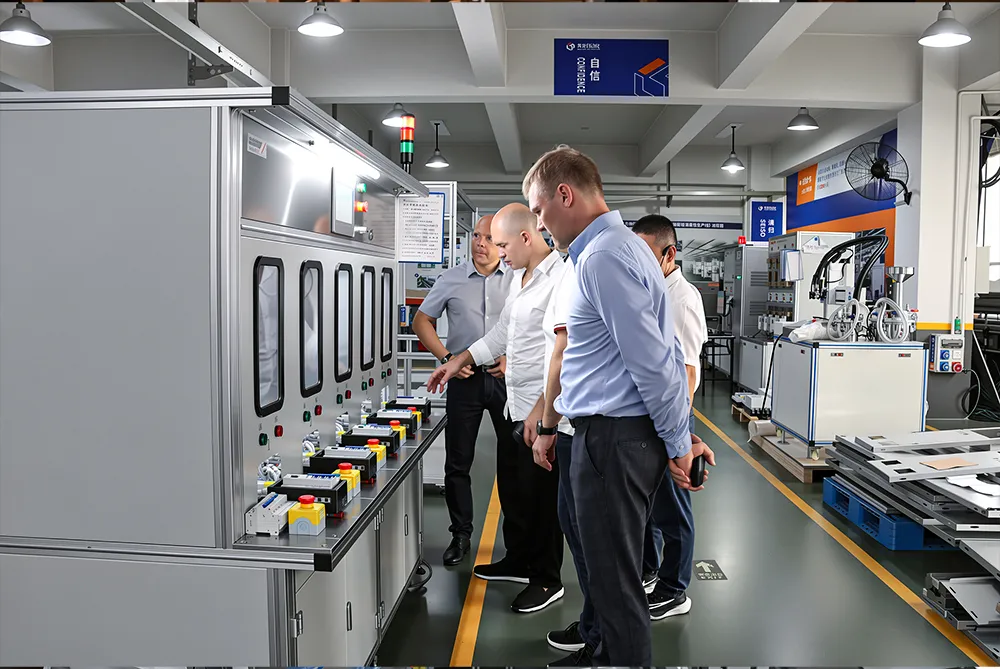


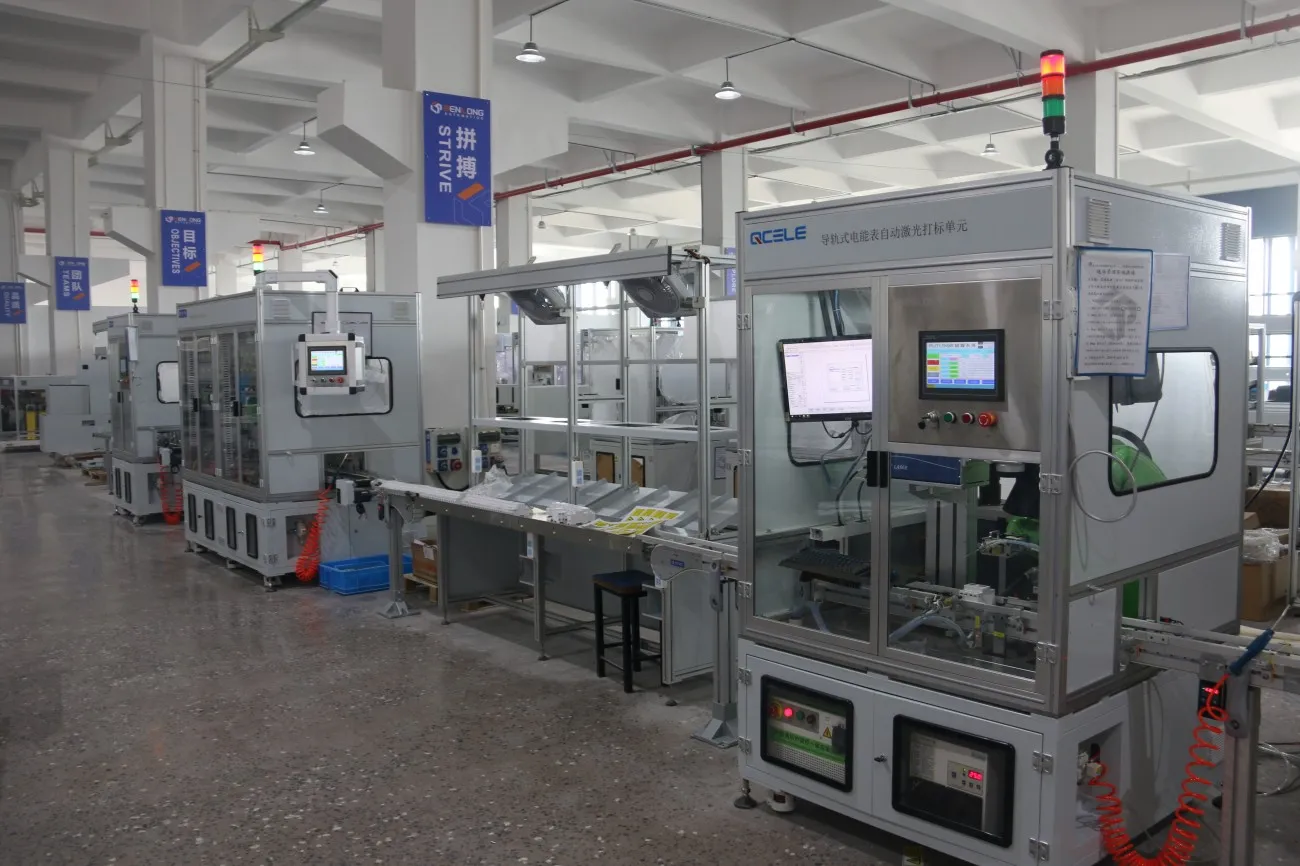
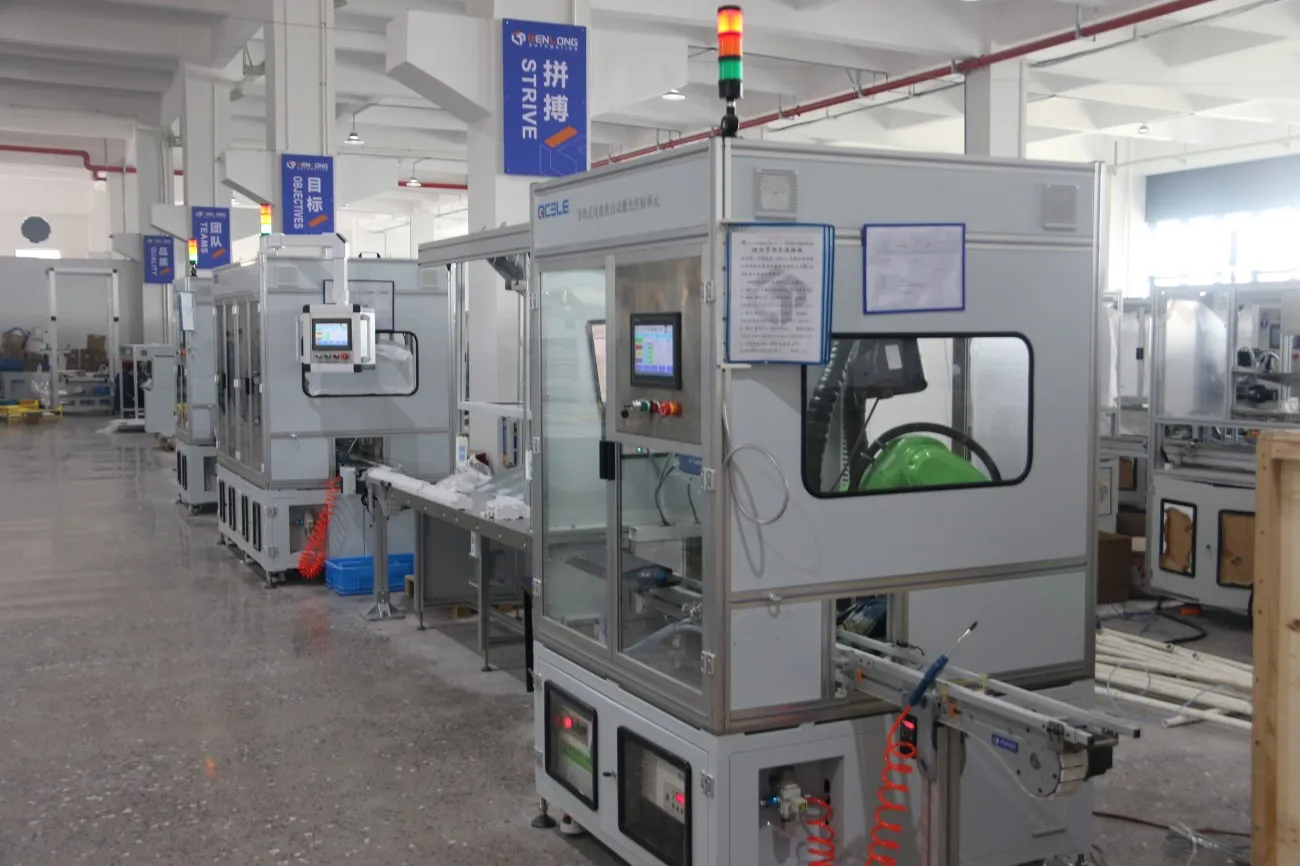
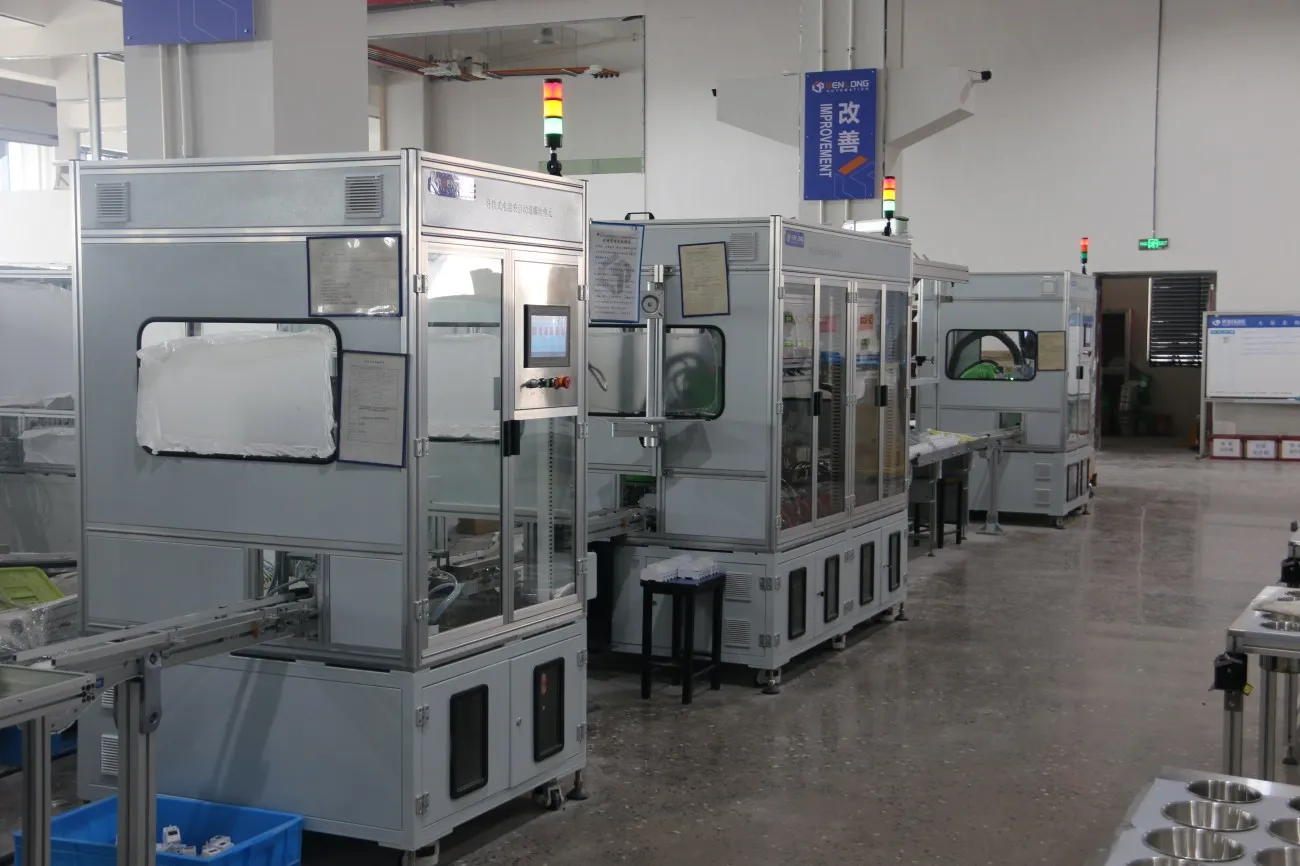
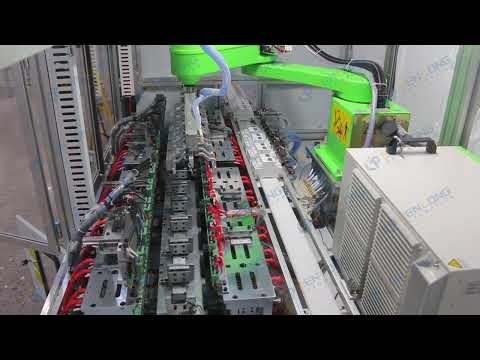
Tek fazlı sayaç otomatik üretim hattı
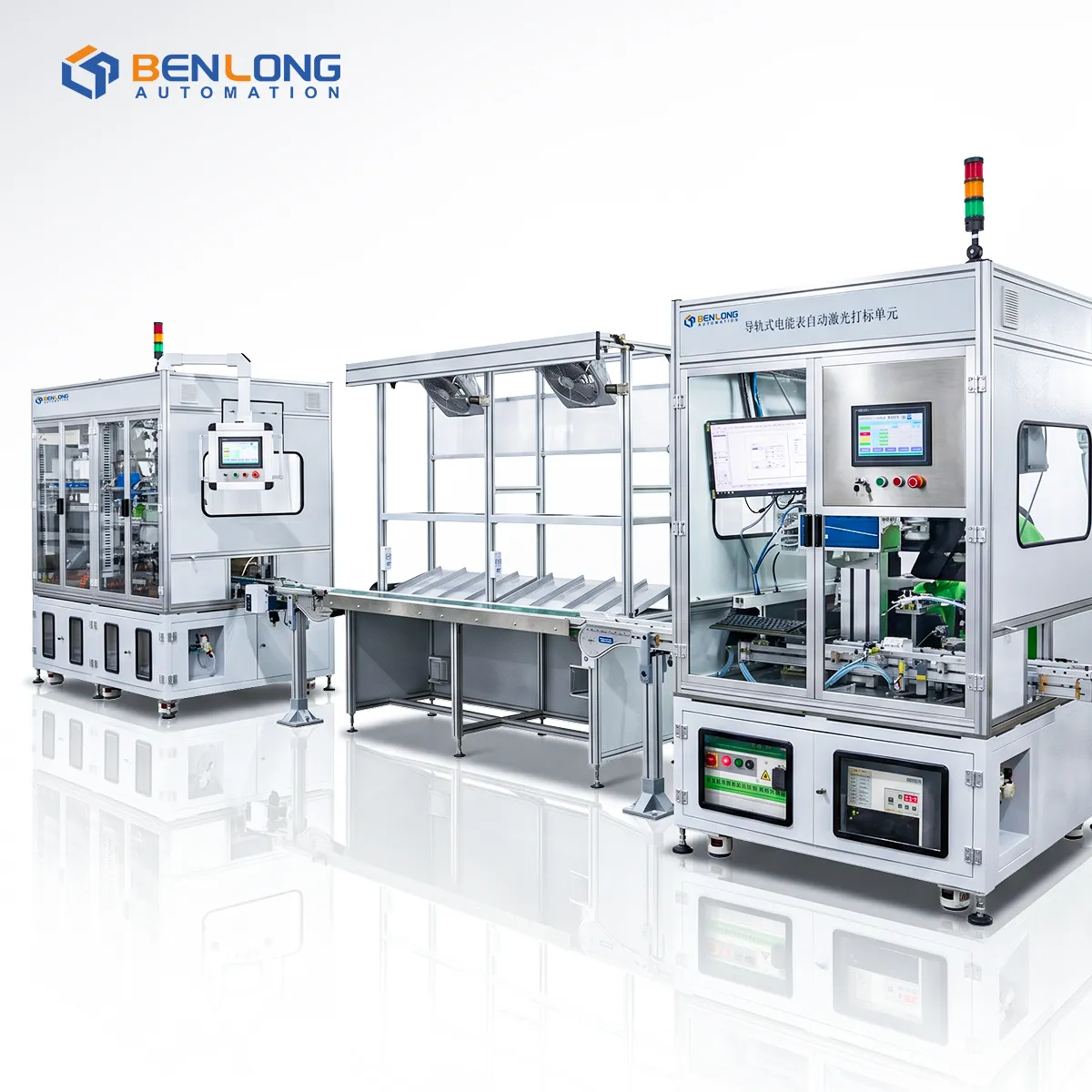
Yarı otomatik kalibrasyon (0,05%), PCBA toz giderme, yüksek gerilim/yalıtım testi, terminal vida tork kontrolü, laboratuvar sınıfı yaşlandırma tezgahı ve MES izlenebilirliği özelliklerine sahip, özel tek fazlı 2P DIN raylı sayaç otomatik üretim hattı. Vardiya başına 800-1500 adet üretim kapasitesi. Yüksek hacimli akıllı sayaç üretimi için idealdir.
Tam Entegre Tek Fazlı DIN Raylı Sayaç Üretim Hattı
Akıllı sayaçların yüksek hacimli üretimi için özel olarak tasarlanan tek fazlı raylı (2P) akıllı sayaç otomatik üretim hattı, otomatik besleme ve manuel montaj istasyonlarının yanı sıra test (terminal vida torku; yarı otomatik kalibrasyon) ve bu akıllı sayaçların üretiminde kullanılan diğer süreçleri de içerir. Komple üretim hattı, sayaç üzerindeki bileşenlerin montajından akıllı sayaçların sevkiyat için kutulara paketlenmesine kadar tüm süreci kapsayarak, üretim sürecinin genel verimliliğini, tutarlılığını ve güvenilirliğini artırır.
Modüler hat, yarı otomatik bir kalibrasyon tezgahını (0,05 % referans doğruluğu ile), otomatik yüksek gerilim ve izolasyon direnci test cihazını ve çok istasyonlu bir yaşlandırma tezgahını (simüle edilmiş yük doğrulaması için) entegre eder; tüm verilerin (metre başına) eksiksiz izlenebilirliğini sağlamak için isteğe bağlı MES bağlantısı da mevcuttur. Bu sayaç üreticisinin üretim hattı, IEC 62053-21/22 ve şebeke kabul standartlarına (Evet) uyarken verimliliği artırır. Konfigürasyona ve otomasyon seviyesine bağlı olarak, vardiya başına tipik üretim aralığı 800 ila 1.500 sayaç arasındadır.
Standart teslimat: 45-60 gün | Yarı otomatik kalibrasyon | Entegre yaşlandırma tezgahı | MES uyumlu

Tek Fazlı Sayaç Otomatik Üretim Hattı Nedir?
Tek fazlı otomatik üretim hattı, konut ve hafif ticari enerji sayaçlarının en yaygın kullanılan formu olan tek fazlı DIN raylı (2P) elektrik sayaçları için modüler bir üretim çözümüdür. Tek fazlı otomatik üretim hattı, aşağıdakiler dahil olmak üzere çeşitli iş istasyonlarından oluşur: sayaç tabanlarının otomatik beslenmesi; manuel veya yarı otomatik montaj (örneğin terminal vidalarının sıkılması); yalıtım arızalarının olmaması için PCBA'nın tozdan arındırılması ve temizlenmesi; aktif ve reaktif enerjinin yarı otomatik kalibrasyonu; dielektrik dayanım (hi-pot) ve yalıtım direnci testi; seri numarası, model numarası ve değerlerin lazerle kazınması; ve uzun vadeli güvenilirliği sağlamak için bir yaşlandırma test düzeneği. Tek fazlı otomatik üretim hattı, vardiya başına 800 ila 1.500 sayaç kapasitesine sahiptir ve tam izlenebilirlik için bir MES'e bağlanabilir. İhtiyaçlarınızı karşılayan özel bir çözüm oluşturduğumuz için, üretim hattı, özel sayaç tasarımınıza, doğruluk sınıfınıza ve iletişim protokollerinize (örneğin RS485, PLC veya kablosuz) göre yapılandırılacaktır.
Esnek üretim için otomatik besleme + manuel montaj hücreleri.
0.05% referans doğruluğu, operatör destekli yükleme/boşaltma.
İyonlaştırıcı hava veya vakum sistemi, yalıtım bütünlüğünü sağlar.
Güvenilirlik doğrulaması için çok konumlu simüle edilmiş yük yaşlandırma testi.
Üretim Hattı Özellikleri ve Proses Akışı




Teknik Özellikler
| Sayaç tipi | Tek fazlı iki telli (2P), DIN rayına monte, direkt veya akım trafosu bağlantısı |
|---|---|
| Kalibrasyon doğruluğu | Referans standardı 0.05% sınıfı; yarı otomatik, operatör destekli |
| Yüksek gerilim testi gerilimi | 4.000 V AC’ye kadar programlanabilir, 1–99 saniye, otomatik başarılı/başarısız değerlendirmesi |
| Yalıtım direnci testi | 500V veya 1000V DC, 100 MΩ'a kadar ölçüm. |
| PCBA toz giderme | İyonlaştırıcı hava üfleme veya vakum, isteğe bağlı HEPA filtreleme – |
| Yaşlandırma test tezgahı | Çoklu konum (48 metreye kadar), programlanabilir voltaj/akım döngüleri, gerçek zamanlı izleme – |
| Vida tork test istasyonu | Terminal vidaları için otomatik veya manuel tork kontrolü (sol ve sağ taraflar) – |
| Lazerle işaretleme | Fiber lazer (20W), seri numarası, derecelendirme, barkod işaretleme – |
| MES entegrasyonu | Metre başına barkod tarama, OPC UA / Modbus TCP üzerinden test verisi yükleme. |
| Güç kaynağı | 380V ±10% 50Hz | Basınçlı hava 0,5-0,7MPa– |
Temel Teknik Avantajlar
Terminal vida torku doğrulama – sol ve sağ taraflar
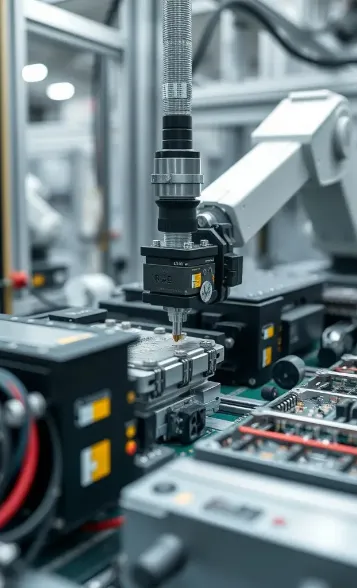
Gevşek terminal vidaları aşırı ısınmaya ve sayaç arızasına neden olur. Hat, hem sol hem de sağ terminal vidalarının sıkma torkunu önceden belirlenmiş bir değere (örneğin, 0,8-1,2 N·m) göre kontrol eden özel bir istasyon (manuel veya otomatik) içerir. Sonuçlar sayaç başına kaydedilir.
PCBA tozunun uzaklaştırılması yüksek gerilim arızalarını önler.
Dielektrik testinden önce, iyonize hava veya vakumlu temizleme istasyonu PCBA üzerindeki toz ve kalıntıları temizler. Bu, kirlenmeden kaynaklanan yanlış yüksek gerilim arızalarını azaltarak ilk geçiş verimliliğini ve ürün güvenilirliğini artırır.
Harici hazne içermeyen laboratuvar tipi yaşlandırma tezgahı
Entegre yaşlandırma test düzeneği, nominal gerilim ve akımı aynı anda birden fazla sayaç üzerine uygulayarak, haftalarca sürecek saha operasyonunu saatler içinde simüle eder. Doğruluk sapmasının ve iletişim kararlılığının gerçek zamanlı izlenmesi, sevkiyat öncesinde erken arızaları tespit eder.
Montajdan sevkiyata kadar eksiksiz MES izlenebilirliği.
Her sayaç, hattın başında benzersiz bir barkod alır. Tüm test sonuçları (tork, kalibrasyon, yüksek gerilim testi, izolasyon, eskime testi) bu barkoda bağlanır ve MES sistemine yüklenir. Elektrik şirketleri ve belgelendirme kuruluşları, uyumluluk için bu verilere ihtiyaç duyar.
















Müşteri Başarı Öyküsü – Yüksek Hacimli Sayaç Üreticisi
Hindistan'da enerji sayaçları tedarik eden önde gelen bir sayaç üreticisi, 2P tek fazlı sayaçlarının (Sınıf 1) üretim kapasitesini vardiya başına 5 bin adetten 12 bin adede çıkarmayı hedefliyordu. Mevcut üretim hattı manuel kalibrasyon kullanıyor ve yaşlandırma testi uygulamıyordu; bu da 21.300 adetlik saha iade oranına yol açıyordu. Benlong, aşağıdaki özelliklere sahip tam otomatik bir sayaç üretim hattı tedarik etti: yarı otomatik kalibrasyon işlemi, PCBA toz giderme sistemi, entegre yaşlandırma tezgahı ve MES bağlantısı. İlk altı ayın sonuçları aşağıdaki gibidir:
Bu hat, 1 yıldan (11 aydan) kısa bir sürede kendi maliyetini karşılayacak ve müşterinin IEC 62053-21 uyumluluğu ve tam izlenebilirlik gerektiren büyük bir kamu hizmeti sözleşmesi almasına yardımcı olacaktır.
Uygulamalar ve Entegrasyon
Özel Mühendislik ve Teslimat
Özel Tek Fazlı Sayaç Üretim Hattı İçin Fiyat Teklifi İsteyin
Mühendislerimiz, yarı otomatik kalibrasyon, toz giderme sistemleri, yaşlandırma tezgahları ve MES entegrasyonu ile donatılmış, size özel bir hat oluşturacaklardır; tasarım, ölçüm özelliklerinize, istenen çıktıya ve iletişim protokolünüze göre yapılacaktır. Mühendislik çıktılarında ayrıca eksiksiz bir yatırım getirisi (ROI) analizi de yer alacaktır.
WhatsApp: +86 150 5837 0007 | E-posta: xsb@benlongkj.cn | İngilizce ve Çince destek
Tek Fazlı Sayaç Hatları İçin Neden Benlong'u Seçmelisiniz?
- 15 yılı aşkın tasarım deneyimi metre üretim ve test hatları enerji ölçüm endüstrisi için
- 0,05% referans doğruluğuna sahip, kanıtlanmış yarı otomatik kalibrasyon
- Entegre PCBA toz giderme, yüksek gerilim (4kV) ve izolasyon test istasyonları
- Gerçek zamanlı izleme özelliğine sahip laboratuvar kalitesinde yaşlandırma düzeneği
- Tam MES izlenebilirliği – barkoddan test verilerine, kamu hizmetleri denetimlerine hazır.
Tipik Özel Hat Şunları İçerir:
Baz metre otomatik besleyiciler; manuel montaj istasyonları; PCBA toz giderme ekipmanı; yarı otomatik kalibrasyon tezgahları (0,05% doğruluk); yüksek voltaj (Hi-pot) ve izolasyon direnci test cihazları; lazer markalama istasyonları; her biri 48 pozisyonlu çok pozisyonlu yaşlandırma test tezgahları; konveyör sistemleri; kullanıma hazır insan makine arayüzleri (HMI) ile programlanabilir mantık kontrolörleri (PLC); barkod okuyucular, cihazlar arasında veya cihazlar ve ilgili yazılımları arasında iletişim sağlar; kurulum ve eğitim hakkında bilgi verilecektir; 1 yıl garanti dahildir.
Sıkça Sorulan Sorular
Düşük akım değerine (tipik olarak 5-100A) ve temel kalibrasyon gereksinimlerine sahip tek fazlı 2P DIN raylı sayaçlar, bu tasarımla kullanılmak üzere özel olarak üretilmiştir. Daha küçük bir alana ihtiyaç duyar ve yüksek hacimli konut sayaç üretimi için verimlilik optimize edilmiştir. Üç fazlı hatlar, daha yüksek akım değerine (120A) sahip 3P/4P sayaçları barındırmak için daha büyük bir alana ihtiyaç duyar ve bu nedenle daha fazla yer kaplar.
İki seçenek mevcuttur. Daha yüksek hacimli montaj hatları için, otomatik tork kontrol istasyonu veya tork sensörlü elektrikli tornavida sunuyoruz. Daha düşük hacimli üretim yapıyorsanız ve otomatik tork el aletlerinin ekstra özelliklerine ihtiyacınız yoksa, manuel tork anahtarı kullanabilir ve tork ölçümünü barkodla kaydedebilirsiniz. Hangi seçeneğin kullanılacağı, çevrim süresini ve maliyeti etkileyecektir.
Eski model tezgah, RS485 (Modbus, DLMS/COSEM), optik port (IEC 62056-21) ve PULSE çıkışları aracılığıyla ölçüm yapma ve sayaçları kaydetme özelliğine sahiptir. Kablosuz modüller (LoRa, NB-IoT) bir seçenektir ancak ek entegrasyon çalışması gerektirir.
Nitekim, yarı otomatik kalibrasyon kabini yerine (kalibre edilmiş tezgah tasarımına uygun olarak) robotik yükleme/boşaltma modülü kullanılabilir. Bu, üretim vardiyası başına/üretim döngüsü başına 15.000 adetten fazla üretim hacmi için önerilir.
8.000 metre ürün üretimi yapan (2 bağımsız vardiya) bir şirket, öncelikle iş gücündeki azalma (4 ila 6 kalibrasyon/test operatörünün ortadan kaldırılması) ve ilk geçiş verimliliğindeki iyileşme sayesinde, yatırım getirisini genellikle 9 ila 14 ay aralığında elde eder.
İlgili Ürünler
Pnömatik Devre Kesici (ACB) Otomatik üretim hattı
Ayrıntıları Görüntüle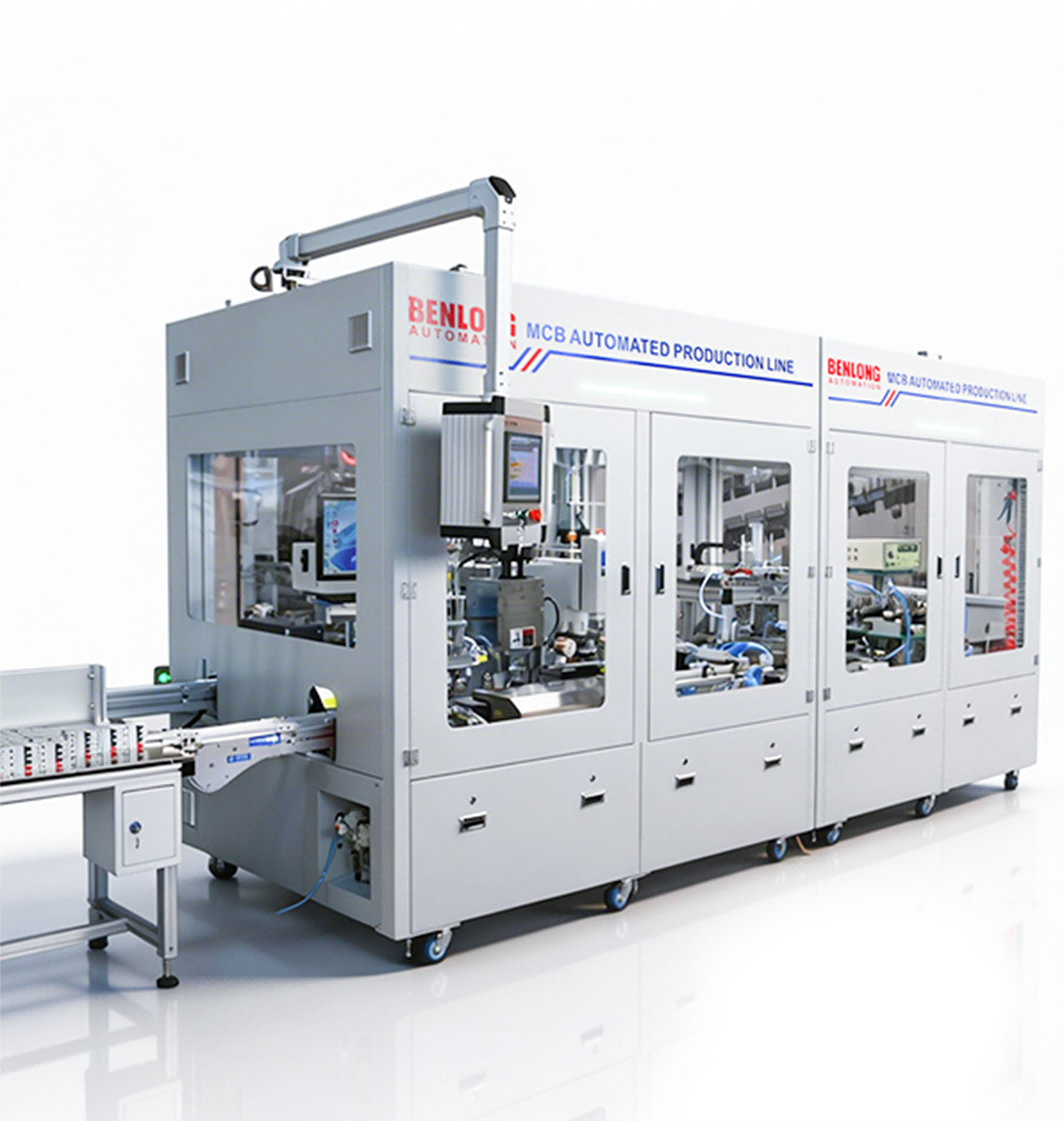
MCB mini üretim hattı entegre makine
Ayrıntıları Görüntüle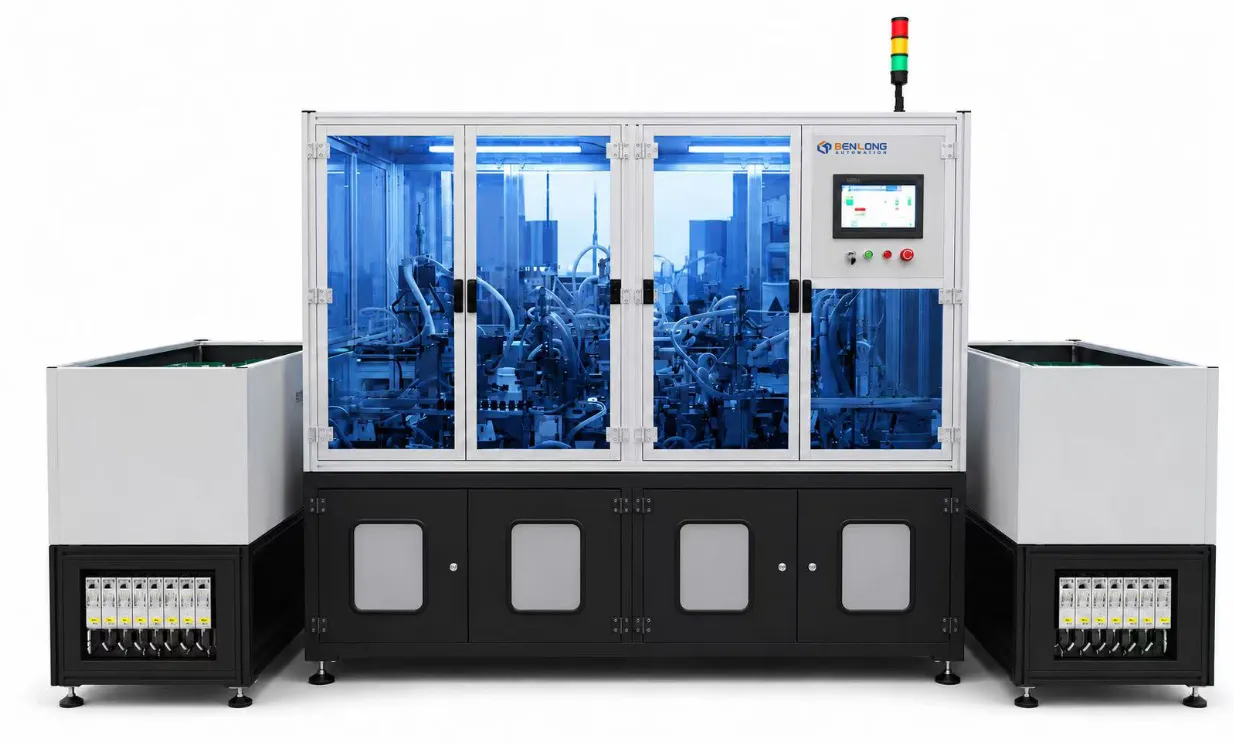
Gösterge ışığı otomatik üretim hattı
Ayrıntıları Görüntüle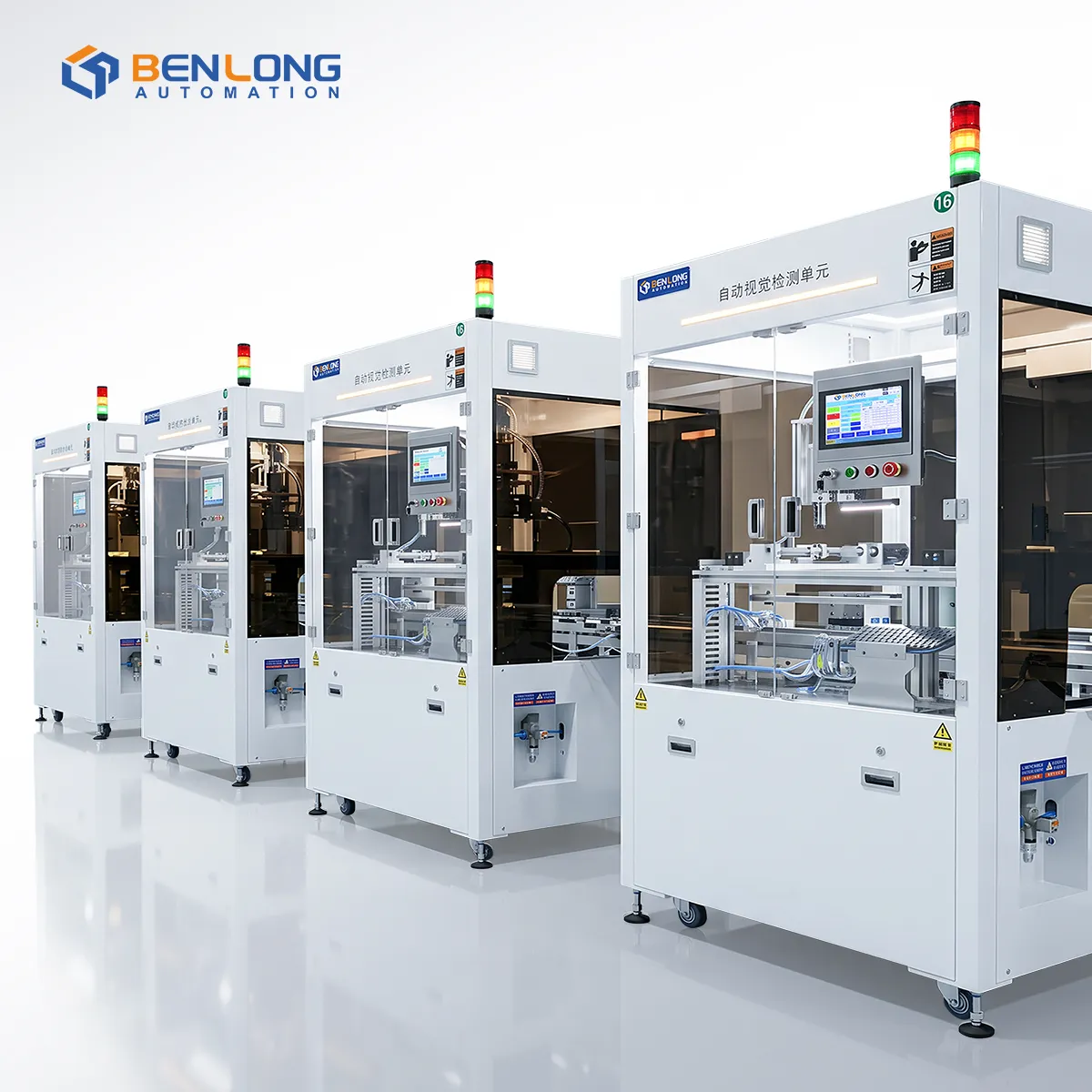
MCCB otomatik üretim hattı
Ayrıntıları Görüntüle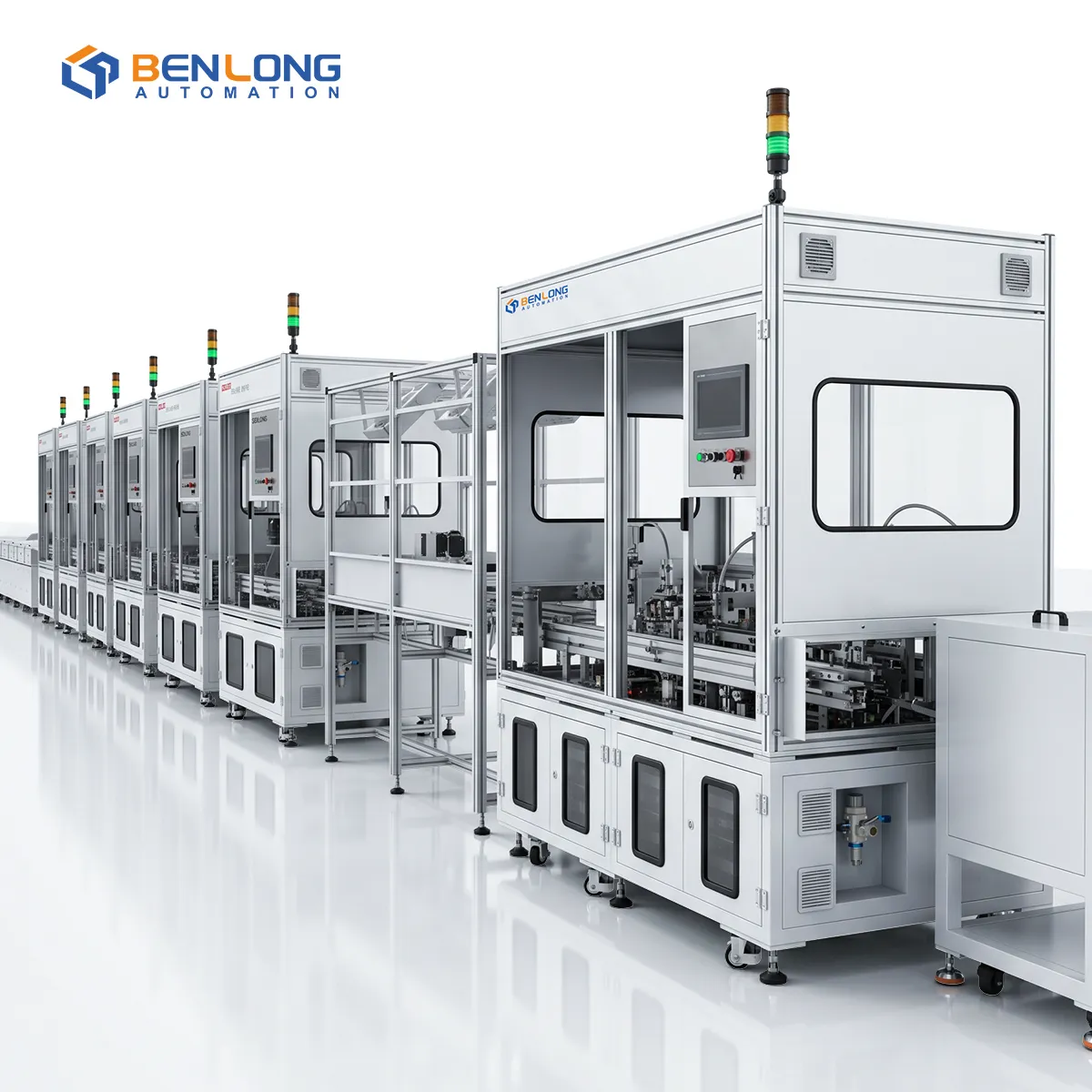
Katı Hal Röleli Otomatik Üretim Hattı
Ayrıntıları Görüntüle