benlong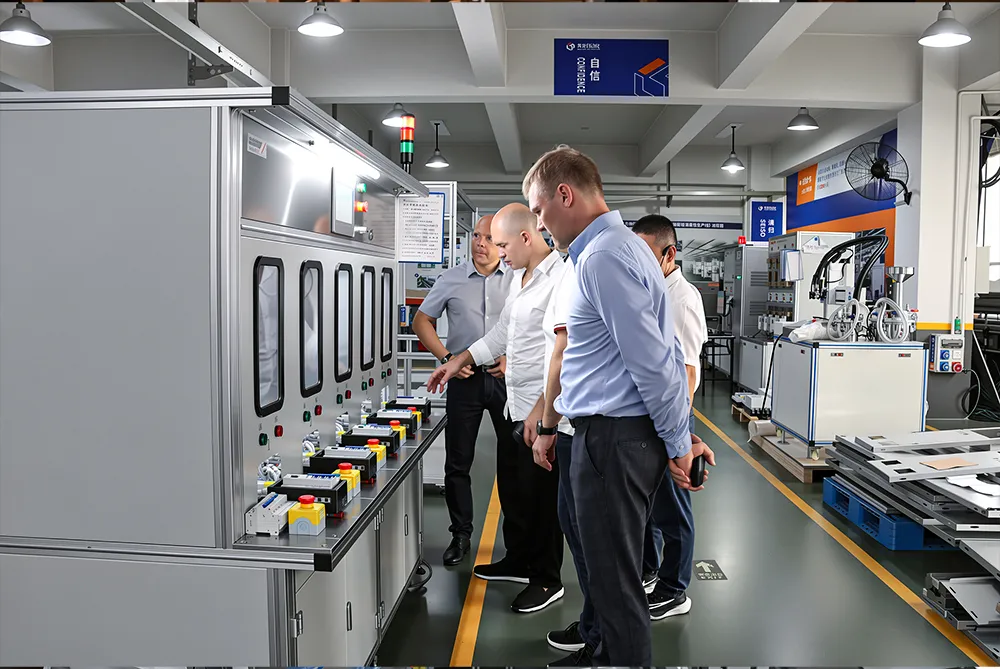
راهنمای ۲۰۲۵: چگونه بهطور مؤثر دستگاههای تست کلیدهای VCB را آزمایش کنیم؟
هزینه خرابی در میدان: یک نشت خلاء تشخیصنشده در یک VCB ۲۴ کیلوولت منجر به عدم قطع یک اتصال کوتاه شد. این قطعی پست برق بیش از ۱٫۴۴ میلیون پوند برای شرکت برق ما هزینه داشت و ما بهدلیل رویههای آزمایشیمان متوجه آن نشدیم. – مهندس نگهداری، شرکت برق منطقهای.
آزمایش یک کلید قطعکننده VCB با آزمایش یک کلید مدار ولتاژ پایین یا کلید محافظتی (MCB) یکسان نیست. VCBها در سطوح ولتاژ بالا/متوسط (معمولاً بین ۱۲ کیلوولت و ۲۴ کیلوولت) کار میکنند و از قابلیت قطعکننده خلأ برای عملکرد صحیح بهره میبرند. در سال ۲۰۲۵، با پیادهسازی اتوماسیون شبکههای الکتریکی، ضروری است تجهیزات خاصی در دسترس باشد تا عملکرد صحیح VCBها را تضمین کند؛ این تجهیزات باید بتوانند یکپارچگی خلأ VCB، عملکرد مکانیکی، مقاومت عایقی و سایش تماس را مطابق با استاندارد IEC 62271-100 با دقت تأیید کنند. این مقاله پنج تأییدیه اصلی را که باید برای آزمایش ... انجام دهید، تشریح میکند. آزمایش بریکر VCB تجهیزات.
این راهنما موارد زیر را پوشش میدهد:
- پنج آزمون ضروری برای دستگاههای آزمون کلیدهای VCB (و نحوه انجام آنها)
- پارامترهای زیر برای اندازهگیری موفق ضروری هستند: سطح خلأ؛ حرکت تماس؛ سرعت باز/بسته شدن؛ و مقاومت عایق.
- چگونه نتایج را بر اساس استانداردهای IEC 62271-100 تفسیر کنیم
- اشتباههای رایج و نحوه جلوگیری از آنها
- پرسشهای متداول درباره تست VCB پاسخدادهشده توسط مهندسین
درک کنید VCB چیست و چرا آزمایش آن اهمیت دارد
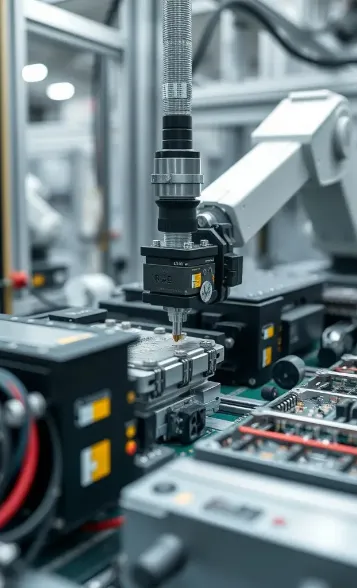
قبل از پرداختن به روشهای آزمون، مهم است به یاد داشته باشیم که VCB مخفف «شستی قطعکننده خلأ» است. یک شستی قطعکننده خلأ دارای دستگاهی از نوع خلأ است که هنگام باز شدن تماسها در شرایط خطا، قوس را خاموش میکند. برخلاف یک کلید مایع یا هوایی، کلید مینیاتوری خلأ هیچ قوس قابل رؤیتی نخواهد داشت و به نگهداری حداقلی نیاز دارد. با این حال، آزمایش کلید مینیاتوری خلأ مهم است زیرا مقدار بسیار کمی خلأ میتواند این کلید را از قطع یک خطا ناتوان سازد. ایستگاههای تست خودکار در خط تولید خودکار برای آزمایش کلیدهای اتوماتیک خلأ تعبیه شدهاند که در حین تولید، این ویژگیها را به صورت خودکار تأیید میکنند.

پنج آزمون ضروری برای دستگاههای آزمون کلیدهای VCB
برای انجام آزمون کامل Breaker در تمامی VCBها، باید پنج اعتبارسنجی انجام شود. هر قطعه تجهیزات باید این اعتبارسنجیها را یا یکبار پس از آزمون هر قطعه و یا بهطور منظم بر اساس آنچه در استاندارد IEC 62271-100 آمده است، پشت سر بگذارد.
آزمایش یکپارچگی وکیوم (تشخیص نشت)
آنچه اندازهگیری میکند: فشار قطعکنندهٔ خلأ باید کمتر از 1.33 × 10⁻³ پاسکال باشد تا از بازرسی عبور کند. این آزمون با استفاده از یک مگنترون یا تستکنندهٔ خلأ با ولتاژ بالا انجام میشود، بهطوریکه ولتاژ بالایی (تا 70 کیلوولت) اعمال شده و جریان انتشار از طریق تماسهای قطعشونده اندازهگیری میشود. اگر جریان از آستانهای مشخص (مثلاً ۱۰ میکروآمپر یا کمتر برای قطعکنندهٔ خلأ ۱۲ کیلوولت) فراتر رود، خلأ دچار اختلال شده است. آزمون تنها در صورتی قابل قبول است که هیچ تخلیهٔ مداوم یا تابش اشعهٔ ایکس خارج از محدودههای تعیینشده وجود نداشته باشد.
یک اشتباه رایج در این آزمایشها، انجام آزمایش تنها در شرایط محیطی و بدون بررسی پس از یک چرخه حرارتی (در صورت امکان) است. انجام آزمایش فقط در شرایط محیطی منجر به نتایج نادرست میشود.
آزمایش مشخصه مکانیکی (دامنه، سرعت، زمانبندی)
آنچه اندازهگیری میکند: انواع سفرها شامل تماس (استروک)، فراسفر، زمان باز شدن، زمان بستهشدن و سرعت متوسط حرکت هستند.
برای انجام آزمایشهای حرکت: یک مجموعه تست VCB یک حسگر خطی را به تماس متحرک متصل میکند و دستوری برای باز/بسته کردن کلید صادر میکند. نتایج به صورت منحنی ثبت خواهند شد. برای یک VCB ۱۲ کیلوولت، باید استروک تماس بازشونده را ۸–۱۲ میلیمتر، زمان باز شدن ۳۰–۶۰ میلیثانیه و زمان بستن ۵۰–۸۰ میلیثانیه بپذیرید.
اهمیت تستهای سفر: باز شدن آهسته انرژی قوس بیش از حد تولید میکند، در حالی که بستن سریع منجر به بازتاب یا جوش خوردن کنتاکتها میشود.
آزمایش عایقکاری ولتاژ بالا (ولتاژ قابل تحمل)
آنچه اندازهگیری میکند: مخترب و تکیهگاههای عایقکاری آزمونهای مقاومت دیالکتریک را پشتیبانی میکنند.
چگونه انجام میشود؟ ولتاژ ۴۲ کیلوولت (برای VCB ۲۴ کیلوولت) یا ۲۸ کیلوولت (برای VCB ۱۲ کیلوولت) را به مدت ۶۰ ثانیه بین کنتاکتهای باز؛ بین هر قطب و زمین اعمال کنید. نباید هیچ قوس الکتریکی یا جریان نشتی بیش از حد مجاز تولیدکننده (معمولاً کمتر از ۲ میلیآمپر) وجود داشته باشد. (یادداشت اتوماسیون: تستکنندههای عایق خطی در خط تولید (مانند آنهایی که در خط تولید خودکار VCB وجود دارد) این تست را به عنوان 100% در پایان مونتاژ بر روی هر واحد انجام میدهند.)
آزمایش مقاومت تماس (مقاومت حلقه)
آنچه اندازهگیری میکند: مقاومت مدار اولیه بسته از ترمینال به ترمینال (شامل قطعکننده خلأ). مراحل زیر را اجرا کنید: از میکرو اهممتر (جریان مستقیم ۵۰–۱۰۰ آمپر) استفاده کنید. برای VCBها، مقاومت حلقه قابل قبول برای واحدهای ‘جدید’ عموماً باید کمتر از ۵۰ میکرو اهم و برای واحدهای در سرویس کمتر از ۱۰۰ میکرو اهم باشد.
تفسیر روند مقاومتی صعودی نشاندهنده یا فرسایش سطوح تماس یا ناهماهنگی اتصال مکانیکی است.
آزمون دوام مکانیکی (چرخه عمر)
آنچه اندازهگیری میکند: این آزمون توانایی یک دستگاه را برای تحمل عملیات مکانیکی متعدد بدون خرابی میسنجد. روش آزمون شامل استفاده از یک سیستم آزمون خودکار است که کلید اتوماتیک را به تعداد مشخصی بار باز و بسته میکند (طبق استاندارد IEC 62271-100؛ M1 – 10,000 چرخه؛ M2 – 30,000 چرخه). در این فرایند، سیستم آزمون پارامترهای زیر را اندازهگیری میکند: زمان باز شدن، زمان بستن و میزان سایش روی تماسهای کلید. هنگامی که یک کلید مینیاتوری ۱۰٬۰۰۰ بار آزمون شود، انتظار میرود افزایش زمان باز شدن آن کمتر از ۵۱TP3T باشد.
چگونه یک دستگاه تست فیوز قطعکن VCB را انتخاب و اعتبارسنجی کنیم
هنگام ارزیابی انتخاب دستگاه تست بریکر، ویژگیهای زیر باید بهعنوان مناسب برای استفاده با VCBها در محیط تولید یا برای نگهداری میدانی در نظر گرفته شوند:
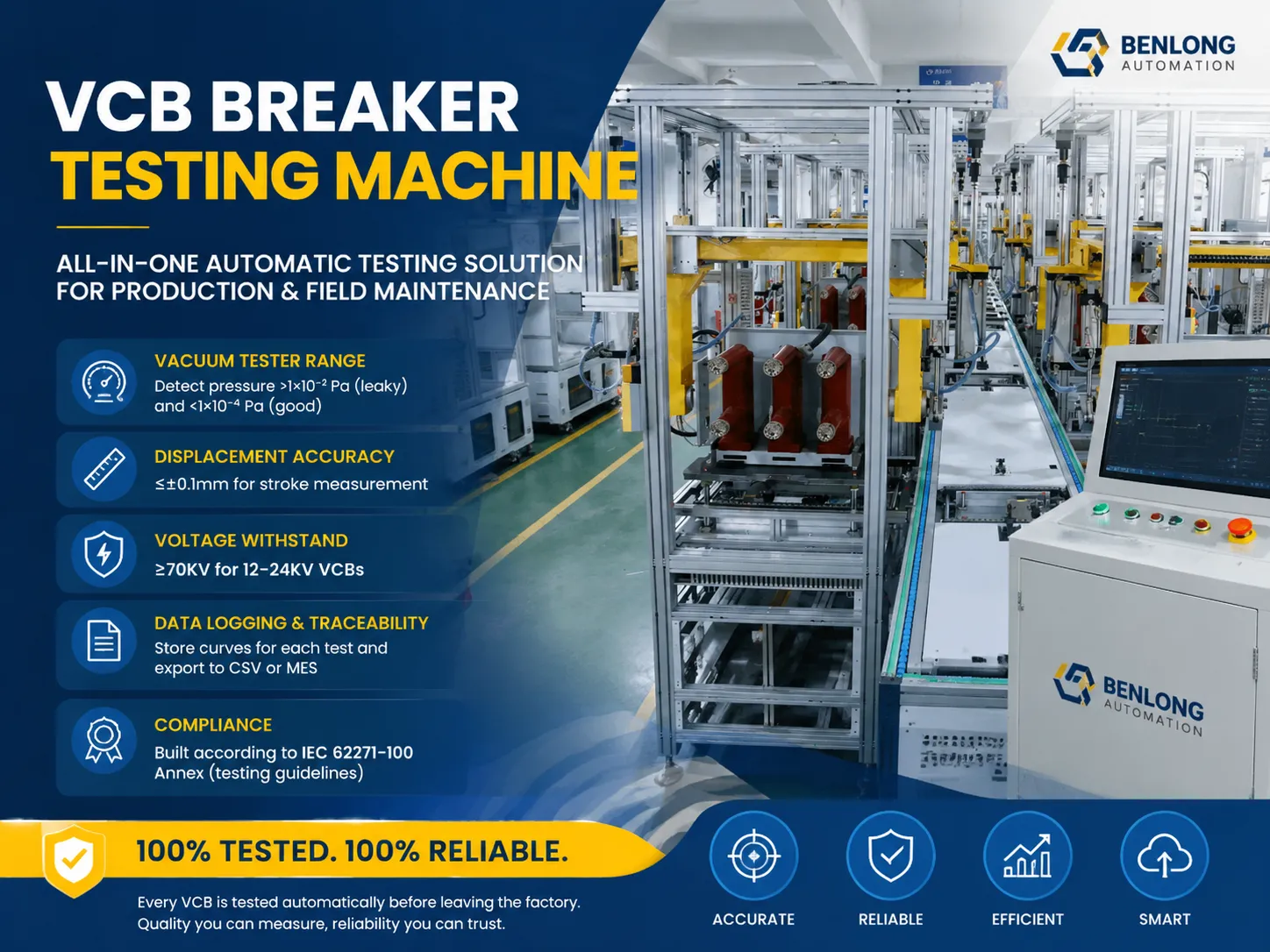
- محدوده تستر خلأ: باید قادر باشد فشار >1×10⁻² پاسکال (نشتدار) و <1×10⁻⁴ پاسکال (خوب) را تشخیص دهد.
- دقت سنسور جابجایی: برای اندازهگیری کورس، ≤±۰.۱ میلیمتر.
- توانایی تحمل ولتاژ: حداقل ۷۰ کیلوولت برای VCBهای ۱۲–۲۴ کیلوولت.
- ثبت داده: باید منحنیها را برای هر آزمون ذخیره کرده و به CSV یا مستقیماً به MES صادر کند.
- انطباق: ساختهشده مطابق ضمیمه IEC 62271-100 (راهنمای آزمونها).
طبق گفته بنلونگ اتومیشن، خط تولید آنها آزمایشهای فوق را در یک فرآیند یکپارچه و روان ترکیب میکند و همه VCBها (شستیهای قطعکننده خلأ) مدل 100% پیش از خروج از کارخانه بهطور خودکار آزمایش میشوند.
اشتباهات رایج در تست VCB و نحوه جلوگیری از آنها
- اشتباه ۱: آزمون یکپارچگی وکیوم با مگگر (تستکننده عایق) سنتی انجام شد. میتوان این روش را با استفاده از یک تستکننده مستقل وکیوم که ولتاژ بالا (جریان متناوب یا مستقیم) را بین کنتاکتهای باز اعمال میکند، به جای اتصال به زمین (ارت)، بهبود بخشید.
- اشتباه شمارهٔ ۲: ثبت نکردن منحنیهای حرکت تماس: یک مقدار “استروک” بهتنهایی کافی نیست. شما باید همیشه کل منحنی حرکت در مقابل زمان را ثبت کنید، زیرا این منحنی نشاندهندهٔ بازپرشی، فراگذری و لرزش تماس است.
- اشتباه ۳: در نظر نگرفتن تنظیم دما برای مقاومت تماس. در مس، مقاومت الکتریکی به ازای هر درجه سانتیگراد 0.4% تغییر میکند. راهحل: دما را اندازهگیری کنید یا مقدار را بر اساس نقطه مرجع ۲۰ درجه سانتیگراد تنظیم کنید.
سوالات متداول (FAQ)
آزمایش VCB چیست؟
آزمایش VCB این مجموعه کامل برنامههای آزمون تأیید صحت الکتریکی و مکانیکی است که بر روی یک قطعکنندهٔ خلأ انجام میشود تا قابلیت آن در قطع ایمن جریانهای اتصالکوتاه و تحمل ولتاژهای عملیاتی عادی تأیید گردد. این مجموعه شامل چهار آزمون است: آزمون یکپارچگی خلأ (تشخیص نشت هوا)، آزمون تحمل ولتاژ عایقی، اندازهگیری مقاومت تماس و آزمونهای مشخصههای مکانیکی (زمانهای باز و بسته شدن، کورس، سرعت). این آزمونها در استاندارد IEC 62271-100 تعریف شدهاند، در آزمونهای تایپی الزامی هستند و اغلب به عنوان آزمونهای روتین تولید انجام میشوند.
VCB برای چه کاری استفاده میشود؟
استفاده از VCBها (شستیهای مدارشکن خلأ) در کلیدزنی و حفاظت مدارهای الکتریکی ولتاژ متوسط (MV) که حداکثر ولتاژ آنها 40.5 کیلوولت است، عمدتاً برای کاربردهای زیر است: (۱) سیستمهای توزیع اصلی در کارخانههای صنعتی (۲) کلیدزنی مرتبط با پستهای برق شهری (۳) سیستمهای برقرسانی راهآهن (۲۵ کیلوولت AC) (۴) ژنراتورهای توربین بادی (۵) بانکهای خازنی. ترجیح استفاده از کلیدهای قطعکننده خلأ (VCB) به دلیل عدم نیاز به نگهداری (یعنی بدون روغن و SF6)، عمر الکتریکی بسیار زیاد (۳۰٬۰۰۰ سیکل) و قابلیت اطمینان بالا و مستحکم آنهاست.
چگونه VCB را بررسی کنیم؟
برای بررسی VCB، به یک ابزار تخصصی نیاز دارید. آزمایش بریکر set. روند گامبهگام به شرح زیر است:
- VCB را ایزوله کرده و تمام بار خازنی را تخلیه کنید (طبق روش قفل/برچسب).
- بازرسی چشمی برای ترکها روی پوشش شیشهای یا سرامیکی قطعکننده خلأ را انجام دهید.
- با استفاده از دستگاه تست HV مجهز به مگنترون، یک بررسی یکپارچگی تست خلأ انجام دهید؛ ولتاژهای بالاتر را از طریق کنتاکتها اعمال کرده و هرگونه نشت را پایش کنید.
- مقاومت تماس را با یک میکرو اهمسنج (۵۰–۱۰۰ آمپر جریان مستقیم) اندازهگیری کنید.
- یک آزمون عملیاتی مکانیکی را با ثبت مجموع زمان باز شدن، مجموع زمان بستن، طول کورس و سرعت متوسط با کمک یک مبدل جابجایی انجام دهید.
- یک آزمون عایقکاری ولتاژ بالا (یعنی آزمون مقاومت در برابر ولتاژ فرکانس شبکه) را بین دو فاز و همچنین بین فاز و زمین انجام دهید.
تمام نتایج باید با برگهٔ دادهٔ سازنده یا معیارهای پذیرش IEC 62271-100 مقایسه شوند.
VCB در برق مخفف چیست؟
مهندسی برق شامل نامهایی مانند VCB است که مخفف “قطعکنندههای مدار خلأ” میباشد. یک قطعکننده مدار خلأ در واقع یک کلید الکتریکی است که بهگونهای ساخته شده تا در صورت بروز خطا بتواند مدار الکتریکی را بهسرعت قطع کند و بدین ترتیب از آسیب دیدن خطوط یا دستگاههای الکتریکی در اثر جریان بیش از حد جلوگیری نماید. در این دستگاهها، نحوه عملکرد از طریق استفاده از یک محفظه سرامیکی یا شیشهای برای دربرگرفتن دو مجموعه تماس جداگانه (“تماس ثابت” و “تماس متحرک”) است؛ هنگامی که تماسها به دلیل افزایش توان یا جریان بیش از حد (مانند مثال بالا) از هم جدا میشوند، یک قوس الکتریکی آنی بین دو مجموعه تماس ایجاد میشود که در عرض میلیثانیهها خاموش میشود. به همین دلیل، این نوع دستگاههای الکتریکی در کاربردهایی با ولتاژ بین ۳.۶ کیلوولت و ۴۰.۵ کیلوولت (که به آنها کاربردهای “ولتاژ متوسط” گفته میشود) غالب هستند.
رویکرد صحیح برای آزمون VCBها در سال ۲۰۲۵ شامل داشتن یک روش نظاممند برای ارزیابی یکپارچگی کامل خلأ، قطعات مکانیکی، قابلیت عایقی، مقاومت تماس و دوام مکانیکی است. تمام آزمایشها باید با استفاده از تجهیزات مناسب از جمله دستگاه تست خلأ مگنترون، ترانسدیوسر حرکت، میکرو اهممتر و مجموعه ولتاژ بالا انجام شوند و نتایج مطابق با استاندارد IEC 62271-100 تفسیر گردند. برای تولید انبوه VCBها، خطوط تست یکپارچه کلیدشکن وجود دارند، مانند خط تولید کاملاً خودکار جدید VCB، که به طور قابل اعتماد و مداوم هر یک از ۵ تست فوق را خودکارسازی میکنند و ضمن تضمین قابلیت ردیابی بازرسی و دادهها (100%)، روزانه ۲۵ تا ۳۰ VCB را در هر شیفت تولید مینمایند. چه به عنوان مهندس در یک شرکت خدمات عمومی کار کنید و چه مسئول ساخت و آزمایش VCBها باشید، این سند ارائه شده است تا اطمینان حاصل شود که در صورت وقوع هر یک از خطاهای آزمایش VCB فوق، بتوانید از پیامدهای پرهزینه جلوگیری کنید.