benlong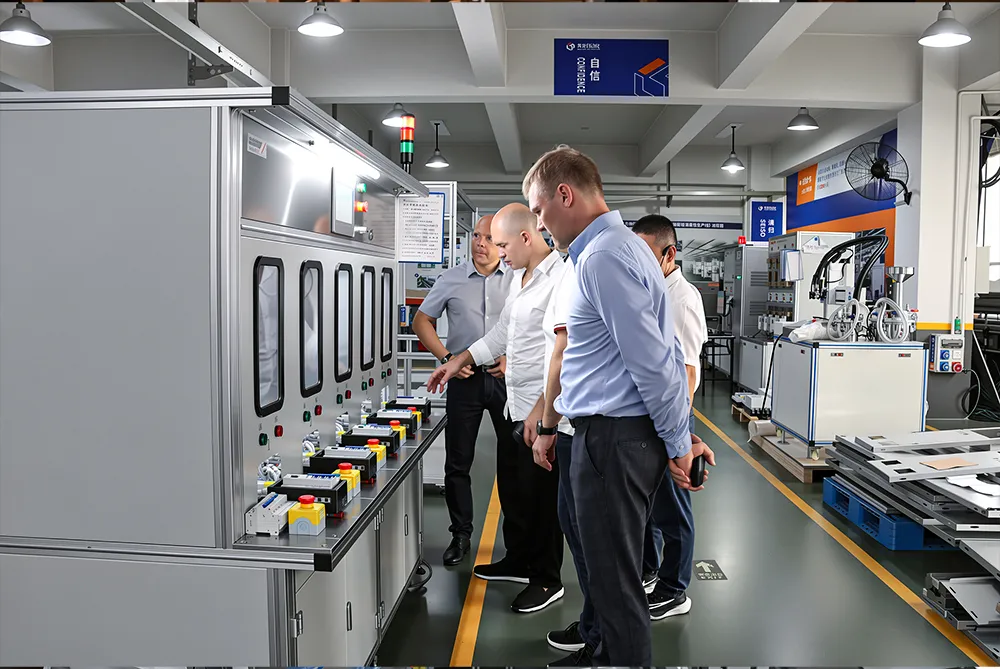


أفضل 10 آلات تثبيت قواطع الدائرة الكهربائية (MCB) لعام 2025 من أجل حلول كهربائية فعالة
صوت حقيقي من خط الإنتاج: “نقوم بتثبيت 20,000 قاطع تيار صغير (MCB) يوميًا، لكننا نواجه باستمرار مشكلة الوصلات المفكوكة أو المتصدعة. وما زلنا نأخذ عينات من طراز 10% من كل دفعة، ومع ذلك لا نزال نفوت بعض العيوب.” – مدير الإنتاج في مصنع متوسط الحجم لإنتاج المعدات الكهربائية ذات الجهد المنخفض.
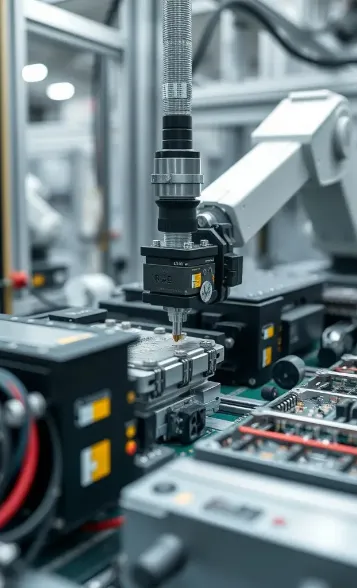
سيؤثر اختيار آلة التثبيت المناسبة لاستخدام MCB بشكل مباشر على مقاومة التلامس، والمتانة الميكانيكية، ومعدل الإنتاج في المرة الأولى. اعتبارًا من عام 2025، أدى تطور قواطع التيار الكهربائي المصغرة (MCB) إلى منتجات مدمجة ذات قدرة قطع عالية إلى تطور النظرة إلى آلات التثبيت باعتبارها أدوات تغيرت تقنياتها من عملية الختم الهوائية الأساسية، وستستخدم الآن مزيجًا من تقنيات التثبيت الحديثة التي يتم التحكم فيها بقوة مؤازرة، وأنظمة المراقبة المدمجة في خط الإنتاج، وإمكانية التتبع الكامل لكل برشام يتم تثبيته على أي من هذه المنتجات.
تساعدك هذه المقالة على:
- فهم معايير اختيار أنظمة MCBS لمختلف التطبيقات التي تستخدم التجميع بالبرشام (الجانب الثابت، والجانب القابل للتشغيل، والمكونات المصنوعة من مادتين).
- تجنب الفخاخ الرديئة – لماذا تفشل بعض آلات التثبيت في أداء مهمتها ±0.1 مم بعد 6 أشهر
- احصل على قائمة مراجعة جاهزة للاستخدام لفحص مطابقة آلات التثبيت بالبرشام
- قرر ما إذا كنت بحاجة إلى خدمة عبر الإنترنت مراقبة القوة والإزاحة

لماذا يجب إعادة تقييم آلات التثبيت بالبرشام من طراز MCB في عام 2025؟
تتميز آلات التثبيت الهوائية التقليدية بثلاثة عيوب متأصلة:
| عيب | النتيجة |
|---|---|
| قوة التثبيت التي لا يمكن التحكم فيها | تباين القوة ±20% → مسامير برشام مفكوكة أو متصدعة |
| لا توجد معلومات عن الإزاحة | يتعذر التحقق من ثبات المسامير – يعتمد الأمر على الفحص اليدوي |
| لا يتم تسجيل البيانات | عدم إمكانية التتبع عند حدوث عيب في إحدى الدفعات |
فرضت الشركات الرائدة في تصنيع قواطع الدائرة المصغرة (MCBs)، مثل CHINT وDELIXI وLIANGXIN، متطلبًا صريحًا بحلول عام 2025 يقضي بأن يقوم موردوها بمراقبة منحنيات القوة-الإزاحة وتحميلها خلال عمليات تدقيق الموردين. وبالتالي، تستخدم جميع هذه الحلول العشرة مكابس مؤازرة عالية الدقة، في حين لا يستخدم أي من الطرازات الموصى بها هنا تصميمات تعمل بالهواء المضغوط فقط.
أفضل 10 حلول تثبيت بمسامير من نوع MCB لعام 2025 (حسب الاستخدام)
| # | نوع المعدات | التطبيق | المواصفات الرئيسية | الأفضل لـ |
|---|---|---|---|---|
| 1 | مكبس مؤازَر أحادي المحطة | موصل ثابت، طرف توصيل | دقة القوة ±1% FS، تكرار الإزاحة ±0.01 مم | الدُفعات الصغيرة / التبديلات المتكررة |
| 2 | آلة تثبيت بالمسامير ذات المنصة المزدوجة | جهة تلامس متحركة + زنبرك | دورة ≤3 ثوانٍ لكل قطعة، تثبيت برشامين في وقت واحد | نوع واحد ذو حجم كبير |
| 3 | آلة تثبيت المسامير الخاصة بتجميع المعدن الثنائي | شريط ثنائي المعدن + طرف توصيل | التحكم في القوة + المساعدة في التسخين (مضاد للتقصف) | وحدة القطع الحرارية المغناطيسية |
| 4 | مركز تثبيت بالبرشام رباعي المحاور | قاطع الدائرة الأوتوماتيكي متعدد الأقطاب (MCB) 1P/2P/3P/4P | تم تثبيت جميع الأعمدة بالبرشام في عملية تثبيت واحدة | مُدمجة في خطوط التجميع الآلية |
| 5 | نوع المراقبة عبر الإنترنت للقوة والإزاحة | جميع نقاط التثبيت الحاسمة | يقوم بإنشاء منحنى القوة-الإزاحة، ويرفض تلقائيًا القيم غير المقبولة | يلزم إجراء فحص 100% |
| 6 | آلة مدمجة تجمع بين التثبيت بالمسامير والرؤية | مظهر وارتفاع البرشام بعد التثبيت | التفتيش أثناء الدورة، معدل الرفض الخاطئ <0.2% | الاستغناء عن الفحص البصري اليدوي |
| 7 | آلة تثبيت المسامير المدارية ذات المحرك المؤازر (بدون صدم) | هيكل من السيراميك أو مجموعة هشة | تشكيل شعاعي، دون إحداث أي تلف في الهيكل | مفتاح قطع التيار (MCB) عالي الجودة للتيار المستمر (DC) / الطاقة الكهروضوئية (PV) |
| 8 | آلة تثبيت بالبرشام ثنائية الضغط 1 إلى 2 | نقاط التثبيت المتماثلة | الضغط المتزامن، يزيل القوة الجانبية | الاتصال بالدعم الفني والرافعة |
| 9 | محطة عمل مخصصة للتثبيت بالبرشام الدقيق على سطح الطاولة | نماذج تجريبية معملية، قطع غيار | المساحة المطلوبة <0.5 متر مربع، وقت التبديل <5 دقائق | البحث والتطوير، ورشة الصيانة |
| 10 | وحدة تثبيت بالبرشام الذكية المدمجة في نظام MES | إمكانية التتبع الكاملة للخط الإنتاجي | يتم تحميل بيانات مثيرة للاهتمام → يحصل كل قاطع دوائر رئيسي (MCB) على “شهادة ميلاد” | مصنع «لايت هاوس» / ورشة العمل الرقمية |
إشعار هام: يمكن شراء جميع الآلات المذكورة أعلاه من شركة “بنلونغ أوتوماتيون” كحلول مصممة خصيصًا. نحن لا نقدم آلات تثبيت «عامة» جاهزة للاستخدام. بل نقدم أنظمة كاملة تتراوح من نظام تثبيت أوتوماتيكي بالكامل إلى خط كامل من الآلات بناءً على نوع MCB الذي تستخدمه، وحجم المسامير التي ترغب في استخدامها، وعدد المسامير في الدقيقة التي تريدها لإنجاز مهمتك.
المؤشرات الرئيسية للاختيار (اسأل كل مورد)
- تكرار القوة – قم بتشغيل 50 دورة بقيم القوة المقدرة 30% و70% و100%؛ يرجى مؤشر CPK ≥1.33.
- تكرار الإزاحة – الانحراف الأقصى ≤±0.01 مم أكثر من 50 دورة.
- معدل أخذ العينات للقوة-الإزاحة – أوصي ≥1000 هرتز لتسجيل حالات الكسر الهش.
- وقت التغيير – التبديل الذي يتم التحكم فيه بواسطة المعلمات (دون استخدام أدوات يدوية).
- أدلة MTBF – يجب على المورد تقديم بيانات من ثلاثة عملاء على الأقل.
حالة عميل حقيقية (شركة بنلونغ للأتمتة، بيانات عام 2024)
عميل: الشركة: شركة متوسطة الحجم متخصصة في تصنيع قواطع الدائرة الكهربائية (MCB)، وتقع في مقاطعة جيلين، الصين. (تم حذف اسم الشركة)
واجهت شركة متوسطة الحجم متخصصة في تصنيع قواطع الدائرة المعيارية (MCB)، ومقرها في مقاطعة جيلين الصينية، مشكلة خطيرة مع أحد عملائها الرئيسيين تتعلق بانفصال المسامير المعدنية عن منتجاتها بسبب عدم تلامسها بشكل كامل مع المنتج بعد تجميعه.
وقد حلت الشركة المصنعة هذه المشكلة من خلال إنجاز مشروع لتركيب مكبس مؤازر مزود بنظام مراقبة القوة والإزاحة عبر الإنترنت. وتم دمج هذا الحل في خط الإنتاج شبه الآلي الحالي لديها، مما أتاح تنفيذ عملية الإنتاج بالكامل في ظل رقابة صارمة على الجودة.
تشير النتائج المستخلصة من الأشهر الثلاثة الأولى من استخدام المكبس المؤازر إلى أن معدل الرفض الناتج عن انفصال المسامير يبلغ الآن 0%، وأنه لم يتم رفض أي منتجات من قبل العميل منذ تركيب الجهاز.
| متري | قبل | بعد |
|---|---|---|
| معدل عيوب التثبيت | 0.8% | 0.08% |
| تردد أخذ العينات | القطعة الأولى + 10 قطع كل ساعة | 5 قطع كل ساعتين (ثق بالآلة) |
| الخسارة الشهرية من الخردة | ≈ $4,500 | ≈ $450 |
| فترة استرداد تكلفة المعدات | 9 أشهر (محسوبة بناءً على الوفورات الناتجة عن الخردة فقط) | |
وقد طلب العميل ما مجموعه ست آلات إضافية منذ طلبه الأصلي، وهو يستخدمها حالياً لتثبيت المسامير في قواطع التيار المتبقي الإلكترونية الخاصة به.
الأسئلة الأكثر شيوعًا (FAQ) التي يطرحها المهندسون
هل يمكن لآلة التثبيت الخاصة بكم أن تعمل مع نقاط التلامس الثابتة والمتحركة وكتل التوصيل؟
يتيح نظام تغيير الأدوات السريع المزود بوصفة معلمات مؤازرة للآلة التبديل من قطعة العمل «أ»
بفضل نظام تغيير الأدوات السريع المزود بمعلمات مؤازرة، ستحقق مجموعات العناصر المتشابهة التي يتم إنتاجها عبر آلات مخصصة أعلى مستويات الكفاءة
هل يضمن نظام مراقبة القوة والإزاحة استبعاد القطع المعيبة وفقًا لمعيار 100%؟
ويؤدي ذلك إلى استبعاد جميع العيوب الناتجة عن التحميل غير المنتظم (القوة المفرطة)، أو فقدان عناصر التثبيت (المسامير)، أو التغيرات المفاجئة في صلابة المادة. ومع ذلك، قد تفوت بعض الشقوق الدقيقة (الشقوق التي لا يمكن رؤيتها إلا تحت العدسة المكبرة). وكخطوة إضافية نحو تحديد هذه الحالات القصوى، نوصي باستخدام طريقة بديلة للكشف عنها؛ إما من خلال الفحص البصري أو باستخدام نظام التيارات الدوامة.
هل يمكن لآلتكم التواصل مع نظام MES الخاص بنا؟
تعد شبكة إيثرنت المعيار الشبكي الوحيد القادر على نقل البيانات الأولية للقوة والإزاحة في الوقت الفعلي لكل برشام عبر بروتوكولات Modbus TCP وOPC UA والتحميل المباشر عبر SQL.
تعد الأنظمة المؤازرة أكثر تكلفة من الأنظمة الهوائية. فهل هذا الاستثمار مبرر؟
عادةً ما يتراوح الاستثمار الإضافي لكل آلة في دورة إنتاج معينة بين $2,500 و$3,500. بالنسبة للآلة النموذجية التي تنتج 10,000 قاطع تيار صغير (MCB) يوميًا، ستعمل عملية التصنيع التي تتبعها شركة Royal على تقليل المرتجعات إلى الشركة المصنعة، مما يؤدي إلى فترة استرداد متوسطها 6-12 شهرًا. بالإضافة إلى ذلك، فإن دورة حياة الآلات المؤازرة (نظرًا لعدم وجود الرطوبة الهوائية كعامل مؤثر) تزيد من العمر الافتراضي للآلة.
هل تقدمون خدمة التثبيت بالتثقيب التجريبي؟
نعم! يرجى إرسال 50 قطعة كاملة من أجزاء MCB (بما في ذلك المسامير) إلى مقرنا في ونتشو، وسنقوم بإجراء تجربة تثبيت بالمسامير مجانًا. كما سنزودكم بتقرير منحنى القوة-الإزاحة وتحليل CPK. ولا توجد أي شروط للشراء.
الشروط والقيود السارية
مناسب لـ:– تيار إطار قاطع الدائرة (MCB) – من 1 أمبير إلى 125 أمبير (أحادي أو ثنائي أو ثلاثي الأطوار)
– نوع البرشام – صلب؛ شبه مجوف؛ برشامات التلامس
– المواد – النحاس؛ الفضة؛ أكسيد القصدير؛ النحاس الأصفر؛ المعدن الثنائي
غير مناسب (يتطلب تعديلات خاصة):– المسامير التي يزيد طولها عن 8 مم (نسبة الطول إلى القطر كبيرة – على شكل قرميد) – المصنوعة من مادة أساسية شديدة الهشاشة (مثل بلاط السيراميك غير المقوى) – الاستخدامات التي تتطلب إحكامًا تامًا (لا توجد وسيلة لضمان إحكام مانع لتسرب الماء).
عند اختيار آلة تثبيت بمسامير MCB مناسبة في عام 2025، يجب ألا تقتصر على النماذج الهوائية، بل أن تركز على الأنظمة التي تعمل بمحركات سيرفو والتي تتمتع بقدرات مراقبة القوة والإزاحة في الوقت الفعلي. توفر الآلات العشر الرائدة مجموعة كاملة من الخيارات: بدءًا من المكابس ذات المحطة الواحدة وصولاً إلى الخلايا الكاملة المدمجة مع نظام إدارة التصنيع (MES). عند قياس أداء الآلة، ركز على المقاييس الثلاثة الأساسية — تكرار القوة، ودقة الإزاحة، ووقت التبديل. وفقًا لبيانات الأداء الواقعية، يمكن أن تنخفض نسبة العيوب من 0.8% إلى 0.08% مع فترة استرداد الاستثمار تقل عن 9 أشهر. لذلك، من أجل تحقيق أقصى أداء من آلات التثبيت الجديدة الخاصة بك، تأكد من البحث عن آلات جديدة توفر إمكانية التثبيت التجريبي وتحتوي على وثائق واضحة تنص على أن معامل CPK الخاص بها أكبر من 1.33.